10 Pilots That Changed TV Forever

Behold, the game changers...

Sometimes a TV show airs that just works; these are the programs where plot and character arcs are established with such finesse that you can guarantee a show's success right from the word 'pilot'. Just watch The Sopranos, The Wire and Breaking Bad to be hit with this must-tune-in-again factor. On the flipside, some shows just about get the greenlight for a pilot episode, they maybe get aired but are subsequently deemed to be duds and enter television's rather large graveyard. A great case in point here is the 2011 rehash of Wonder Woman, which has only been seen - and subsequently loathed - by an unlucky few. There's also that in your face pilot that throws all of the action and style at viewers - Terminator: The Sarah Connor Chronicles and Terra Nova - without actually having a hope in heckfire of holding our attentions for a full season order. These are just a few of the types of series openers we have all encountered at some point in our viewing careers, but with this feature what we're really interested in bringing to your attention is the pilots that changed TV in some way. These are the episodes that were the beginning of something new, original and blazed a trail for others to follow. Everybody loves a game-changer and across the next ten clicks you will happen across some TV gems that in their own right bucked a new trend, caused changes in the industry or were just so damn impactful we are still in awe of them today. Let the appreciation ensue...

10. CSI: Crime Scene Investigation
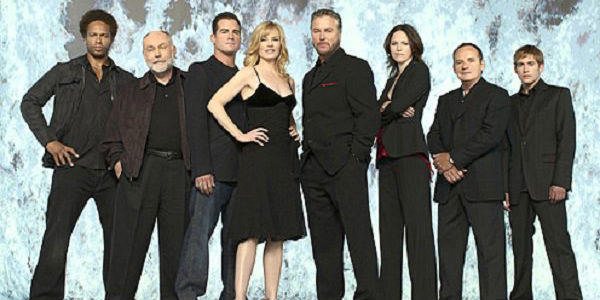
The Pilot CSI hit screens in 2000 via a pilot that saw beardy wonder detective, Gil Grissom (William Petersen), and his team of crime scene detectives go about their business solving a variety of cases for the Las Vegas Police Department. The success of this pilot was all about the setup, where viewers got to see Petersen€™s protagonist solve a crime by way of toe nail clippings while also witnessing how the rest of the department take on some intricate cases in the city of sin. Like all great pilots, this episode ended with a tantalizing sting in the tail. Simple, maybe, but this one really started something. What Did It Change? CSI changed the way we choose to watch crimes be solved on the small screen. Gone was our dusty reference point of the beleaguered detective, solving a crime with a grimace and only instincts to rely on, and in its place was the smooth sleuth reliant on whizzy technology and nigh-on impossible DNA testing. Quite simply, this pilot signified the birth of the procedural crime genre for a new generation. Legacy Cold Case, Bones, Body Of Proof, NCIS, Numb3rs, Criminal Minds and pretty much any detective show bar The Wire that aired this millennium were influenced by CSI.

9. Desperate Housewives

The Pilot The girls from Wisteria Lane started their odyssey on screens back in October 2004, by way of a pilot that deftly lured viewers into creator Marc Cherry's alternative take on American suburbia. In this series opener, Teri Hatcher, Felicity Huffman, Marcia Cross and Eva Longoria strutted their stuff around the neighborhood amid the rattle and hum of put upon husbands, sleazy exes, family dysfunction and the little matter of a dead best pal and an unraveling murder mystery. An instant hit. What Did It Change? Around the time this aired Sex And The City had taken a bow and the only show on the box with an all female cast worthy of mention was Charmed, however, said cast of this fantasy/horror series were all rather young. Desperate Housewives, on the other hand, featured a cast of feisty, attractive ladies all of whom were the other side of thirty five. This may not sound like a bold move, but on the contrary it actually was because it invited and older audiences to spend time with a bunch of characters that were in places way too identikit to be real, but had enough human qualities to make them relatable. Legacy By Cherry's own admission, Desperate Housewives was pitched as being along the lines of Knots Landing with a Lynchian twist and in the show's mega successful wake a clutch of offbeat shows featuring an all female cast - Girls, Cougar Town, Gossip Girl - began taking residence.

8. Star Trek: The Next Generation

The Pilot Many a just word has been written about just how much of a darn fine show Star Trek: The Original Series really was. But, as etched in the program's much-explored history, the crew of the USS Enterprise originally stuttered into life €“ original pilot €˜The Cage€™, was rejected by NBC, which was followed up with second crack of the whip in the average €˜Where No Man Has Gone Before€™ €“ as opposed to soaring in front of our very eyes. Warping forward twenty years to the late eighties, creator Gene Roddenberry and his team went through some painstaking casting and pre-production processes when creating the The Next Generation€™s opening episode, €˜Encounter At Farpoint€™. On the whole, this episode was a sturdy set up for a series that went on to deliver much better things. The reviews weren't kind and, in all honesty, the whole of season one lagged somewhat, but from this opening episode a glimmer of light emanated from the vastness of the Milky Way. What Did It Change? The Next Generation's first episode taught TV execs to show a little restrain; the pilot was promising, nothing more, and the episodes that followed only built on this promise. But by allowing Patrick Stewart and co to get to grips with their characters the show soon took off and ran for seven seasons, vastly beating its predecessor in terms of longevity on the small screen. The faith that was put into this show to succeed is quite commendable and, should The Next Generation have failed to take off, the Star Trek franchise as we know it may not exist. Legacy The Next Generation spawned four movies and paved the way for Deep Space Nine, Voyager and Enterprise and J J Abrams' rebooted series to follow in its wake. But having this series settle on our screens for such a long time set a precedent that made it commonplace for great sci-fi show's such as Stargate SG-1 and Stargate Atlantis to air for prolonged runs, which is key to creating a devout fanbase.

7. The Walking Dead

The Pilot Written and directed by Frank Darbont, everything about the pilot, 'Days Gone Bye', is epic in scope. The drama is intense and across the episode's hour running time we see the show's hero, Rick Grimes, leap out of a coma and head first into the zombie apocalypse, culminating in a breathless, horse-bound scramble to an infested Atlanta. Along the way we see the makings of a love triangle, death and not a whole lot of hope. The real genius of The Walking Dead is epitomised in this cinematic as hell pilot, with its singular focus on the human side of the apocalypse making for arresting viewing. Gruesomely great. What Did It Change? The Walking Dead trod new ground in two main ways: it showed that given the right treatment comic book adaptations can work better on the small screen, as opposed to being given big budget film treatment. More importantly, thanks to the show€™s attention towards drama and character-driven storylines, all of the non horror fans that initially tuned in have since staggered out as fans of the genre. Having horror put back on the map can never be a bad thing. Legacy Following The Walking Dead€™s successful launch, the genre very much came back from the dead with the gothic delights of American Horror Story haunting us in 2011, followed up by Hemlock Grove and Bates Motel in 2013.

6. 24

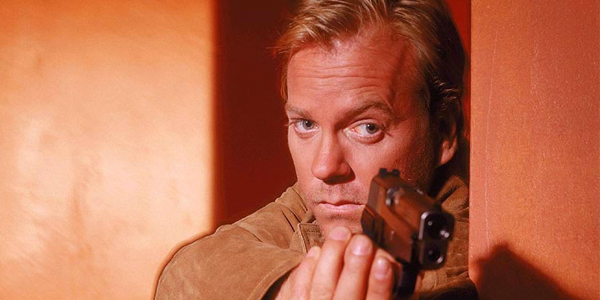
The Pilot High concept television truly arrived at the turn of the millennium with this pacey offering from Fox. The premise is simple enough, with maverick counter terrorist agent Jack Bauer (a reborn Keifer Sutherland) getting called into work amid the threat of a presidential candidate being assassinated. Cue lots of fancy tech, an enthralling subplot involving Bauer€™s daughter out on a sinister double date, as well as secrets and lies unravelling on the campaign trail. What Did It Change? Escapist nonsense it may well be to some, but 24 kicked down a fair few doors in respect of the way it changed TV. Multi and split screen interludes connected the overlapping plot strands better than any show had done before; the real time format received a shot in the arm courtesy of creators Joel Surnow and Robert Cochran, as they expertly turned the show into the TV equivalent of a page turner, but, most ground-breaking of all, 24 officially heralded the era of boxsets, instilling a culture in viewers where marathon sprints through the show on DVD were favoured over watching it via weekly syndication. Legacy Once 24€™s countdown started, the pretenders came in thick and fast with notable shows including Britain€™s Spooks, Alias, Prison Break and Homeland. It€™s also not a long shot to cite 24 as the program that showed career resurrections can be a glorious thing, with faded stars such as Charlie Sheen and David Spader enjoying success in Two And A Half Men and The Blacklist, respectively.

5. Friends

The Pilot Airing back in 1994, this particular sitcom pilot started by introducing us to a group of five amiable friends, hanging out in a coffee shop, only to have their harem rumbled by a sopping wet bride. By the end of this masterclass in how to set up a television comedy franchise, five had become six and viewers were already eager to see the likes of Ross mumble his way through a situation again, Monica act neurotic and Joey say something, well, a tad dumb. It's a good thing, then, that NBC had already seen the quality in this show and put in a half season order before the pilot was even aired. What Did It Change? Friends went on to be a smash hit; the cast have become household names and the show remains loved by millions throughout the world - we all know this. But, drilling down to the core of Friends' obvious charms, you find an epicentre that continues to send shockwaves through television. Although the show was criticised at the time for being derivative of Seinfeld, the structure of this comedy - the brainchild of David Crane and Marta Kauffman - was something quite original, as where Seinfeld was reliant on a linchpin character - the titular star - Friends was purely an equal billing affair, with the creators never setting out to make a show where any one character shone brighter than the other. Legacy The idea of a bunch of guys and girls falling in and out of love, climbing the career ladder and generally getting on with life for all of its challenges and quirks was born when this pilot first aired. Without Friends, there would be no That 70s Show, Cold Feet, Coupling, How I Met Your Mother and The Big Bang Theory.

4. The X-Files

The Pilot A girl tumbles through dense Oregan thicket and ends up being swallowed up by a bright light, only to be found later on with strange markings about her person... This type of opening became the staple setup for an X-Files episode, but in this iconic pilot it's hard to find the formula bettered across the whole series. The episode itself is a tour de creepy in storytelling from creator and true believer, Chris Carter, and it's still refreshing now to see special agents Dana Scully and Fox 'Spooky' Mulder first being paired up to investigate these strange goings on in backwater America. Everything we grew to love about the show emerges in this episode; starting with the series' overarching abduction plotline unfolding from the opening beat all the way to David Ducovony and Gillian Anderson's intimidate and believable chemistry. Plus, nothing says there's more to come than a closing shot of a sinister government agent (main baddie, The Smoking Man) lurking in a huge vault, crammed to the rafters with lots of cases and specimens to be investigated. What Did It Change? The male and female buddy-up had been tried and tested previously in cop shows, but not so much in science fiction - so this in itself was original. But what pushed The X-Files into best sci-fi show ever territory was its breadth. As seen in the pilot, Carter's colony story thread and the government conspiracy to cover this up was already taking shape, so with this established he went on to dedicate a hefty chunk of each season to standalone monster of the week episodes and Arthur C Clarke esque investigations into the unknown. By not predominately focusing on the show's main plot, each season remained fresh and allowed Mulder and Scully's relationship to bubble and simmer. This formula was established in the pilot. Legacy Along with two spin off series - the underrated Lone Gunman and Millennium - and a couple of movies, The X-Files shone a standard issue torch into a genre hidey hole and allowed the likes of eerily similar pretenders such as The Outer Limits, Dark Skies, Strange Luck and Warehouse 13 to come to light. Props should also go to Supernatural and Fringe for taking the X-Files template and turning it into something fresh, new and spooky.

3. Battlestar Galactica

The Pilot Granted, creator Ronald D. Moore€™s grand re-imagining of this sc-fi franchise first came about by way of miniseries, rather than the traditional pilot format, but this opening glimpse of one of the genre€™s greatest ever shows is simply too important to leave of this list. Airing on the Sci-Fi Channel - now known as SyFy €“ on 8 December 2003, this three hour miniseries brought the BSG universe bang up to date, using its ample running time to introduce old and new fans to the raging war between the Twelve Colonies and the robotic Cylon race. The miniseries succeeded on all counts by setting the primary story €“ Caprica goes boom and human survival ensues €“ as well as introducing principal cast members that would be later seen in the first season of the show, which aired in 2004. What Did It Change? Whereas Star Trek set a grand precedent by embedding hot topics of community, race and sexuality into its plotlines, BSG did something equally as bold by thrusting real world issues of politics and terrorism into its core story arc and went on to let the series transform in conjunction with our ever-changing times. All of this was evident in the miniseries, which set a statement of intent quite unlike any other show that came before it. Legacy Moore€™s relaunch spawned two offshoot shows (the short-lived Caprica and web series Blood & Chrome) and a popular MMO online game, Battlestar Galactica Online. Outside of this star system, some exciting series have followed in BSG€™s wake in the form of Stargate Universe, Falling Skies, Continuum and Moore€™s own Helix. It can also be cited as bucking the revival trend, with the likes of Doctor Who following suit. On the downside, though, we had Knight Rider and Bionic Woman.

2. Twin Peaks

The Pilot No single opening credit sequence in television history has quite had the profound effect on viewers that Twin Peaks did. This intro, for all intents and purposes, was akin to that of a soap opera, where we are first offered a glimpse of the show's titular mill town and its quaint locales set to composer Angelo Badalamenti's ethereal score. This is, of course, a smart ruse as creators David Lynch and Mark Frost lead us merrily skipping into a town reeling from the murder of its very own girl next door, Laura Palmer. This is a place where anybody is a suspect and everyone has a secret to hide. Unraveling this mystery and wading through some striking visions the pilot introduces us to FBI agent Dale Cooper (Kyle Maclachlan), who is our eyes and ears throughout the mystery. Lynch wanted to create TV's first soap opera cum murder mystery crossover and with this pilot he succeeded in bringing us something so unique that studios are still baffled as to how it can be relaunched in some way. What Did It Change? Twin Peaks was not afraid to wreak merry havoc with narrative techniques; it made it acceptable to have your noodle warped, frustrated and given a full workout from the comfort of your sofa on a Thursday night. But, put quite simply, despite it's short-lived time on screens - the show ran for only two seasons - Twin Peaks made it okay for a TV show to be just a little bit strange. Legacy Following this pilot, the Pandora's Box of weird was well and truly opened bringing forth off the wall wonders such as The X-Files, Harper's Island, Happy Town and The Killing. Better than this, though, Twin Peaks' floating narrative switches from the real to surreal directly influenced the likes of The Sopranos and Breaking Bad.

1. Lost

The Pilot The most groundbreaking and influential pilot of all time begins with a bloodied doctor stumbling onto the beached wreckage of a downed passenger jet. As he tends to the wounded a swooping camera drags us through fire and debris, feeding glimpses of each survivor and any clues that might lend to the show's lexicon of mysteries. In what would become a recurring theme, we end on a cliffhanger as the doc and survivors run for their lives from a black malevolent smoke monster. Between all this, flashbacks tell the tale of how each survivor found themselves on this ill fated flight. Suffice to say, in one fell swoop we all wanted to get to the bottom of this tropical island mystery. What Did It Change? Before it raised the bar for how we now watch TV shows, Lost was just an idea that was close to being pitched as a dramatic take on reality series Survivor. But when this premise was placed in the minds of creators Jeffrey Lieber, Damon Lindelof and one J J Abrams, the idea grew into something with a sci-fi bent to it, where the overriding mystery was actually the setting itself. This was a class move and once it had been filmed - at the time of airing in 2004, this stood as the most expensive pilot of all time budgeted at around the $14 million dollar mark - a two-part series opener was unleashed that threw suspense, intrigue and just a pinch of weird (polar bear anyone?) at viewers to gleeful effect. However you feel about Lost and its controversial closing seasons, its pilot was irresistible and unforgettable; everything changed once this aired and what followed was a slew of TV shows that took the same bombastic approach of opening a series by way of a grandstanding episode. However, no show has yet beaten Lost in terms of cultural impact as, unlike the ill-fated passengers of Oceanic Airlines Flight 815, this was a show firmly in cruise control. Legacy At the time of this feature, Lost was celebrating its ten year anniversary and its really staggering to see just how many shows have ducked and weaved through the jetstream it cut through television. The trend started with ensemble series Heroes and continued with the likes of Flash Forward, Terra Nova, Alcatraz, Once Upon A Time and The Leftovers. Got some pilots that you think soared higher than those featured on this list? Then mosey on down to the comments thread below and wax lyrical about the series openers you feel set the bar just that bit higher.

Contributor
Contributor

Shaun is a former contributor for a number of Future Publishing titles and more recently worked as a staffer at Imagine Publishing. He can now be found banking in the daytime and writing a variety of articles for What Culture, namely around his favourite topics of film, retro gaming, music, TV and, when he's feeling clever, literature.