10 Spectacularly Bad TV Ideas That Turned Out To Be Awesome

Celebrating those ideas that should've been laughed out the room, but instead laughed all their way to the bank.
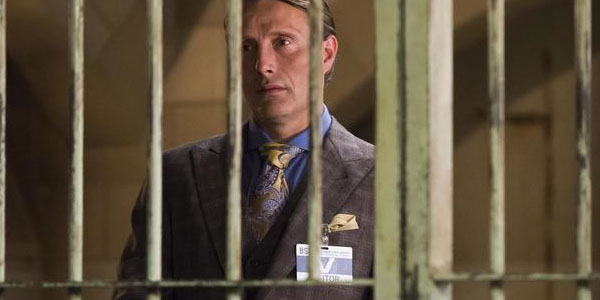
Television and the assortment of shows it kindly brings us is approaching its 100th birthday. It's safe to say that a great deal of the excellent ideas, the great ideas, the good ideas and even the average ideas for programmes have been done to death. In fact, most of them have probably had a remake or a reboot along the way. But then there are the bad ideas. The real stinkers that live in the dark recesses of writers minds. Usually these dark life forms are kept locked away but occasionally they break free and are made. Usually, they're quickly identified by highly-skilled observers (the audience), rounded up and shot (or cancelled if you prefer). On rarer occasions still, these bad ideas become the television equivalent of the ugly duckling. Butt ugly on paper but they grow into something quite wonderful. Because two years ago, if you said re-making Hannibal on TV without Anthony Hopkins was a good idea everyone would've laughed in your face. Look at them now, eh? Ditto the apparently 'unfilmable' Song Of Ice And Fire. So lets go on a duck hunt. Many of the most popular TV shows of the last 30 years have had some really bad ideas at their heart, but have still managed to strike gold.

10. Dexter

Obviously this already existed in the novels by Jeff Lindsay but on-screen it is a harder sell. A much harder sell. The basic premise is a show about a serial killer. A sociopathic serial killer who murders someone in cold blood most episodes often in quite brutal ways. Nothing wrong with that, as there are some excellent shows based around the idea of catching serial killers. However they're usually being pursued by an engaging cop character. You know the types...young rookie with a hunch, tough by-the-books cop or even the old favourite; the alcoholic washed-up cop on his last case. But with Dexter the murderer is the lead character. We are inside his life,we are inside his head and the show (at least in the earlier seasons) really works. The most frustrating thing about Dexter is that it really shouldn't work. We should hate this guy. He kills people. Horribly. He judges who should die by looking them up on a computer for a bit and then following them for a few hours. It's hardly a thorough investigation. He gets his wife killed. He turns his sister into a murderer, makes her lose the career she loves and then gets her killed as well. He abandons his son with anyone he can at every turn. Remind me, why do we like this character again? The answer, in short, was Michael C Hall. How he did it is akin to voodoo but somehow we cared about Dexter and actually wanted him to be happy which is perhaps why the conclusion of the series pleased few fans. Michael C Hall was nominated for a Emmy award for Outstanding Lead Actor in a Drama Series five years in a row but never won, but it still goes to prove that the right actor can make a part successful however bafflingly bad on paper. The rumours his next part will be of a man who fires kittens out of cannons and tortures puppies is, as yet, unconfirmed.

9. Knight Rider

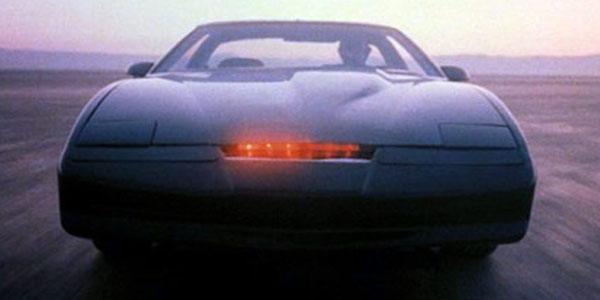
Let us flash back to the 80's. Culture Club and Dexys Midnight Runners are storming the charts whilst Maggie Thatcher and Ronald Reagan are in their prime as rulers. Oddly, there is a giant rat named Roland saving breakfast television. At some point early in this decade Glen A Larson, a respected television producer with a track record of television hits such as the Six Million Dollar Man and Battlestar Galatica, pitched the following TV show. 'A show about man who travels the USA fighting crime and wrong doing bankrolled by a mysterious millionaire for an organisation that has no legal jurisdiction. With a talking, crime-fighting car.' Hang on Glen...what was that last bit? A talking crime-fighting car? Indulging him for a heartbeat, I suppose the next question was 'so who are we going to get for the lead?' 'Is Harrison Ford available? Pierce Brosnan? In what can only be described as a masterstroke, Mr Larson suggested a hairy bloke who had just done seven years in soap opera The Young and the Restless. Just think, if the show had been produced in the UK €“ we may have got Todd Carty! Incredibly, the show was commissioned and went on to become a massive hit with 90 episodes spanning 4 seasons and is a cult favourite even today. It has since spawned two television movies (terrible), one spin off show (Team Knight Rider €“ terrible and cancelled after one series) and a full reboot show (average €“ cancelled after one series). This perhaps demonstrates that whilst you can make a good TV show out of a bad idea it is best to only try it once and make sure you book 'The Hoff'.

8. The Royle Family

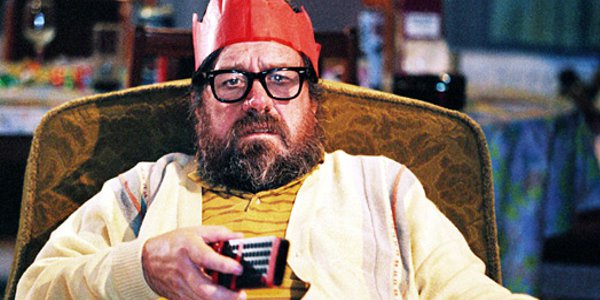
It is the late 90's. British television comedy had gone a bit loud with shows such as Men Behaving Badly and the Fast Show offering a 'in your face' style of humour. Caroline Aherne, who was already greatly admired for her work on the previously mentioned Fast Show and with her comedy creation Mrs Merton, is going to the BBC with a new idea for a comedy. She's hot property and the BBC don't want to lose her to their rivals, so will pretty much consider any concept. The offer is a sitcom about a family with no outwardly comedy features who live in an ordinary house in Manchester. During the show very little will happen and there will be no catchphrases (till 'My Arse' crept in) and definitely no obvious jokes. Given the climate at the time in comedy, it's amazing it got past the proposal stage. It was commissioned, but it's interesting to note the production of the show was passed to Granada and the show started life on a quiet slot on BBC 2 before rising ratings and superlative reviews forced a transfer to BBC 1. However, 15 years later the BAFTA Award-winning show is still making the occasional Christmas special and has racked up some impressive audiences on the way to becoming an absolute British favourite. It also has a firm place in the fabric of the evolution of comedy because its light-touch, character-driven observational humour paved the way for the BBC to consider less obvious sitcom formats paving the way for shows such as The Office to succeed.

7. Buffy The Vampire Slayer

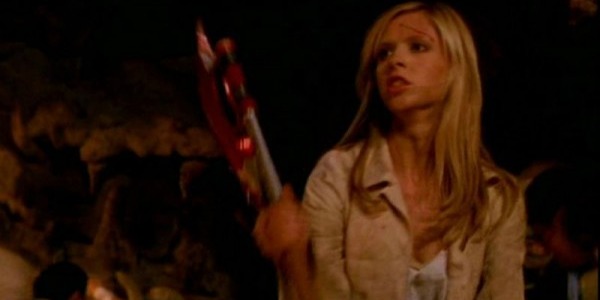
Film and TV sharing ideas and content is largely a bad idea. It is like sleeping with a bridesmaid a wedding. Sure, it seems like a good idea at the time and occasionally things work out but for the most part it is a disaster. TV series moving to the big screen sometimes works out but for every Star Trek there is a dull X Files film and Kevin and Perry Go Large. Let's not even mention Sex and the City 2. Ever. The other way is just as foolhardy if not more so. Stretching a good idea over a TV series is never a good way to go. Hannibal is an obvious recent example of it working, but beyond that is the abominations of the Robocop and Police Academy shows. Not to mention a huge failure rate at the development stage with Beverly Hills Cops springing immediately to mind. So why in the name of Hellmouth did Joss Whedon think that adapting Buffy the Vampire Slayer was a good idea? It had tanked as a film and was about a cheerleader with enhanced abilities fighting vampires, and this was before vampires were cool. Mega-franchises such as the Twilight movies were a long way away yet. However, lets bow down to the deity Whedon. He nailed it. A fantastic show which ran through eight seasons and a five season spin off with Angel. The writing was sharp and despite its supernatural premise it was never afraid to shy away from tougher plot points and storylines. It was consistently good and occasionally flirted with genius in episodes such as Emmy nominated episode 'Hush,' musical 'Once More With Feeling' and 'The Body,' the latter representing one of the finest interpretations of the death of a loved one on prime time TV anywhere. A brave, stark and utterly heart breaking piece of television that can not fail to move even the casual viewer.

6. Doctor Who

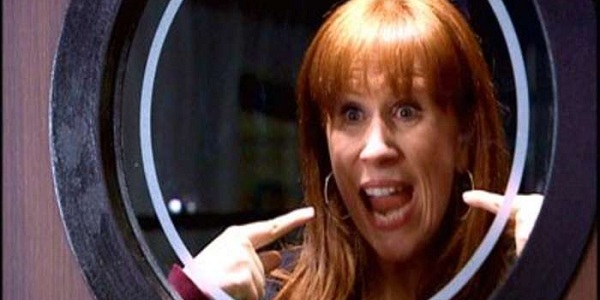
Brought back against the odds and flying in the ratings with David Tennant's Tenth incarnation proving to be one of the most popular Doctors ever, season four presented a problem €“ a vacancy in the console room after the harshly-judged Martha Jones. The performance of Billie Piper as Rose was proving hard to follow so they decided to go in a different direction. Yet to say Martha had not worked is simply not correct €“ Freema Agyeman was taking over from a well-loved character and trying to forge her own identity. In hindsight, history shows that her unreturned affection for the Doctor was more irritating than sweet and undermined the positive aspects of her character. Following this, the next companion would need to be more independent, not easily overwhelmed or a love sick puppy-dog. Basically, they would need to be able to hold their own. In steps.... Catherine Tate. Wait, hang on. THE Catherine Tate? Comedy actress of 'Am I bovvered' fame? The one who tipped up in a Doctor Who Christmas Special a while back as a mouthy bride with limited redeeming features? Are you sure? When the idea broke fans seem to vary from unhappy and disgusted through to downright unhappy and disgusted. This was perhaps harsh on Catherine herself, as she was a classically-trained actress and was given a paper thin character in 'The Runaway Bride'. The fans were not for shifting and like the Time lords themselves, they were seeing a future where Doctor Who ceased to be once more. Shall we just have a short hop in our television Tardis then and see how it worked out then? Well, it turns out she was brilliant, providing a nuanced performance balancing drama and comedy with a character holding the Doctor to account like never before. Plus, she had a granddad played by Womble-master Bernard Cribbins. Allons-y!

5. 24

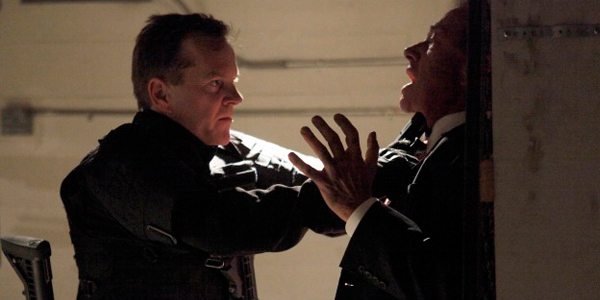
American television drama needed something new. Something exciting and dynamic. A show like no other. Nail-biting tension and gut-wrenching drama. And into this breach, 24 stepped. A show in real time. Real time €“ how is that exciting? Will it not be full of people doing all the things normally edited out of actual TV shows? Going to the toilet and discussing what they had for tea last night? Again, how is that exciting? You'd better hope they have a bankable lead. Kiefer Sutherland? The guy doing bad TV movies since his notable role in Flatliners ten years ago? The guy with a very limited action hero pedigree? So they are producing an actual hour of Kiefer Sutherland on the television trying to save America? 24 episodes of it? An actual full day of this? Well, good luck. So how did that turn out? Well, it ran for 8 seasons with one feature length film (and another London based one to follow). It garnered 68 Emmy awards nominations with 20 wins with that guy Kiefer Sutherland picking up numerous personal nominations and winning an Emmy, a Golden Globe and a Screen Writers Award for Best Actor largely for portraying a man who can go without peeing for 24 hours and save the world without walking funny or wetting himself. Not bad going for something so fraught with risk, was it?

4. Spooks

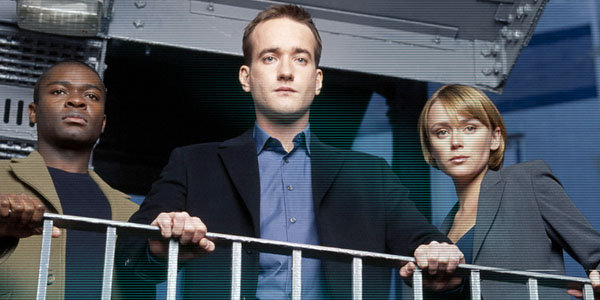
Way back before it was cool to kill leading characters at random, Spooks started. Since that point Game of Thrones, The Walking Dead and even the currently airing Line of Duty have made a point of no character being safe despite how much they feature in the show's promotion or how famous they are. In the case of Spooks all the promotion focused on a main character who was a nice young lady finding her way in the spy business with her more experienced colleagues. Lisa Faulkner was playing the character in question, and she was popular and well-known due to her roles in Brookside and Holby City. At this point in time character deaths were rarer. When lead characters did depart shows they did so with much fanfare and drama in order to maximise ratings and publicity. Alternatively their deaths were complete fake outs and the character was restored by the following week or season (hey Dallas, take a bow). Spooks was different. Recognising the potential of keeping the audience completely gripped and presenting an environment where no one was safe the producers went for the jugular. The first episode was screened and Helen Flynn played by Lisa Faulkner was introduced. The second episode she had her hand and head stuck in a deep fat fryer before getting a bullet through the brain. Welcome to Spooks. No-one was safe and many characters went the same way, through hangings, murders, bombings, throat-slashings, poisonings or just plain old-fashioned shooting. Needless to say, Spooks ran for ten very successful series. But oh the complaints. Oh the outrage. Oh the ratings! Who else can we kill? Television open season was declared!

3. House

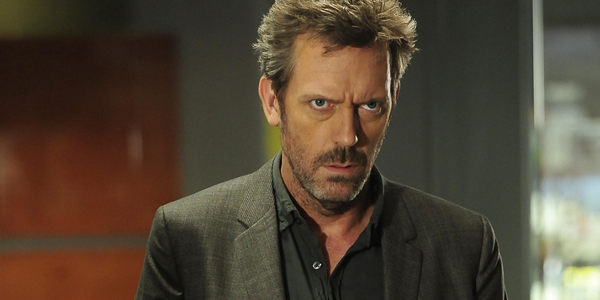
Now, there's nothing wrong with the central concept of House. A genius but maverick Doctor with a drug problem and sociopathic tendencies solving impossible medical mysteries. Sign me up. The casting however was a different matter. It would have called for a hard American actor used to playing rugged aggressive parts. Who was cast? A posh British bloke whose main track record was in playing comedic slightly eccentric, slightly stupid (but always, always posh) characters. The main case for the prosecution on this is one of his last parts he played before House which was as Mr Little in Stuart Little. He played someone who adopted a mouse. Seriously. Compare the two parts: the difference is astounding and that makes the decision even more baffling. The fact that Hugh Laurie made a massive success €“ a double Golden Globe-winning success no less €“ of the role is no surprise. He's a fantastic performer and actor, and his work on Blackadder alone earns him that accolade. But still... Dr House. Brave move guys, brave move. However, we do need to bring one fact out into the light here. Despite their excellent casting work on Hugh Laurie and in fact the entire rest of the cast as there are no weak links on show, there's one more thing to discuss. House was not supposed to be called House. The original plan was for the show to be called Chasing zebras, circling the drain. Chasing zebras, circling the drain. A title so bad it needs saying twice. Some bad ideas should always be avoided.

2. Ashes To Ashes

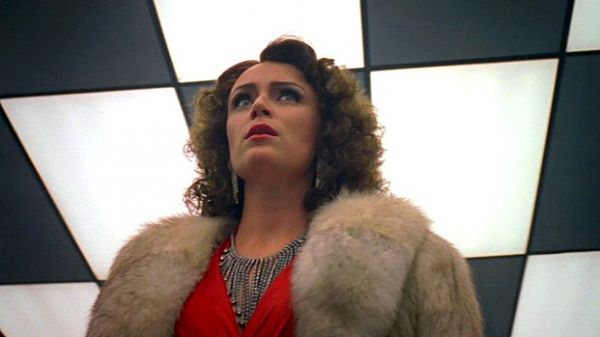
Life on Mars was a massive success. Gene Hunt quickly became a highly quotable iconic character. The 1970's roared back into fashion. An International Emmy Award was won. Then Sam Tyler went and jumped off a roof. Was he dead? Was he dreaming? Which was the real world? An emotional sucker punch that still hits home today. Not many TV shows decide to end with their lead character committing suicide and make it uplifting. Then there was a problem. The BBC wanted more. John Simm did not. The BBC got its chequebook out. A new series was announced. With the EXACT SAME STORY. Except it was a woman and it was in the 80's. But still it was the same story. Cop, gets injured, wakes up in the past, tries to get back and Gene Hunt is funny/offensive/slightly awesome. But hey it worked. Keeley Hawes made Alex believable and as sexy as 80's costumes allow. Longer-term stories were built and the finale was one of the most satisfying and moving conclusions to any TV show. In a funny sort of way this show is the anti-Lost €“ all the way through Life on Mars and its successor the writers said that they had a plan. They knew what was going to happen at the end from the very start and every hint and reference will make sense. And gloriously, it did. No spoilers here, but if you have seen the end and then watch the show from the start all the plotlines and tiny hints fit. Whereas Lost fans were left feeling like the writers had been making it up as they went along and then delivered an ending that combined the twin values of being disappointing and making no sense, Ashes to Ashes delivered. Not to mention that Gene Hunt was still a quotable/funny/offensive/slight awesome character to boot and by the end turned out to be one of the most sympathetic characters even written.

1. Frasier

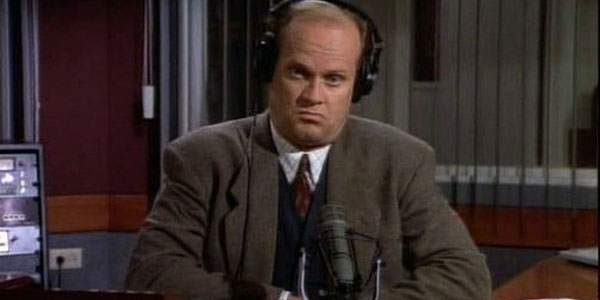
93 Million people watched the finale of Cheers, and that's more than the population of the UK. They could even have invited the entire populations of Sweden, Norway, Finland and our Irish neighbours to watch and still not hit that target. Now, that can give producers an ego. The kind of ego that can lead to bad decisions. Poor investment choices, fast cars and commissioning TV shows based on bad ideas... Yet now our producers needed a spin off. Keep the momentum up. Pick a character any character. It is rich pickings. We could of had Woody the barman going solo, Carla opening up her own place and even the comedy bantering of Cliff and Norm. They pick Frasier. The dull one. The one audiences never really connected with. The one that was actually not that funny. What the hell where they thinking? Ego is a powerful thing. Now even great characters from very successful shows can make lousy spin offs as the Friends spin-off Joey demonstrates to perfection. Quite why they thought this would work is anyone's guess. But what do we know? Voted best sitcom ever by British viewers in a Channel 4 poll and 34th best ever by TV Guide the series certainly made a mark on the comedy landscape. So a fantastic show, a million awards (approximate figure), and a small dog upstaging everyone later... I bet you can see their egos from space.

Contributor

Jamie Hughes hasn't written a bio just yet, but if they had... it would appear here.