5 Reasons Why American Remakes Of British Sitcoms Fall Flat

Because whoever felt the American Gavin & Stacey remake was a good idea needs to be bludgeoned upside the head, repeatedly.
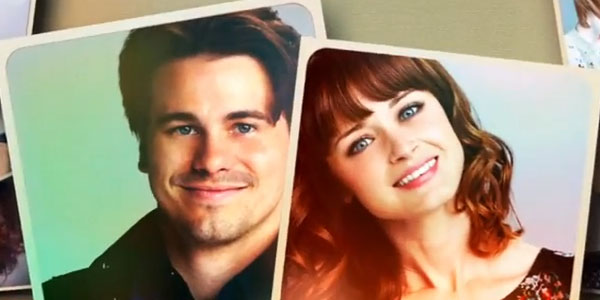
Did you know Fox have made an American remake of Gavin and Stacey titled Us & Them? Quite an odd choice considering the humour is distinctly British. Unfortunately though, it seems its future is limited as the episodes have been cut back, with no enthusiasm to make any more. This kind of problem has plagued the American television industry for quite some time. But why is that exactly? People crave the continuation of popular sitcoms, but it seems new, original, fresh ideas are dominating the TV screens, particularly in America. Doing a remake is a difficult process. You can either follow the exact storyline, characters and styles of the original but adapt for an American audience or you can take the foundations of the original show and weave original creativity into it to prevent it from becoming an exact copy. Either way it's very easy for creators of these remakes to be criticised. After all, why change something that is wonderful the way it is? If you adapt or 'Americanise' a legendary British sitcom by taking away all that makes it so legendary, then 99% of the time it's reasonable to expect it to flop. So, let's look at five possible reasons why so many do...

5. Changing Over Writers

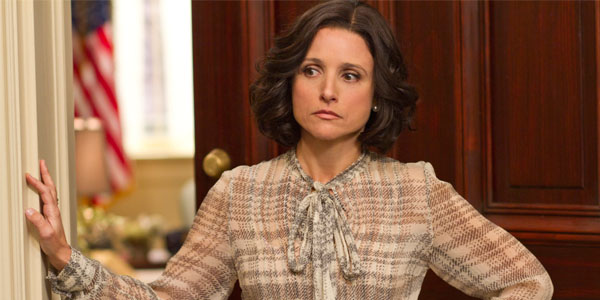
Sometimes writing TV scripts is managed differently in America. Some of the biggest sitcoms over in the UK are often penned by one or two screenwriters - Only Fools and Horses, for example, one of the most well-loved and successful sitcoms in history, was written solely by John Sullivan. Many American comedies, however, often adopt a team of writers to try and prevent things from getting stale. The downside to this is the risk of inconsistencies in the sitcom. A team of writers want to adapt a popular British comedy, but it could be a mistake not to somehow involve the original writers. In fact, some of the more favoured American remakes have the same people working on them who produced the originals. The Thick Of It creator Armando Iannucci used his own show as inspiration when creating the American comedy series Veep, both of which are award-winning shows. It's like you sitting there reading this - create a character in your head right now. Give them some quirky traits, an image, flaws, ambitions, tendencies, etc. They could be crazy, neurotic, awkward, obsessive, loveable, hilarious, oddball, really idiotic... Anything, really. Now try thinking up a little storyline they can feature in. Maybe they get arrested, get stuck up a tree, work up the courage to ask their crush out for coffee, attend a public speaking master class and inadvertently end up saying their speech like Adolf Hitler. Now imagine someone else, be it one person or several people, taking over your character and deciding how they behave and what kind of situations they find themselves in. Can you imagine they would be able to do it just as much justice? The answer could be yes, but it's more likely to be "Hmmm... I'm not really sure."

4. What Happens To Our Beloved Characters
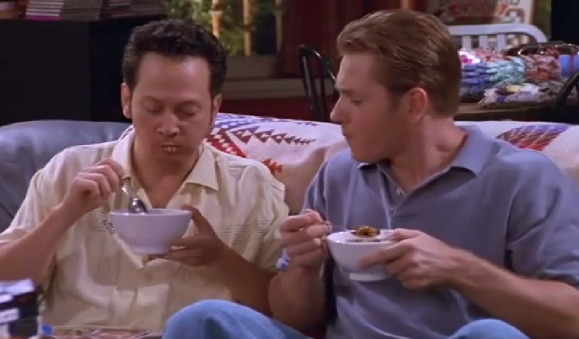
Things can get lost on the transfer from one side of the pond to the other. One being what makes a certain character likeable, distinctive and have depth. When a sitcom changes hands with different writers, producers, editors, audiences and so on, characters might be reworked, replaced or in some cases taken out altogether. This isn't always a bad thing, but unfortunately some of the best, most beloved characters are crumbled into mediocre dust. The US remake of Men Behaving Badly (yes... it happened!) starring Ron Eldard and Rob Schneider took the same messy, laddish lifestyle surrounding the two flatmates named Kevin and Jamie, but somehow they didn't match up to the original Gary and Tony. Kevin and Jamie are bland and characterless and lack the uniquely amusing silliness of Gary and Tony. The title is Men Behaving Badly because it focuses on two childish, disordered, pathetic, lustful, beer-loving guys who spend their nights raising their thighs in order to fart and discussing fantasy scenarios with Kylie Minogue. The US remake doesn't reflect this at all. It should have been called Men Behaving Banally. Would you watch 35 episodes of that? No, thought not.

3. Badly Conceived Alterations Or No Alterations At All
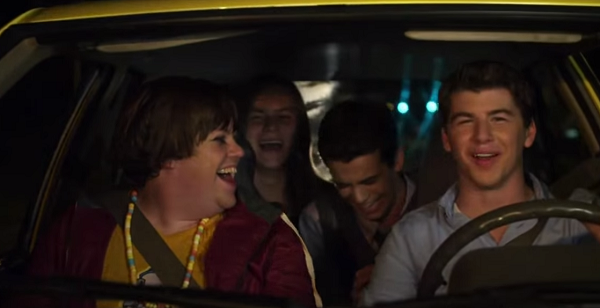
You don't blame a remake for wanting to do some things differently, otherwise what would be the point of remaking in the first place? But they often change around, re-imagine or completely delete some of the best aspects of the original, making the remade version not quite fit into place. It isn't surprising the US remake of The Inbetweeners was poorly received. The famous scene from the original involved the four school friends driving past a bus top and Jay popping his head out the car window to shout "bus w*nkers!" This is something the American version should have altered to create the same desired audience reaction. But, alas, all they did was copy the exact same scene with almost the exact same dialogue, except replace the 'W' word with 'turd'. "Bus turds!" Does this have the same effect on you as the original? Not quite. Maybe us Brits just have an intrinsic language that will make scenes like this lose its magic if changed. American audiences may feel more entertained by our swear words anyway!

2. What Have They Done To The Storyline?
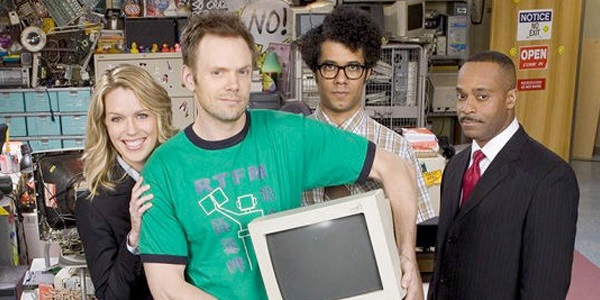
One remake I have to mention is America's The Office. Ricky Gervais's ground breaking gem sounds like something so good it would be impossible to adapt. When watching the first season of the US version you might find yourself quite underwhelmed. The pilot episode echoes a very similar storyline regarding the downsizing of the branch and the introduction of a new office colleague. You'll find the same pointlessly identical story lines with The Inbetweeners USA and the US pilot of The IT Crowd. Do American audiences really need a remake if the only differences are very slight? The good news is America's version of The Office gets a whole lot better from season two onwards. Regardless of having the typical American "let's run this TV show on for countless amounts of seasons" approach, it works surprisingly well when it picks up. All the characters are different to the originals or at least similar but unique at the same time. The story lines edge more and more away from what was already done in the UK and take their own individual shape. Sitcom adaptors, please take note!

1. British And American Humour

Are they the same? No. Of course a British person can appreciate American humour and an American person appreciate British humour. However, sometimes humour can be so distinct it's best not to tamper with it. British and American cultures have similarities, but they're very different, too, and because of that it's not always easy for someone from another country to understand your style of humour, your slang, your references, your kind of life, etc. Often a typical British sense of humour imprinted in a popular TV series isn't always carried over into America successfully. The US pilot of Red Dwarf seems much more focused on adding canned laughter in reaction to lines of unfunny dialogue. A British viewer making that observation clearly shows that both the UK and America find different things funny. Some people "get it" and others do not. We also have differing boundaries. American TV is more censored, whereas British TV could probably get away with a lot more. This is why some comedies aren't considered as funny as others. Some are considered too nice or too safe or sensible. Culture shifts mean differing levels of irony, sarcasm, parody, slapstick and various other categories of comedy. There is also a difference in how we portray or deal with types of humour. As Simon Pegg stated in his piece in The Guardian: "Americans can fully appreciate irony. They just don't feel entirely comfortable using it on each other, in case it causes damage." US remakes, in every aspect, will always face a dilemma: If you copy the original too much it defeats the point of adapting it in the first place, but if you go too much in the other direction you could risk taking away all that's good about the original show. The best way to avoid this would be not to bother remaking at all and start from scratch with a fresh idea or let people discover the original work. You can't recreate something that is so loved and classic and expect it to be anywhere near as good.

In this post: 
Us And Them
 
Posted On: 
Contributor
Contributor

Freelance writer from the UK. Love comedy, bengal cats, theatre, television, being silly and music from a time long ago.