1973

The Three Doctors united Pertwee with both Hartnell and Troughton and pitted them against the legendary Time-Lord known as Omega. Despite essentially all being the same person, the three incarnations don't always see eye to eye however, and the second and third Doctors are called "a dandy and a clown" by the first, respectively. As a reward for thwarting Omega, the Time Lords ended his exile, and the Doctor was free to roam the universe once more. The eleventh series serial The Time Warrior also introduced two important characters to the series, companion Sarah Jane Smith and the Sontarans. As if those two weren't enough, the serial also claimed another first when the Doctor first mentioned the name of his home planet, Gallifrey. (Although, like The Three Doctors, this serial was broadcast December - January, I have included it here as 1974 would see an even bigger impact on the show.)
1974

Long before Doctor Who would go on to sweep up awards faster than you can say "Hugo Award for Best Dramatic Presentation, Short Form", it's first major recognition would come from the Writer's Guild, who bestowed the show with its award for Best British Children's Original Drama Script. This is somewhat overshadowed by Doctor Who gaining something else in this year though, Tom Baker. Appearing in what would come to be the almost customary 'less than a minute post-regeneration, pre-closing credits scene' at the end of Planet of the Spiders, Tom Baker would return six months later for the start of his own first series. Widely celebrated as having the longest tenure as the Doctor, he would continue to play the Doctor for the next seven years.
1975
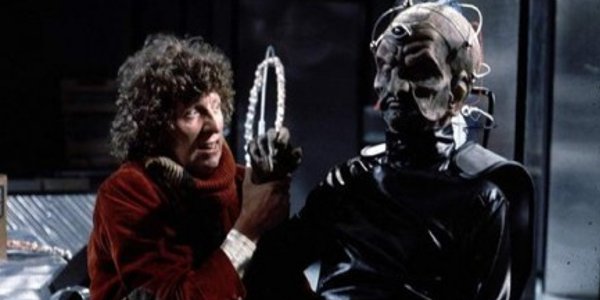
Going back to the beginning of his beloved creations, Terry Nation wrote The Genesis Of The Daleks. Sent by the Time Lords to destroy them before they terrorise the galaxy (something many fans now consider to have instigated the great time war), the Doctor comes face to face with their creator, Davros. Voted the number 1 serial by readers of Doctor Who magazine, it is largely remembered for its climactic ending. Faced with the seemingly simple task of connecting two wires that would wipe out the Daleks, he ponders the fate of those civilisations who became allies due to the Dalek's aggression, whether he has the right to commit such an act of genocide, and he ultimately chooses not to, as it would make him no better than the Daleks themselves. Proving just how ruthless the Daleks are they exterminate Davros himself, their sense of superiority being so great that even their creator is considered inferior.