Game Of Thrones Season 8: 9 Ups And 2 Downs From 'The Long Night'
A Battle of Ice and Fire.
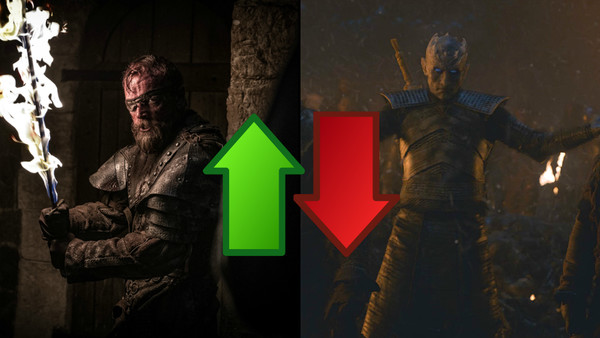
The Long Night has arrived.
Last week, Game of Thrones devoted an entire episode to being the prelude to the big battle of episode 3. And not just any battle, but the battle between the living and the dead. This is not just any war, but the Great War.
This is something that the show has been building towards from the very beginning. It's right there, in the literal cold open of the entire series. Throughout the entire show, we've been periodically reminded of the true threat that lies far beyond the Wall, and now that threat is here at Winterfell's door.
The result is The Long Night, the first episode of Season 8 to be written by showrunners D.B. Weiss and David Benioff, and the first since The Winds of Winter to be directed by Miguel Sapochnik. This is the one we've heard so much about: the 55-night shoot, the countless extras, the insane production effort. The assembling of the forces at Winterfell, the army of the dead approaching. It was all for this one extra-long episode.
Was it worth it? Abso-bloody-lutely.
Warning: contains major spoilers for Game of Thrones Season 8 Episode 3.
9. The Music
In a sense, praising the music in Game of Thrones is a bit like saying Lionel Messi played well for Barcelona or that a painting by Vincent van Gogh looks nice. Ramin Djawidi is just that good, that consistently, that it's easy to take it as a given. But every so often geniuses remind you of why they're considered as such, and Djawidi does so here.
This is his best score since The Winds of Winter (when he delivered Light of the Seven), and like the best scores it elevates what's around it, especially during the action: think Duel of the Fates in The Phantom Menace, or the Avengers theme in Endgame (no spoilers for that here).
Djawidi's score in this episode lifts everything: it can make your heart race, soar, or sink; it can tonally flip everything 180 degrees in an instant. There are themes and motifs we've heard before, combined with new material, and in the last 15 minutes or so he finds a whole new level. That quiet, single piano playing towards the end of it all, when hope appears lost, is the kind of musical moment that will rip your heart in two, and something few would actually decide to go with. It's easy to think the music in Game of Thrones is great. But sometimes, it's just astonishingly so.
8. They Didn't Shy Away From Deaths (And Mostly Killed The Right People)
No 'major' heroes died in The Long Night, which to some might be another sign that Game of Thrones has 'lost its edge' or some variant on that criticism. But they were never likely to: Daenerys, Jon, Jaime, Tyrion, and the Starks all have a role to play yet, and it was those on the rungs below them we needed to worry about.
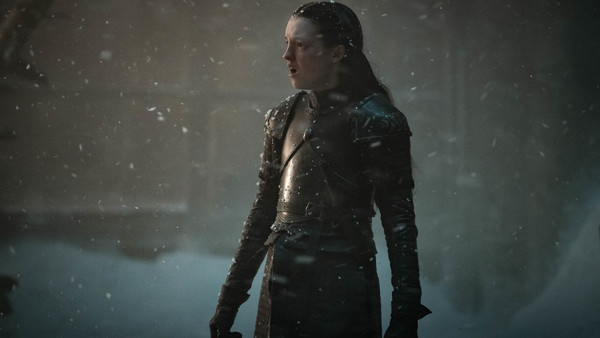
Had they not killed THEM, then you could accuse the show of bottling it. But this episode bore witness to the deaths of Edd Tollett, Lyanna & Jorah Mormont, Melisandre, Beric Dondarrion, and Theon Greyjoy. They are, for the most part, all long-standing characters. Theon and Jorah, certainly, have been there since the beginning. At the very least they're all hugely popular, and their deaths matter and serve a purpose.
On top of that, they *killed the Night King*, which is one of the biggest deaths in the whole show. However else you feel about it, this episode needed to kill off some characters we care about, and it follows through on that. You can argue they should've gone further - a Tormund here, a Podrick there - but each death felt weighty, which is what you want from these episodes.
7. Some Epic Last Stands
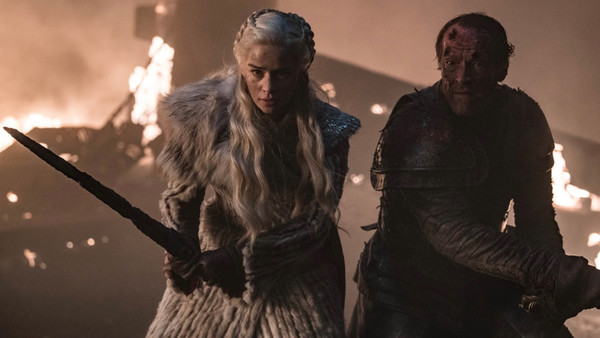
Along with those deaths come some genuinely epic last stand moments, with all of the heroes going out in a way befitting of their character.
Edd, the Lord Commander of the Night's Watch, dies after saving his brother Sam. Lyanna Mormont, the smallest person on the battlefield, goes out killing a damn giant. Beric dies to save Arya and the Hound, two characters he has a long history with. Theon, who took the Starks' home from them, dies protecting Bran. Jorah dies saving the Queen he's sworn to serve and cannot help but love. Melisandre takes off her necklace and reveals her true self, her service to the Lord of Light, like with Beric, complete.
All of these moments are brilliantly done. They payoff setup from last week's stunning episode - most of them were hinted at then - but also the journeys these characters have long been on.
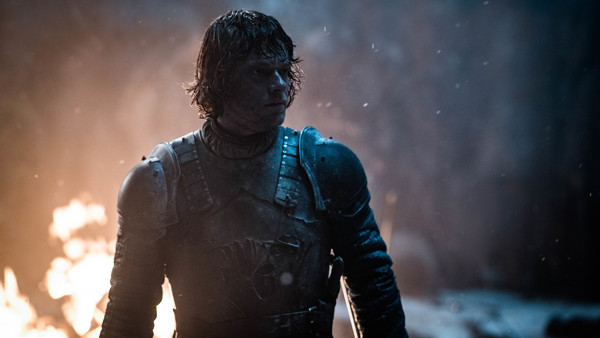
Particular praise must go to Theon in this regard: the character, so wonderfully (and oft-unappreciated) played by Alfie Allen, has had one of the strongest arcs in the entire series. From the brash, arrogant hostage/friend of the Starks, to the misbegotten conqueror of the homestead, the tortured, pitiful Reek to reclaiming his identity and saving those he cares about, it's been one hell of a ride. To end it here, in the Godswood, saving Bran Stark and being killed by one of the show's biggest bads, after being told he is "a good man", is a beautiful payoff.
6. Not Too Much Fan Service

Last week's episode contained a lot of fan service. That isn't inherently a bad thing, because the vast majority of it was well-earned and fitting with everything we'd seen up to that point. In that regard, another word for fan service is simply 'payoff'.
Still, it would've been quite easy for them to go down that route again. To turn this into a real crowdpleaser of sorts, and just give the fans more of what they want. There might be touches of that, but again, all of it feels ingrained in the story and characters rather than just being done for the sake of servicing the fans.
Coming at a time when the showrunners have been criticised for becoming too 'fan servicey' (a critique that has never fully rung true anyway), this episode stays on the right side of the divide.
5. The Insane Spectacle

We knew this was going to be epic. We'd heard all about it. They shot for 55 consecutive nights in the cold of Northern Ireland. Shooting continued for several weeks in the studio afterwards. It was bigger than Helm's Deep. It was the longest battle they'd ever done. So on and so forth the hype machine went.
Somehow, someway, they pulled it off.
In terms of spectacle, this lives up to the promise. From the dragon-on-dragon action to the sea of wights, the blazing fires to a crowd of heroes battling for survival as Winterfell crumbles around them, and just the sheer scale of it all, it's unthinkably big and impressive. When it comes to the scale of these battles, Game of Thrones has made a habit of setting a new bar and then clearing it, and they've managed to do that one last time.
4. Finding Room For Character Moments

With all of that scale and spectacle, it would've been very easy for everything else to get lost in the shuffle. To focus on making something so grand, so epic, that it takes away from the core human element that makes us so invested in the fight against the dead.
To its credit, The Long Night finds a remarkable balance between the two. Yes, there are countless extras, it's filled with CGI, and it'll blow your mind, but it's also rooted in character.
That may be BIG moments, such as with Arya and Jon, are smaller, quieter moments: the interplay between Tyrion and Sansa in the Crypts (that moment when he kisses her hand, my word!), Jaime and Brienne saving each other on multiple occasions, the Hound being so afraid to do ANYTHING, Bran talking to Theon, Melisandre reuniting with Arya, on and on they go. The characters, ultimately, are what make Game of Thrones so good. They're what's left when you strip away all the hype and bombast. And this serves them well while delivering cinematic feats.
3. The Survival Horror
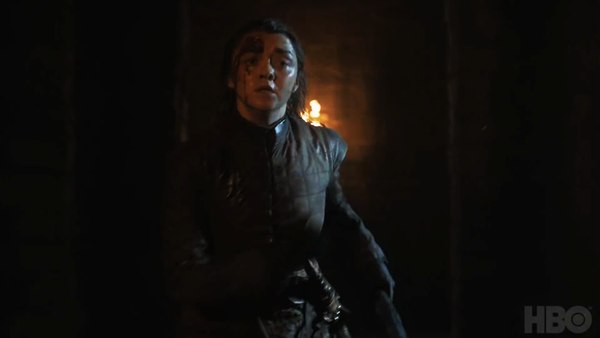
Game of Thrones has worn almost as many hats as George R.R. Martin over the years: it's been a political saga, a family drama, a big old war epic, an intimate play-like experience, and so on. One of the genres it's only occasionally dipped into is horror, like with the massacre at Hardhome, and with the White Walkers and wights the focus here like then, it returns to that well.
For large chunks of this episode, this is straight-up survival horror, and it is completely terrifying. Whether it's the army of the wights, the sheer dread of the Night King, or Viserion's blue flame inching horribly close to Jon as he does his best to live, this truly captures the terror of attempting to simply survive.
It does this best, though, through Arya Stark. The episode's highlight isn't some big moment, but an incredibly quiet one. It is basically A Quiet Place 2 starring Arya Stark. It is Alien with Arya as Ripley. As she silently attempts to avoid the wights, you can only hold your breath, hands over your eyes and peeking through your fingers.
2. It Will Give You About Seven Heart-Attacks

This episode is one hell of an experience. In fact, it's Seven Hells of an experience. It is RIDICULOUSLY intense. It's nail-biting, it's terrifying, it's thrilling; it'll have you cheering, and it'll have you in agony. And above all else, it'll give you about seven heart-attacks.
This is a completely visceral episode, and it makes you feel everything in it. Every death, every swing and slash and hack of dragonglass, every breath of dragonfire, every chase, every near miss, every death. It hurts, and you live it. Is an episode that almost kills you really a good thing? Weirdly, yes.
1. Miguel F**king Sapochnik
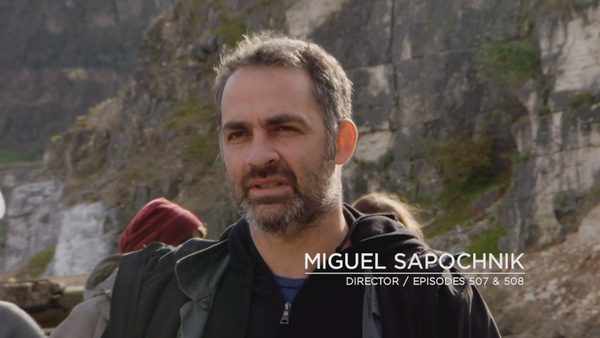
Miguel Sapochnik is Game of Thrones' best director. At this point, it isn't even close. He's already more or less proven that but, just incase there was any doubt, he's back after taking Season 7 off to give us a timely reminder.
Sapochnik recently revealed that he told the showrunners he could only work on Season 7 OR 8, not both, and they decided to wait until this year instead. Thank Christ they did, because it's difficult to imagine anyone else pulling this off.
Sapochnik has directed two previous battle episodes: Hardhome and Battle of the Bastards. The Long Night is the unholy union of them. It takes the sheer horror and White Walker focus of the former, and merges it with the jaw-dropping scale and suffocating action of the latter, but puts both on steroids. To direct this level of action, with so many people, and yet also tell a story driven by characters, that's so full of emotion? How on earth do you even begin to pull that off? I guess that's a question for him.
Downs...
2. A Lot Of It Is Too Dark (Also, Ghost)
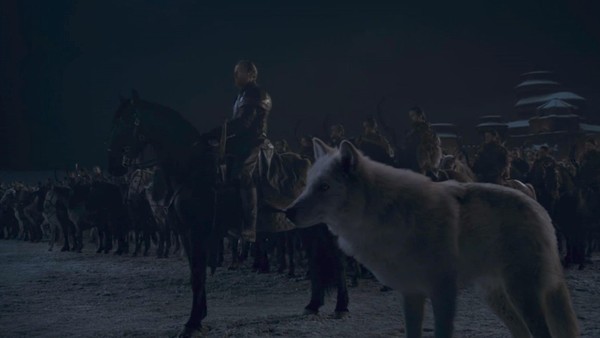
While the direction is stunning, and the action incredibly well choreographed and shot, there is something of a lighting problem, and it's not one unfamiliar to Season 8: a lot of it is simply too dark.
Yes, they're fighting at night, and yes, they need the darkness for the payoff when Melisandre lights the trenches and all of those other arguments about it. But the fact remains that there are times in this episode when it's very difficult to make out what's going on, which is a recurring issue this season. Maybe it depends on what you watch it on, but when so many people are clearly having the same issue, that's also a fault with the production team too, and a shame when the rest of the crew are doing some god-level work.
Another quibble to mention here - which would be much worse if not for the episode 4 trailer - because it's relatively minor is the treatment of Ghost: after waiting so long to see him again, he charges into the pack of wights, and then that's it? Mercifully they didn't just off-him off-screen (though it would've been very on brand), but it shouldn't take a trailer to tell us that when the scene in question happens so early in the episode.
1. It's Too Soon

And so, that's it. The Night King, the White Walkers, the ENTIRE army of the dead are gone. Just like that.
Part of the issue with this is to have two truncated final seasons. While Season 8 has already been a major improvement, some of the flaws of Season 7 have still hindered it, not least how quickly they're blowing through so much story. But even within the context of a six-episode season, this feels overly sudden.
From the very beginning, we've been reminded that the White Walkers are the real threat. Yes, the political machinations have driven the show, but it's always been against the backdrop of that threat slowly making its way south. This is a story about the futility of war; that all the petty squabbling wasn't going to matter compared to literal death.
And yet, for all of that setup, this is the first time the Night King himself has properly entered the fray. This is the first time we've had a proper battle with the dead, rather than the living being caught off-guard. And at the first time of asking, he dies? Yes, it's an awesome moment for Arya. Yes, it's a shock and it subverts expectations. But that doesn't necessarily equate to good storytelling. It's good that it'll end with the human characters - and bring Cersei into the story again at last - but there should be a way of doing that without also rushing this.
Going back to the squabbling over the Throne after facing THIS feels almost inconsequential, but it's more so that it happens after making the Night King feel inconsequential by killing him so easily and quickly, without really learning much about him at all. Why did he have three stare downs with Jon Snow without killing him? Why was he only now marching south anyway? Why exactly is he impervious to dragonfire? These questions won't be answered by the show. The White Walkers marched because the plot demanded it. They've died so they can change what that plot is. The show built them up to be the major villains, and the Night King most of all. You don't write those aforementioned showdowns if they're going to mean nothing. And yet, here we are. Coming into this season, it felt imperative that the show got the White Walkers right: that they needed to do more, show more, be more. The ending to this episode is undeniably shocking. It's even really cool (no pun intended). But it's also an anticlimax to the story between the living and the dead.
What did you think of The Long Night? Let us know down in the comments.