10 Most British Doctor Who Moments
Is there anything more British than a Dalek offering you a cup of tea?
The TARDIS can travel anywhere in time and space. But it has a tendency to keep coming back to Earth. Or more specifically, Britain.
Likewise, despite hailing from Gallifrey, the Doctor is a quintessentially British character.
The original Doctor reimagined the archetype of the Victorian traveller for the 1960s – an age in which technology was developing rapidly, space travel was becoming possible, and Britain was navigating its place in a post-war, post-imperial world.
With each subsequent incarnation the character has evolved to reflect current British ideas and concerns, to the point where they are now as embedded in our culture as Sherlock Holmes or Robin Hood.
And along the way, various elements of British culture have worked their way into Doctor Who.
Ok, the Doctor doesn’t recite “God Save the King” every five minutes while drinking tea, eating scones and riding a red double-decker bus. But there are quite a few things about the show which, when you stop and think about it, are quite specific to the British Isles.
From iconography and stereotypes to past and present cultural references, Britishness runs deeper in Doctor Who than you might think…
10. Quaint British Villages

With their natural character and old-fashioned charm, small British villages have offered escapism to television audiences for decades, most commonly in the cosy crime genre.
These are the types of places you can see for half a second and instantly know that they're located somewhere in the British countryside, and they've appeared quite a lot in Doctor Who over the decades – clearly, aliens love their old-fashioned sweet shops and pubs just as much as we do.
Perhaps most famously is the 1971 serial The Daemons, which involved strange goings-on in the picturesque village of Devil’s End, featuring scenes of Morris dancing on the green, the Doctor and Jo in the local pub, and the Master posing as a vicar.
The most iconic new series village would have to be Leadworth, as introduced in The Eleventh Hour. It’s another one that plays up to all the stereotypes, boasting a perfect village green, a duck pond, an ice cream van, red phone boxes, a quirky old resident played by Annette Crosbie, and the crushing realisation that you're at least 30 minutes away from any sort of modern civilisation.
In fact the only unrealistic thing about Leadworth is that Amy and the Doctor manage to get good phone signal... in reality trying to make a call from one of these places is the equivalent of being stuck on the Moon with a plastic cup and some string.
9. Iconic Historical Figures

Fittingly for a show that is itself an integral part of British history, Doctor Who has delved into its homeland's past countless times.
These adventures have taken place across multiple eras and involved encounters with a number of "celebrity" historical figures, many of them writers – including William Shakespeare, Gothic icon Mary Shelley, Victorian authors H. G. Wells and Charles Dickens, and the Queen of Crime Agatha Christie.
And surprise surprise, it turns out that "them aliens" have been the inspiration for many renowned works of fiction, such as the Gelth informing Dickens’ later ghost stories, the Carrionites inspiring the witches in Macbeth, and the Lone Cyberman influencing Frankenstein.
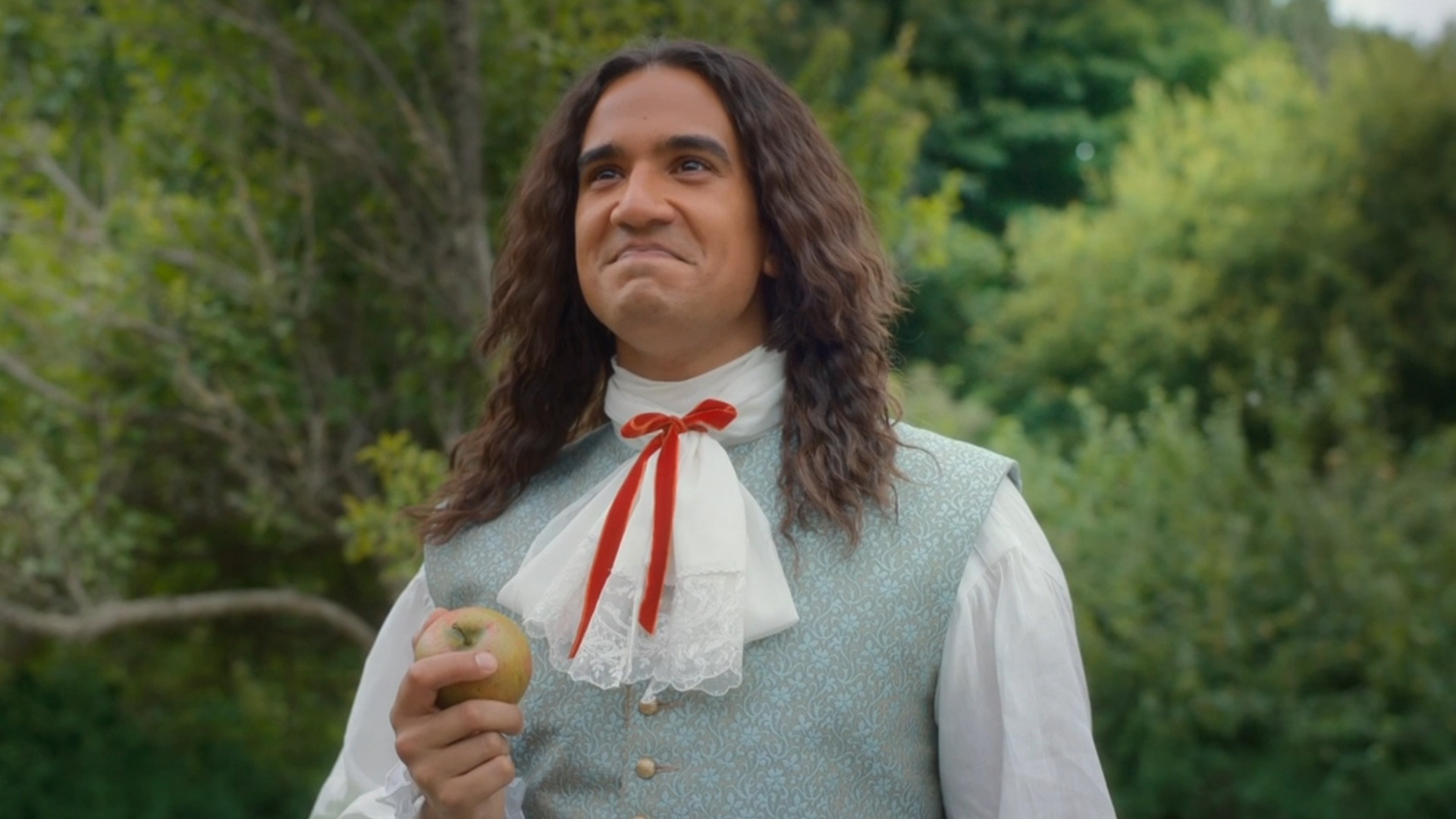
Another popular category is inventors, with railway engineer George Stephenson saving the Sixth Doctor during an encounter with the Rani, and Isaac Newton discovering mavity after an encounter with the TARDIS.
Considering that Doctor Who's original remit was primarily to educate, adventures like these have always been at the heart of the show.
Not that they're as good as documentaries or anything, but there are undoubtedly kids out there who've learned a thing or two about history by experiencing the Doctor's trips to the past!
8. Everyone Craves Chips
It's basically law that at least once a fortnight, the people of Britain must exclaim, "I really fancy fish and chips tonight, haven't had them in ages."
The people of the Whoniverse clearly feel the same, especially in that first RTD era. Captain Jack longs for fish and chips when imprisoned on the Valiant, Donna offers to get them with the last of her wages in Turn Left, and later on Clara recalls eating them with her mum after getting lost on Blackpool beach.
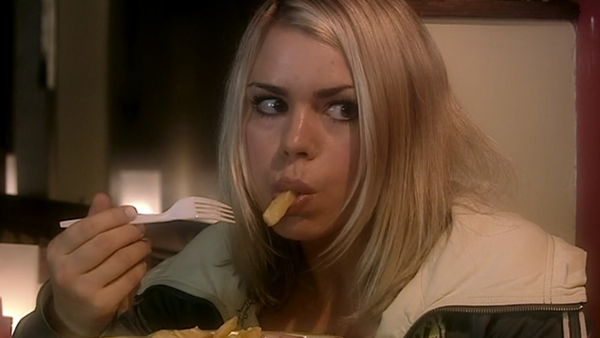
It's one of those warm comforting treats that reminds people of seaside trips with their grandparents as a kid, or popping into the chippy on the way home from school for a butty with some scraps. In a way it's a dish that defines the nation – you only need look so far as Rose's constant desire for chips, and even the fact that they were a major plot point in School Reunion, to see their importance.
Chips even formed a part of Bill's character in Series 10, and proved so tempting that the Eleventh Doctor tried to lure Amy and Rory away with them at the start of The Rebel Flesh, so he could go off and do some solo investigating.
An honourable mention to some of the Doctor's other favourite foods too, including jelly babies, jammy dodgers and custard creams. Hope he packed his toothbrush when he ran away from Gallifrey...
7. British Pop-Culture References
Though the Doctor Who universe is different from our own in many ways, it still has loads of the same pop-culture touchstones.
Over the years the show has featured specially-shot segments of other television programmes (usually those owned by the BBC) starring real-world actors and presenters.
In the early years of NuWho we had children's educational show Blue Peter showing viewers how to make a Slitheen spaceship-inspired cake, soap opera icon Peggy Mitchell coming face to face with a "ghost", and Alan Sugar firing someone for failing to sell Shakri cubes on The Apprentice.
More recently we’ve had cameos from presenters such as Emily Maitlis, Amol Rajan and Davina McCall, all playing versions of themselves.
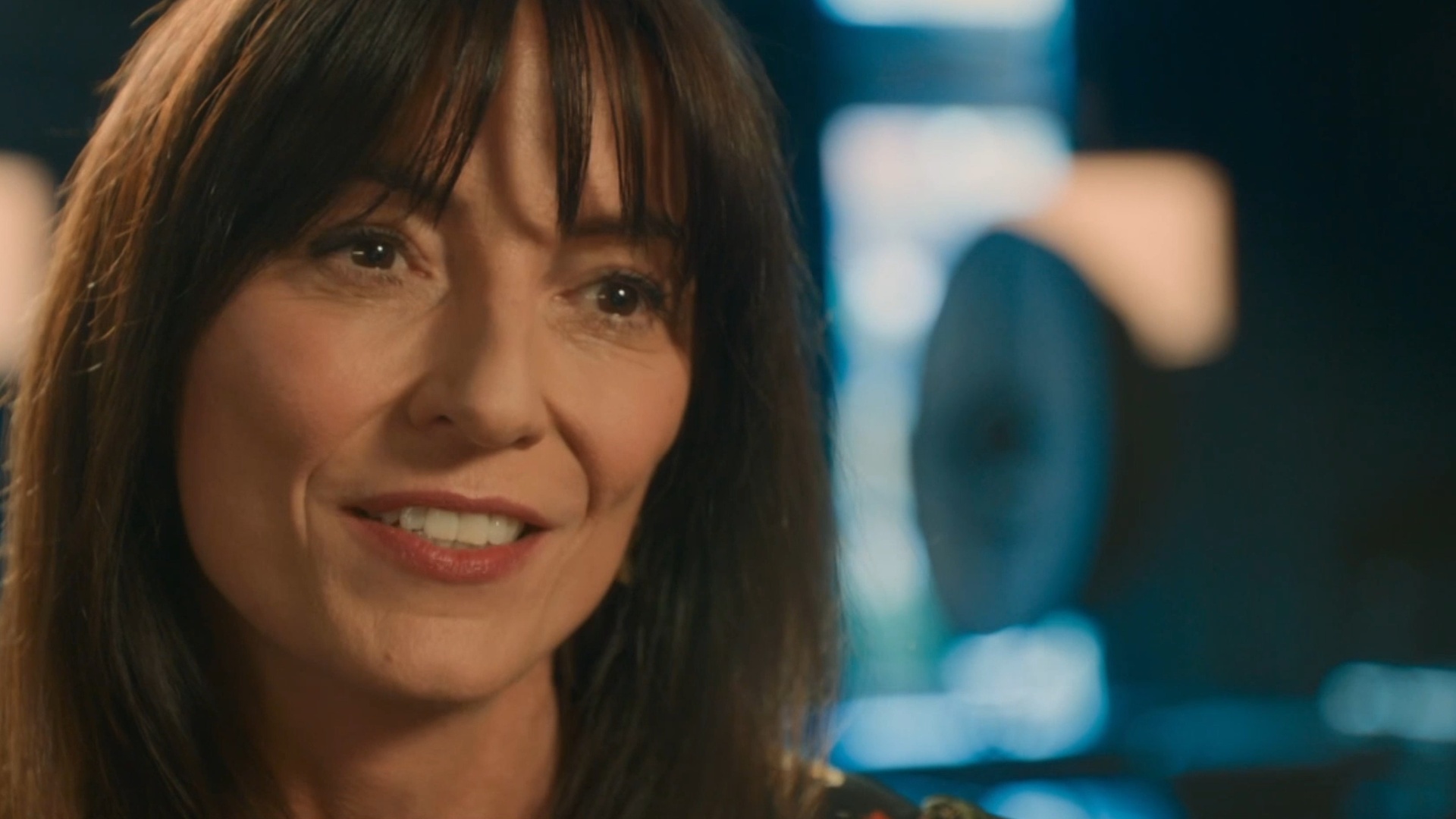
These moments became a staple of the show during RTD's grounded and relatable revival, intended to give that bit more credibility to the Whoniverse by making it feel like it takes place in our world.
And if the aim was to make the people of Britain do that Leonardo DiCaprio pointing meme, then they succeeded in that too.
There are also those less-obvious references, like Graham revealing that he’s seen every episode of Call the Midwife, or the Thirteenth Doctor revealing herself as a Great British Bake-Off fan by giving Joseph Williamson a Hollywood handshake.
What next? A cameo from Louis Theroux? The Doctor becoming the new host of Strictly?! Stranger things have happened.
6. The Weather Is Always Terrible

Anyone who lives in the UK knows that good weather is a rarity, even in the spring and summer months. Even when it's blue skies and cracking flags, there's always that little voice in the back of your mind going, "You'd better take a coat, just in case."
This is something Doctor Who has always acknowledged... sometimes by choice, sometimes not.
Bad weather is such a British normality that it's been featured as a plot point at times, like the Judoon’s H₂O scoop in Smith and Jones, the "same rain" in Blink, and the clouds of Cyber-pollen in Death in Heaven. On a similar theme, there’s the joke about Amy being “dressed for Rio” in The Hungry Earth… and therefore totally unprepared for rural Wales.
Bad weather has made it into the show unintentionally too, such is its inevitability – for instance the Doctor and Martha’s reunion at the end of The Family of Blood, when you can literally hear the rain falling. Torrential rain also forced Steven Moffat to relocate certain scenes in The Time of Angels from the Byzantium crash site to the warmth and dryness of the TARDIS console room.
Rule one: the weather forecast lies.
Basically, that image of the Tenth Doctor looking all sad in the rain is how the average Brit feels at most points during the year.
5. Iconic British Landmarks

In 1964 Doctor Who conducted its first major location shoot, venturing onto the streets of London to capture material for The Dalek Invasion of Earth.
Ever since, iconic landmarks (particularly those in the UK capital) have been central to the show’s visual identity, adding scope to invasion stories and making everything seem that little bit more real.
More often than not this has involved transplanting iconic enemies into recognisable locations, thus bringing the horror home for viewers. We’ve had Daleks crossing Westminster Bridge, Yetis patrolling the tunnels of the London Underground, Slitheen in Downing Street, and Cybermen marching down the steps near St Paul’s Cathedral (twice).
Elsewhere iconic parts of London’s skyline have been home to some of the Whoniverse’s most powerful alien entities, including the Nestene Consciousness (the London Eye) and the Great Intelligence (the Shard). UNIT has also had headquarters in the city, most notably in the Tower of London, but most recently with that huge glistening skyscraper which, in the Whoniverse, has become a landmark in its own right.
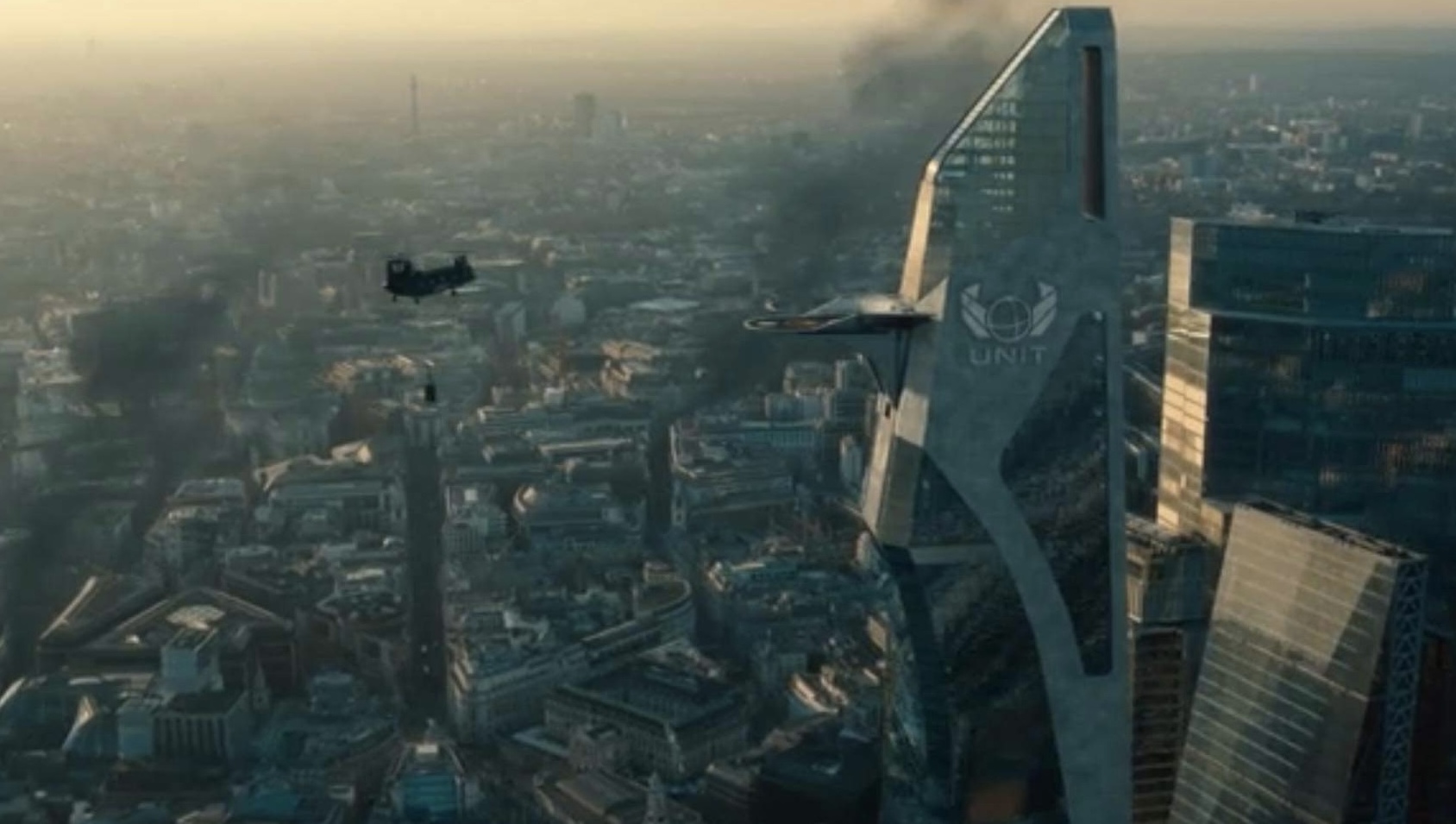
The rest of the UK has got in on the landmark action too, from Stonehenge, to Gloucester Cathedral, to Cardiff Bay.
It's only fitting that a show filmed in the UK and that often has episodes set in the UK should show off some of its most interesting locations!
4. Rubbish Reality TV
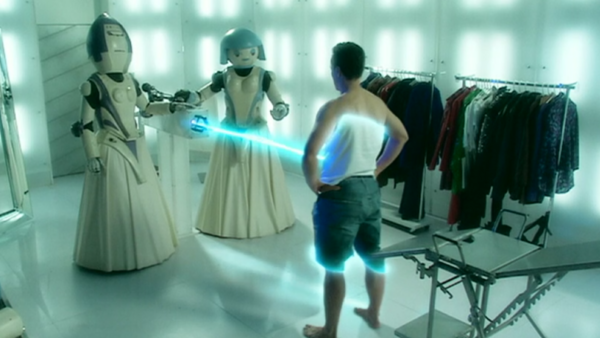
2005 finale Bad Wolf/The Parting of the Ways took Doctor Who’s obsession with British telly to another level, devoting an entire finale to futuristic, deadly versions of 2000s game shows.
Three of these were shown, with the hosts replaced by android versions, all voiced by their real-life counterparts.
First up was a spin on Big Brother – the show in which a group of strangers must live together under constant surveillance, with players “evicted” until there’s just one left. Host Davina McCall became the Davina Droid, with banished players blasted by a “disintegrator" beam (which actually transported them to Dalek saucers).
There was also a version of The Weakest Link – the show in which players must work together to answer a string of questions and bank money, while voting out the weakest contestant in each round. Host Anne Robinson became the Anne Droid, with another “disintegrator beam" emanating from her mouth.
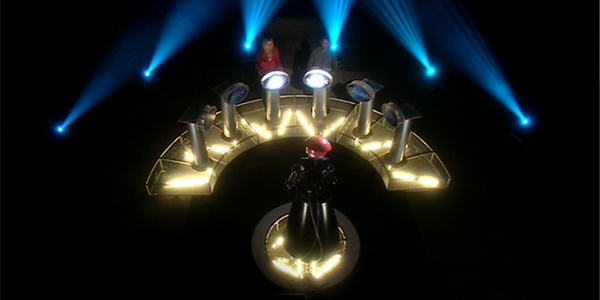
Fashion show What Not to Wear was the last to be parodied, with original hosts Trinny Woodall and Susannah Constantine reimagined as the robotic Trine-E and Zu-Zana.
It’s a proper time capsule of 2005 telly. Shows of this ilk (and especially the trio included in Bad Wolf) were immensely popular throughout the 2000s, despite many people also acknowledging that they were essentially junk food!
On the downside the inclusion of these parodies does mean that the episode hasn't exactly aged gracefully, with the shows in question having long since stopped being prominent features in the TV guide. But it's certainly fun to look back on.
3. Royal Cameos

The Royal Family are a big part of Britain’s cultural identity. It's also impossible to enter a gift shop in England without spotting royal faces plasted over mugs and keyrings. And they’ve also played a bit part in Doctor Who to boot.
Most significantly, Queen Elizabeth II had a whole story devoted to her coronation. She also cropped up twice in the show: in the background of Silver Nemesis, when the Seventh Doctor and Ace pay a visit to Windsor Castle, and in Voyage of the Damned, to thank the Tenth Doctor for steering the Titanic away from Buckingham Palace.
Interestingly, Buckingham Palace was meant to be cleaved in half in earlier drafts of the story, but this was changed to the more light-hearted scene in the final episode.
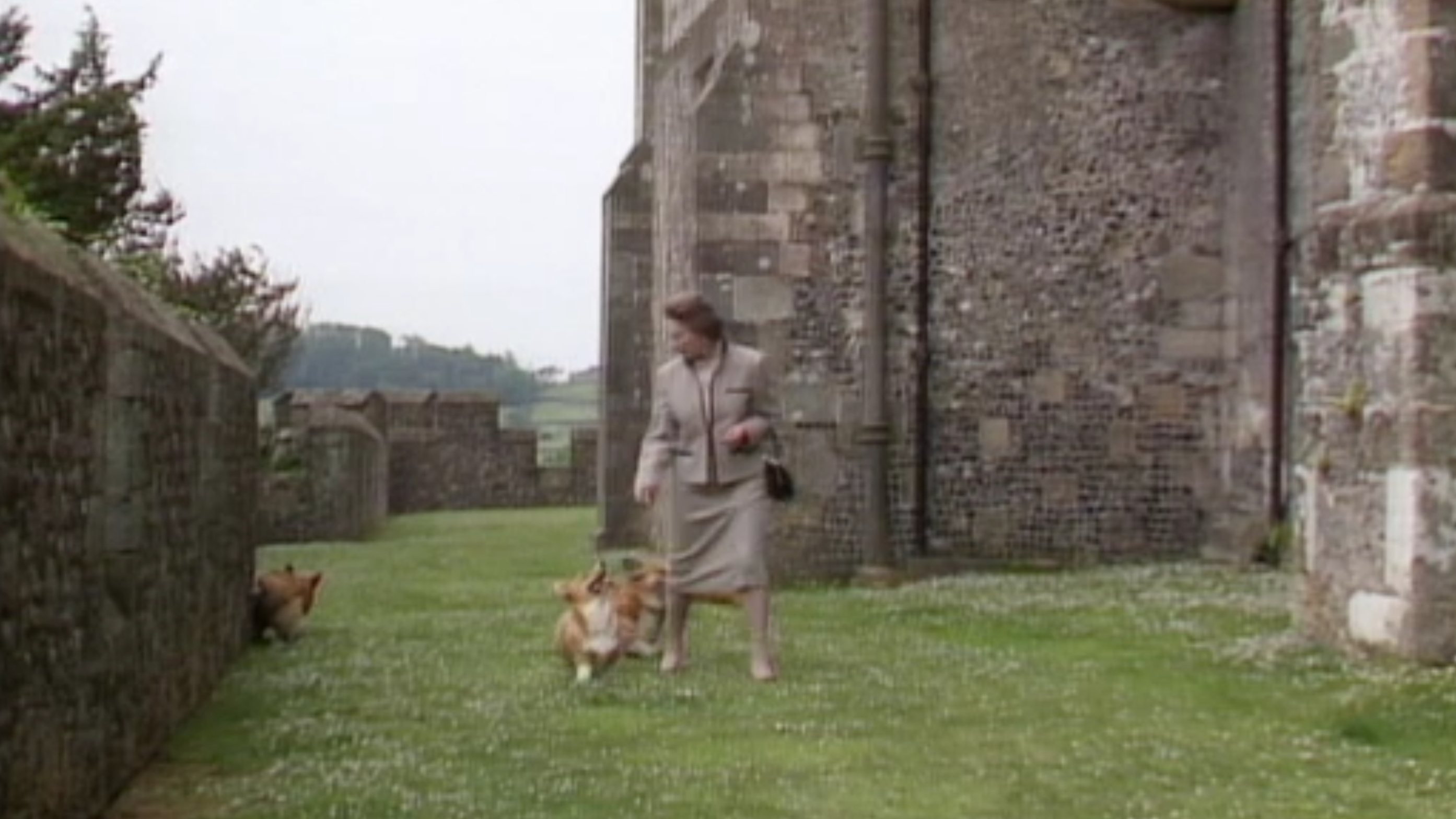
On both occasions the Queen was played by impressionists, though cameos have been offered to her sons Prince Edward and Prince (now King) Charles over the years.
What’s more, it's rumoured that the real Queen Elizabeth was a Doctor Who fan, requesting DVDs of each new series to watch during her annual stay at Balmoral Castle. Reportedly her favourite Doctor was Christopher Eccleston – and, like so many of us, she was "hugely disappointed" when he left.
Additionally, many previous monarchs have featured in historical storylines – the Tenth Doctor crossing paths with Queen Victoria and marrying Elizabeth I, the First Doctor meeting Richard the Lionheart, and the Thirteenth Doctor butting heads with James I.
2. The TARDIS

These days the image of the TARDIS is quintessentially British in its own right. So it’s easy to forget that it borrowed from another, long-forgotten piece of British design: the police box.
Of course many will know that these exact police boxes used to line the streets of Britain during the mid-20th century.
Essentially miniature police stations, they allowed officers to temporarily contain prisoners or even fill out paperwork, while also enabling members of the public to report crimes using the built-in phone. They would have been very familiar to original Doctor Who viewers in the early 1960s.
In-universe the TARDIS looks like a police box because that’s the form it took when the First Doctor and Susan arrived in 1960s London, but of course the real, creative reason was to ground the show in the everyday. It’s one thing to ask viewers to accept a bigger-on-the-inside time machine, but if you disguise that time machine as something familiar, something that you might find on a random street corner, then it becomes real.
And what of those original police boxes? Most were destroyed, but some still exist – including in Glasgow, where at least five remain! Londoners can also grab a selfie next to a police box outside Earl's Court tube station, which is a popular spot for fans and non-fans alike.
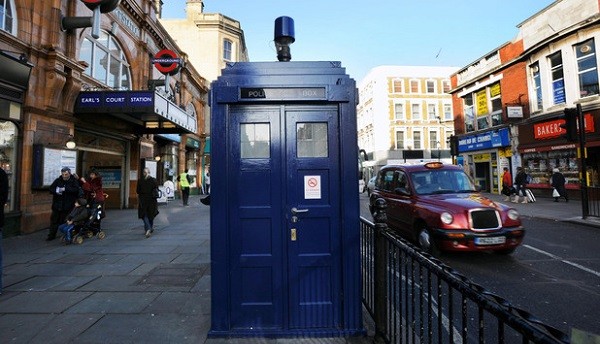
Given its roots, the TARDIS is arguably the most British thing about Doctor Who, although it never really gets looked at that way.
Probably because most people now associate the police box shape with the TARDIS more than they do its original historical function, and you can't really blame them!
1. Tea Is The Most Important Drink In The Universe

It’s estimated that 100 million cups of tea are drunk in Britain per day. Because as every Brit knows, the best way to stay calm in a crisis – and honestly just the best way to react to almost any situation life throws at you – is to have a cuppa!
Feeling poorly? Cuppa. Football team just lost? Cuppa. Excuse to leave the front room when your in-laws visit? Cuppa.
Doctor Who has demonstrated this on countless occasions. Tea has been used as an ice-breaker by characters such as Jackie Tyler, Madame Vastra, and Susan Triad in Empire of Death (who apparently makes it badly, but that’s not the point).
It’s also been used by villains, to lull their victims into a false sense of security – see Missy in Into the Dalek, "Razor" in World Enough And Time and most famously of all, the Ironside Daleks.
Tea is so powerful that it even snaps the Doctor out of his post-regenerative haze in The Christmas Invasion, and in the classic series the UNIT tea lady was the only person other than the Brigadier who was permitted to enter the Third Doctor’s lab.
It may be hot brown water to some, but to Brits tea is a sweet golden nectar that's the answer to almost everything. No wonder Cherry Sunday wouldn't stop until she'd got some.