5 Ways Steven Moffat's Doctor Who Is BETTER Than Russell T Davies' (And 3 It's Worse)
5. Better: Smarter Scripts
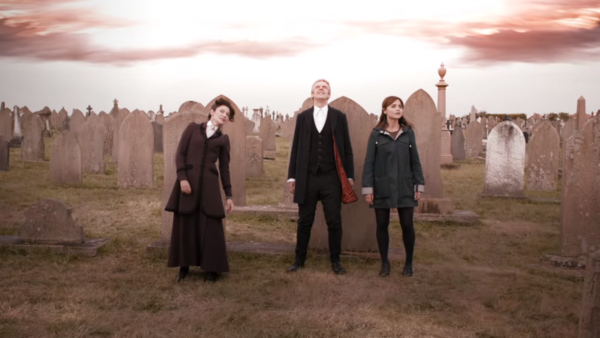
When you line up the episodes penned by Moffat against RTD's contributions, it's hard to argue which is the stronger Doctor Who scriptwriter.
Moffat has a wealth of all-time classics under his belt: The Empty Child, Blink, The Eleventh Hour, A Christmas Carol, The Day of the Doctor, Heaven Sent, and World Enough and Time/The Doctor Falls, to name a few. He also wrote the best-regarded episodes of RTD's original run.
RTD is no slouch when he puts his mind to it – see Midnight, Turn Left, and a co-write on The Waters of Mars – but on the whole, his ratio of middling episodes is considerably higher.
Moffat is a concepts man. He often comes up with a fairly simple but unique base for an episode and extrapolates from there. He weaponises familiar concepts like statues and shadows, and challenges characters by taking away things they're often reliant on: their memory, their ability to breathe or move, and their sight. He understands that the best monsters aren't steeped in lore, but rather have a single, easy to understand and terrifying premise. He seems to hold a higher opinion of his audience than Davies' scripts do.
Moffat's era tended to take a more unorthodox approach to its stories too, with more mature themes and bigger questions asked of its characters. Compare Doomsday and Death in Heaven – Doomsday spends half its time having Cybermen and Daleks zap each other and then presses a magic button to suck them all into the void. Death in Heaven flips the plot on its head, avoids flashy action sequences entirely, and focuses instead on themes of grief, guilt, and military PTSD.
Moffat's writing understood that the thrill of tension is in the anticipation and not the reveal. His scripts are tighter, more organic, and iffy sex comedy not withstanding, tend to be far wittier, which counts for quite a lot in Doctor Who.