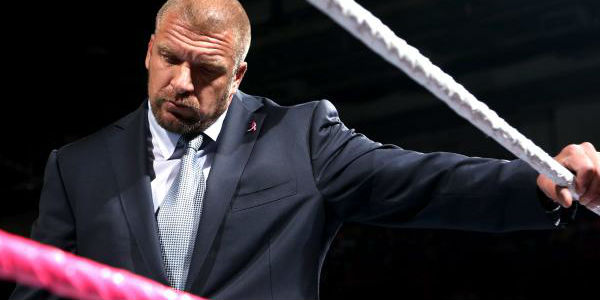
As the years pass, WWE has moved further and further away from the ideals that allowed them to overtake World Championship Wrestling and become the number one wrestling promotion in North America. In the late 1990s, the then-WWF featured a treasure trove of young talent, creative storylines, edgy content, and a solid locker room with a team mentality. World Championship Wrestling was the large, corporate enemy while the WWF was the underdog. While WCW overpaid for veterans, WWE built their own stars from former jobbers like Mick Foley, Steve Austin, and Triple H. The change of pace ushered in a tremendous change in the wrestling business. WWE became a part of pop culture and wrestlers became well-known celebrities. Soon, WWE was breaking attendance records, being traded on Wall Street, and selling so much merchandise that it made millionaires out of their performers. But, as the old saying goes, those who do not learn from the past are doomed to repeat it. Since 2000, WWE has made a number of mistakes that closely resemble the mistakes their former rival, WCW, made during its final years. The result has not been pretty. At its peak, Raw drew over an 8.0 rating. Nowadays, WWE is happy when it ranks somewhere in the middle of the threes. That presents one simple fact: More people used to watch wrestling than watch wrestling today. How can WWE fix its product and get back on track? They can start by learning these ten simple rules...