10 Ways The WWE Network Has Changed Since It Launched
Evolution is a mystery, full of change that EVERYONE sees...

Cast your minds back to Vince McMahon standing atop WWE HQ with a beaming smile as he unfurled that "$9.99" flag in 2014.
McMahon's confidence was unerring, as it often is, but even he must have been trepidatious about the future of his company. After all, launching the WWE Network threatened to cut out the pay-per-view revenue the company was built on since the mid-'80s. This was a bold, bold step for McMahon and his empire.
That was four years ago, and the Network is still going strong. WWE's own financial reports for 2017 revealed the service had grossed $197.9 million in revenue, a number significantly higher than 2016's $180.9 million figure. It's also expected that the subscriber count will rise again during WrestleMania season this year.
Things weren't always so smooth though. WWE's Network has gone through numerous changes since bounding onto the scene in February of 2014, and it's really quite startling to look back at how WWE themselves have learned about, honed and evolved the service since...
10. Scrapping That Initial Six-Month Sign Up
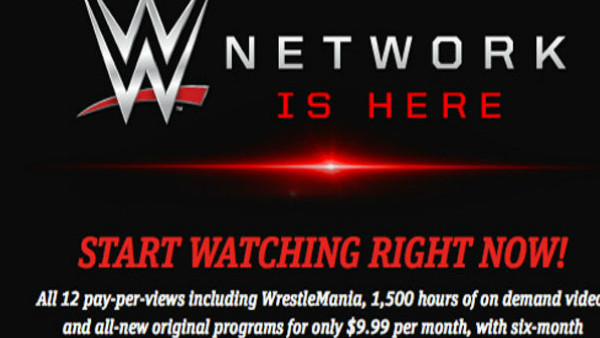
Newer subscribers have it easy compared to those who signed up for the Network when it launched four years ago. Back then, WWE didn't fancy fans dipping a toe into their brand spanking new model only to back out, so they implemented a mandatory six-month commitment period with every subscription.
It didn't take long for that to change.
In actuality, there was nothing to stop customers from cancelling their subscription via PayPal or their own bank branch. WWE's website was a little different; there, a block was put on cancellations within that six-month window. The company must have been hoping people would be put off by this and keep paying even if they weren't interested.
For a service so essential to hardcore WWE fans now, it's fascinating to see that the company were once afraid of losing customers early. To their credit, they decided to go in a much friendlier direction shortly after launch...
9. Free Trials Galore

It's almost impossible to watch any WWE television show now without being offered a free trial on the WWE Network. Michael Cole has become adept at shilling the great value fans can expect should they sign up, and even WrestleMania has been used as a dangling carrot to tempt customers in the door.
Free trials are the norm with the Network now and replaced the original six-month commitment plan, probably because WWE realised people didn't want to feel locked in. Entertainment has changed, and so has the way folks consume it. Today, people can pick and choose programming at their leisure.
That was something WWE had to be mindful of.
Every fresh customer receives a month-long trial of the Network as standard. WWE hope that, by offering this package, they'll be able to snare lapsed fans who want to check out the Royal Rumble or 'Mania and keep them coming back.
8. Worldwide Launches
The United States got the Network in February 2014, but fans in the United Kingdom, Ireland and Italy had to wait almost a full year (January 2015) before throwing themselves headfirst into WWE's almost-endless library of content.
If that seems bad, then spare a thought for people in Germany, Austria and Switzerland. They, along with Japan, didn't get it until January 2016. Mainland China followed as the latest major market in August 2017.
WWE didn't exactly roll out the Network. Instead, the company decided to use their home base in the US as a test market and take things from there. It's hard to criticise that decision, even if it was torturous for others worldwide to tangle with clumsy IP-changing apps if they wanted it sooner.
Today, the Network is available in well over 220 countries, so there's no need for anyone to dupe the system with VPN software. Thank God for that.
7. Addition Of The Collections Tab
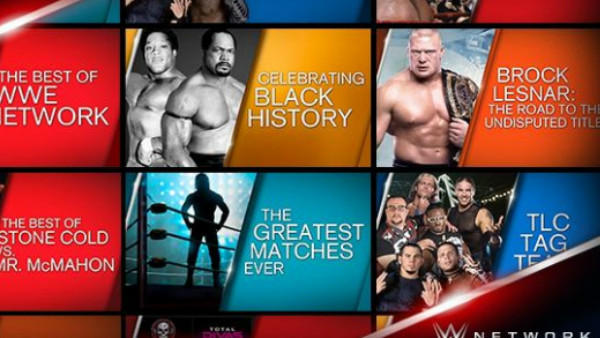
In essence, the pay-per-view tab on the Network offers up collections of all WWE/WCW/ECW pay-per-views. That hasn't stopped WWE from adding a proper Collections area on the service that makes it easy for fans to check out why AJ Styles is one of the greatest wrestlers on the planet or chart the history of Austin vs. McMahon.
Naturally, WWE are limited to the footage they own, meaning you're not going to see AJ winning the TNA Title or working early matches for Ring Of Honor. That's fine, because the main appeal of these compilations lies in their convenience anyway. Who doesn't want to sit and watch The Rock's finest promos and matches without flicking through different shows, for example?
Collections were added starting February 2016, and WWE have steadily been adding more ever since. At first, they were routine series like "The Best Of WWE Network" or "Greatest Matches Ever", but they've grown to include in-depth looks at stars as varied as Asuka, Bobby Heenan and Dusty Rhodes.
6. On/Off Interest In Shorter Programming For Mobile Use

Approximately one year after the Network's launch, Variety posted an article with comments from WWE higher-ups like Michelle Wilson (Chief Revenue and Marketing Officer). Her words were interesting, and mainly focused on detailing what WWE had learned since launching the service.
When asked about the future of delivering content via the Network, she also said that, "short form content will play a larger role. I don’t think we would have known that going into this." Wilson meant that WWE would take steps to appease the growing smartphone and tablet markets by offering shorter shows.
That hasn't really happened.
It is something WWE have dabbled with (Superstar Ink, for example), but YouTube has largely become the place for those 'quick fix' bursts of content. Bite-sized shows on the Network like The WWE List, First Look and WWE Countdown are often still on the lengthier side.
5. The Reality TV Push
Finding out what customers want to watch on the Network has been one of WWE's biggest challenges over the past four years. When it became clear that simply offering monthly pay-per-views for a (much) lower price point than before and granting access to every major supershow in history wasn't enough, WWE began to experiment with reality TV.
Original shows were always in the pipe line. Earlier ones, such as the Monday Night Wars series, were shot in a documentary style however; WWE have come back to this format by producing excellent programming like WWE 24 and the 365 special on Kevin Owens.
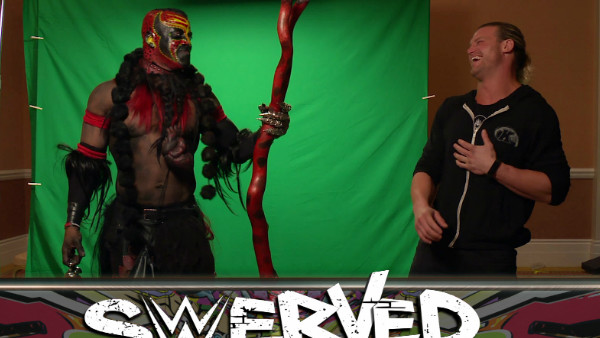
In between, they've focused on light-hearted content like Swerved (inspired by MTV's Punk'd), Ride Along and even cartoons like Camp WWE or Story Time. That push for reality in Swerved, Table For 3 and Ride Along has subsided a little over the past year.
We can't imagine why Dolph Ziggler forcing laughter after being pranked by The Boogeyman didn't catch on.
4. The Start/Stop Network Specials

To date, WWE have produced a King Of The Ring reboot (the less said about that, the better), a one-off Japanese house show, another live event from Madison Square Garden, the Roadblock special in 2016 and tournaments like the Cruiserweight Classic, Mae Young Classic and one for the United Kingdom Title as Network exclusives since launch.
Beast In The East and the UK Title shindig in particular stand out as must-see programming. Better yet, they do so for different reasons. The Tokyo show looked different to anything else WWE produce, and the United Kingdom shows in Blackpool featured some of the best wrestling on the service yet.
It's confusing why WWE haven't done more of this sort of thing. The on demand nature of the Network makes it perfect for one-off specials regardless of time differences, tape delay or anything like that.
When Beast In The East aired, it seemed WWE had finally found a unique selling point for the Network. It's one they need to capitalise on.
3. The Rise Of NXT

When the Network launched in 2014, NXT was lumped in with lower-tier programming like Superstars and Main Event. Today, it stands proudly as an example of what can be achieved by scouring the globe for wrestling's best and then giving them the platform to hone their skills.
NXT is one of the Network's crown jewels in 2018. The TakeOver specials are regularly a highlight on the calendar and the weekly TV show has even taken steps towards mainstream coverage by airing on USA Network. That would not have happened had WWE not promoted the brand so heavily on their own service.
Watch content from older promotions in the Vault, like WCW, ECW, Mid-South etc, and you'll be met with occasional adverts reminding you to check out NXT "only on WWE Network". This can't be coincidental; WWE are trying to sell older fans (who only use the Network for shows from yesteryear) on the current product.
In 2018, NXT is a much bigger deal than it was in 2014, and that's because WWE have realised how valuable it is.
2. The Promotion's Own Outlook On Traditional Wrestling

As aforementioned, WWE's early belief that monthly pay-per-views and a vast event library would be enough to lock customers in for good changed after the Network launched. Suddenly, the company realised they needed more and more to keep people coming back.
One thing they didn't count on was that old-school wrestling would be a major reason for the Network's success.
Current Co-President George Barrios admitted during a Q&A (at the Global TMT Conference in Las Vegas) this past January that he and other executives were shocked by how much traditional wrestling content Network subscribers were viewing. The fact that wrestling fans might want to explore the history of their hobby was apparently lost on WWE when the Network started.
Barrios was speaking after WWE had released a ton of Mid-Atlantic Championship Wrestling content to subscribers. He, and others in the board room, were dumb-founded that fans eagerly tuned into these shows rather than solely watching current stuff.
1. WWE's 24/7 Channel Focus
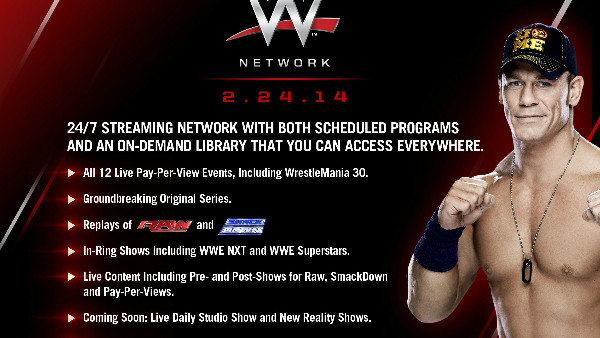
When was the last time you sat down in front of your TV/laptop, fired up the WWE Network and pressed play to watch that non-stop 24/7 channel on the app's home screen?
Scheduled programming has become alien in this generation of 'always on' entertainment. WWE have (slowly) started to grasp the idea that people want to choose when to watch content instead of having strict time slots dictated to them. For that very reason, the current channel feels a bit obsolete.
Back in 2014 though, WWE touted the on demand portions of the Network as secondary to that streaming channel. A quick look at early ads for the service shows the 24/7 idea proudly sitting atop the Network's selling points; also, those "Live Daily Studio" shows didn't come to pass either.
The Network works differently today. Now, it's the on demand content that takes precedent over the live streaming channel. Contrary to what WWE thought four years ago, most customers would rather decide when to watch old shows rather than tune in to a dedicated channel.
-
How else has the WWE Network changed since launch? Let us know your thoughts on the service down in the comments section below!