12 Misconceptions About WCW You Probably Believe
WWE is responsible for a lot of fallacy surrounding 'Where The Big Boys Play(ed)'.
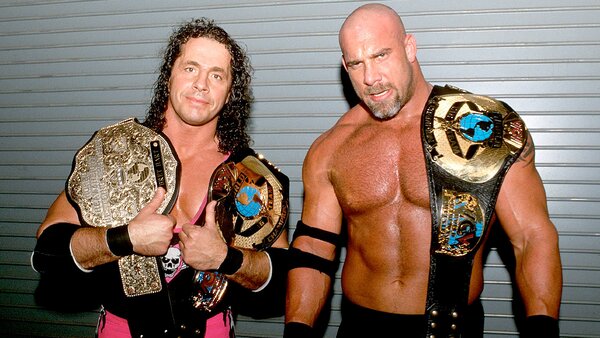
Where the big boys decayed.
That's what WWE's revisionist history wanted punters to believe long before World Championship Wrestling shut doors and became little more than an angle on WWF television in 2001. As far back as 1996, the company was taking audible, near-weekly potshots at its competition. There was one simple reason why: WCW was becoming a major player capable of muscling in on the big money, and Vince McMahon didn't like anyone threatening his vice-like grip on the North American market.
A lot has been said, written about and chucked at WCW since McMahon cherry picked the parts he wanted for relatively small sums in '01. Most of it is comedic in tone, almost like 'those dummies down in Atlanta' were one big old joke from day one. Look, laughing at WCW's worst moments is allowed, but the group also produced some of the best stuff this crazy biz has ever witnessed, and that shouldn't be forgotten either.
There are a lot of misconceptions about WCW that some people still believe to this day. That's the aim here: Deep dive into the biggest ones and examine whether or not they've got any merit. Most have some kernels of truth, but they're all like the nWo at its height - existing in shades of grey rather than as strictly right or wrong.
WWE wants you to view World Championship Wrestling as less-than. It's a promotion that tried and ultimately failed to oust them from the top for too long. Fair, but there's way more to the story than that. Time to shoot down some mistaken beliefs!
12. Early WCW Was A Realistic Wrestling Haven
First, a little balance.
There's a lot of staunch defensive grandstanding here, because the chap writing this has a ton of affection for WCW. Warts and all. However, he's not stupid enough to miss out the fact that misconceptions can work both ways. Sometimes, wrestling fans say things about the company that are meant to be polite but skim over some harsh truths. Case in point: The company's early days.
Back in 1988 following Ted Turner's soft name change (they still promoted events under the NWA banner for ease), WCW carried many of the traditional territory vibes people had come to know and love. It's often said that early WCW was everything the WWF could never be, but...that simply isn't true.
WCW in the late-80s wasn’t some love letter to traditional pro wrestling goodness and nothing else. Many point to bouts like Ric Flair vs. Ricky Steamboat from 1989’s Chi-Town Rumble and say, ‘Oh, that was a cut above what the WWF could offer in-ring’. Well, yes and no. Steamboat had worked a classic with Randy Savage at WrestleMania III a few years prior, and some of the undercard stuff on WCW shows was truly dire.
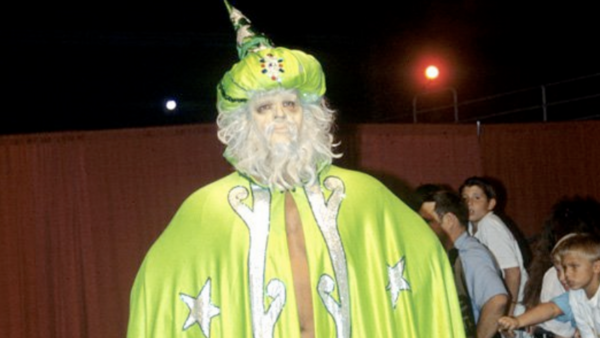
Select gimmicks, like The Ding Dongs, were as cartoony as anything McMahon produced. In fact, scratch that. They were much, much worse. Various executives misinterpreted the WWF's family friendly style, and they awkwardly squashed it right up next to the world class work put on by guys like Flair, Steamboat, Sting, Terry Funk and others.
It was jarring, and it didn't do much for love-filled thoughts that WCW was a realistic wrestling haven that avoided "sports entertainment".