6 Shocking Deaths That Changed The WWE

As professional wrestling fans, we've almost become desensitized to what is known throughout the business as "the list." WWE certainly does not want to acknowledge the startlingly long list of its then-current and former superstars who have died tragically young, and there is no real consensus from industry experts why so many wrestlers fail to reach their golden retirement years. The list of the dead and wounded comes in so fast sometimes that it's almost impossible to keep up with them all. There are even several websites devoted to nothing more than keeping a chronological list of the dead wrestlers, their ages, and their causes of death. The international news media goes crazy when a professional wrestler dies, and it is often hard to tell fact from fiction when the details begin to emerge. When a bogus report of the Undertaker's supposed passing blew up the internet early last week, many of us weren't even that surprised. In sum, there have been at least 13 major current or former WWE superstars to die before the age of 60 since January 2010 and more than 50 similar deaths since 1994. The most recent addition to the wrestling death list, as we all know by now, is The Ultimate Warrior. Without going too far into the details right now (more on him later in this article), Warrior's death was shocking only because of its extremely unfortunate timing. After headlining the WWE's 2014 Hall of Fame induction ceremony and reviving his old Warrior shtick the previous night on Monday Night RAW, James Hellwig "dropped dead" as Nancy Grace would later so tastelessly state, walking to his car with his wife Dana. Wrestling fans were once again forced to come to terms with one of their all-time greatest heroes meeting the same fate as so many before him. As we continue to process the events and circumstances surrounding Warrior's tragic death, let's take a look at the six most shocking deaths that have forever changed the WWE and the wrestling industry as a whole.

6. Andre The Giant (1946-1993)

Andre The GiantCause of death: Congestive Heart Failure - Aged 46 While Andre's death could hardly be considered a surprise (he was an ailing 7'5", 550 pound giant after all), the circumstances of his death were no less tragic. Andre died in his sleep on January 27, 1993 while attending his father's funeral in Paris, France. Many wrestling fans (myself included) remember exactly where they were when they learned of Andre's death as if they were again being told that Santa Claus wasn't real. Yes, we all knew that Andre looked terrible (watch his ghastly final WWE appearance at Summerslam '91 here), but as a bona fide larger-than-life gentle giant, it was easy to take his immortality for granted. Impact of Andre's Death Of course no one thought Andre would live out his days as the world's oldest giant; however, his sudden death stunned and deeply saddened the wrestling industry nonetheless. Andre the Giant was once the biggest box-office draw in the history of professional wrestling, and at one point, he was also the highest paid professional athlete in the world. His death at the age of 46 reminded us all of our own mortality, and he was the first big-name "Hulkamania-era" wrestler to die tragically young. WWE honored his legacy with their first ever televised 10-bell salute on the February 1, 1993 edition on Monday Night RAW, and the WWE Hall of Fame itself was created later in the year to induct Andre as its first official member. More than two decades following his death, Andre continues to have a towering influence on the world professional wrestling. At the 30th anniversary of Wrestlemania earlier this month, the 1st annual Andre the Giant Memorial Battle Royal was announced by longtime friend and Wrestlemania III opponent Hulk Hogan. WWE will undoubtedly use this annual event to give a huge push to one of its up-and-coming superstars, as we saw this year with Cesaro's jaw-droppingly spectacular Wrestlemania moment. Read Andre the Giant's official death certificate here. Spoiler alert: it's written in French.

5. Macho Man Randy Savage (1952-2011)
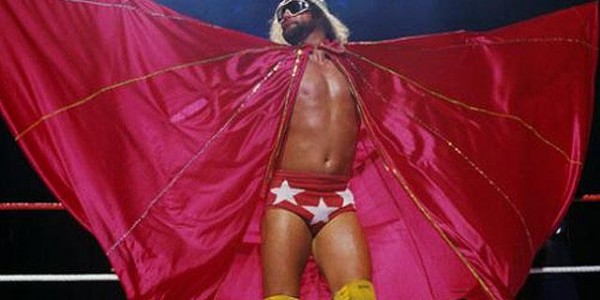
Cause of death: Heart Attack due to Atherosclerotic Heart Disease - Aged 58

News of the Ultimate Warrior€™s death on April 8 immediately reminded wrestling fans of Randy Savage€™s surprise passing nearly three years ago. Savage also died of a sudden massive heart attack with his wife by his side, and he, like the Warrior had been busy mending fences with WWE brass at the time of his death. Before his death, it was widely speculated that Savage would be inducted into the prestigious WWE Hall of Fame in his home state of Florida on March 31, 2012, the night before Wrestlemania 28. Wrestling fans mourned the loss of Randy Savage and the failed opportunity to see him rightfully enshrined beside the other all-time legends of wrestling.

Impact of Savage's Death

Savage€™s death undoubtedly forced the WWE to reevaluate the way it handled the Hall of Fame inductions of its previously blacklisted wrestlers. In the three HOF ceremonies following Macho Man€™s death, the WWE has honored long-overlooked legends like Bob Backlund, Bruno Sammartino, Jake €œThe Snake€ Roberts, Razor Ramon, and the Ultimate Warrior. Even the HOF inductions of Yokozuna in 2012 and Paul Bearer in 2014 were novel in the fact that WWE was acknowledging the careers of two superstars posthumously. I€™m confident in saying that the WWE will always regret its failure to book what would have been a highly viewed public mea culpa with the Macho Man. A wrestling hall of fame without Randy Savage is like a Dairy Queen without its signature Blizzards € #InductSavage.

Savage€™s detailed autopsy has not been made public as of this writing, but you can read the U.K. Daily Mail's account of the report here. Note that Savage suffered only minor injuries as a result of the car crash that was, at first, what reportedly killed him. Also, no illegal substances were found in his system at the time of his death despite rampant speculation.


4. The Ultimate Warrior (1959-2014)
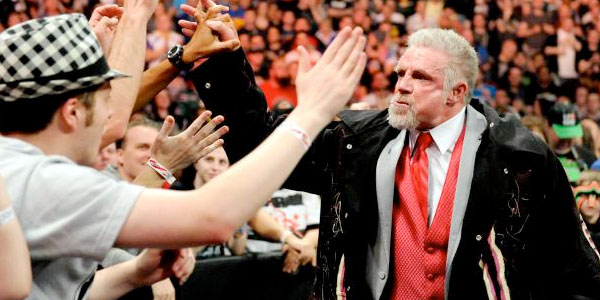
Cause of death: Heart Attack due to Atherosclerotic Cardiovascular Disease - Aged 54 It's hard to say yet how The Ultimate Warrior's death will change the WWE, but the sheer shock of his passing puts him at number three on our countdown. If Warrior's induction into the Hall of Fame on April 5 was the storybook reunion his fans dreamed about for more than a decade, his tragic death two days later was the nightmarish epitaph that no one saw coming. Let's be honest here: Warrior has been canonized in the two weeks following his death despite the WWE and many of his fellow wrestlers trying to bury him into obscurity with "the DVD" no one wants to mention. Few of us wanted to enjoy the Warrior's induction speech, but many of us did. We didn't want to mark out so hard to his Warrior antics on Monday Night RAW two nights later, but many of us did. Introducing his wife and two beautiful daughters at the HOF ceremony made the Warrior human to many of his former critics. We forgave for a moment his past unsavory comments about gays, women, and his former wrestling brethren. We even agreed with Warrior that "Self-Destruction" was a unnecessary cheap shot, and we all got to be Little Warriors for three memorable final days.

Impact of Warrior's Death

No one really knows quite yet what Warrior's final legacy will be. No single person has done so much to elevate the wrestling business to new heights and then systematically attempt to destroy it. This is clear though; Warrior's death was a tragedy for those fans who never stopped believing in him and for his two young daughters whom he clearly cherished. If Randy Savage's death in 2011 forced the WWE to reevaluate how it handled the HOF inductions of its previously blacklisted superstars, Warrior's death earlier this month might cause them to rethink their newly softened approach. WWE did an excellent job in turning this tragedy into a story about honoring the life and career of James Hellwig, but make no mistake about it: Vince McMahon and his very wealthy stockholders loathe the media attention that inevitably swirls around them following the unexpected or untimely death of anyone even remotely associated with their product. It wouldn't be too surprising to see a much safer and healthier Hall of Fame Class of 2015. Watch Warrior's seemingly prophetic final appearance on Monday Night Raw here. Details of his death, including reports from his preliminary autopsy findings can be found here.

3. Eddie Guerrero (1967-2005)

Cause of death: Heart Failure due to Atherosclerotic Cardiovascular Disease - Aged 38 There's no denying the fact that Eddie Guerrero was one of the most gifted technical wrestlers in the history of professional wrestling. He was also one of the most charismatic and universally respected performers in the ring and in the WWE locker room. Taking nothing away from his in-ring accomplishments, Guerrero's unexpected death at the age of 38 was likely precipitated by a lifetime of anabolic steroid abuse. Standing just 5'8" tall, Guerrero's 230 pound muscular frame at the time of his death was eerily reminiscent of the heavily roided bodies of the Dynamite Kid and longtime friend Chris Benoit. Though the official autopsy report refused to speculate that steroid abuse contributed to Guerrero's death, Sports Illustrated published a story in 2007 that detailed Guerrero's alleged continued purchase of anabolic steroids just months before his death. Impact of Guerrero's Death Eddie's passing had an immediately positive but ultimately horrific impact on professional wrestling. The good: WWE honored the life of Eddie Guerrero with an extremely rare 10-bell salute on the Monday Night RAW following his death. He was also posthumously inducted into the Hall of Fame just 4 months later by his nephew Chavo Guerrero. WWE also instituted a real talent wellness policy as a result of Guerrero's death that many experts agree is among the most stringent performance-enhancing drug policies in all of professional sports. The horrific: Though it is merely speculative, many family members and friends of Chris Benoit believe that the death of Eddie Guerrero played a huge role in Benoit's double-murder/suicide just 19 months later. Benoit was clearly distraught by the loss of his best friend in the business, and he kept an ominous diary-like collection of letters written to the deceased Guerrero. In one of the most disturbingly prophetic entries, Benoit wrote, "I will be with you soon." These letters to Eddie would be cited by many as early warning signs of the psychosis that would eventually consume Chris Benoit.

2. Chris Benoit (1967-2007)

Chris BenoitCause of death: Suicide by Hanging - Aged 40 It will be hard to argue with anyone who inevitably contends that Chris Benoit's disturbing double murder/suicide should be at the top of this particular list. In defense of this top-five countdown, however, Chris Benoit should never be number one on any list related to professional wrestling. His life and career ended in the most horrific manner possible, and his name has been rightfully deleted from the wrestling history books. Lots of experts have spent time arguing what caused Chris Benoit to strangle his estranged wife Nancy and seven-year old son Daniel before hanging himself from a piece of his own exercise equipment. Was it so-called roid rage associated with decades of steroid abuse? Probably not. Was it severe brain damage associated with years of untreated concussions that he suffered in the ring? Maybe.

Impact of Benoit's Death

We will never know why Chris Benoit did what he did, but every wrestler alive today knows the consequences of committing such a heinous act. Your name will erased from the minds of wrestling fans around the world, and the legacy you worked so hard to create will be rendered meaningless. If this somewhat harsh reality deters even one other wrestler from carrying out a similar final act, then Chris Benoit's pathetic and cowardly end will have served some useful purpose. For the sake of informational purposes only and not to draw any attention to his crimes, the link to Chris Benoit's official autopsy report can be accessed here.

1. Owen Hart (1965-1999)

Cause of death: Internal Bleeding due to Blunt Force Trauma - Aged 34 Comparing and contrasting the lives and deaths of Chris Benoit and Owen Hart is like comparing the fatal gunshot wounds of John F. Kennedy and Lee Harvey Oswald. Owen Hart was one of the most beloved superstars in the history of professional wrestling. Fans cheered wildly for him when he was good and loved to hate him when he was bad. He was also one of the most widely respected professional wrestlers among his peers in the locker room. To this day, I still have never heard anyone say a single bad thing about "The Rocket" Owen Hart. The details of Owen's tragic death are well known. While performing an ill-advised stunt where he would repel into the ring from the rafters of the Kemper Arena in Kansas City, Missouri, Owen fell nearly 80 feet to his death, reportedly landing on the top rope or turnbuckle. Attempts to revive him in the ring and later at the nearby Truman Medical Center were unsuccessful, and the professional wrestling community was forced to mourn the needless death of one of the all-time good guys. Impact of Owen's Death In her book "Broken Harts," Owen's widow Martha claims that a mere $68 piece of faulty equipment "was all it took to bring the remarkable life of Owen Hart to a screeching halt." The WWE quickly and wisely settled a wrongful death lawsuit with Martha Hart for an estimated $18 million USD less than a year after the tragedy. Owen's death sent shock-waves throughout the WWE, and many safety improvements were put into place because of this tragedy. Wrestlers are safer today both in and out of the ring because of Owen Hart, perhaps his one final act of heroism for the business he regrettably died for. Watch Jim Ross break the news to the live Over the Edge Pay-Per-View audience here.

Contributor

Past Contributor hasn't written a bio just yet, but if they had... it would appear here.