Another 10 Superstars Who Had Better Careers Outside WWE

All in all, these wrestlers should’ve stayed away from the WWE completely.

It is very hard for a wrestler to know where they will be five or ten years after they start wrestling. If we turned the clock back to 2004, who would€™ve guessed that CM Punk would have the longest WWE title reign in 25 years? Or that Daniel Bryan would win the WWE World Heavyweight Championship at WrestleMania 30? For some people, getting into the WWE and winning their World Title is the biggest dream (and payday) possible. Unfortunately, the WWE roster is very much like a pyramid, with many people equally vying for that top spot. Some wrestlers have spent years trying to get one step closer to fulfilling that dream, only to find out that their time in WWE has been worse than their careers in other promotions. This article marks the third entry on my list of former WWE Superstars and Divas who had better careers outside of the WWE. These individuals were either booked poorly from the start, experienced some kind of dramatic change that led to their demise, or simply couldn€™t like up to the expectations placed before them by WWE management. All in all, these wrestlers should€™ve stayed away from the WWE; their careers elsewhere were much better.

10. Genichiro Tenryu

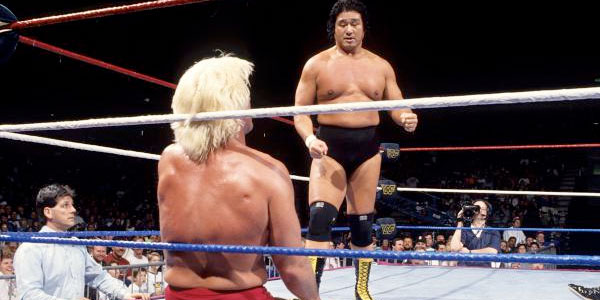
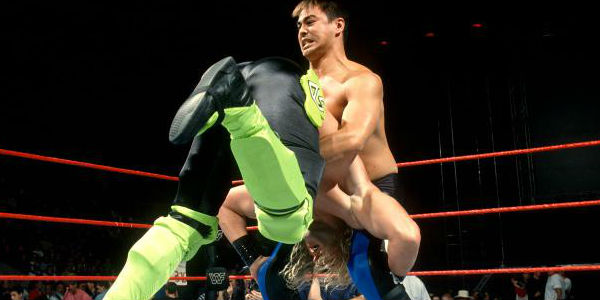
Genichiro Tenryu came to the WWF during a period where there were still some talent exchanges between the WWF and some Japanese promotions. He wasn€™t a full-time of the WWF, yet he was still given a lot of TV time and made appearances at major shows. His first appearance for the WWF was at WrestleMania VII, where he teamed with Koji Kitao to take on Demolition. He also made appearances in both the 1993 and 1994 Royal Rumble matches. His final major point in WWF was an angle in which he and The Great Kabuki allied themselves with Yokozuna to make life difficult for Lex Luger. Outside of the WWF, Tenryu was one of the most accomplished wrestlers in All Japan Pro Wrestling€™s history. He was arguably the biggest Japanese wrestling star in the mid to late 1980s, and had also dabbled in sumo wrestling as well. Tenryu still wrestles, even beyond age 60. The WWF could€™ve really used a skilled technician like him during the early 90s. It was a period where the WWF was filled with silly, over-the-top gimmicks, and when the WWF was starting to lose viewers to WCW. Since they were phasing out the big, muscular superstars of Hogan€™s era due to the steroid conflict, Tenryu would€™ve meshed perfectly with the likes of Bret Hart of Shawn Michaels. It is just one of those great feuds that could€™ve been.

9. €˜Cowboy€™ Bob Orton

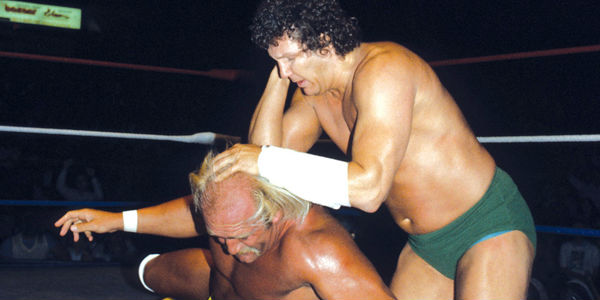
Cowboy Bob Orton Hulk Hogan Randy Orton€™s father €˜Cowboy€™ Bob Orton spent many years travelling from territory to territory, spending only six years in the WWF. Though he was featured in some important matches, including being in the main event of the very first WrestleMania, he didn€™t really accomplish much else in the WWF. His most infamous gimmick while working for Vince McMahon was that he wore a cast when wrestling, and used it as a weapon. While on the independent scene, he would gain a greater degree of success, winning championships in promotions like the American Wrestling Federation (AWF), Southeastern Championship Wrestling and Georgia Championship Wrestling. His most recent high-profile stint in WWE saw him working with his son Randy, in his feud against the Undertaker. The elder Orton would interfere in his son€™s matches with €˜Taker, and would even team with him in handicap Casket matches and in a 2-on-1 Hell in a Cell match at Armageddon 2005. While Bob Orton did have some mild success in WWF, he really didn€™t get much of a chance to be a big star. He barely got any title shots while in WWF, and was noted for his appearance at WrestleMania I, and for helping his son€™s career reach even greater heights. At least he can say that his son is a top star in the WWE, though.

8. Kid Kash
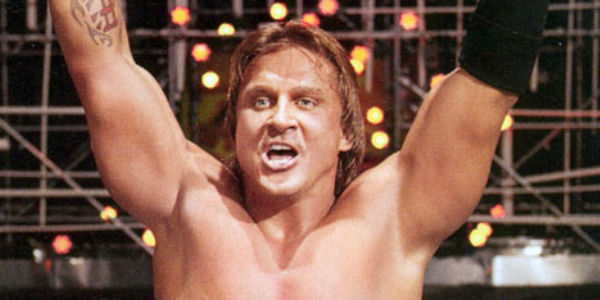
David Kash was a lot tougher than his 5€™9, 202lbs. frame would suggest. Though not one of the most decorated wrestlers in ECW, he was noted for his dedication to the company. In 1996, Kash wrestled against Too Cool in the WWF and unfortunately broke both of his ankles in a botched Hurricanrana. After taking some years off to heal, he returned in 1999, only for one of the teams he was facing to break his jaw. A wrestler named Bo Dupp did an unplanned Frog Splash and broke Kash€™s jaw on both sides. Worse, there was a flu epidemic in Atlanta at the time, so he couldn€™t get the right medical treatment that he needed. Kash kept on wrestling for ECW despite getting his jaw wired shut, and never missed a show. He even drove himself from Atlanta to Birmingham, Alabama twenty four hours after getting said jaw wired shut. Many ECW wrestlers grew to respect him after that. Alas, in WWE he was not taken seriously despite these truths about him. he worked for WWE for only 1 year, winning the Cruiserweight Championship once, and then briefly teamed with Jamie Noble for a while before getting released. To many people, Kash was just another small wrestler who was immediately sent to the Cruiserweight division in the WWE. Despite his toughness and determination, no one in the WWE saw him as anything more than a cruiserweight or lower-card wrestler. It€™s really a shame; he had a lot of talent and a lot of guts.

7. Sean O€™Haire

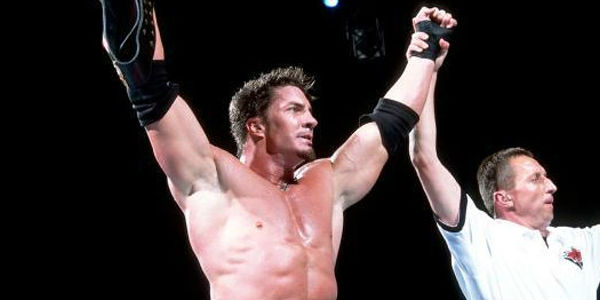
Sean O€™Haire had all the tools necessary to become a success in the WWE. He had a good look, he was a good worker, and he had an interesting character as a sort of Devil€™s Advocate. In WCW, O€™Haire was a star on the rise, winning the WCW World Tag Team Championships three times, twice with Mark Jindrak and once with Chuck Palumbo. He was considered Rookie of the Year in 2000 by the Wrestling Observer Newsletter, and seemed to have a bright future in WWF after they hired him once WCW was purchased. In WWE, his vignettes as the Devil€™s advocate were getting a lot of attention. They were unique and they added a sense of threat to just what kind of actions O€™Haire himself would do. However, when he actually debuted in the ring under this new character, he was paired up with Roddy Piper, who was at that point in a rivalry with Hulk Hogan. Ultimately, his interesting gimmick was dropped, and his association with Piper would do him in. attention was focused on the legends themselves, instead of the rookie who needed the rub to get over with the fans. His career ended in 2004 after a motorcycle accident sidelined him for a number of months. After that, he would work briefly for New Japan Pro Wrestling, then retired to focus on kickboxing and mixed martial arts, before changing his life entirely and becoming a hairdresser. Sadly, on September 8th, 2014, Sean O€™Haire was found dead by his father in his South Carolina home. The investigation ruled his death a suicide. It was a tragic end to a wrestler who once had great things ahead of him but was simply lost in the shuffle.

6. Perry Saturn

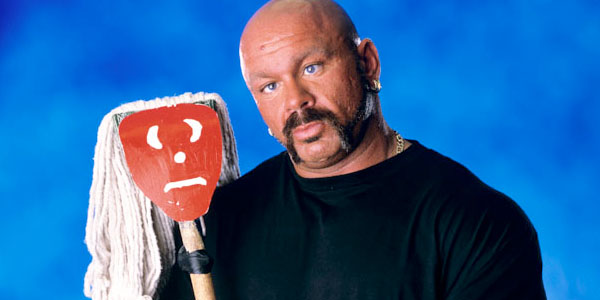
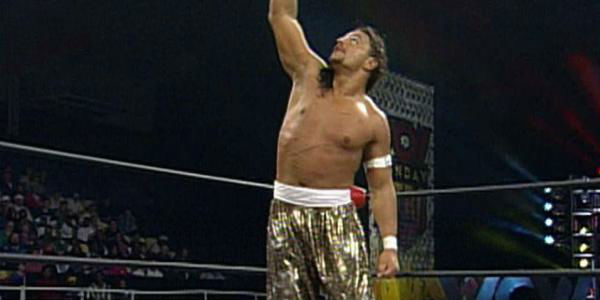
Perry Saturn had a lot of talent; he was a well-rounded wrestler who could perform power moves, fly over the top rope like a lightweight, and who could execute impressive-looking submission moves. As one of the Radicalz, he was one of those so-called €˜vanilla midgets€™ who had skill yet was never meant to be a main-event level player. That said, he was treated better in WCW and in ECW than he was in WWF. Before signing with Vince, he was given a chance to show off his abilities, usually wrestling against other skilled technicians like Eddie Guerrero and Chris Jericho. He also gained some attention in WCW by associating himself with Raven and Billy Kidman as part of the Flock. He would also win the WCW World Tag Team Championships twice, once with Raven and once with Chris Benoit. In WWF, he started off on a high point, at first getting involved with the McMahon-Helmsley faction and then feuding with Too Cool. Then, he pursued the European Championship and frequently squared off against Al Snow. Then things started to get worse. In a match against jobber Mike Bell, Saturn attacked him for real and he was punished for his actions. He began to play a delirious character that had fallen in love with a mop, called her €˜Moppy€™ and believed that €œshe€ was alive, in a similar vein to Wilson the volleyball from Cast Away. Though fans enjoyed the gimmick, it was clear that his days of being taken seriously were over. After being sidelined with an injury, he was released from his WWE contract. Saturn could€™ve had a better WWE career but instead was punished for his own mistakes. Had clearer heads prevailed in that infamous match against the jobber, he could€™ve had a more successful WWE career.

5. TAKA Michinoku

As I€™ve mentioned in another article, WWE€™s history with Japanese wrestlers is spotty at best. Despite being some of the hardest workers and most technically-gifted athletes in the business, Japanese stars have historically been given unusual gimmicks, usually playing off racial stereotypes. TAKA was no exception; despite a great debut against The Great Sasuke, and becoming the first recognized WWF Light Heavyweight Champion, TAKA was soon relegated to silly gimmicks and comedy roles. He then became involved with Kaientai€™s feud with Val Venis, which involved the infamous kidnapping and later €œcastration€ segments. Later, as part of Kaientai, he would famously be paired with Funaki, and would cut promos where his voice would be dubbed over, in the same way as English voices were dubbed in old Japanese films. Despite the humor involved in these skits, he was basically a jobber, and lost any and all future attempts to win any championships. It€™s a shame that the WWE didn€™t use him in a better way. He could€™ve been a major player in WWE€™s Cruiserweight division, and would€™ve been a great opponent for the likes of Rey Mysterio, Ultimo Dragon, and the Guerreros. If only the WWE gave him a chance to really shine, he would€™ve been well worth the investment.

4. Sabu

There are few wrestlers who defined ECW as much as Sabu. Terry Brunk adopted a gimmick of a high-flying hardcore wrestling €˜extremist€™, who never spoke (something he inherited from his uncle, the original Sheik), and he became synonymous with breaking tables. In fact, during his early tenure in ECW, if he didn€™t break his opponents through a table in his match, he would throw his own body into one, thereby creating a unique gimmick that was perfect for the hardcore wrestling style of ECW. In ECW, Sabu became both the World Champion (twice) and the poster boy for extreme wrestling. His most infamous match was at Born to be Wired, where he faced Terry Funk in the No-Rope Barbed-Wire match. In this ultra-violent match, Sabu suffered a 10-inch gash on his bicep and famously taped it up and continued the match. It was so violent that Paul Heyman vowed to never schedule such a match again. Despite some success in other companies such as TNA and World wrestling All-Stars, Sabu was signed to the WWE to its newly-created ECW. What should€™ve been a perfect outing for Sabu turned into a really sub-par run. Sabu was arrested alongside Rob Van Dam for drug possession, which seriously derailed his push. Furthermore, Vince had different plans for ECW, and made his own stars the top guys instead of focusing it on those €˜extremists€™ who helped make ECW famous in the first place. Ultimately, despite a win at WrestleMania 23 in an 8-man tag match, Sabu was released from the WWE. He soon found himself wrestling on the independent scene again, including another stint in TNA. He was clearly not used properly in WWECW; they had the perfect man to appeal to Attitude Era fans who wanted to see more of what they grew up with, instead of what WWE was creating with John Cena and Randy Orton. Sabu used properly could€™ve made a world of difference in ECW; but in the end, his career outside if the WWE was much better.

3. Kaval

Brandon Silvestry has gone by many names during his wrestling career, notably as Low Ki and Senshi. During his tour of the independent circuit, he earned a reputation as a very skilled and dedicated worker, and earned many titles along the way. Among his biggest accomplishments so far include three reigns as TNA X-Division Champion, 3 reigns as New Japan€™s IWGP Junior Heavyweight Champion, and 1 reign as ROH Champion. So when he was signed by WWE to be a part of the second season of NXT, fans thought that he would be a part of something big. Despite a rocky start in the competition, he ended up winning the entire thing. However, there was little fanfare, and his win was nowhere near as big as Wade Barrett€™s from the first season. He then made his way to SmackDown, where he was involved in a brief feud with Dolph Ziggler over the Intercontinental Championship, and lost his place on Team SmackDown in the 2010 Bragging Rights SmackDown vs. RAW match to Tyler Reks. After losing against Drew McIntyre later that year, he was released from WWE. If this story demonstrates anything, it€™s that WWE didn€™t know how to book someone consistently. They didn€™t take his NXT win seriously, which is what they did with Barrett. He wasn€™t given a major title match or given much thought. He was given a secondary title match, and then got lost in the card. Maybe it was his small size that hurt him, and he was clearly one of the most underrated performers during his WWE tenure. Clearly he should€™ve stayed away from the WWE; it was unlikely that they would push both Daniel Bryan and Kaval to the top.

2. Scott Steiner

Scott Steiner has experienced an interesting transformation over his career. He started off as a tag team wrestler, teaming with his brother Rick. During the late 80s and early 90s, the Steiner Brothers were one of the top tag teams around, winning the WWF World tag Team Championships, the NJPW Tag Team Championships, and the WCW World Tag Team Championships. In early 1998, Scott Steiner split from his brother Rick, and began pursuing a singles career. He experienced a lot of success in this endeavor, winning every singles championship in WCW. During this time, his physique changed significantly, as he put on more muscle mass, and began calling himself €˜Big Poppa Pump€™. Fans would sometimes chant €œsteroids€ at him due to his now-enormous muscles. At the 2002 Survivor Series Pay-Per-View, Steiner made an appearance, interrupting Chris Nowinski and Matt Hardy as they insulted the fans. He received a huge reaction, and was soon placed in a World Title feud against Triple H. Being a former World Champion in WCW, he was built to be a formidable threat to the Game€™s championship reign. The segments between the two included many strength and physique-related contests, due in part to Steiner€™s strength and Triple H€™s involvement in bodybuilding. The match itself was, unfortunately, less exciting than unexpected. It was considered the worst match of the year by the Wrestling Observer Newsletter and after a re-match at No Way Out, Steiner fell down the card very quickly. He soon found himself feuding with Test over the managerial services of Stacy Keibler, but other than that, there was not much success to be found for Scott. It is a big shame that he wasn€™t used properly after his title match against Triple H. he could€™ve been a good tag team wrestler with an up-and-coming Superstar, or could€™ve been a good addition to the mid-card title scene. Either way, he clearly had a better career outside of the WWE. Hell, his career in TNA was better than his second WWE run.

1. Kharma/Amazing (Awesome) Kong

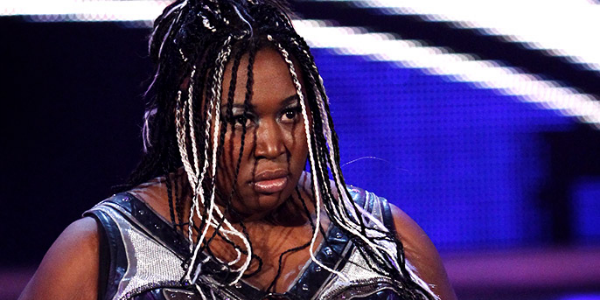
If you look at all the Divas who€™ve come and gone in the WWE, most of them fit a specific mold: pretty, young fitness models. Though there were a few exceptions to this rule, none of them stood out more than Kharma. Kia Stevens wanted to become a Diva, but was cut by WWE management. So, she went off to Japan, where she became, in her own words €˜a wrestling master€™. This is not too farfetched of a claim; her career in Japanese joshi wrestling has been incredibly successful. She has won Women€™s championship in both singles and tag team titles in TNA, All Japan Women€™s Pro Wrestling, GAEA Japan, and HUSTLE, just to name a few. Unfortunately, her WWE career was ended by a sudden change in circumstances. It was reported in 2010 that she had signed with WWE, and deputed at Extreme Rules 2011, under the name €˜Kharma€™. She was given a monster push, destroying the other Divas for weeks. She fit the role perfectly; she was completely different by Diva standards, and was truly the one character that was desperately needed to bring new interest to a stale Divas division. https://www.youtube.com/watch?v=XvoXI-VosGo However, on the May 23rd edition of RAW, instead of demolishing all the divas in a tag match, Kharma broke down and started crying without any explanation. A week later, it was revealed that she was pregnant, and had to leave. This led to the Bellas bullying her and making fun of her weight (despite both of them supposed to be faces, role models, and part of the Be a STAR Campaign). Kharma left, vowing to get revenge on them. Unfortunately, Kharma miscarried, falsely reported the successful birth of her child due to her emotional state, and despite being the third woman ever to enter the Royal Rumble, she was released in 2012. Had none of these circumstances occurred, it is likely that she would have dominated the Divas Division. She would€™ve played the role of unstoppable monster, and would have definitely won the Divas Championship. She also could€™ve played a very important role for all the female viewers with problems regarding image and self-confidence. She could€™ve been the perfect spokesperson for the Be A STAR Campaign as well. Recently, Kharma has returned to pro wrestling, sporting a much slimmer build. Though she€™s a bit old by professional wrestling standards (she€™s 37), a return to the WWE might still be written in the stars.

Contributor

Alexander Podgorski is a writer for WhatCulture that has been a fan of professional wrestling since he was 8 years old. He loves all kinds of wrestling, from WWE and sports entertainment, to puroresu in Japan. He holds a Bachelor of Arts degree from Queen's University in Political Studies and French, and a Master's Degree in Public Administration. He speaks English, French, Polish, a bit of German, and knows some odd words and phrases in half a dozen other languages.