How Good Was 'Hollywood' Hulk Hogan Actually?
We've analysed core red and yellow Hulk Hogan, but how about nWo Hollywood?
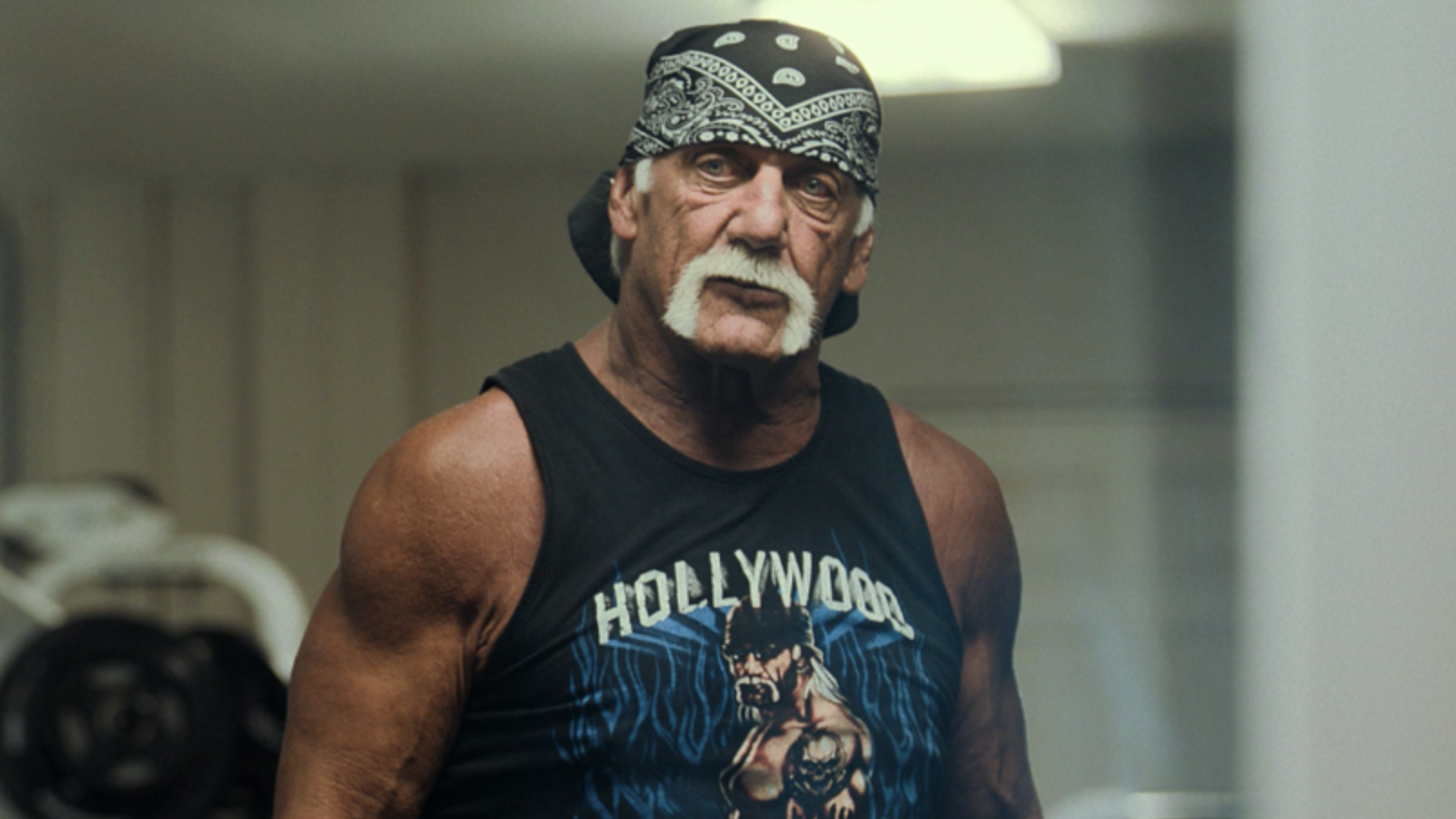
Hulk Hogan spent over a decade as the biggest babyface of the 80s and early 90s, breaking box office records aplenty and establishing professional wrestling as a pop culture phenomenon in the mainstream sphere. We've already assessed the pros and cons of the 'Hulkster's' run in the red and yellow in this series, and now it's time to run his reign as WCW's top heel under the microscope.
Leading the charge for the 'Monday Night Wars', Hogan switched his trademark colours for the black and white of the nWo and changed the face of wrestling more than was comprehensible. The cold, hard numbers suggest that 'Hollywood' is an all-time great, but does that stand up to scrutiny when examining the quality of Hogan's work as a heel?
Join us as we take an extensive look at the moments, the promos and just how well Hulk's 'Hollywood' years stand up against the greats of the past and present in WWE, WCW and beyond.
10. Presence/Look/Presentation

When you consider that Hogan's red and yellow colour scheme is arguably the most iconic look in the history of wrestling, it's quite remarkable that Hogan managed to repackage himself to such an incredible extent that his 'Hollywood' Hogan heel persona also has some of the most unforgettable and unique presentation of all time.
Take spray painting the WCW World Title, for example: That 'big gold' design is one of the most prestigious in wrestling's entire history, with a look that screams prestige. It debuted in 1986 and had been worn by Ric Flair (including being brought with him to WWF as he declared himself "The Real World Champion"), Sting and Randy Savage. After winning the WCW belt for the first time as a heel at Hog Wild on 10 August 1996, Hollywood Hogan spraying nWo onto the championship remains one of the coolest things a heel has ever done in a wrestling ring.
It's impossible to play down how cool Hogan was in this period too. On paper, Hulk playing the 'big gold' like a guitar should've been a cringefest. Instead, it helped him keep all of the larger-than-life bravado that had served him so well in his Hulkamania days, but with an edge. That people were sick to the back teeth of Hogan's schtick before his heel turn helped, because he was every bit as over the top and lamentable in his entrances.
The nWo's theme has been discussed in our profile of Kevin Nash, but if you need a recap, it's as good as it gets and perfectly suited to its time. A strutting, anti-establishment blast of hard rock bombast and hip-hop swagger that fit their entrance to the ring and their chromatic backstage promos. It didn't stop there for Hogan, though. Strutting with his arms outstretched to the psychedelic riffs of Hendrix's Voodoo Chile, tomahawk chopping towards the camera to the lyric "chop it down with the edge of my hand", and spitting venom into the camera, Hogan added another string to his note-perfect heel entrance.
Back to the look, and it was again superb. His dyed black stubble, the black and white Hollywood bandana, and the lightning on his tights created something that lived up to the astronomical heights of Hulkamania. He added a feather boa to the mix, and that worked too. The nWo weight belt that he'd swing around his head and use to whip opponents made him all the more devilish in his approach. It was all money.
Say whatever you will about Hogan, but if there's a way that he is literally peerless, it's in presenting himself like a superstar. Watch any of his Nitro or PPV entrances, look at any photoshoot from this time, look at his merch - it's literally perfect. Hogan creating 2 of wrestling's most iconic looks is something that should be studied for generations.
10/10