How Wrestling Became So TOXIC
As online spaces gets angrier by the day, what has led to the wrestling community being so hateful?
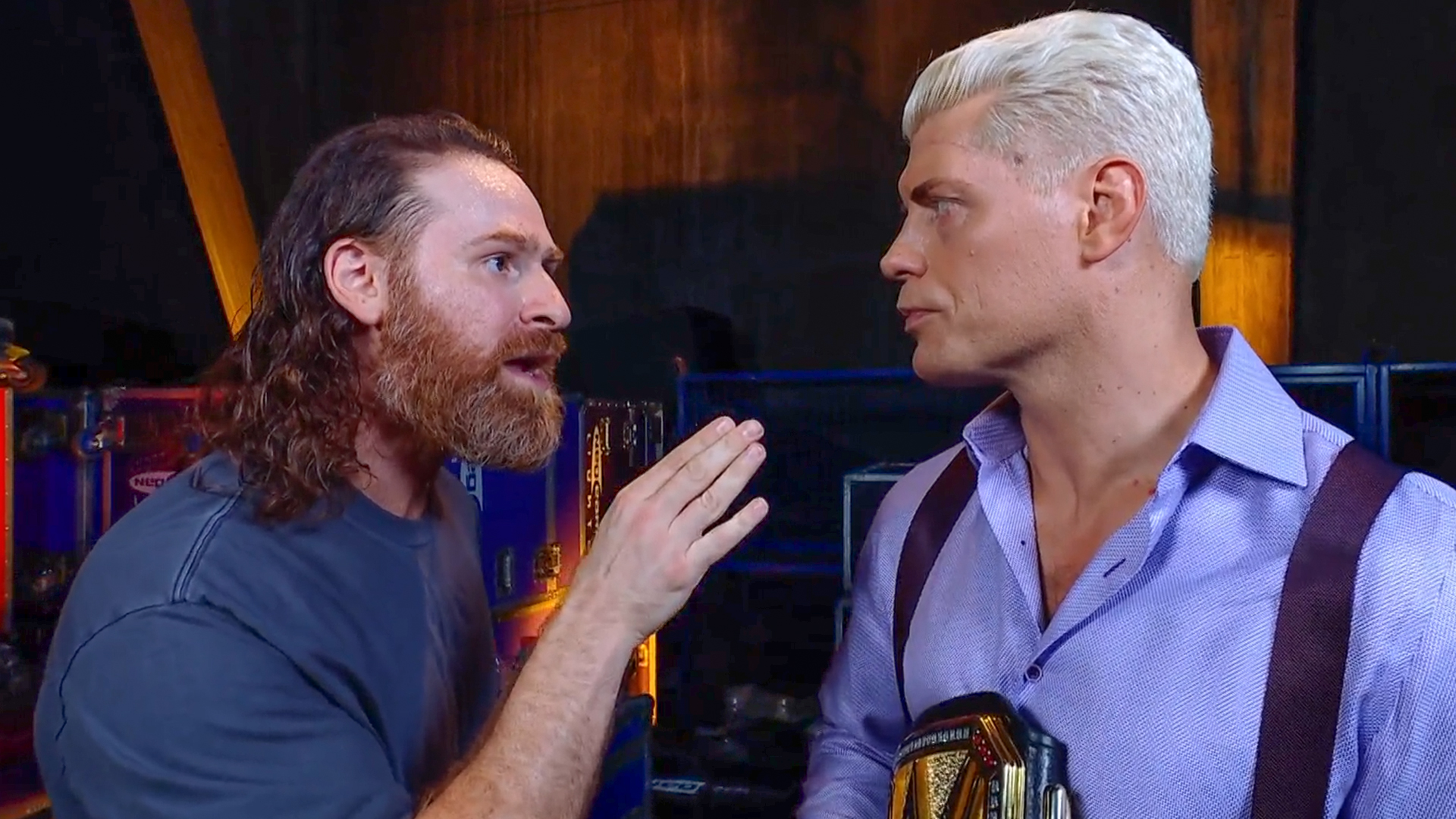
Cody Rhodes describes his job as “play fighting in his underwear”. Men and women of the squared circle agree to settle their differences on an arranged date in their fanciest gowns after their fabulous music plays, and their colourful pyrotechnics fill the air. No matter what way you slice it, pro wrestling is an absurdist hobby and art form, and its fandom is a counter-culture community. This is largely because outsiders demonise wrestling for being childish, low IQ, and worst of all, “fake”.
You would think that this would galvanise wrestling fans into bandying together against the people throwing rocks at us, but that’s so rarely the case. More than ever before, wrestling’s online community is defined by a ruthless mean streak where insults are hurled at one another, at talent, at events, creative decisions, reaction videos, and anything you read or see that opposes your own opinion. Respectful discourse and conversation are dead. If you don’t like what I like, you’re a cuck, a shill, or a poseur.
It’s exhausting for what is essentially commenting on a weekly soap opera. Are the fans of EastEnders or RuPaul’s Drag Race like this? Is there a Reddit community for Coronation Street fans to bitch and moan about how Granada Television isn’t pushing Tyrone in the right way, how Sarah Platt isn’t being given enough TV time, or how the product placement in the Rovers Return has gotten out of control? Is this the case, or are we just a particularly dickish community in the online world of global fandom?
The rise of tribalism is understandable, given that AEW and WWE are such vastly different products. WWE fans can sneer at AEW’s TV ratings or comparatively smaller crowds, while AEW loyalists laugh at WWE’s more marketing-focused weekly product, WWE’s Unreal series bringing literally no reality to the Reality TV market, and how WrestleMania has been butchered in the name of selling everything from banking to the latest Mortal Kombat movie. Mentioning CM Punk in an online space is like throwing a Pepperami into a piranha tank for fans of all generations and loyalties. It’s a never-ending 24/7 hate cycle that spins faster, with momentum building after every weekly TV show, PPV, or PLE.
This isn’t unique to fans either. Talent like Ricochet and Darby Allin throw rocks at WWE at regular intervals. WWE talent such as Booker T have podcasts where they rarely (if ever) have anything positive to say about AEW. AEW’s first few years featured almost weekly shots being fired at their competition, and talent who move to WWE from AEW are regularly snide about their former place of employment.
On the one hand, this is all good for the business and us in the press. Wrestling was a far more boring place to be with Vince McMahon’s creative stinking up the place, and no viable alternative to WWE for fans to embrace or attack. Every day, there’s a new interview quote, backstage report, or TV show to keep pouring into the non-stop news cycle of professional wrestling. It makes the business more exciting. There’s rarely a dull week in the wide world of pro wrestling.
Wrestling fans are passionate and vocal, but it’s also a space where the loudest voices get the most attention. YouTube is filled with content creators who seek to rile people up or to throw shade at talent or creative. In much the same way as it is easier to be a heel and get people to hate you than it is to be a babyface and get people to rally behind you, it’s much easier to get traction by pointing at something that isn’t working and pouring scorn on it than it is when bringing positivity to the table. It’s why the rise in clickbait headlines is so prominent. It’s easier to get someone’s attention by saying something outlandish than it is by saying something hopeful.
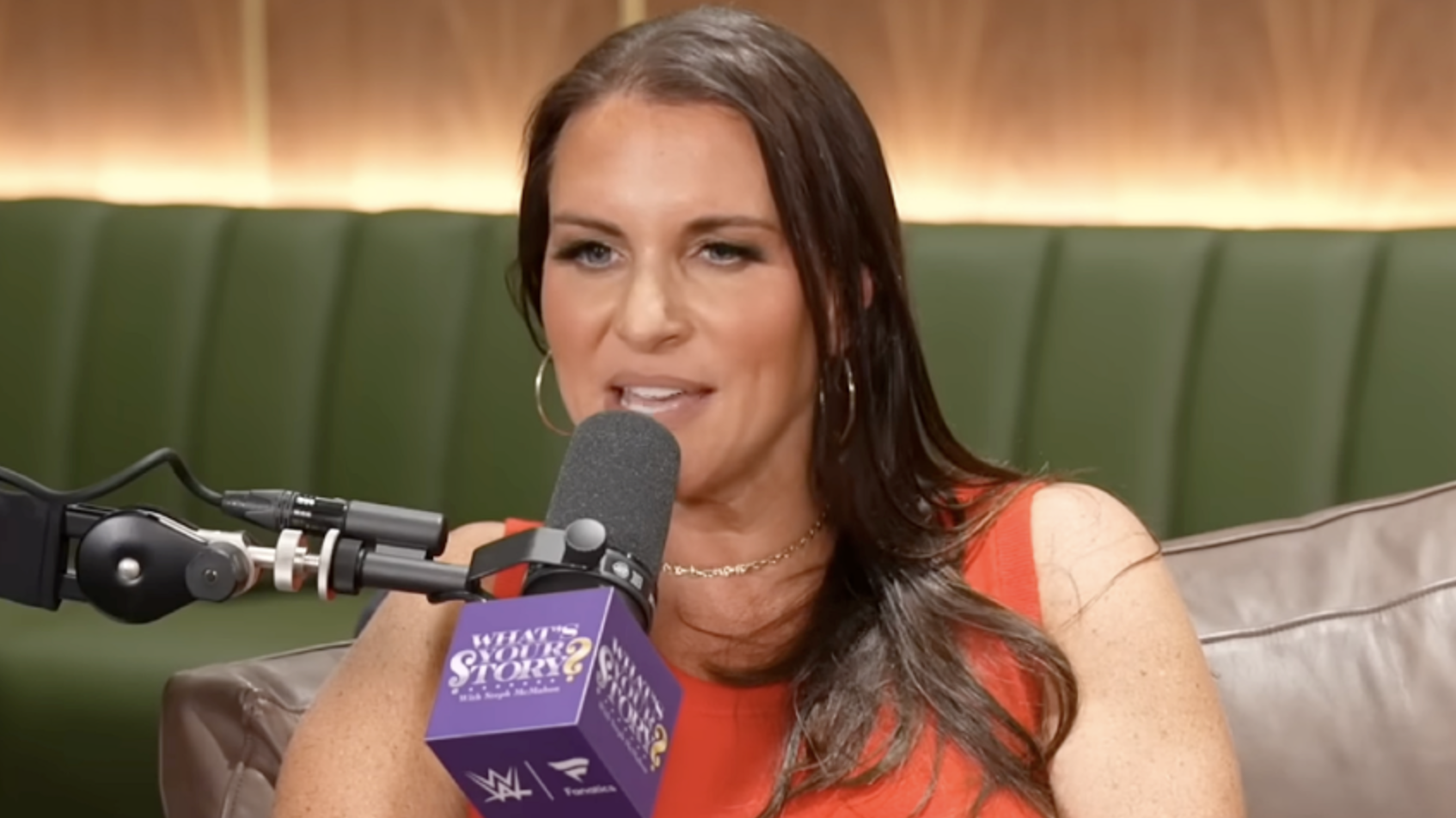
The alternative to these largely negative takes and voices is somehow even worse. WWE’s paid personalities like Pete Rosenberg can’t help but be nauseating when twerking for their employers or being nasty about wrestling companies that don’t pay them a monthly salary. Thinking an increasingly media-savvy audience is foolish enough to see it as anything other than the Burger King saying Whoppers are great and Big Macs suck is insulting. AEW has “home team” podcasts as part of their upcoming MyAEW plans, which, by definition, can only ever be upbeat about everything the company puts on the air. An AEW show isn’t going to say, “Do we really need another person in the Don Callis Family?”, is it?
If all of this feels a little childish, fans also have some far more justified reasons to feel angry. Not even the most stringent WWE fan can defend the price hike on tickets for attending a live show under TKO’s watch. When Paul Levesque or Nick Khan is gloating about record profits while fans who’ve supported the company through thick and thin for decades are now treated as disposable assets, it’s impossible not to invite genuine anger towards the product (especially when there’s also a Slim Jim logo on a table spot or a bitter feud being paid off in a Cinnamon Toast Crunch-sponsored match).
This is only accentuated by the company hosting events in the human rights hotspot of Saudi Arabia. No amount of cuddly coverage can disguise the fact that we’re watching female superstars have their wardrobes compromised before our eyes at these events. Then there are members of the WWE backroom staff being part of the most polarising government in America’s recent history. It’s all making fans mad, and that’s something that the people making these decisions have to accept about their actions.
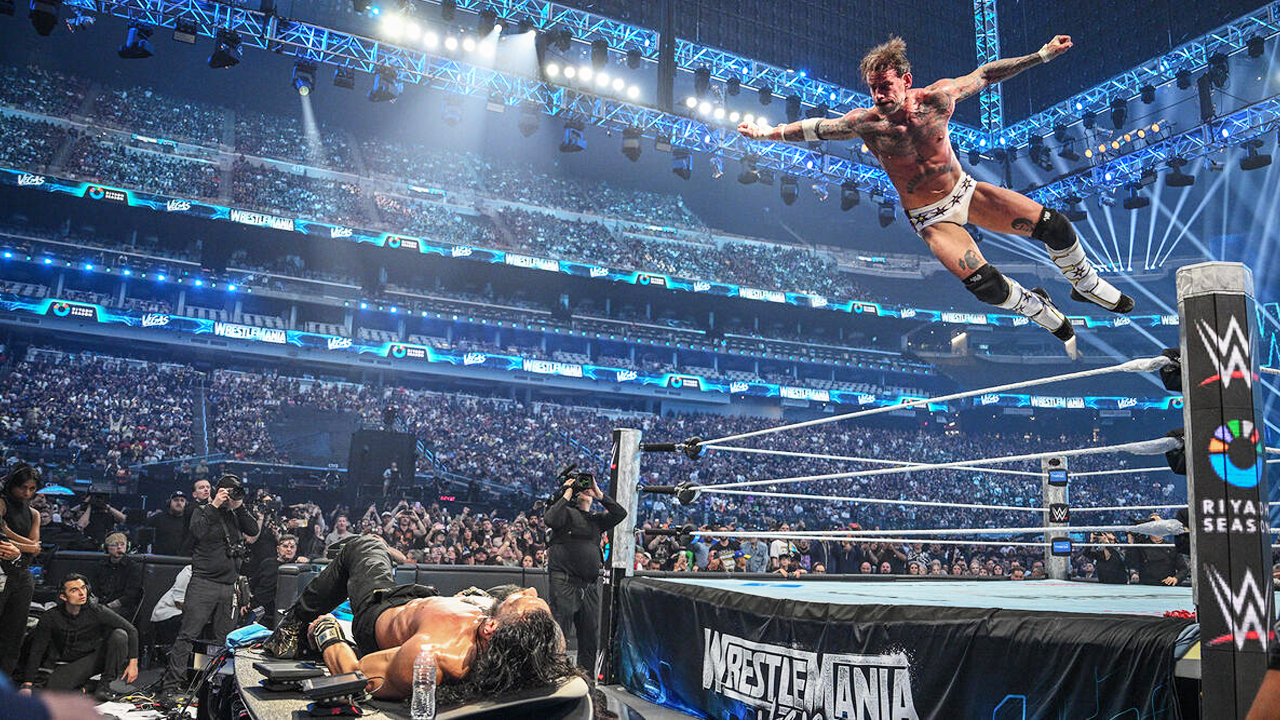
This all came to a head at WrestleMania 42 in Las Vegas, where wrestlers and fans clashed in several incidents. Fan entitlement is a real problem, and approaching wrestlers in “real life” scenarios has become an uncomfortable part of wrestling’s conversation. When it’s $300 to meet a superstar at an event that costs another few hundred dollars, it makes people priced out of these situations extra feral if they see their favourite superstar in the wild. When the wrestler you want to say “hi” to is on Raw every week, saying he or she does what they do for the people, why wouldn’t that same fan be crestfallen or mad at being turned away by that same wrestler for an autograph or a selfie?
All of this has led to an angry climate among fans. Call it toxic if you must (and not in the fun Kit Wilson way), but it’s borderline impossible to see an end to this sad state of affairs coming any time soon. The aftermath of Cody finishing his story at WrestleMania 40 or Hangman Adam Page overcoming his bullies in The Elite led to around 5 minutes of communal love before the rage resets once more at a poorly booked post-PPV Dynamite or an unsatisfying Monday Night Raw.
Can this cycle be broken, or is profiteering from these harsh realities the only future for us? Profiteering off the anger and tribalism of wrestling’s audience is nothing new, but it is reaching a fever pitch. Whether this is a good or bad thing will depend entirely on your viewpoint.