Why WWE Needs To Take The Biggest Risk EVER
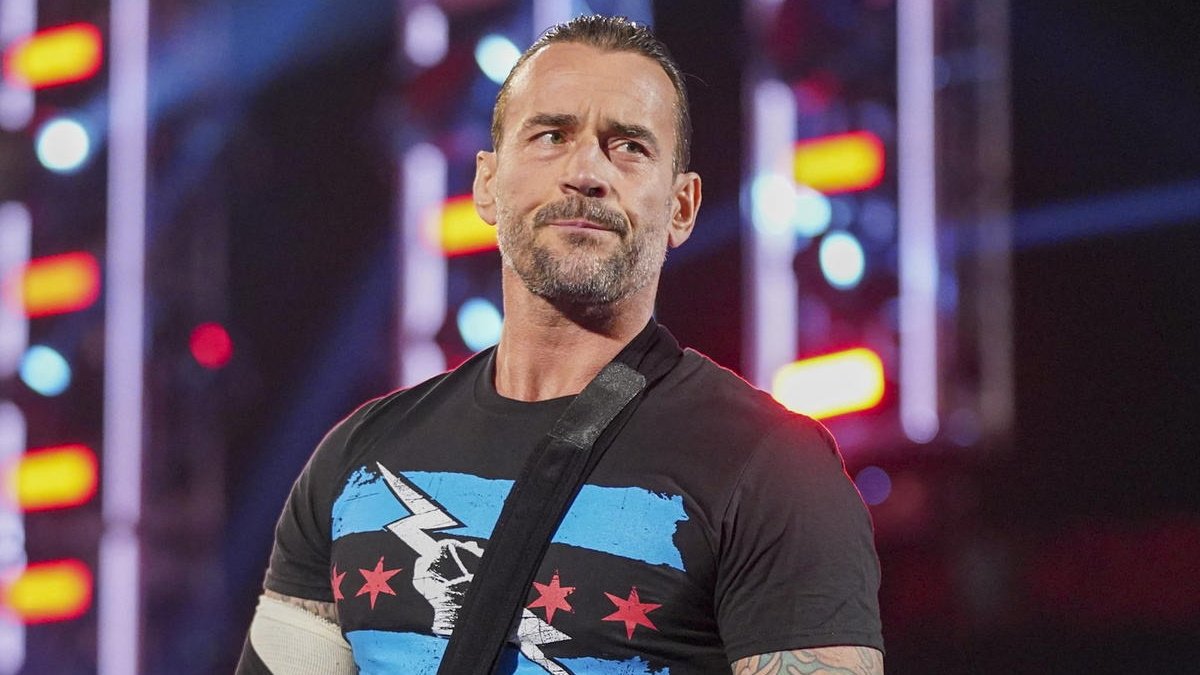
Seth Rollins arrived on the scene. Punk - who had cut Drew off constantly, changing the rules, much like a child does when they are scared of losing - again rolled his eyes. Seth asked if Punk wanted to know his thoughts on the matter. Punk, and this was as brutal as a Naoya Ogawa kick, said “no” with as much disinterest and flatness as he could muster. In that moment, he made Rollins look like the least interesting wrestler alive, a point that Punk made explicit in his last word.
Three complete children on the edge, constantly, of losing it; words and lines you’d never expect to be uttered on live WWE TV, mostly because they shouldn’t have been; the sense that three exceptionally pissed-off people were in that ring trying to get over at one another’s expense: this was fascinating, combustible, untenable. This, technically, broke the “rules” - you’re supposed to put over your rival at the same time as you bury them, etc. - but that is precisely why it was so intoxicating. It disrupted the formality of the WWE approach, and the all-important soundbites were still there; they were just incidental to the authenticity of the tone, the very real emotion.
Pro wrestlers are thin-skinned lunatics whose job it is to make you think that they actually despise one another. This unforgettable scene harnessed every bit of that. You don’t wait for your turn to talk in a real argument; you try to cut the other person off because the red mist has descended and what you are saying in the rawness of that moment is a thought that has consumed and eaten away at you for a long, long time.
Social media is an incredibly unreliable barometer of consensus. It achieves the opposite of that across every imaginable talking point. You can’t configure your social media activity to find the reason that no longer exists, but it really felt on Monday night and into Tuesday morning that the lapsed WWE fans and the outright contrarians alike could not deny the power of those 20 minutes.
CONT'D...(4 of 5)