10 Misconceptions You Have About Working In The Games Industry
It's not all debates around how many guns there should be with piles of cash y'know.
 Double FineSo, youve scored yourself a job in video game development, either youve been randomly abducted from the bus stop to work on a Flappy Bird clone or more likely this is the culmination of a lot of hard work and searching on your part. So congratulations - but before you go any further, we really should talk about The Question. Its seemingly harmless in and of itself, but The Question opens the gateway to a labyrinth of pain, confusion and embarrassment. You would be wise to fear The Question, and it is this: So, what do you do? Its unfortunate, but even the most introverted or anti-social individual will have a moment in their life when theyre asked what they do for a living. You may have had the opportunity to psych yourself up for The Question in advance at a barbecue or wedding, for instance. Sometimes the question can catch you off guard when youre having a haircut or sat on a plane with someone who turns out to be unreasonably friendly. Either way, the answer is going to cause trouble. People have a lot of preconceived and often ridiculous notions about video games and the teams that make them; so if you explain that youre a developer, get ready to hear them whether you like it or not. The same old misinformation crops up repeatedly and trying to respond to or debunk it can be a wearying experience, especially if youre talking to a stranger and youve got to tell them in as friendly a way as possible that what theyve just told you is a load of dingos kidneys. Here are ten of the most common misconceptions that game developers must face when dealing with Outside People, and some advice for overcoming the Gervaisian levels of awkwardness that ensue. Tattoo the page link onto your body; it might just save your life someday
10. We Dont Just Play Games All Day
 Wikimedia CommonsHaving just revealed what you do for a living, you can often expect to hear Oh, so you just play games all day, then? in response. Sometimes its said in a derogatory way, and thats your cue to get another drink, change the conversation or just walk away before you end up lugging a rolled-up carpet through the woods. Mostly, though, its said in a cheerful if slightly-panicked fashion. The person youre talking to really wasnt expecting to hear game developer; their brains picked that line as a filler response while they stall for time and wonder if itd be socially acceptable to just roll under the table and hide. In short, they probably dont mean anything by it. As responses go, though, its still pretty dumb. If someone were to introduce themselves as a builder, youd be unlikely to nod supportively and say So you just stand in peoples houses all day, then. Itd be like accusing an author of sitting around all day reading books, or assuming that doctors must be forever in need of surgery. Its true that most game developers enjoy playing games, of course. Multiplayer during a lunch hour is a common and very enjoyable way to indulge in your favourite hobby but equally youre just as likely to grab a football, board game or something that gets them away from the monitor for a while. Besides, if devs were just playing games all day, where would all the new ones be coming from?
9. Were Not All Programmers
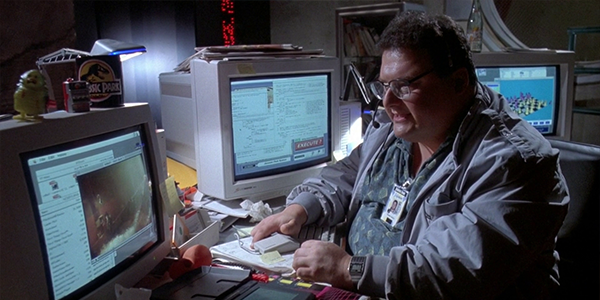 Universal PicturesThats the assumption made by a standard, Second-Tier Normal Person; theyre savvy enough to have realised that there are actually people making the games, but they dont have much clue as to how that happens beyond what Hollywood has shown them. Tell these people that youre a game developer and their minds eye will conjure up images of you hunched over a keyboard, bathed in the glow of a CRT monitor as your fingers stream pseudocode feverishly into something that looks like MS-DOS. Fortunately, its a little bit easier to explain this misconception to your new BFF without causing offence or dribbling. You might have the conversational good fortune to actually be a programmer, at which point you can confirm that yes, everything theyre imagining is exactly right except that these days they let you have two monitors. Alternatively, why not take the opportunity to enlighten them as to the existence of concept artists, level designers, 3D modellers, riggers and animators, quality assurance and user research roles, musicians and sound designers, project managers, producers, writers, people who work in PR and marketing, team leads, business intelligence, community managers and studio development? Once theyve stopped whimpering, theyll almost thank you profusely for the education - before diving out the window.
8. The 'Neighbours Kid' Dilemma
 Universal PicturesOnce the introductory hurdles have been overcome, theres a good chance that the next question youll get will be about employment. Not your employment, naturally, for that would be far too sane and obvious. The question will be something along the lines of My neighbours son plays a lot of video games, could he get a job like yours? At this point, mired in this swamp of conversational misery, it can be tempting to seek refuge in sarcasm. You could make reference to the telepathic network that links all game developers into a single hive mind and explain that, having just performed a cursory assessment on the childs soul, you can tell that hes clearly passionate, but his rebellious streak unfortunately gets him fired in his fourth month after hes caught stealing office supplies. However witty this may seem at the time, do not actually do this. The universe is basically unfair and somehow, despite the insanity of the question, youll be the one who comes off looking crazy. Instead, take a deep breath and go for the trifecta of Generic Career Advice: the youth in question should work out what theyre passionate about and pursue it, they need to get good grades in school and they should try applying for an internship. This is often the moment youll find out that the wunderkind youve been discussing is still at pre-school and not actually the job-hunting teenager you expected. Yes, your career has just been equated to an amusing diversion for a toddler. Enjoy the party.
7. The Tech Support Misconception
 Channel 4If someone breaks into a wide smile when you reveal your career of choice you need to move quickly; youve got a very short time in which to invent and construct a personal teleporter before the inevitable follow-up question. That persons grinning like a shark because theyve identified you as that most precious of resources free technical support. Some people genuinely assume that anyone who works with video games in any capacity must be a modern-day Charles Babbage, intimately familiar with the operation of computers in general and their PC (its always a PC) in particular. Others may just be looking for any excuse to avoid a premium-rate phone call. Taxi drivers in particular are extremely fond of grilling you for impromptu tech support; they know that youre relying on their good will to ferry you safely to your destination, and that if you dont keep them happy they can just drive you into a lake out of spite. Even if you know your way around a computer, these conversations are a painful prospect. Its hard enough talking someone through diagnosis and problem-solving even when theyre actually at the PC, let alone when theyre half-sozzled at a party and insisting you set their homepage back to the funny cat website. Protestations that you mostly use Macs, or that you dare never venture beyond Photoshop without at least two IT staff in the room, will fall on deaf ears. Your only hope of escape is to keep giving your captor alcohol until they doze off and you can sneak away unless theyre a taxi driver, of course. Thats when its best to use chloroform.
6. Its Not Just Having Ideas
 YouTubeThis is an old chestnut thats particularly likely to stick in your craw if youre a game designer. Its always tricky to explain your day-to-day responsibilities when youre part of the games industry, particularly if youre working on something that hasnt been announced, but a designers role is so varied and multi-faceted that even gaming enthusiasts usually get it wrong. Most people think a designer strolls into work on a Monday morning, gathers the team together and announces their latest amazing idea: its a first-person shooter set inside a giant shark, and you play as a sarcastic cowboy in a wetsuit. As the Giver of Ideas, the designer can then sit back and relax while the concept artists prepare a dazzling array of possible sharks to choose from and programmers get to work on the tail physics. The first thing people learn when they actually land the job is that everyone in the company - being creative and intelligent people in their own right - also have amazing ideas. Whether youre working on a team of hundreds or heading up your own indie project, the key to realising them will be to communicate clearly and efficiently, and thats where the designer expends most of their efforts. How big is your shark? Is it a cute, cartoon shark or a gargantuan monstrosity? Is it an open-world shark or split up into levels? What are the cowboys abilities? All of these questions will need answering, probably all at once, and youll also need to be able to justify your decisions. After all, every piece of art or line of code created as a result of something you said takes time, costs money and has someones hard work invested in it. Yes, you need to have great ideas - but youll need to be persuasive, passionate and incisive to make them come true.
5. Video Game Music Is Still Real Music
https://www.youtube.com/watch?v=bMtlLpYcCAQ Picture the scene: youre listening to a piece of music from one of your favourite games when someone who isnt a gamer overhears you. Its clear that the music interests them, but when they ask what its from - and you reluctantly reveal its from a video game - the light goes out of their eyes and they immediately lose interest. Its a familiar scenario and one thats incredibly frustrating even to fans of game music, let alone its composers. In an age where video games command nine-figure budgets and entire orchestras are called upon to bring the music to life, game soundtracks are as varied and as accomplished as anything that film and television has to offer. Yet for most people, the mental association with 8-bit bleeps and bloops is so strong, the musics origins is enough to activate some sort of mental block that forbids enjoyment. The situations not helped by how games are represented in other media; if you want to show someone playing a game, overlay it with Tron-era sound effects and explosions. Its a convenient shorthand to make it obvious what that persons doing; unfortunately, its also doing a great disservice to the many talented composers who dont receive the recognition of their peers. Fortunately, with game music now making in-roads on mainstream radio stations and more gaming concerts springing up every year, this is one misconception that may be on the verge of dying out.4. Were Not Gaming Savants
 United ArtistsIf theres one group most likely to be excited upon hearing you make video games for a living, its kids. Once your secrets out, its quite likely youll have some of the little dears dragged before you to stare wide-eyed at the Lesser-Spotted Game Developer. Youll be interrogated as to what consoles you own, how many games are in your collection all benign questions compared to the comments made by adults. And then, just when you think you might actually be in with a chance of surviving the conversation, youll be dragged off to a messy bedroom and soundly thrashed at an out-of-date FIFA or something with Naruto in it. For kids, getting to play a game with someone who makes games is a badge of honour, and it doesnt really matter that youve never touched a Pikachu in your life. More generally, people will just assume that youre intimately familiar with every video game that is or has ever been and that your reflexes rival those of Mr. Miyagi after a gallon of Red Bull. Gaming knowledge is a good thing, but if youve got a job in the industry youre going to find yourself with fewer hours left for gaming, not more. Youll look back with dewy-eyed nostalgia on cold winter nights spent playing games, and on long summer days that were also spent playing games because outside has nettles and wasps.
3. Testing Takes Skill
 Sony Computer EntertainmentIts certainly true that different companies treat their testers with different standards of respect, with some employers being notorious and others supportive and brimming with job perks. Whats simply not true is that testing (or Quality Assurance, as its more officially known) is a role with no particular talent required. Testers need to be smart. Some of the nastiest bugs ones that can wipe player progress or ruin the balance of an online match require a particular set of circumstances before they can be recreated reliably; if the tester doesnt narrow down those variables through experimentation and deduction, then any fix for that bug cant be guaranteed to work. If the tester cant predict and pre-empt the exploits of an online cheater, the multiplayer may wind up deserted while the team struggles frantically to patch the problem. Testers need to be patient; testing rarely involves simply playing the game like a member of the public would, unless its pretty much out of the door and youre only looking for showstopping bugs like crashes. When the amount of game content is slender - for a demo version or trade show build - theres a strength of mind needed to stay alert during a very tedious and repetitive task. Often able to speak multiple languages, write their own automation tools and multitask as a matter of course, testers deserve respect and its a shame that so few people recognise their efforts.
2. We Get That You Dont Play Games
 20th Century FoxSometimes, when faced with your games industry credentials, people immediately drive a stake through the heart of the conversation by informing you that they dont play games. Usually this is a hushed apology delivered in a slightly bashful tone, as if theyre wary of enraging you. Occasionally therell be a tinge of pride in their voice as they explain that they havent played a game since Space Invaders and state flatly that they cant see the appeal. It can be hard to respond to this without causing, or indeed taking, offence. Does this person believe youre so socially maladjusted that without the common ground of video games to talk about, the only alternative is an uncomfortable silence? Most likely. You dont care if they never play a game in their life its their loss and you certainly dont want to come across as some sort of crazed zealot who believes the Government should make everyone complete Dark Souls before theyre allowed a mortgage. On the other hand, if you accept their cultural deficiency with a shrug and a smile it could be taken as a tacit agreement that their opinion is somehow the norm, which simply isnt true in an age where half of the UK and nearly two-thirds of American households play games. However you decide to respond to the non-gaming mutant, make sure to stand your ground. We get that not everyone wants to play video games, but it still means that theyre missing out.
1. Its A Real Job For Grown-Ups
 wikiMost of the people you meet, even if they think video games are the biggest pile of tosh imaginable, will be polite enough to keep their ill-founded opinions to themselves. If youre unlucky, you may run into one of the loudmouths whos rude, drunk or pompous enough to belittle the games industry by letting you know that its not a proper job, merely a refuge for man-children who indulge in childish simulations of war and killing rather than grow up and move out of their parents back bedroom. Assuming you want to rise to the bait and prove them wrong and youd be well in your rights just to walk away where do you start? You could talk about the games, of course; tales of purgatory and loss, discovery and adventure, grief and suffering. You could explain the appeal of titles that make you smarter, fitter or more knowledgeable, or games that bring you together with your family. If youve spent time in the industry though, youll already know how to answer this question. You can talk about your colleagues and your friends; talented and creative people who are entrusted with cutting-edge technology and billions of very grown-up dollars because they are, quite simply, extremely intelligent and driven professionals who just happen to enjoy harnessing their vivid imaginations and a sense of fun. People have lots of misconceptions about the video game industry, and the only way thats going to change is if those within it speak with conviction and pride about the job they do and the men and women they work alongside. Who knows you might even inspire a few future colleagues or, at the very least, a few new gamers. Do any of you have any tales to tell? Perhaps this is the first peek behind the curtain you've read about? Let us know in the comments!