10 Ways The PS4 Has Systematically Destroyed The Xbox One
Is there any life left?

I can only imagine the frustration felt if you're a diehard Xbox fan right now. I actually have an Xbox One, but it remains on the shelf gathering dust, as Microsoft continue to fail in providing any adequate reason to switch it on.
Looking forward to the Xbox One X - a console upstaged by its own acronym almost being XBOX - it's very clear thanks to pre-orders that this brand does still mean something. After all, the 360 completely destroyed the PS3 last generation, and it's quite simply eery, just how much the tables have turned.
Where yesteryear, Sony announced an overpriced PS3 with zero system-selling exclusives, Microsoft then did the same. The PS3's lifespan barely had any genuinely system-selling titles outside of MGS 4, The Last of Us and the Uncharted series, and in turn we saw an Xbox One propped by Forza and Killer Instinct as Halo's Master Chief Collection crashed and burned.
Flash-forward a couple of years - coming up on both systems' four year anniversaries, no less - and where Sony have gone from strength to strength (with a few VR-based wobbles), Microsoft are making like that player in an RTS who fortifies their base for the duration. Forever waiting, biding their time for... something.
The only problem with that strategy is when it goes on for too long, the opposition might have already won.
10. A Responsive System Interface That Actually Works
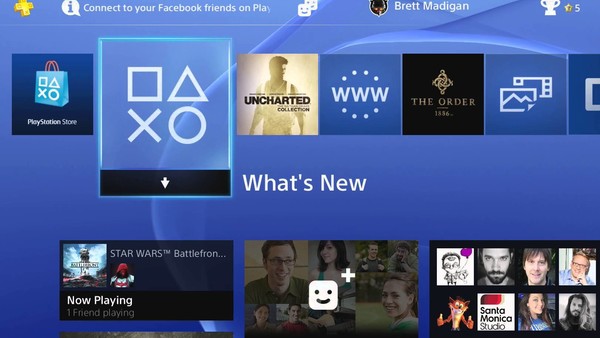
The PS4's XMB might get a little chuggy when you're asking it to balance a game with Netflix and a handful of background downloads, but it's nowhere near the bizarrely broken-feeling dash of the Xbox One.
Currently about to be overhauled for what feels like the fifth time since launch, Microsoft have designed a series of menus that besides being unresponsive, laggy and unintuitive, prioritise everything other than your game library. From music apps to TV adverts, movie recommendations to pre-orders, nothing you actually want to see or use is readily available.
The games you own and want to play? They're resigned to a single small green tile off to the side of the dash, with a handful of your recently played titles available if you scroll down. The latest deals, Games with Gold and backwards compatible games for your perusal? That'll be three pages along into the Store, then down into a single text hyperlink that takes you through to a single massive list of everything combined.
Contrast to the PS4, and besides its neat tiled interface immediately showing your library front and centre, the PS Store also exudes a mentality of 'games first', with the likes of movie rentals and music downloads being resigned to the background.
9. Playing The Nostalgia Card
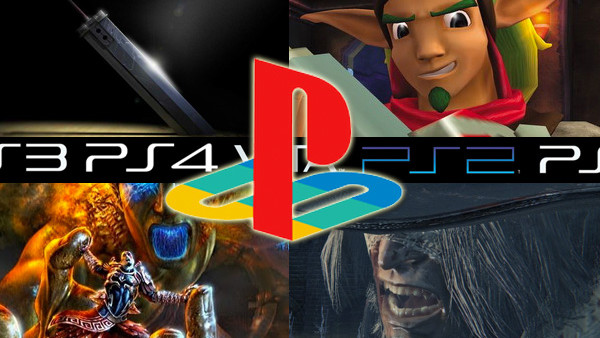
Unless you're Nintendo and have built an empire out of character-based legacy and goodwill, playing the nostalgia card so overtly can only be done once.
Granted, Sony have since realised the staying power of their biggest mascots, reviving Crash Bandicoot, WipeOut and Shadow of the Colossus within the same year, but this gets around the fact that whilst Microsoft were faffing about with the Kinect, Sony were honing their "For the players" messaging.
Now, it's very interesting to read about "intertextuality" (the idea of 'trading off of' recognisable imagery and pop culture ephemera) as a means to understand why the idea of seeing the original PlayStation symbol 'means' something, but this is precisely why Sony's tactic worked. The PS3 for the most part was a disaster; a glorified blu-ray machine that forced millions of consumers to jump-ship to the 360 - though that cultural cache of brand loyalty didn't go away.
All Sony had to do was remind everyone why they loved their PS1s and PS2s (childhood consoles for two specific generations, no less) and we all came running back, no questions asked.
8. Knowing WTF Their System Is, And Who It's For
For years leading up to - and during - the Xbox One's launch, Microsoft were determined to 'win the battle for your living room'. Clearly some executive had heard all the rumblings about digitally streaming TVs and set-top boxes being 'the next big thing', and going off how well the 360 was established, it 'made sense' (in a board room meeting-kinda way) to have the Xbox brand be a mainstay in homes around the world.
Only... that's not what Xbox was, or ever could be.
Gamers buy games consoles for games (funnily enough), not streaming apps or to build music libraries.
The notion of the Xbox One being some sort of voice-activated super-system triggering everything from your favourite films to ordering a pizza is what Amazon's Echo Dots would later perfect, but all of these features felt like extras sold to a demographic that just wanted games. After all, when one half of your biggest targeted age group are teenagers, note that they aren't supplanting their parent-dominated living rooms with Xboxes for a five hour COD session - they're in their bedrooms, wondering what to play.
Sony answered this call by prioritising games, games and more games. You'd have to try hard to find their 'Music Unlimited' service, and it was then shut down in 2015, because nobody wanted it in the first place.
Sony had to live through the 'living room gamble' themselves, but why the competition then repeated it, is beyond me.
7. Lining Up Multiple Exclusives

Speaking of games, Microsoft actually had the upper hand when it comes to sheer numbers - at least in those first few years. The only problem, was nobody wanted to play them.
Cultural mentalities and 'mindshare' are important things (the name given to whatever assumed narrative 'tells you' a franchise, celebrity, property etc. is positive or negative despite experiencing it/doing the research yourself), and though Microsoft released Halo 5, Gears of War 4, Sunset Overdrive and more, nobody but the staunchest Xbox-defenders were even looking their way.
Following this 'dark time' - and it was one where the PS4 had nothing to offer outside Knack and The Order: 1886 - Sony finally pulled their finger out, releasing and granting exclusivity to everything from Bloodborne to Nioh, NieR: Automata to Hotline Miami and Horizon Zero Dawn.
For all those who claim that "console wars are pointless" and that there should be a 'unified platform' going forward - that is indeed a conversation worth having, but brand loyalty also stokes the fires of creation just as much, and when a system needs to justify itself, then we see many companies' finest work.
6. Having Extremely Clear Intentions

Y'know, there was a way for Microsoft to save themselves in that crucial early period.
Right around the time we found out about DRM-based game borrowing and the transference of licenses to create 'family libraries' of games, there was a moment when Microsoft could've come out and clarified all. Because the idea of buying a game and having a select number of people you greenlight be able to play it is great, and very consumer-friendly.
Obviously it was clear Microsoft had jumped the gun considerably, attempting to enact a plan that would cost the industry more than it would benefit - hence the idea of 'paying a fee' to 'free up' the license on a previously shared game. It was the only way anyone on the business end would sign onto such a concept in the first place.
Rather than this all-digital utopia being showcased for its substantial positives, the reality was messaging that painted Microsoft as a company drastically in over their head, charging potential owners to play their friends' games.
Another thing to remember is had this gone down any better, Sony would've followed suit. There's nothing the industry would like more than a self-inclosed revenue stream that cuts out brick n' mortar stores (they're the ones offering deals and price cuts, after all), and thus, Sony went down the 'games, games, games!' route, to much aplomb.
"Show, don't tell" was definitely their mandate, and though it'll be VERY interesting to see where the industry goes in the next few years, Sony pulled off a masterstroke of recalibration when it came to brand messaging - one that'll come back around eventually.
5. Not Relying On Arbitrary Sequels
Say what you will about the actual quality of something like The Order: 1886 or No Man's Sky, at least they were potential franchise-starters, and new IPs to boot.
Yes, we've had Ratchet & Clank reboots, 'another Killzone' and Kingdom Hearts spin-offs, but just look at the amount of high-profile, original games on PS4:
Horizon Zero Dawn, Bloodborne, Until Dawn, The Last Guardian, Nioh, NieR: Automata - even World of Final Fantasy was the old-school turn-based FF fans have requested for years, releasing exclusively on PlayStation.
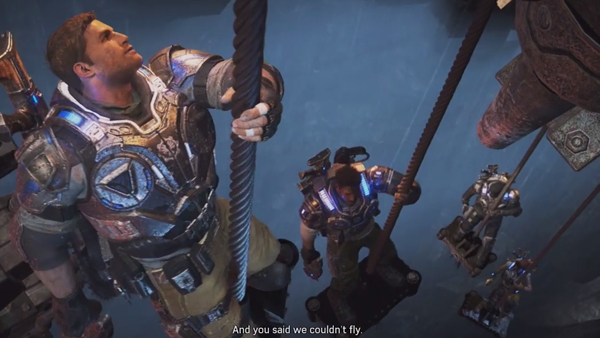
Over to Xbox, and what do we have? Halo 5, developed by one of Microsoft's internal teams, and Gears of War 4, protracting a story that already wrapped nicely with its original studio. Neither caught on because neither felt like they had anything to offer, and though we see that on PS4 with something like Infamous: Second Son, Sony actually learned from this and put their money where it counts going forward.
Meanwhile, outside of Quantum Break, more Forza, Cuphead and Sunset Overdrive, literally the only top-tier head-turning title in Microsoft's oven is the three-time delayed Crackdown 3.
4. Not Letting One Of Their Biggest Properties Burn

Why, oh why, did Halo have to die?
I can't answer that question, but we can look at the autopsy report, as right now - some three years post-release - the Halo: Master Chief Collection is still unplayable online. The franchise that singlehandedly shut down Times Square when its third instalment launched is now one of the most reliably broken titles on the market, despite remaining a household name - a formula that only ever ends in more people being disappointed.
Released in a horrendously broken state when it came to getting connected, after months of patches and "If this is happening, try this!" messaging, both 343 Industries and Microsoft moved onto Halo 5.
Seriously, they just gave up.
If you buy the Halo: MCC now - which you might just do, because its remastered campaigns are still worth playing - going online is met with five minute-plus match times, with disconnects following shortly after.
Such a blatant disregard for consumers investing money in their games might have been forgivable, but Halo 5 would then become the worst-selling entry in the series, further burying a property that should be to Xbox what Mario is to Nintendo.
3. Having A Better Controller
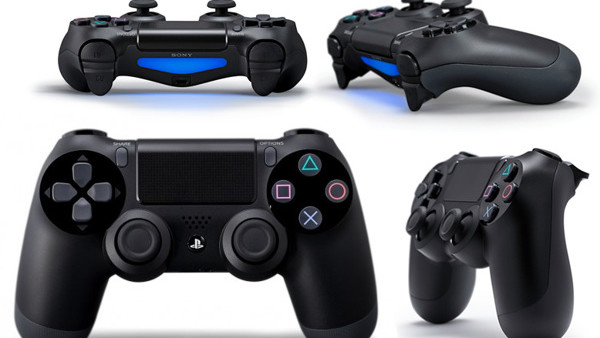
Not talking about deluxe 'pro controllers' or any modified third-party editions - if we're comparing the out-the-box Dualshock 4 with Microsoft's plainly-named Xbox One controller, it's the former every time.
Even from a base ergonomic standpoint, the older 360 pad felt better to hold and use - not to mention the overly noisy D-pad and drastically reduced form factor that makes the Xbox One redesign feel like it was going for some abstract 'style' goal in mind, rather than comfort or tactility.
Over to Camp PlayStation, and the DualShock 4 represents the first time we've had a form factor change since 1997, taking on board the lessons learned from the bulkier 360 pad, before refining the overall design to sit comfortably in the average gamer's hands.
You have to give Microsoft points for having a battery life that can hold up longer than the Dualshock 4's paltry four-to-six hours, but from the moment we laid eyes on where they were taking the formerly perfect-feeling 360 design, it was another noticeable negative.
2. One RIDICULOUSLY Effective Burn
If you were to point to one single event that buried the Xbox One, yes it would be Don Mattrick's comments recommending the Xbox 360 to those who didn't have constant internet connections - and yes it would be those early requirements for an 'always connected console' - but mainly, it would be Sony burying Microsoft with one viral video.
Now viewed over 16 million times, it landed slap-bang in the middle of all the confusion surrounding the notion of Xbox One games requiring licenses to play, and therefore not being shareable amongst friends or being tradable at retail.
All it took was Sony making real the sketch we all had in our minds of "How you share a game on PS4" (you pass it to a friend), and history was made.
Zip the Xbox One up, as this console generation 'war' was over before it started.
1. Having A Single Game Worth Buying The System For

Obviously you want the number of key exclusives to increase over time, but nothing lands better than having one marquee exclusive you can hang a console's reputation on.
The Nintendo Switch launched with Zelda: Breath of the Wild, and though the likes of Bloodborne, Uncharted 4 and Ratchet & Clank were exemplary, Horizon Zero Dawn is a real head-turner.
Easily one of the best looking games of the generation, not only does it justify the system on a purely jaw-dropping aesthetic level, but Zero Dawn plays like an amalgamation of all your favourite third-person action games rolled into one.
From Tomb Raider bow n' arrow combat to The Witcher 3 side-mission structures, Assassin's Creed stealth and plenty of crafting in between, Guerrilla Games' first game that isn't Killzone in over a decade is a monumental, generation-topping achievement - something you can't say about any exclusive on the Xbox One.