8 Reasons Video Games Will Never Be 100% Realistic

While the boundaries of graphical prowess are forever being pushed, there are some limitations that just cannot be breached.

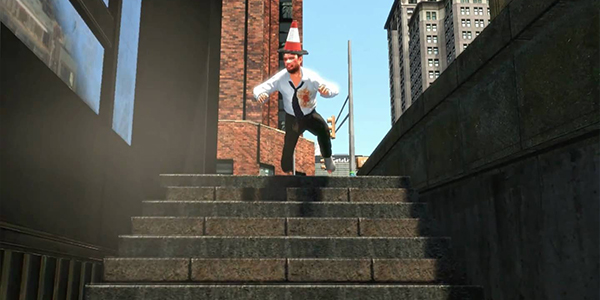
Disregarding the believability of game worlds, stories, and mechanics, fans are always pining for further advances in gaming technology that will make them more realistic. There are a slew of articles readily available that focus on visuals and just how close the industry is getting to photorealistic graphics. While the look of a game goes a very long way to immersing players and blurring the line between fantasy and reality, there is so much more to it than detailed textures and near-human character models. LA Noire caused a wave across the gaming community when it took it to the next step with unbelievably advanced character models that crossed the uncanny valley and interacted in a way that made them feel genuinely human. However, while the boundaries of graphical prowess are forever being pushed, there are some limitations that just cannot be breached. Most likely, it is because of the following reasons that video games can never be 100% realistic.

8. Interactive Environments

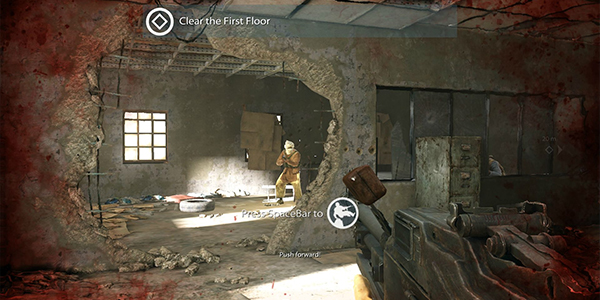
With open world games being ubiquitous, gamers have become accustomed to exploring expansive and extremely detailed environments. But there are always limits to them. Even in the biggest worlds, there are always immersion-breaking boundaries that stop a player from going beyond a certain point. Often this takes the form of an unscalable mountain or an invisible wall. For a game to boast an entirely 100% explorable world, it would need to be prepared for players to break down these physical barriers. It doesn't even have to be in sandbox games either. Take a game like Red Faction. It broke several moulds by introducing GeoMod technology that allowed the player to bust down walls and bridges and find alternative routes. While the technology has moved on since, no game has been able to truly put the player in ultimate control by allowing them to break free from restrictive game environments to explore an almost endless world. Imagine an FPS where you can completely destroy the wall of a facility and escape into another part of the game that wasn't intended for story purposes, yet is still alive and detailed and just as germane to the environment. The idea just seems too grandiose to even consider.

7. Character/NPC Conversations

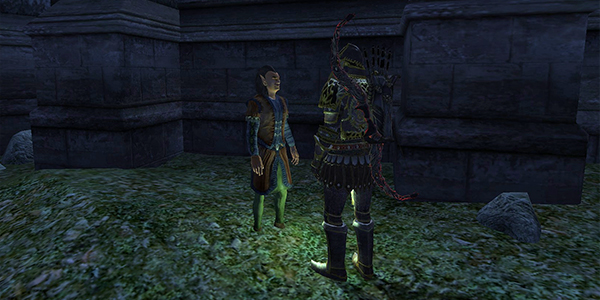
As hardware continues to improve, developers are always keen to add in as much dialogue as they can, making the story more enjoyable without players having to read huge walls of text. It also paves the way for voice actors to set new standards, particularly in an industry that €“ until recently €“ has been the subject of jokes in regards to dialogue and voice-over work (see the original Resident Evil). As well as the main story, games also breathe life into non-essential characters by giving them cues and a few lines that can be heard from afar. Sometimes it leads to plot development, other times it's just there for realism (people do talk to each other after all). But no matter how much audio they can fit into a game, it can never account for the mind-boggling array of things people can say to one another. How many times have you played a game where you've been listening to two bad guys talk to one another only for the conversation to end abruptly? They'll continue patrolling the area and will never say another word to each other. Or how about RPG characters who always repeat the last thing they said to you? Would it ever be possible for the game's code to change what each person says every time, keeping it relevant to the situation and also fresh? Probably not.

6. Health Regeneration

It's important to stress at this point that players should not die immediately if shot. There are many examples of real people suffering severe injuries and gunshot wounds in places that would normally be fatal, but living through it. A game that punishes players by killing them immediately after being shot, or worse still dying later on due to infection or other complications would be an infuriatingly difficult game to complete. But it remains to be said that games often gloss over severe injuries in order to keep the pace going. Understandable in that respect, but while some games choose health packs while others prefer the 'Wait And Regenerate' method, it doesn't take into account the sheer number of injuries a person can sustain combined with the amount of instruments that can be used to deliver these wounds; which is insurmountable. Games such as Far Cry 2 tried to account for this by introducing various methods of recovery, such as wrapping bandages or removing bullets from gunshot wounds. But how would games cope in the future if a character could sustain injury by tripping over a rock or stepping on Lego bricks?

5. Stealth Is Too Easy

For fans of stealth games, here's a quick thing to try. If you have a copy of Thief (or Thief 2), load it up and find a level with a good place to hide from enemies (i.e. most places). Make sure you purchase a scouting orb or two before starting the mission. When you're successfully shrouded in shadows, throw a scouting orb a few feet ahead of you, ideally in the path of where a guard is patrolling. Then turn so the orb is facing your character. Can you see yourself through the orb, crouched down in an alley like a waiting bin bag? Good. Now, open up the options screen and reduce the brightness of the game. Reduce it enough so that you can't see Garrett (the protagonist) at all. That right there, is how dark it would need to be in order for you to be able to fully hide from enemies. This is one of the main problems of realism in stealth games. Alongside NPCs that are vigilante and paranoid, there is no way they would approach pitch black areas alone and without a source of light. Admittedly some do, but enemy AI is not usually handed out by the bucketload. Stealth would need to be so intricate and full of skill that the game would be either too difficult to traverse or it would be so slow in terms of progression as to render it dull. Enemies need to remain at least a little bit stupid in order to allow us to suspend disbelief.

4. Instant Weapon Skills

Many titles feature tutorials designed for movement and weapons training that are either cleverly implemented into the initial stages, or part of a separate entity to the main quest. This is to allow players to become accustomed to how they function. But there are far too many games where the protagonist is instantly able to handle any gun and fire with amazing precision even if they've never held one before. This goes for games that feature well-trained marines and muscular leviathans brandishing artillery the size of a war budget. They may know about their own guns, but what about when it comes to picking up an enemy weapon in the field? What if a soldier has never handled an AK-47 before, or what if it's a sci-fi shooter and you encounter some alien technology? The game doesn't have time to take into account additional training and fumbling controls when it comes to using a different weapon. Gordon Freeman is probably the most famous example of a character who's brains are somehow easily transferable to brawn. Most of us handling even a small firearm in a crisis situation would find ourselves concussed against a wall from the recoil experienced the first few times.

3. No Consequences...

...except in GTA games of course. But even that has little to no long term solutions. In video game logic, if a character commits acts of murder, there is usually no repercussions save for the onslaught of more enemies. Going off GTA as the obvious example in this case, where the main character to receive full penalty for such heinous acts, the player would quickly find themselves playing some sort of court case simulator followed by several years of real-time prison experience. This goes beyond violence as well. The consumption of alcohol equates to temporary blurred vision and occasional hiccups from the main character. Where they to actually experience true drunkenness, you're more likely to see some sort of "Craving For A Kebab" meter appear. Let's not forget that alcohol impairs your ability to function, and if we're going off the realistic damage feature mentioned earlier, it's going to be a very quick game. There is no way developers could possibly punish characters to such extent, because a game that ends with your character experiencing liver psoriasis while serving twenty years does not make for a lively experience.

2. Time Moves Too Quickly

Day/night cycles are commonplace these days. When roaming vast areas of land, the experience of passing time is an important part to creating greater immersion. It also means settlements and people react accordingly depending on whether it's midday or midnight. But in order for it to reach realistic expectations, time would have to move at the correct speed. Days would last the full twenty-four hours if the game was set on Earth, and this would create quite a few problems, if it can even be done. One of the main reasons why most of these points in this article are so problematic is they slow down the pace of the game. It's important that developers create a believable product without it being a trawl to play through. Imagine playing an RPG where you are expected to meet a character at a certain time. If that time is a few hours away, it would mean having to wait out those hours in real time. Oh, that means we can't have wait-functions either. Not to mention sleep would mean your character climbing into bed and you walking away from the computer for the next seven hours while they rest up. Also, ageing. If you want to portray time properly, you would need to show characters and NPCs becoming older as you spend the next few years trying to complete it. Which is how long it would probably take.

1. Death Is Never Final

People often talk about games having only a one-play sustainability. Once you've clocked it the first time, there's nothing else to discover, and if there's no multiplayer mode it renders the product pretty much obsolete. But what would happen if it truly was just a one-time experience? What if when your player dies, the game ends entirely, leaving you feeling judged about your feeble attempts to battle your way through even the first few levels. What's even worse is the thought that your death may not be the result of an enemy attack. As more and more survival-based games program hunger-gatherer features that keep players scavenging for sustenance, you could find yourself with a permanent Game Over screen because you neglected to open a tin of digitally rendered beans. And then there's dying due to your own stupidity, such as falling off a ledge or drowning in a lake. Developers would have to make games immensely easy in order for the average player to win them. Well-hidden traps would either force the player to tread so slowly, they'd probably succumb to in-game muscle aches and end up limping the rest of the way. Besides, who wants to buy a game that's less of an investment and more of a gamble?

 
Posted On: 
Contributor
Contributor

Mild-mannered head scratcher. Once did a thing while performing the stuff. Never been to Belgium. Add me on twitter @AHeatonWriter