9 Ways All Open-World Video Games Are Starting To Suck
Was Horizon Zero Dawn the genre's final hurrah?

Video gaming generations have always been defined by specific genres. A decade ago it was World War 2 shooters, after that it was linear, story-based third person experiences, and ever since the dawn of the 2010s, sandbox games have reigned supreme.
Although they were always popular, open world games received a much larger focus after the introduction of the PS4 and the Xbox One, no doubt thanks to the way those machines alleviated the graphical limitations of the genre that plagued titles such as GTA IV and Oblivion in the previous era.
But just like every major video game fad before it, open world games are going to die. And they deserve to.
After years of having every major new release be a sandbox game, players have become accustomed to seeing the same old features in virtually every title, and developers have been content to continue regurgitating the same tried and tested open world formulas.
Unfortunately, this mentality has resulted in a homogeneous sea of releases that all do the same thing, and the games are starting to flat-out suck because of it.
Sure, there's still some big names that get away with iterating on what came before (Horizon Zero Dawn being this year's example), but for the most part, if games don't stop being slaves to these dated conventions, the entire genre is going to pay the price.
9. Upgrade Systems Are Pointless
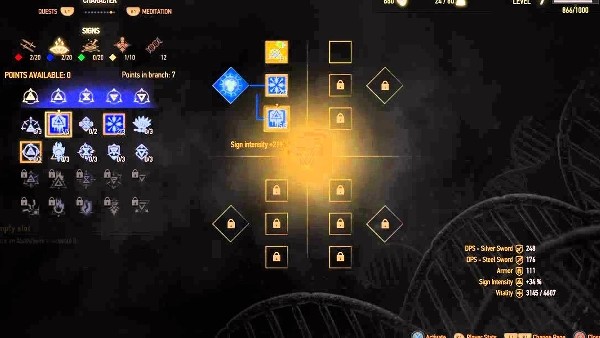
It was arguably Far Cry 3 that really brought single-player levelling up systems to the mainstream. Instead of just repeating the stat-based model you'd find in older RPGs, Ubisoft's shooter used its character upgrade screen to give players new ways to tackle situations, adding increased variety to the already deep gameplay with each new unlock in the skill tree.
Unfortunately, not only have games been content to rip off that system ever since, but they've somehow managed to completely miss what made it great in the first place.
Instead of awarding you a handful of skills to begin with and making them even better as you play, modern open world games are content to offer the player incremental upgrades to a wide array of similar abilities.
Rather than use the system to open up brand new gameplay experiences, developers tend to throw in skill trees simply because that's what players expect. They don't put any thought into character upgrades other than bog-standard tweaks like "+0.5% Accuracy" or " +2% Reload Speed", inconsequential additions that wouldn't be missed if players ignored the system entirely.
8. Bigger Isn't Better
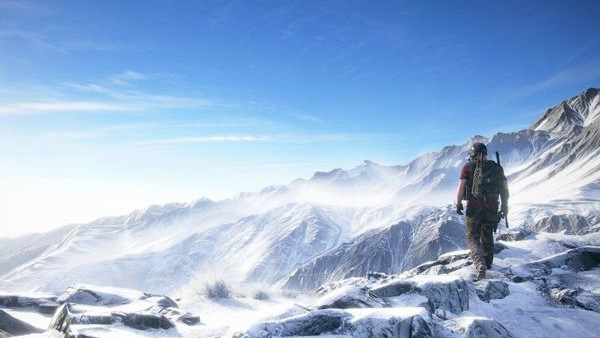
Developers of open world games seem to be in a constant state of war with each other to see who can create the biggest sandbox for players to explore. It's a war nobody asked for, but you can be sure that the release of every new game in the genre will always be accompanied by splash-quotes from developers proudly asserting that their map is bigger than the competition's.
But bigger isn't always better, and it's becoming an increasing problem that developers are content to build huge worlds while forgetting to put anything interesting in them.
Not only that but gigantic environments mean that players rarely ever find themselves in the same place for a more than an hour or so. Consequently, players rarely get the chance to become familiar with the world itself, resulting in some visually stunning sandboxes over the past few years that were instantly forgotten about as soon as the game had been beaten.
7. Most Side Missions Are Chores
Once upon a time side quests used to be just as good as the main campaign of a game itself. But while developers of titles like The Witcher 3 still award the same attention to additional content as they do to the main narrative, more often than not, open world titles are happy to pad out their games with menial tasks or mind-numbing chores.
Boring filler that accomplishes nothing more than adding a couple of hours to a game's length, these tasks can barely even be considered side missions at all, as they usually have you doing nothing more than walking from point A to point B, maybe killing a few guys along the way.
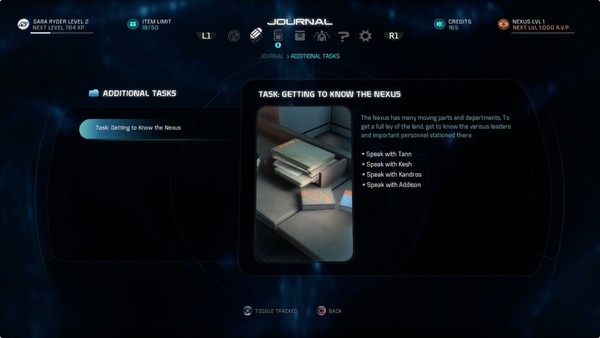
Mass Effect Andromeda has been the latest victim of this design philosophy. The game's main hub world, the Nexus, is full of these menial tasks that have you spending hours collecting datapads and following power chords in quests that don't offer anything substantial on either a story or gameplay level.
You can ignore them for sure, but it would be so much better if developers used the time they took to implement these errands to further polish the parts of the game players actually enjoy.
6. ...And The Ones That Aren't Have Been In Every Other Game

That said, there are still major distractions to sink your teeth into outside of the main quests in sandbox games, and not everything is boiled down to simplistic checkbox-ticking either.
But the problem is that these more substantial activities are repeated across every open world game you play.
Seriously, you can boot up any sandbox game from the past few years and you'll no doubt be met with some bandit camps to raid or map-revealing towers to climb. Even Breath of the Wild had them.
Every title approaches these activities in a different way, and they usually add their own spin to them at least from a visual perspective, but this aesthetic variation only does so much to disguise the fact that you're ultimately engaging in the same basic activities over and over, and over again.
5. There's No Sense Of Pace

It's not a new complaint, but it still deserves to be said that open world games struggle to create a well-paced story.
Because of their inherently unfocused design, it can be difficult for sandbox games to create a sense of rising intensity and urgency when players can spend ten hours just wandering around helping farmers herd their sheep or whatever. In many cases - like say Mass Effect 3 - it actively doesn't make sense for the protagonist to do anything other than complete the most obvious task at hand (in that game's case, saving the world).
While this wasn't much of a problem when open world games were the exception to the rule, most modern major releases use the genre as a framework and haven't figured out a solution to solving the issue of this unfocused design, meaning that the quality of sandbox narratives hasn't improved over the past few years.
4. Crafting Systems Are Boring
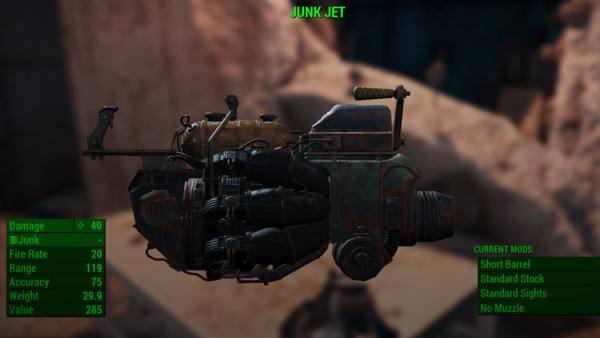
While it's not a feature exclusive to sandbox games, you can't move for crafting systems in contemporary releases. As developers litter their environments with resources to scrounge, you'll no doubt spend a good chunk of time in modern titles browsing the crafting screen creating new ammo, weapons or armour.
But while the feature is present in just about every modern genre, open world games are more likely than any other to lazily implement it. Because for some developers, the addition of a crafting system means that they'll always have something for players to 'engage with' in their world that adds some sort of value, even if it just allows them to improve their inventory space or ammo capacity.
The problem is, just mindlessly picking up items isn't fun, and it's rare that any thought is actually put into the types of resources you're searching for or how they combine with other things in the world.
Plus it makes actually creating the weapon you want or the armour you need a complete chore. No longer are these items found in the environment, but instead the game will have you spending hours searching for visually uninteresting resources, just so you can actually craft the thing you wanted half an hour ago.
3. You're Following Objective Markers Rather Than Exploring
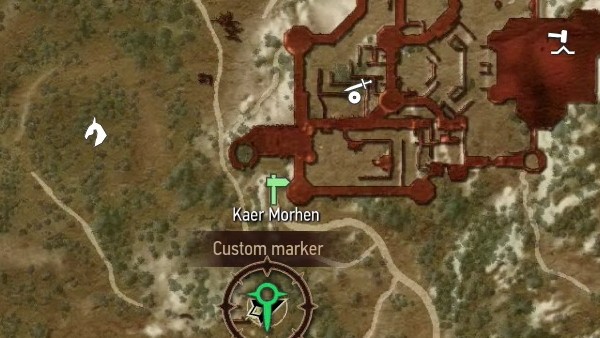
Although a lot of sandbox games can be feel empty and lifeless, some such as the Arkham series are packed to the brim with environmental storytelling and outstanding visual flairs.
However the problem is that to make their games more accessible, developers refuse to encourage exploration within these environments. Even small features such as a waypoint marker ensures that players will breeze through an open world, mindlessly following the pointer on their mini-map while ignoring all of the detail in the map itself.
Removing these markers or making them less obtrusive would give players a reason to actually take in the world around them and become familiar with it as they make their way to the next objective. It would breed a greater connection to the world you're supposed to be a part of and not disregard all of the work the artists put into bringing these sandboxes to life.
It's the journey that's always more important than the destination, yet modern open world games seemed to forget this years ago.
2. There's No Cohesion Between Gameplay And Story

Good open world games give you a series of enjoyable things to do in their sandboxes, whether that's a good story, side missions or collectables to pursue. A great open world game connects all these disparate features together in way that is both linked to the themes of the title itself as well as the actual gameplay.
For instance, the criminally underrated Mad Max is a brilliant example of a sandbox that nailed a sense of cohesion between gameplay and world. Not only does everything you do build towards a greater goal, constantly making you feel more powerful and experienced in the process, but it always feels distinctively linked to the Mad Max brand.
Even systems I've complained about previously such as the raider camps you can liberate are tied so well to the actual narrative, and Mad Max as a character, that it feels organic and useful to stop and engage with every one of these side activities, rather than just ploughing through them to get your money's worth.
Similar to the problem with crafting systems, developers are too preoccupied with ensuring they have all the bells and whistles players expect from a game in this genre, that they forget to tie them together in a way that makes sense and/or functions cohesively within the world they have created.
1. Player Freedom Can Often Ruin Immersion

Open world games have always championed the ability for player choice, but sometimes giving the player too much freedom in how they interact with the game can end up not meshing with the characters and story that a game is focused on.
The most recent example of player freedom jarring with a game's story was probably Watch Dogs 2, where, like most games, you're able to use a variety of different weapons to blast your way through every one of the title's main missions.
Thing is, Watch Dogs 2's main cast are never shown to use any guns in the plot, never mind murdering hundreds of people in cold blood. Neither the story nor the gameplay needed guns, and consequently the decision to let players use weapons to solve every situation didn't align with a narrative that was all about hacking and stealth.
It's just one example, but it's probably the most obvious evidence that just because a game can give the player the freedom to tackle scenarios how they want, doesn't mean that they should.