Batman: Arkham Knight - 10 Things It Must Learn From Asylum

Rocksteady's first entry is arguably still their finest.
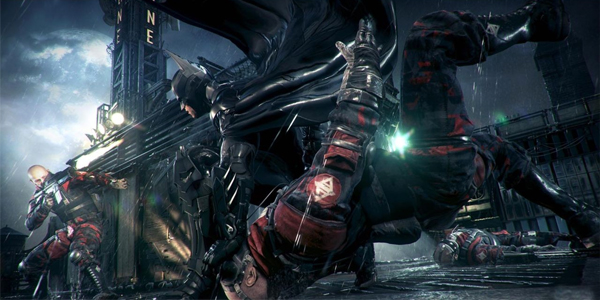
Asylum or City? The debate rages on and on, with Rocksteady's work on the now-legendary Arkham series providing a monumental foundation of game design that essentially every superhero tale can take from in the future. Still, when you look back at the titles released so far there's quite the poignant left-turn from one to the other, with Asylum being a more linear, corridor-crawling atmospheric tale and the other a free-wheeling open-world extravaganza that (arguably) really didn't need to be. Arkham City certainly upped the ante in terms of scale and you were free to breathe in plenty fan-nods along the way - witnessing everything from ACE Chemicals' green glow shining in the moonlight to the varied banter from goons discussing everything from other DC characters to your impact on the city itself. The problem, was in amongst this idea of taking things that used to exist on a fairly linear path and scattering them across an entire city it lost that exquisite sense of focus and narrative drive Arkham Asylum had, not to mention in a title with 'Arkham' in the name, there should probably be a very imminent sense of imprisonment and claustrophobia throughout. As Arkham Knight looks set to nail its June release date whilst throwing in elements like the Batmobile that might derail the whole thing, it's important to look back on everything Rocksteady got right the very first time, to be mindful of how they'll succeed in the end.

10. Side Missions You Can Complete Without A Guide
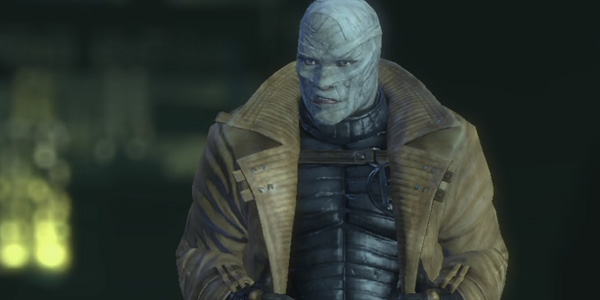
Although it was one hell of a ride, once Arkham City was done you were ready for more - only to be greeted by a number of fetch-quests disguised as everything from character-revealing murder mysteries to tracking down toxic Titan containers. The problem was after discovering things like Hush's faceless victims or happening across Azrael on a rooftop, it was up to you (as the player) to figure out where to go next. Origins would remedy the idea of a more in-depth Detective Mode, but considering how effective Batman's cowl can be at identifying blood toxins and poisons across the city, leaving you to simply rummage through every alleyway in the hopes of discovering the next clue is a bit misguided. Asylum obviously had less under the hood when it came to the sheer amount of characters to interact with (the fact they were all within a more confined space let you see them all) but it doesn't change the fact that unless you could be bothered to comb through Arkham City itself or use one of the guides online, you'd never have found the likes of Hush, Riddler, Azrael and the rest.

9. Less Repetitive A-To-B (To A) Mission Structures

Have you been back through Arkham City recently? The whole thing starts so incredibly strong, with Hugo Strange somehow knowing that Bruce Wayne is Batman, only for the series of events following to be a mad scramble to find the cure for a disease Joker infects him with instead. Pacing and story issues will be addressed later, but the very act of having to dart from one location to another after such an impeccably engaging intro leaves a weird hangover to proceedings where you'll forever be going to point A to collect item C, just to return it to B, all the while wondering when things are going to return to the main crux of the story. Sadly that never happens - events just sort of play out in Arkham City as they come, with you free to wander off and do whatever you like in between regardless of the emerging infection presumably crippling Batman from within. Asylum had a very definitive endgame (stop the Joker) which looks to be echoed somewhat in trying to stop the Arkham Knight - the issue will then be keeping the world interesting alongside that, without resorting to constant backtracking that can muddy the focus.

8. Batman Should Feel Like Batman

That opening shot from Asylum where Bats drops Joker off is just quintessential Dark Knight; the hulking figure of cloaked justice towering over those who seek to abuse it - there's nothing better. However, character aesthetics will only get you so far - and make no mistake, the version of Batman Rocksteady designed is spot on visually - and therein lies the rub; the Batman in Arkham City was closed off and super-serious to the point where you were essentially playing as a bit of an ignorant jerk. From randomly choosing to save Talia instead of the entire population of Gotham (only to be stopped by Alfred of all people) to being saved himself by Catwoman and Robin yet only responding in a "What took you so long?" style of tone, there's nothing in the way of relatable dialogue that'd make you get behind Bruce's motivations other than the usual untouchable defence of "He's Batman". Asylum's introduction to the character showed someone very much out of their depth once Joker reveals his plan, and then a team effort to get Bats out in one piece, relaying plenty of information and having multiple scenes of interaction between cops and side characters throughout that realised the character far better.

7. Dream Sequences That Impact The Story
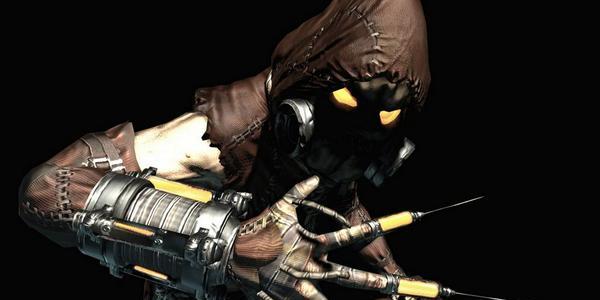
Naturally when the fans respond to a sequence of events in your first game where you're out of your mind on hallucinogens, the only thing to do is crank up the crazy and remove any semblance of reality - thus giving you the Ra's al Ghul levels from City. The only problem was then in the free-wheeling level design itself, which saw you flying/gliding between moving platforms whilst trying to catch Ra's, all the while an instant fail-screen waiting if you touched the ground. Needless to say it was extremely annoying and didn't really serve anything to the story other than momentarily convincing Talia and Ra's you'd come to join their order, when Bruce really just needed a phial of the latter's blood he could have strong-armed out of him much faster. Asylum's Scarecrow sections actually gave way to Batman's inner torment, reducing him to a child within his own mind and pulling on the common thread many writers for the character tap into - that question of what he could've done to prevent his parents' death. The best part was you didn't even realise what was happening until you were under Scarecrow's Fear toxin either, letting Rocksteady do some cool bait n' switch rug-pulls with visuals that connoted Metal Gear Solid 2's ending a tad - something that was completely missing from the all-singing all-dancing City section.

6. A Reason To Revisit Areas And Use All Your Gadgets
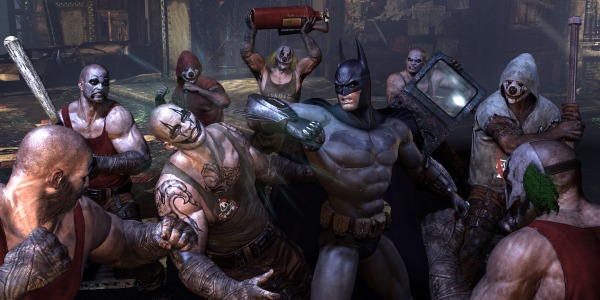
'Metroidvania' is the amalgamative title given to the blurring of both Metroid and Castlevania's structures - that idea of having parts of the world be cordoned off until you've got a certain item or weapon that'll let you gain access later on. Zelda has owned this more than most, with 2009's Shadow Complex also being a fantastic iteration on the formula too, but it was with Asylum that you'd see something like a weak ceiling or far-off grate only to realise later on you've now got the means to revisit older areas and open up new pathways. City's labyrinthine placement of alleyways and subway systems meant you were far more likely to stumble across something and attempt to interact with it then and there, rather than make a mental note and revisit yourself later on. For Arkham Knight although you'll be darting around the place in the Batmobile it's imperative to nail the look and feel of separate districts within Gotham for the sake of the player learning the map, not to mention having any frequented interiors look inviting and varied enough to warrant repeat visits and experimentation with all the gadgets.

5. Boss Battle Placement

A lot of Arkham City's overall tonality was routed in throwing everything at you at once, essentially establishing that idea of being inside one gigantic prison yard, except every major player was a villain of legendary status. The flip-side to this approach is that you barely got a chance to breathe between one and the next, instead you're forever coming down from one encounter only to begin the ascent to the next - there was no time to really take in Arkham City's art aesthetic or tonality - something Asylum got spot on. When you've got guys like Bane, Killer Croc, Poison Ivy etc. that all have different contextual prompts and mechanics to take down, along with good stretches of content where you're tackling goons in between, it gets away from every area feeling like a 'boss room' where you're charging through to get to the final fight over and over again.

4. A Tight, Driven Narrative

You'd be forgiven for questioning exactly what Arkham City is about, as mentioned earlier although the game opens with the game-changing revelation that Strange knows Batman's identity, Rocksteady don't do anything with this knowledge either through ancillary dialogue between Bats and his team, or even when you track him down. In the end it's incredibly convenient for Batman that Ra's stabs Strange and takes him out of the picture, but gets away from the focus of the PR materials around the pre-release of the game too. Doctor Strange's plans were assumedly supposed to factor into some giant character revelation at the close of the narrative, but one plot-twist later and you end up getting a conclusion that's routed more in the Joker, despite him essentially sitting this one out after the first couple of scenes. Asylum knew exactly what beats to hit and exactly when to hit them. It knew what sections you'd rocket through and when you'd take a breath to assess your surroundings too. As such when everything came full circle and you realised Joker's plan went wider than just having some fun at Batman's expense the threat was real, the enemies were worth tackling in sequence and in retrospect the whole thing played out far more effectively than in the sequel.

3. A Reasonable Amount Of Riddler Trophies

Bigger isn't always better, and following Arkham Asylum's reception and the fact nearly every ardent player tracked down all 100 green question-marked statues across repeat playthroughs only to be greeted by an audio recording of Nigma being arrested, upping that quota to 282 across the whole of Arkham City only served to put people off altogether. There's a fine line when designing collectables, and you can easily say City walked straight over it. It was actually enjoyable to track down the trophies and symbols across the first game as you nabbed one every few minutes, whereas when you're doing miniature speed-runs, activating switches in certain orders or even realising that until you've collected around 50 you've barely scratched the surface, far too many players just watched the Riddler's final cutscene on Youtube instead.

2. Unique Strategies For Every Boss

Name your favourite boss battle from Arkham City... was it Mr. Freeze? Congratulations, you've named the only one that felt unique in the whole game. That's obviously a very accusatory and harsh way to open an entry, but can you honestly say that after you played through or experienced this fight, it didn't make you long for more inventive showdowns from the rest of the game? For Penguin you simply got the right upgrade before uppercutting him skywards as a 'Hadouken!' soundbite probably rang out in your mind, Solomon Grundy was your standard 'dodge the powerful attack, then retaliate' bruiser (as was Clayface) and although Ra's had a cool mix of dodging and attacking, it was one good idea repeated until you won. What Knight needs to do that both City and Origins somewhat dropped the ball on, is deliver unique and new ways of taking down these foes that make each fight seem individual and unique. Metal Gear Solid is most-famed for this kind of thing, and considering how varied the traits of each character in the mythos already has, there's got to be more interesting ways to take them down.

1. A Truly Great Final Showdown

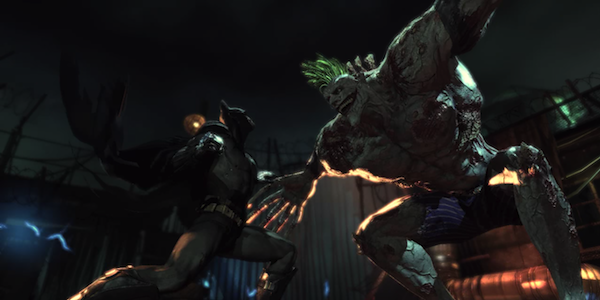
Something Rocksteady can essentially learn from both Asylum and City is that idea of doing a big final boss battle that isn't just a protracted sequence of punching a bag of meat for 10 minutes. Plenty people have waxed lyrical about the 'Titan Joker' final fight of Asylum being a downer, as the team took one of the most intelligent curveball-throwing villains in entertainment history and made him into an overgrown hulk designed to bull-rush you to death. City's Clayface fight was essentially more of the same save for spamming some freeze grenades too - but at least that ended with you taking a kitana and slicing him into sashimi. For Arkham Knight it makes sense that either the titular character himself be the final boss - hopefully letting the developer take a cue from both City's Ra's al Ghul or Origins' Deathstroke fights to mix up quick-time events with brawling combat for a brutal fist-fight to the death - or it's some hidden puppet master we're yet to see revealed. Whatever happens it's safe to say that with the increasingly serious tone the Arkham titles have taken, having the very last battle of the game be nothing more than another 'big monster fight' would be one hell of a bum note to end on. Do you prefer Asylum over City? What elements would you like to see Rocksteady return in Knight? Let us know in the comments!

Gaming Editor
Gaming Editor

WhatCulture's Head of Gaming.