The Problem With AAA Game Design
A Lack of Innovation
The development time of AAA titles is getting longer, and as such, the 'play it safe' strategy is deployed to ensure that sales are steady and critical reception is positive. The prolonged process of game development combined with the immense pressure of a game's success stifles the innovative ideas that AAA developers are more than capable of having, and so players look to smaller, lower-budget games for a unique experience.
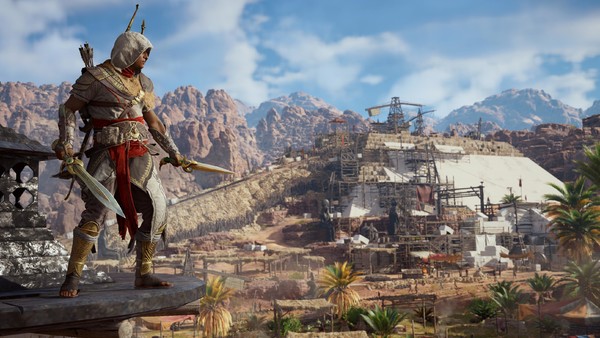
That's not to say that such games can't be enjoyable, quite the opposite. The blueprints that The Witcher 3: Wild Hunt laid out were replicated in a number of ways by Ubisoft on their beloved Assassins Creed series, with plentiful quest markers, unique environments and frantic action melee combat taking centre stage, and despite some technical hiccups here and there, the game received universal praise. The exploration-heavy gameplay loop simply works, and constantly provides a reason to dump hours upon hours into a single game. However, when the majority of AAA releases are finding comfort in the familiar (even those in the first-party, Ghost of Tsushima, Horizon Zero Dawn and Crackdown 3, for example) the AAA landscape becomes increasingly crowded with similar experiences.

Embedded within the sea of unnecessary clutter, Red Dead Redemption 2 told one of the finest stories the video game medium has ever seen. The fading light of the wild west provided the perfect backdrop for a hopeless tale of outlaw suppression and one man's path to acceptance that his time has passed. It's a story that sticks with the player long after the credits end, but the nature of its delivery is infuriatingly similar to previous Rockstar titles.
The developer is known for their attention to detail in expansive open worlds, but with their recent works in the Red Dead Redemption and Grand Theft Auto franchises, we're left with the same experiences with a new lick of paint. The story never feels connected to the open world, but the consistent critical praise that each game receives as well as the monstrous commercial sales it harvests, Rockstar would be daft to deviate from what they know works.
When video game titans like Rockstar are reluctant to change, why would anyone else?
The independent scene is the true source of innovation in a busy landscape of video game development, with companies like Giant Sparrow, Supergiant and Playdead leading the charge for new, exciting experiences in the gaming medium. Though the development of lower-budget titles is surely no less stressful, the pressure to succeed is minimised as there are simply fewer eyes on them, meaning lower expectations and crucially, far less scrutiny when (or if) things go wrong.
Assassins Creed is an exceptional series, and offers hours of enjoyment with each release, yet the stubborn insistence on remaining the same leaves no room for true innovation; a shame given how talented the developer is.