The Rise And Fall Of Star Wars: Battlefront III
A game made before the dark times. Before the EA-mpire.
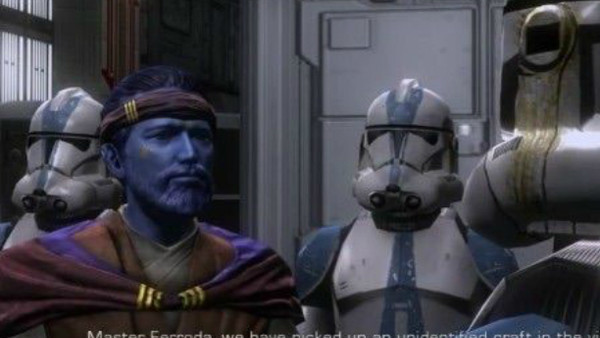
For those growing up in the new millennium, Star Wars: Battlefront is likely to hold a place in their heart. The Pandemic game, released in 2004 for the PS2, Xbox and PC, built upon a dynasty of LucasArts' own making, with the studio having published dozens of titles over the preceding decade. Most were fairly seminal for their time, and Battlefront - while not a perfect game by any stretch - was equally important.
Giving players the chance to take part in the film's most eventful and climactic battles, Pandemic's game resonated right across the board, releasing just as Xbox Live was coming into its own and placing the game right on the pulse of the zeitgeist as it then existed. A sequel, spin-off and a reboot later, and the franchise is still going strong almost fifteen years after its original debut. (Micro-transactions aside.)
But - much like the films themselves - Battlefront's journey has been a tempestuous one, exemplified in full by the tragedy that befell Free Radical's Star Wars: Battlefront III. It's the cancelled title that needs no introduction, and while it's fair to say that the Star Wars license is in a better place today than it was ten years ago, EA's Battlefront reboot has had the spirit of its cancelled forebear loom over it every step of the way.
And that's because that title - spearheaded by two defunct studios - showed so much promise. Hopping from ground to space combat at the flick of a switch; a storyline that would've built upon the obvious potential shown in the original title's sequel, and a whole bunch of eras to mess around with - these are all things that Battlefront, in its current form, lacks, but what that early title possessed in abundance.
It's what makes the third game's cancellation so tragic, and with rumours of a discontented Disney contemplating taking away the Star Wars license from EA, the thought of 'what could've been' only gets harder to shake.
What Went Wrong?
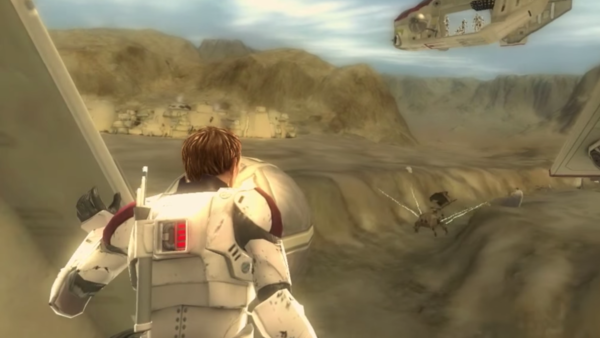
Although rumblings of a third entry in the main Battlefront series had persisted for some time, concrete evidence of the game's development didn't surface until 2008. LucasArts was, for lack of a better term, in turmoil, and employees who had only recently been given the sack took to the internet to divulge the studio's deepest, darkest secrets. Cancellations ran riot at their offices, with plans for a third Knights of the Old Republic game having been shelved in the earliest stages of pre-development, as well as sequels in the Jedi Knight and Republic Commando franchises.
It makes for traumatic reading for any Star Wars fan, but the game that sits atop LucasArts' graveyard is Free Radical's Battlefront III. Conceived in the aftermath of Battlefront II's wildly successful release, and in Pandemic's departure from the franchise, the third Battlefront game was meant to be bigger and bolder, utilising next-gen technology to realise concepts that would've been difficult, if not downright impossible to replicate on older hardware.
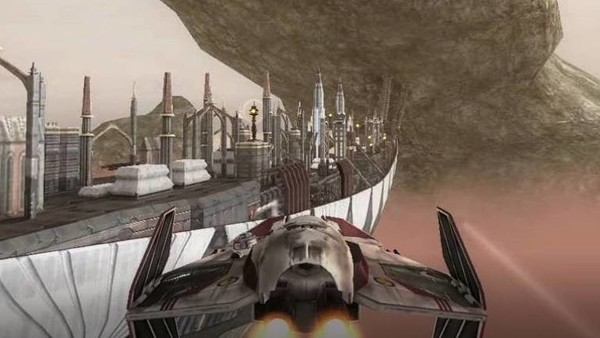
Those aforementioned space-to-ground transitions would be the title's biggest selling point, with players being given the option to hop in a starfighter whenever they wanted and, at the push of a button, launch into the atmosphere and take the fight to the nearest Star Destroyer. Thrown in with all of this was an ambitious campaign that would've built upon the foundations of Battlefront II's, taking a cinematic focus wherein a Nolan North-voiced protagonist (or impersonator, we can't quite tell the difference), called 'X-2', would partake in the Clone Wars all the way through to Order 66.
It looked impressive, but Free Radical's game was, for one reason or another, not meant to be. What reason that actually is depends on who you ask, with former LucasArts employees having previously maintained that the reason for the game's cancellation stemmed from Free Radical missing deadlines, and not - as Free Radical's developers claimed - that LucasArts were unwilling to market the game thoroughly due to budgetary concerns.
Irrespective of LucasArts' protestations, the publisher's internal turmoil has long been made public. Steve Ellis, the co-founder of Free Radical, even claimed that the game was completely finished by the time it was eventually cancelled, only having the QA phase to go through before going gold later down the line. It only makes the project's story all that more tragic, and while there are countless other titles that were lost to LucasArts' decline, Battlefront's would appear to be the one that hurts the most.
A Cancelled Game With A Difference
Of all the ways the industry has shifted over the last decade, the loss of LucasArts has to be one of the worst. Their Star Wars titles, among other seminal works like Grim Fandango, Monkey Island, and even a few Indiana Jones games, were almost always enjoyable and inventive. And while the Battlefront series was handled by studios working under their watch, its eventual decline was emblematic of the problems that afflicted LucasArts as a whole.
And that's perhaps why Battlefront III still manages to pique everyone's interest. Stories of its developmental problems emerged as the studio wound down its releases, with only The Force Unleashed, a Clone Wars tie-in and a release for the Kinect comprising the company's last ventures in a galaxy far, far away. It left a whole the studio never cared to fill.
More important, however, is how the franchise has evolved since all the leaks, stories and rumours surrounding Free Radical's doomed project first surfaced. The Battlefront of today might be a fine game, packing polish, visual fidelity and compelling gameplay, but it's a different beast to the franchise of old. The lack of any single player in the first reboot as well as the microtransactions of its sequel have only worked to the series' detriment, encouraging fans to look to the past and contemplate what could've been.
Cancelled titles always tend to occupy a special place in gaming discourse, with most - more often than not - having shown a great deal of promise before their demise. None, however, have been eulogised quite like Free Radical's Battlefront III. Given how good it looked, to say that's surprising would just be dishonest.
-
And thus ends the Ballad of Battlefront III. Does its cancellation still manage to pack a punch? Let us know in the comments below and, before you do, be sure to check out WhatCulture Gaming on YouTube too!