Tomb Raider: All 12 Games Ranked From Worst To Best

From locking butlers in fridges to dodging bullets on mountainsides.
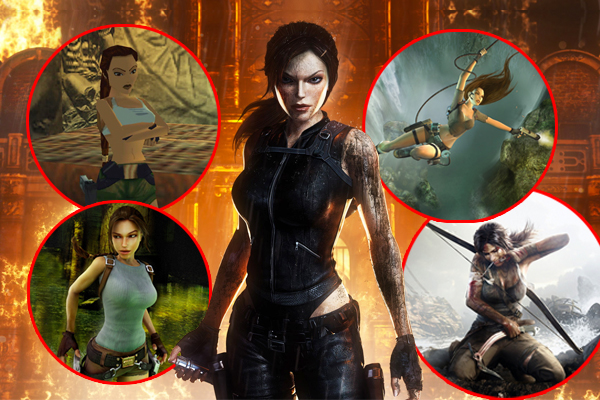
Rise of the Tomb Raider is nearly upon us, and it's given off just enough hints of greatness to warrant excitement. From my hands-on time with it back at EGX 2015, I was happy to see it bring back some of that tough, semi-scrutable puzzle-solving of Tomb Raider, and the demo was full of cinematic gameplay moments (in which you could actually die) while not being flooded cheap quick-time events. The game will follow a young Lara Croft's continued growth into the legendary ass-kicking Tomb Raider she grows to become later in life (in the earlier games). With her latest outing due November 10th, 2015, what better time to reflect on all of Lara's adventures and misadventures up to this point in the series' long and volatile life? The history of Tomb Raider has been checkered, offering us some excellent refinements of the puzzles and challenges that made earlier games so great, but also taking Lara to strange and dreary places that are best left forgotten. Yet all throughout, the games have been consistent in delivering us bizarre supernatural plots and wonderfully problematic depictions of femininity that continue to divide people to this day. And for that, we love her. Here are all of Lara Croft's major outings (excluding the forgettable handheld and mobile releases), ranked from worst to best. Where will Rise of the Tomb Raider slot in? We have just over a week to find out...

12. Tomb Raider: Angel Of Darkness (2003)
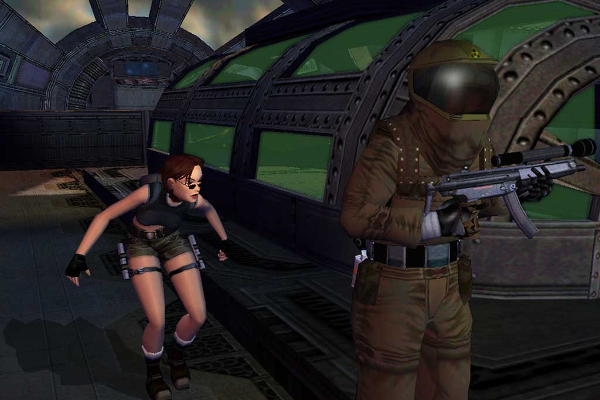
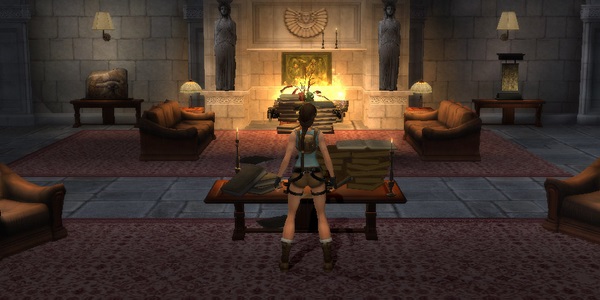
After a three-year hiatus, Lara Croft made her return on the PS2. Can you imagine the excitement? One of the most important games of all time overhauled for the greatest video game console ever? But wait. Don't put yourself in the over-excited shoes of yourself back in 2003, lest you relive the disappointment you felt when Angel of Darkness finally did drop. While the visuals looked decent enough for the PS2, the game was a buggy, over-animated mess. Everything, from opening a drawer to grabbing a ledge, took painfully long, and gameplay-wise it more awkward than the previous-gen iterations (which were already showing their age badly by 2003). The contrived RPG-style 'strength' system - which forced you to build up Lara's strength to do things as mundane as pushing crates or opening doors - was the icing on the cake. Or, more fittingly, the biggest nut in the turd.

11. Tomb Raider: Chronicles (2000)

So with Lara Croft apparently plummeting to her death at the end of The Last Revelation (it's not a spoiler, because we all know that Lara can't really die), what was the next title in the series to do? Go on a round-the-world tour of Lara's adventures at various points in her life, it seems. While the globe-trotting premise was strong enough, Chronicles was the game that should not have been, because man did its game engine (essentially the same one from the original Tomb Raider) feel rickety by this time. It was like watching a legendary old boxer come out for that one ill-advised last fight to cement his legacy, then watching in horror as he inevitably gets flattened in the first round. Chronicles was more of the same old puzzle-solving and gunplay from previous games, albeit with even more spooky supernatural stuff. Ultimately though, the content didn't matter, because the engine was well past its sell-by date.

10. Tomb Raider: The Last Revelation (1999)
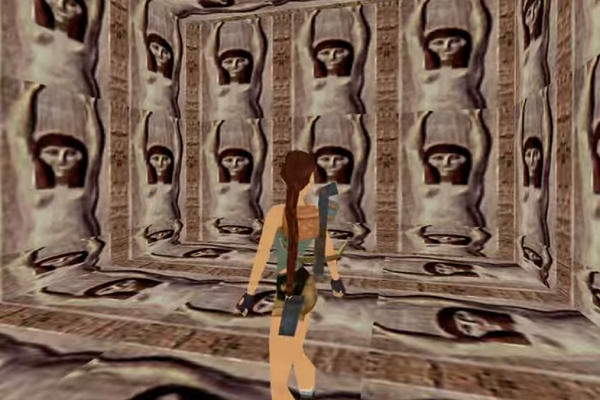
With Tomb Raider III having come out the previous year, it felt like a backwards step when The Last Revelation confined the series to a single location again. Predictably, that location was Egypt, which just felt so visually homogeneous and sandy compared to the globe-trotting and wacky Tomb Raider III that preceded it. Yes, there were some new moves for Lara to play around with, and it was a forward step to be able to take different paths through certain levels, but overall it felt like the series was starting to repeat itself without making any discernible progress; a pattern that was to reach its grim peak in Tomb Raider: Chronicles the following year. In other words, The Last Revelation was showing signs of what we'd term today as 'Assassin's Creed syndrome'.

9. Tomb Raider II (1997)

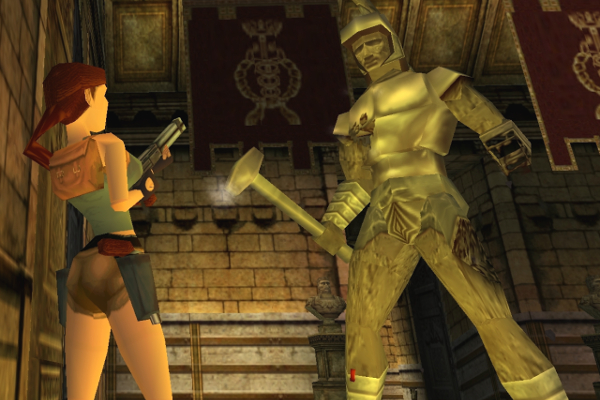
A lot of people will be up in arms that a game from the revered original Tomb Raider trilogy would rank this low in the list. But stay your anger, people, because there's a marked jump in quality between this entry and the the previous one. Tomb Raider II expanded on the original in all the areas we wanted. It took places across a diverse range of locations around the world, introduced a variety of powerful new weapons (that harpoon gun!), and some vehicle-based gameplay segments to spice up the action. And who can forget that stalking, farting old butler who follows Lara around her new, improved, and weirdly disproportional mansion - in which the kitchen sink is big enough for Lara to take a bath in. For all of Tomb Raider II's great qualities, it lacked the spectacular impact of the original and the diverse, outright crazy levels and abilities that make the third entry still enjoyable to this day. Tomb Raider II remains one of the finest games of its generation, but there's just not that much value to playing it today.

8. Tomb Raider: Legend (2006)

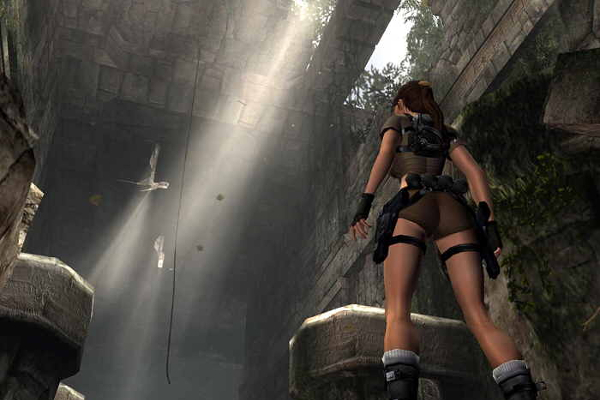
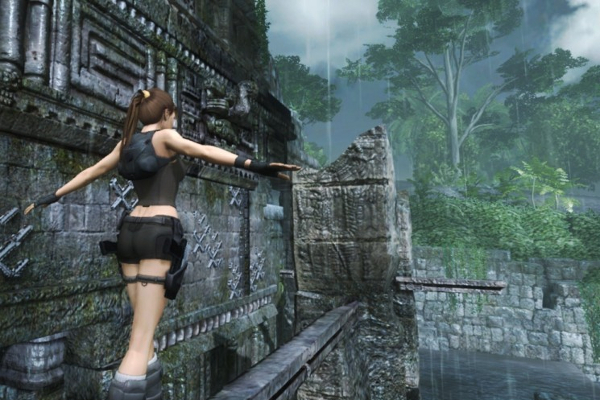
Throughout the early 2000s, the Tomb Raider series was lost in the wilderness, with the horrific Angel of Darkness deterring Eidos from making another game in the series until 2006. Thankfully, Lara's return was a triumphant one, as Tomb Raider finally got the overhaul it had been waiting for since its inception. Legend is the earliest Tomb Raider game that still feels highly playable by today's standards. The animations are fantastic, Lara looks as sexy and lethal as ever, and there's a return here to the exploratory, puzzle-solving gameplay that made the original games so great. Obviously, lecherous low-angle shots of Lara's long legs and pert behind are plentiful (see picture), but would it be a Tomb Raider game without them? Lara's grappling hook and bullet-time gunplay were excellent additions to Lara's bag of tricks, although the simplified action set-pieces and quick-time events- which would've been impressive in 2006 - might grate on jaded gamers' nerves today.

7. Lara Croft And The Guardian Of Light (2010)
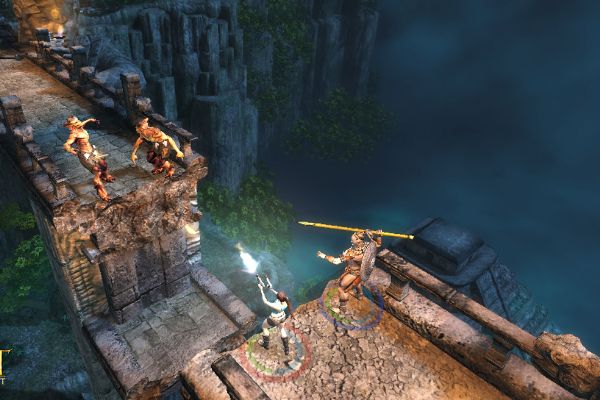
Is this really a Tomb Raider game? Not by name maybe, but in many ways Lara Croft's fast-paced isometric adventures capture the spirit of the classic Tomb Raider games better than any of her more recent outings. In this co-op focused adventure, Lara and her spear-throwing tribal friend Totec rely on each others' abilities to solve puzzles and fight Diablo-esque quantitites of otherworldly enemies. It's a pure co-op focused experienced that's best played through with a friend, with many of the puzzles requiring some legitimate brainpower. Crucial to the gameplay are Lara's grappling hook and Totec's spears, which you must use in creative ways to progress through the deceptively challenging temple ruins and jungle environments.

6. Lara Croft And The Temple of Osiris (2014)
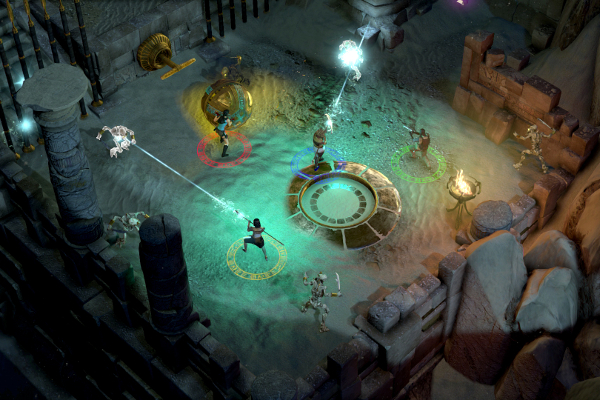
Building on all the things that made its spin-off predecessor such a blast, Temple of Osiris raises the number of possible players from two to four, and diversifies the number of mystical environments for you to traverse. The graphics are better, the bosses are bigger, and if you're looking for a gripping co-op experience to share with friends, then this should be high on your list. You won't get any deeper insight into Lara Croft's life story here, nor really much personality shining through from any of the simple characters. But as a pure, no-nonsense game combining tough temple-based puzzle solving with fluid, responsive action sequences, this is one of your best options as Lara Croft games go. An underrated gem.

5. Tomb Raider III (1998)

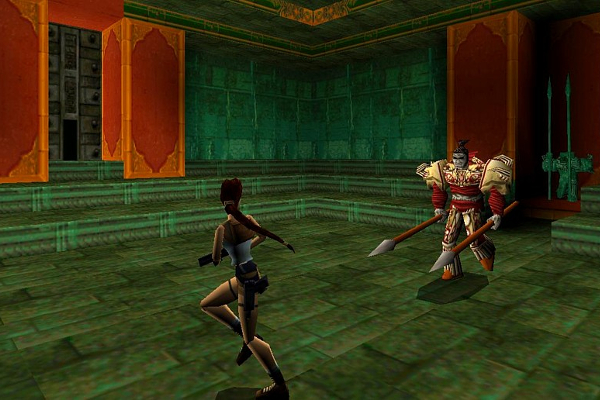
Sure, the story was a bit on the non-existent side, and while the third Tomb Raider game was nowhere near as historically important as the original, you can't help but love its outright craziness. While traversing large, varied levels spanning the South Pacific, London, India, Antarctica and Nevada, you'll encounter aliens, cannibalistic tribesfolk, and of course dinosaurs along the way. Thankfully, you have an array of new weapons to use against these, including the punchy Desert Eagle and Rocket Launcher. Tomb Raider III felt more open and exploratory, which seemed fitting for a series essentially about Indian Jones-styles adventuring. There were plenty of mini-games thrown into the mix too, including the famous quad-bike race and assault courses. It may have been silly, but this was the pinnacle of the original-engine Tomb Raider formula.

4. Tomb Raider: Anniversary (2007)

If there's one game in history that really deserved - and needed - a remake, it was the original Tomb Raider. Revolutionary though it was, it aged particularly badly, and people looking to have a more playable version of the core 'Tomb Raider experience' should check out this faithful remaster. Anniversary brings over many elements of the brilliant Tomb Raider: Legend. Lara retains her grappling hook, giving her far more freedom to explore levels, and she moves with grace and fluidity like never before (albeit with jumps and backflips that aren't quite as ridiculously high as the pole-vault jumps of the original). Sure, not everyone will love the QTE-heavy bosses, but let's not forget that this was the late noughties, and QTEs were all the rage thanks to their lazy way of making a game feel cinematic. As part of its glossy makeover, Anniversary includes a own selection of well thought-out puzzles and gameplay sequences, helping it feel far more up-to-date than the oft-frustrating and archaic original.

3. Tomb Raider: Underworld (2008)

With the first Uncharted game released in 2007, Tomb Raider finally had a competent rival that would inevitably result in many people comparing the two series. Lara had to up her game, and did just that with Underworld. The game looked absolutely fantastic; the environments available for exploration were vast, and Lara's model looked better (and I'm not talking about the fact that she was more over-sexualised than ever), bringing to life the sense that you were uncovering vast, abandoned temples and swathes of untrodden jungles. The non-linear gameplay works very well, and combines with mechanics introduced in Legend, such as the grappling hook and bullet-time mode, to make this one of the best - yet also under-appreciated - games in the series.

2. Tomb Raider (2013)

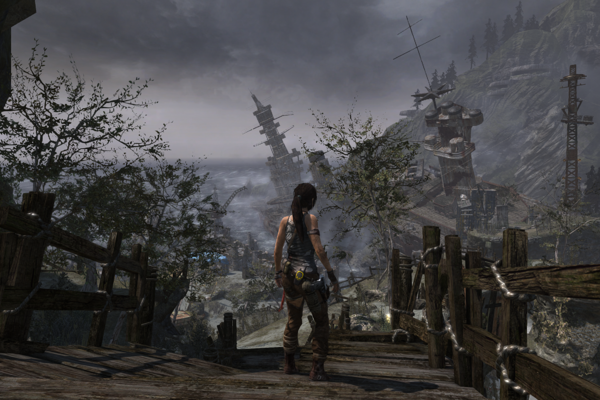
Yes, some people hated this game's excesses of violence, quick-time events, and the paucity of actual tomb-raiding, but the idea of showing players how one of gaming's greatest icons came to be the eponymous Tomb Raider was a welcome addition to the Lara Croft canon. You can't hide the fact that Tomb Raider clearly took a lot of inspiration from the Uncharted series, but that seems fair game considering that Uncharted wouldn't have existed without the original Tomb Raider. This outing shows us a young and vulnerable Lara Croft, desperately trying to survive on a hostile jungle island and getting caught up in events that would change her life forever (and lead on to other Tomb Raider games, hooray!). The game focuses far more on cinematics and storytelling than the puzzle-solving the series built its reputation on, but in doing so gives us the most powerful, insightful look at Lara Croft's character to date. For all its flaws and superficial gameplay, this game turned Lara from a vapid video game heroine into a believable character. Here's hoping that Rise of the Tomb Raider strikes that coveted balance between storytelling and challenging puzzle-oriented gameplay that fans are yearning for.

1. Tomb Raider (1996)

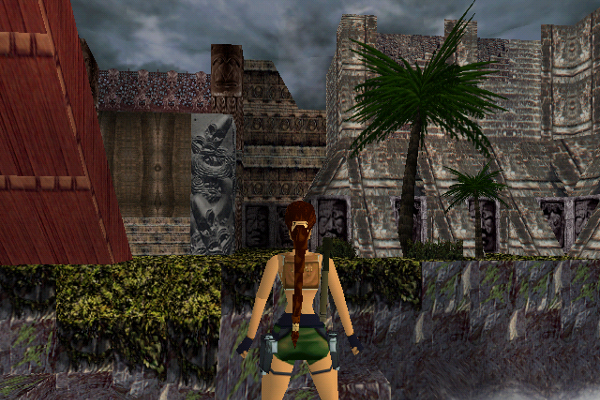
Pick this game up today and you're signing up for an experience akin to running through a peat bog. It feels stiff, unresponsive, and clumsy, and gamers would have a hard time persevering beyond the first level. But it's the historical importance of this game that wins it the top spot. Tomb Raider effectively started the 3D action-adventure genre. It took the brave first steps into uncharted gaming territory, daring to create a dynamic, gorgeous 3D experience at a time when pixels still dominated the industry. Along with Super Mario 64, this game was the first to send gamers to a visually immersive 3D world. Another daring move was casting a a vivacious, strong female lead character during a period when it just wasn't the norm. Whether you think Lara was the epitome of female empowerment, or an over-sexualised object to ogle at, she became a video game icon in 1996, and the catalyst for debates about female representation in games up to this day. While the latest reboot felt derivative of similar games in the genre, the original Tomb Raider was the starting point for the genre, and for that alone it deserves top spot on this list. To enjoy playing it today however, you should make sure you're wearing your finest pair of rose-tinted glasses, but it remains an important artefact to play to get some perspective on how far the gaming medium has come, and the origins of today's action-adventure genre. Let us know your favourite Tomb Raider in the comments below, and please create an account if you'd like to submit your own content!

Contributor
Contributor

Gamer, Researcher of strange things. I'm a writer-editor hybrid whose writings on video games, technology and movies can be found across the internet. I've even ventured into the realm of current affairs on occasion but, unable to face reality, have retreated into expatiating on things on screens instead.