10 Doctor Who Answers Given YEARS Later
Whovians really are the fans who waited.

Doctor Who has had a lot of mysteries and unanswered questions over the years, which isn't terribly surprising given that the show's title is literally a question.
It's also a show that's never been hugely interested in long-form storytelling – it may have lasted 60 years, but it's rare for a plot thread to run longer than a single season, never mind multiple seasons. And so, most of Doctor Who's unanswered questions are either answered pretty quickly, or end up fading into the background and being forgotten.
But sometimes, a mystery that's been left open will finally receive an answer years later. Writers will go back to revisit older episodes, reinvent concepts that haven't been seen in decades, or sometimes will just accidentally clear something up without really intending to.
From story arcs that took years to resolve, to items that disappeared for decades before coming back as important plot points, these are the answers Doctor Who didn't provide until years after the original questions.
10. Why Did Queen Elizabeth Hate The Doctor?

Queen Elizabeth I’s surprise appearance at the end of The Shakespeare Code was mostly just included as a one-off joke, with no real plan as to what the Doctor would do in his future to upset her to the point that she calls for his head.
For the rest of the Tenth Doctor’s run a lot of fans wondered if we were ever going to see what had happened, but there was no such luck.
Series 3 and 4 passed without a return to Elizabethan England, David Tennant regenerated into Matt Smith, and it seemed like the mystery of the Tenth Doctor and Lizzy Number One was going to be just another reference to the many random adventures the Doctor has offscreen.
But then over six years after The Shakespeare Code, The Day of the Doctor rolled around, which reunited Ten with his so-called "sworn enemy." But instead of chopping off each other's heads, they were feeding each other grapes, and – against the Doctor's wishes – getting married.
The Doctor then abandoned his bride and fled in the TARDIS, explaining why she had been so angry at him all those years ago.
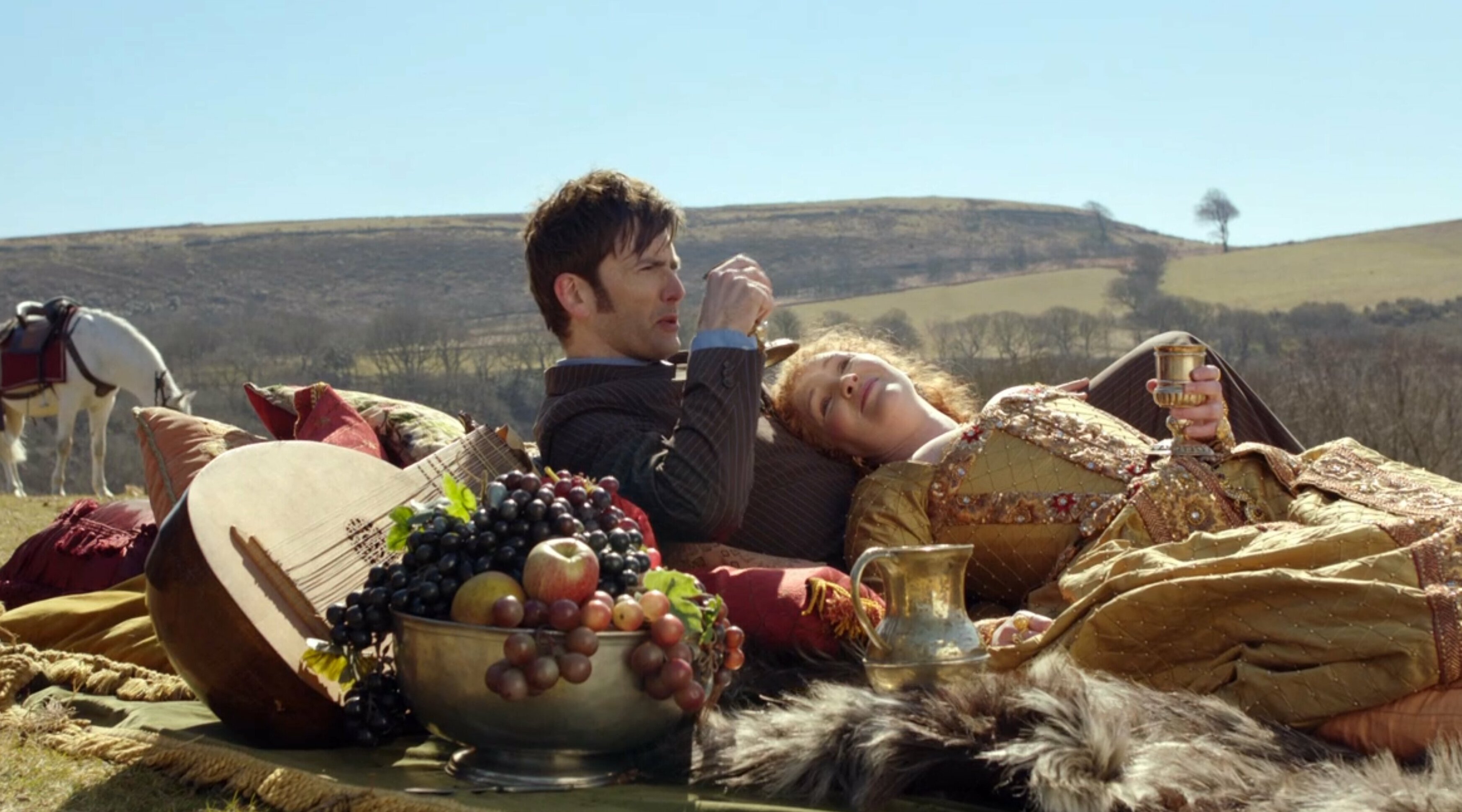
It was rewarding for everyone who remembered watching The Shakespeare Code in 2007 to finally get an explanation for the episode’s memorable surprise cliffhanger.
9. Where Is The Doctor From?

It’s ironic that for a show called “Doctor Who” we actually know a decent amount about the Doctor’s backstory. There’s been so much revealed over the last 60-odd years that there have been multiple conscious efforts on behalf of the showrunners to 'recapture the lost mystery', most notably with the Seventh, Ninth, and Thirteenth Doctors.
But this wasn't always the case, especially in the earliest years of the show.
So little was revealed about the Doctor's past and people that it wasn’t until The War Games, the finale of Season 6, that the Time Lords were formally introduced. It was here that some of their defining characteristics were established, such as their non-interference policy, and the Doctor being a renegade.
But oddly, their home planet wasn't given a name. That wouldn't come until Season 11's The Time Warrior in 1973, over a decade after Doctor Who first aired, where we learned that the Doctor was from Gallifrey.
By that point in the revived series we were on the Thirteenth Doctor. All in the time it took the classic series to provide a simple name!
8. How Did The Eighth Doctor Regenerate?

When the Doctor returned to our TV screens in 2005, there was one rather large elephant in the room: what happened to the Eighth Doctor?
It was the first time in the show’s history that a regeneration wasn’t shown onscreen, with the revival starting with the Ninth Doctor fully-formed, in an effort to be a better jumping-on point for new viewers. The most obvious theory was that Eight died during the Time War, but there was so little information to go on that the specifics were anyone’s guess.
Some fans even questioned if McGann was still an 'official' Doctor, wondering if the TV Movie was just being ignored altogether!
But none of the theories and speculation managed to guess what had actually happened when, over eight years after the 2005 revival began, surprise minisode The Night of the Doctor depicted the Eighth Doctor’s regeneration into the mysterious War Doctor, after he'd crash-landed on the planet Karn.
This not only cleared things up and filled in a huge hole in the Doctor’s story, but it let fans see something they never thought they would.
7. The Seal Of The High Council Of Gallifrey

The Time of the Doctor had a lot of loose plot threads to tie up, serving as the conclusion to the Eleventh Doctor's multi-year arc. But within all that, it also found the time to follow-up on an unused plot thread that predated the Raggedy Doctor by almost three decades.
In 1983’s The Five Doctors, the Time Lords give the Master the Seal of the High Council of Gallifrey, as a way to hopefully prove to the Doctor that his arch-frenemy has been sent to help him, and is also working for good.
Unsurprisingly, the Doctor is unconvinced, and confiscates the Seal from the Master, promising to return it to the Time Lords "at the first opportunity."
Equally unsurprisingly, the Doctor never gets around to this for the rest of the classic series, and the Seal disappears into one of his bigger-on-the-inside pockets, or perhaps some random cupboard in the TARDIS somewhere.
It wouldn't be seen again until a whopping 30 years after The Five Doctors aired, when the Eleventh Doctor uses it to decode a message from the Time Lords on Trenzalore – with a little help from Handles!
6. A Mummy On The Orient Express... In Space!

Series 8's banger episode Mummy on the Orient Express is the payoff to a setup most fans probably don’t even remember happening.
At the end of Series 5 finale The Big Bang over four years earlier, the Doctor, Amy, and Rory were about to set off on more adventures when the TARDIS received a mysterious phonecall, apparently concerning "an Egyptian goddess loose on the Orient Express... in space"
But then... nothing.
While this felt incredibly similar to previous cliffhangers setting up Christmas specials (minus the WHATs), this phone conversation had nothing to do with that year’s special, A Christmas Carol. It wasn’t until Jamie Mathieson submitted his script for Series 8’s Flatline that Steven Moffat finally decided to follow-up on The Big Bang's ending, and commissioned Mathieson to write an episode called Mummy on the Orient Express.
Smartly, Mathieson even included the surprisingly long wait for this payoff as a plot point, with the Doctor saying that he’s been deliberately avoiding the phone call – which, from his point of view, happened something like a thousand years ago.
So if you ever feel like you’ve left it too late to text back, just keep this episode in mind.
5. Why Is The Master So Evil?

Even by Doctor Who standards, the Master is completely insane.
Characters like Davros, John Lumic, or Sutekh all fit comfortably into the 'evil madman' category, but they also all have clear motivations for their insanity. These motivations are usually pretty insane themselves, but still.
For the Master though, it wasn't always so clear.
They might do a lot of monologuing about “ultimate power,” and they’re always on the hunt to extend their ever-shortening lifespan, but a lot of the time it felt like their actions were driven by nothing more than a love of being evil (and an obsession with making the Doctor’s life as inconvenient as possible).
But the interesting thing is, this was meant to be explained. The 1974 season was originally going to end with a story called The Final Game, where it would've been revealed that the Master was essentially the Doctor’s brother – another aspect of the Doctor’s personality that had been split off into a different person. However, this story was shelved due to the tragic death of original Master actor Roger Delgado in a car crash in 1973.
As a result, the Master’s backstory remained unexplored for the rest of the classic series, and it wasn’t until The Sound of Drums in 2007 that we finally got an explanation for his madness, with the Doctor describing how the Master was driven mad by staring into the Untempered Schism as a child.
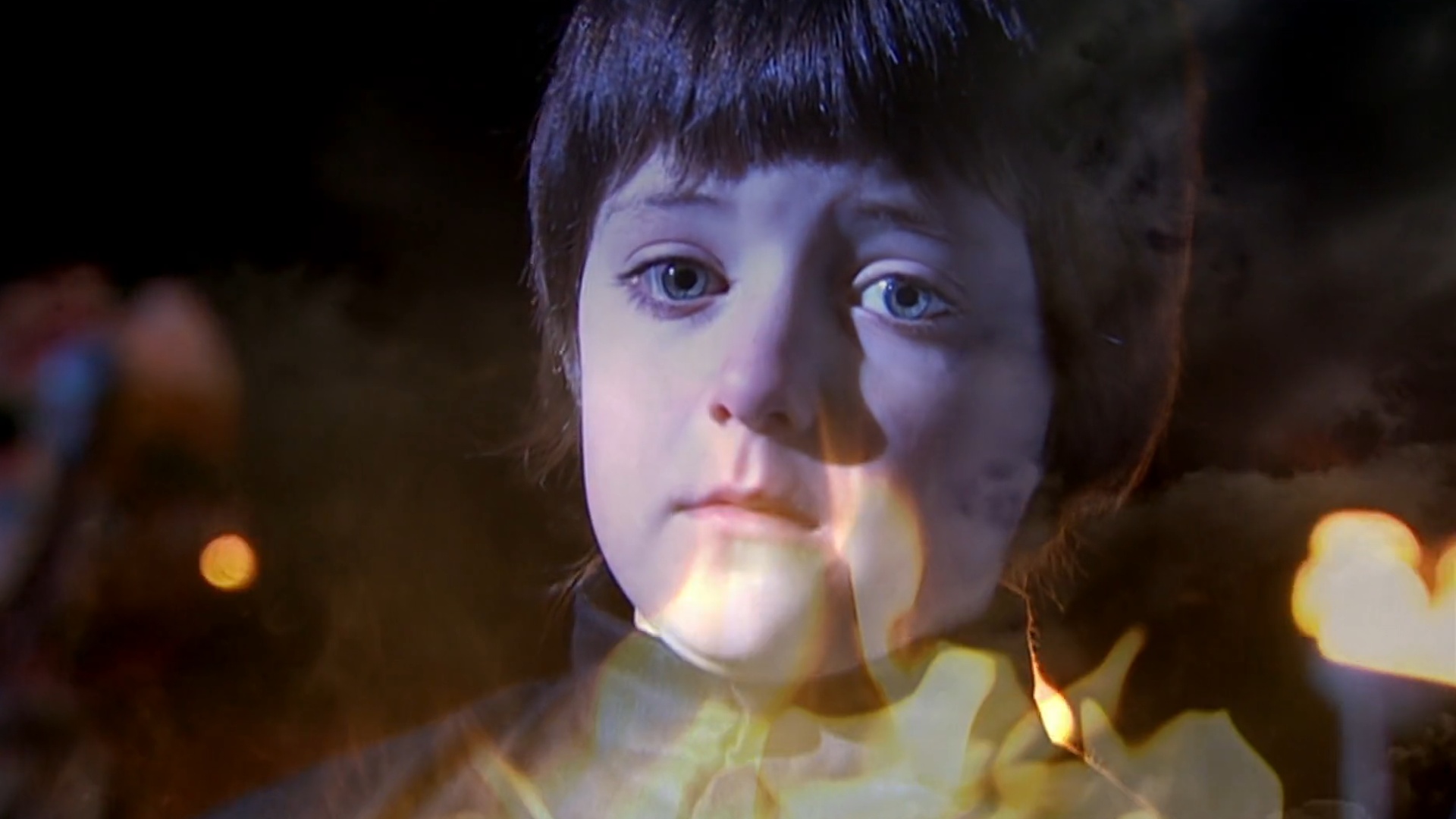
A much more reasonable backstory than simply having the pettiest grudge in the universe.
4. Why Does The TARDIS Never Work?
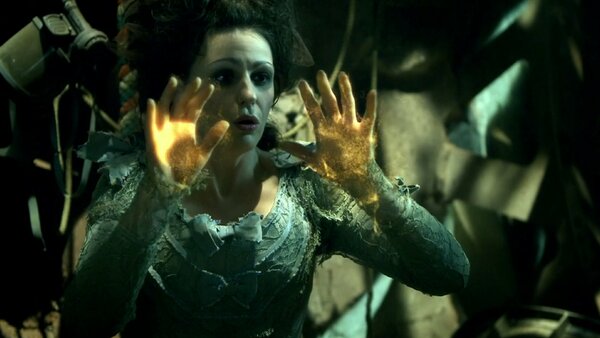
The Doctor’s TARDIS is many things, but reliable is not one of them. In fact, the first few seasons of Doctor Who were structured almost entirely around the Doctor’s inability to pilot his ship back to modern day London.
In the years since, the Doctor’s flying skills have fluctuated a bit, with some incarnations being better than others. But even at the best of times, they’ve never given the impression of being fully in control of the ol' Type 40. You’d think that after centuries of time and space he’d at least be able to get Rose back to the correct year!
For most of the show this was handwaved away as a necessary plot convenience, with the closest thing to an explanation being that the Doctor was a bad driver, and the TARDIS was a bit old and knackered.
That was until the show was almost 50 years old, at which point we got two different explanations.
First was in 2008's Journey’s End, when the Tenth Doctor revealed that the TARDIS console is meant to be piloted by six people simultaneously.
And second was in 2011's The Doctor’s Wife, where the TARDIS (in human form) explains to the Doctor that the controls are basically irrelevant, and that she doesn’t always take the Doctor where he wants to go, but always where he needs to go.
No wonder the Doctor keeps bumbling head-first into danger. The TARDIS is always looking for it!
3. What Happened On The Last Day Of The Time War?

The nature of the Eighth Doctor's regeneration wasn't the only major question sparked by the 2005 revival.
The Last Great Time War defined the first RTD era, and acted as a bridge between the classic and new series. We got lots of information about the war through the Ninth and Tenth Doctors, seeing the effects it had on various alien species, and how it dramatically altered the landscape of the galaxy and wider universe.
But ever since it was first mentioned, there was always one lingering mystery: what happened on that fateful final day of the war?
We knew that Gallifrey, the Time Lords, and the Daleks had all burned and we knew that the Doctor was responsible for this in some way, but how? And which incarnation pulled the trigger? Surely it wasn't the dashing Eighth Doctor? Surely that was a job for the much darker and clearly quite troubled Ninth Doctor?
Well, after we saw a glimpse of that final day in The End of Time, the specifics of the war's conclusion were fully revealed during 50th anniversary special The Day of the Doctor – eight years after the 2005 revival began.
And it turned out to be quite unlike anything we expected.
Rather than the Doctor’s Eighth or Ninth incarnations, The Day of the Doctor introduced the previously unknown War Doctor, and showed him using the superweapon The Moment to definitively end the Time War once and for all – that is, until a little help from his future incarnations allowed him to save Gallifrey, rather than destroy it!
2. What Happened On Darillium?

River Song’s first appearance in Silence in the Library/Forest of the Dead introduced so many different mysteries and plot teases that we could write an entire article just listing them all.
But out of all these spoilers, there was always one that stood out – the Doctor and River’s last night together, at the singing towers of Darillium.
Given that River mentioned Darillium when she was on death's door, it felt too important to her and the Doctor’s relationship to not actually show up at some point. But as the series continued and River’s arc slowly progressed, the Singing Towers and the Doctor's snazzy new haircut were nowhere to be found. River was then seemingly finished off for good in The Name of the Doctor, and it felt like Darillium was just another of the Doctor and River's offscreen adventures we were never meant to see.
Quite like the elusive Jim the Fish.
But then Christmas 2015 rolled around, and Steven Moffat brought back River for one final adventure that culminated in her and the Doctor’s last night together on Darillium, eight years after it was first mentioned.
Saying goodbye to someone you love is always painful, but spending 24 years together in lavish luxury while the mountains sing to you certainly isn’t a bad way to go about it.
1. Silence Will Fall & The Cracks In Time

Doctor Who has never really been a show with big ongoing story arcs spanning multiple years.
The closest the classic series ever came to a unified series plot was Season 16’s The Key to Time and Season 23’s Trial of a Time Lord, both of which were really just collections of regular stories with framing narratives loosely connecting them.
Even when the show returned in 2005 and adopted a more modern format, each series was mostly defined by character arcs, with recurring terms like "Bad Wolf" or "Torchwood" being little more than teases for the finale.
But that all changed when Steven Moffat took over in Series 5.
While the crack in the wall initially seemed like just another Bad Wolf-esque recurring reference, it soon became clear that it was much bigger than that, with the cracks actually being weaved into the fabric of certain stories – most notably in The Time of Angels/Flesh and Stone.
Various mysteries all started building off each other and not all of them were resolved by the end of the series, or even by the end of the following series. Who or what was The Silence? Why was Silence falling? What was meant to happen on Trenzalore? And what was the deal with "The Question", and the significance of the Doctor's name?
Whether he made it all up as he went along or not, Moffat managed to stretch these threads from the Eleventh Doctor's very first episode – where the cracks first appeared, and Prisoner Zero ominously teased that "silence will fall" – to his very last, where we learned that religious cult The Silence was determined to stop the Doctor speaking his name, lest the Time Lords return through a crack in space and time and cause a second Time War.
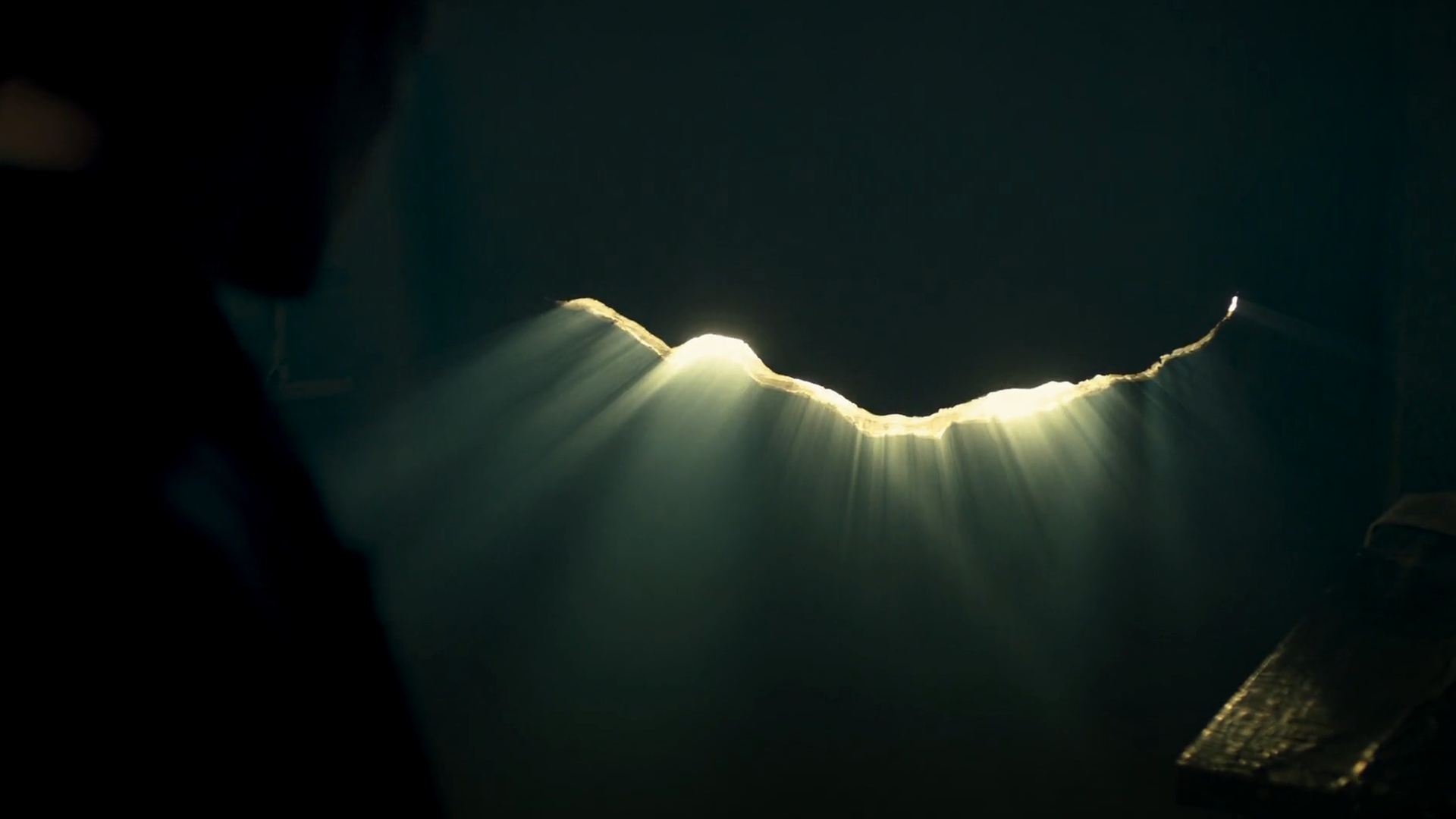
It was incredibly rewarding for viewers who had been with the Eleventh Doctor from the beginning, and represents some of the most ambitious large-scale storytelling Doctor Who has ever attempted.