5 Ways Steven Moffat's Doctor Who Is BETTER Than Russell T Davies' (And 3 It's Worse)
1. Better: Less Reliance On Nostalgia
This is a difference that has become all the more apparent in the wake of RTD2. Davies has a special reverence for nostalgia, and seems to base all his big moments around the return of something you remember from back in the day.
The first time around, this worked – after all, you can't have Doctor Who without the Daleks, the Cybermen, the Master, or Davros. But 15 years on and this routine felt considerably more stale, not least because it wasn't someone else's work he was fondly remembering... it was his own.
The return of Tennant and Tate and the attempt to recapture that Series 4 magic was a sign of things to come, with the era ending on the jump-the-shark moment of the Doctor regenerating into Billie Piper. In a relatively short space of time, RTD also brought back the Toymaker, Sutekh, the Midnight Entity, the Rani and Omega, and treated each of these like reveals that would shock the nation, when in all likelihood 99% of viewers had no idea who they were.
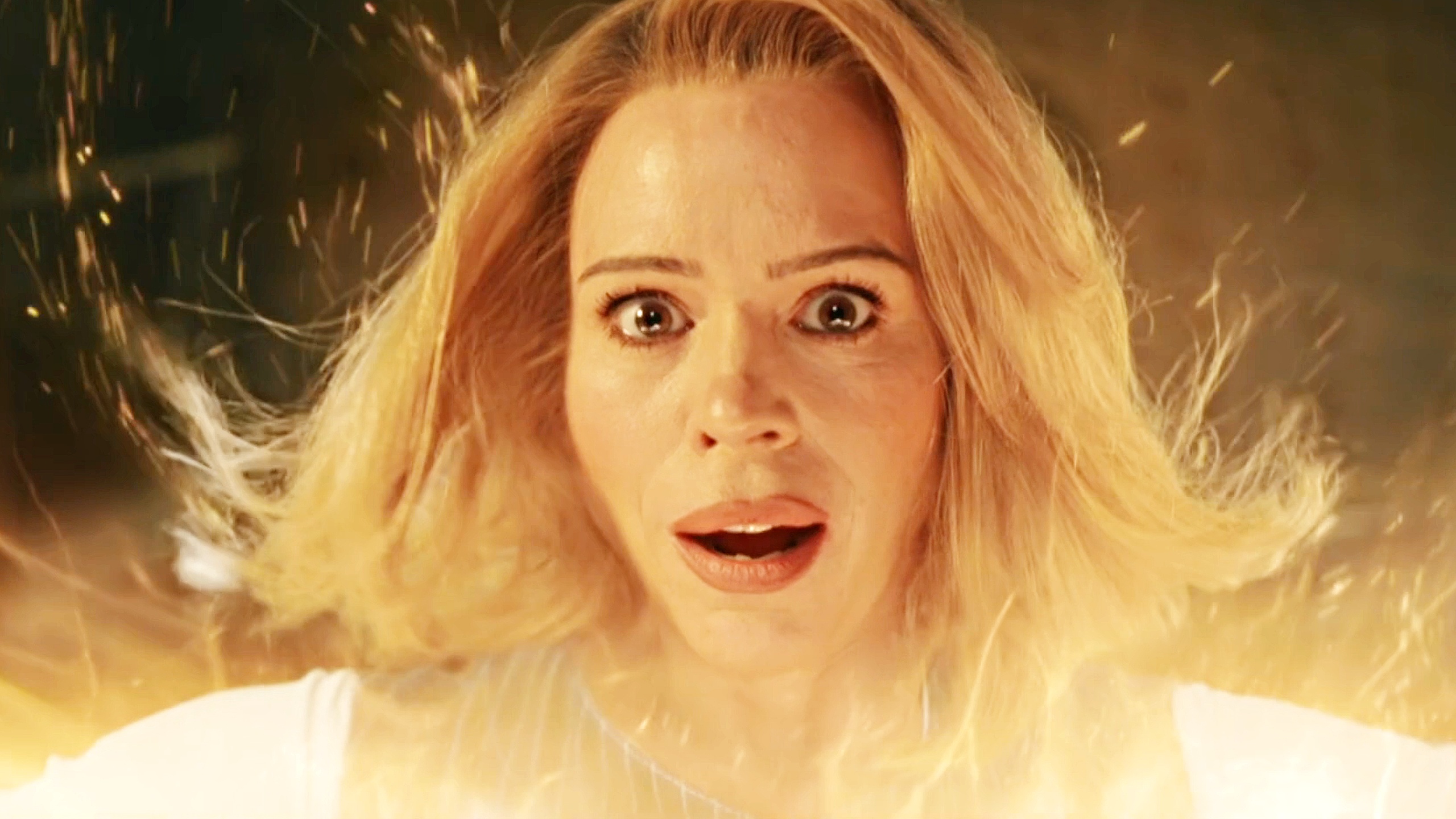
It's become increasingly clear that RTD cannot write a finale that doesn't hinge on these nostalgia reveals, having done this an astonishing eight out of eight times (including both runs of specials). The man simply doesn't have a Pandorica Opens/The Big Bang in his locker.
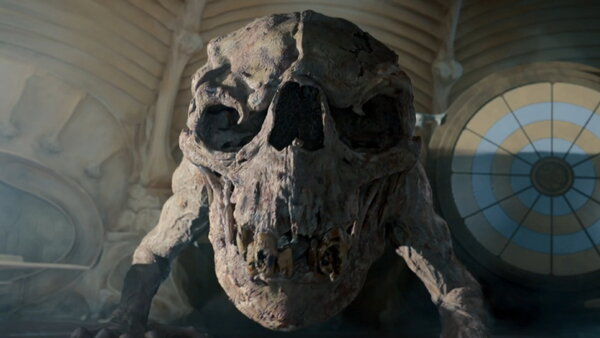
That frustration has been compounded by the fact that, as time has gone on, these characters have less and less resembled their original counterparts, and their impact on the plot has been increasingly minimal, culminating in Omega (the famed Gallifreyan scientist and inventor of time travel, with a complex history and iconic villain design) being reduced to a giant CGI skeleton baby that gets blasted out of the plot in five minutes flat. Omega was there for a reveal, nothing more.
In comparison, Moffat revelled in building his own mythology, and as a result his era still feels remarkably fresh on a rewatch. He had confidence in his own ideas, with adversaries like the Weeping Angels and the Silence taking centre stage. Some finales, like Series 5, Series 7, and Series 9, weren't really focused on an adversary at all, but a mystery or hurdle to overcome. Plot first, nostalgia second. Every single time. Not every experiment worked, but the ambition deserves credit.
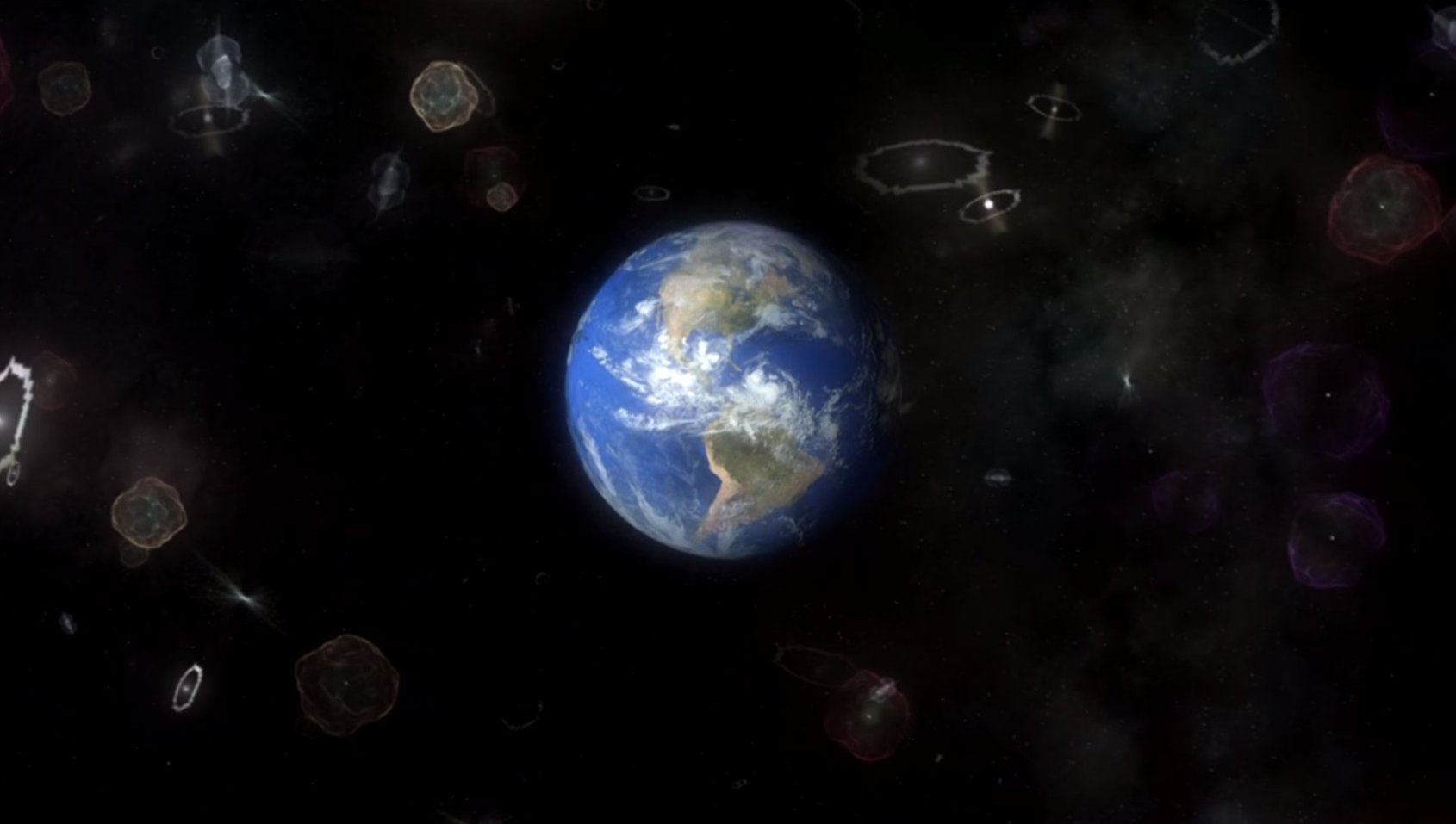
Moffat’s era often felt willing to take risks, and at its best, was capable of giving us a finale as truly special and subversive as Heaven Sent/Hell Bent. For all its focus on creating "content" moments, RTD2 has utterly failed in creating anything that will live as long in the memory as Eleven being dragged into the Pandorica and the universe exploding, or the Twelfth Doctor punching his way through a diamond wall.
Another point to the Moff – and an overall victory for him, too.