10 Things You Learn Binge Watching Every WWE SmackDown From 2002
2002 saw Brock Lesnar, Hulk Hogan, Stephanie McMahon and the 'SmackDown Six' rule.

"Ruthless Aggression" became "Toothless Aggression" as part of a pretty genius marketing campaign designed to sell some fresh merch and put over the glory of in-ring action. Obviously, many people reading this won't be able to champion anything Chris Benoit due to his grisly final days on the planet. That's fine, but he was a key component in the so-called 'SmackDown Six' that made the blue brand such a success story in 2002.
'02 was the year when WWF changed to WWE, the company ran their first brand split, and countless new names popped up across Raw and SmackDown. Monday nights took a hit for most of the year as creative scrambled around trying to figure out ways to keep the product ticking, but Thursdays on SmackDown were a joy under the watchful gaze of Paul Heyman - at least after early hiccups.
John Cena, Randy Orton, Batista and Brock Lesnar burst onto the scene. They were joined by incoming stars like Rey Mysterio and old warhorses like a refreshed Hulk Hogan. SmackDown had star power coming out the ears by the end of the year. It's really rather impressive to see just how stacked the WWE roster was back then.
Binging all 52 episodes of blue brand fare from 2002 is some experience, and one can learn a lot from doing so. Yes, the 'Six' made sure weekly bangers were a given (especially during the second half), but there's plenty of praise to go around. You might be surprised by exactly who catches plaudits in this broad recap.
SmackDown was "all grown up".
10. Year’s First Episode Had 25 Mins Of Wrestling
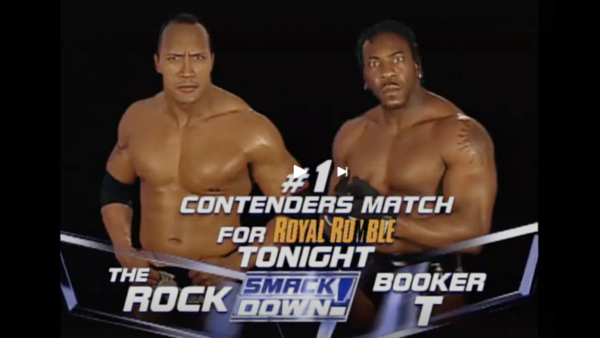
Read most TV recaps nowadays and you'll see some kind of discourse about the number of in-ring minutes the company dedicates to matches. Most include lines such as: 'It's been 34 minutes since the last match', for example. This isn't a new thing at all - fans have been scrutinising just how much wrestling they're getting from WWE since the 1980s when "sports entertainment" became the new fangled descriptor.
If you’ve ever wondered how many minutes of wrestling they put on per 2 hour show in 2002, then the 3 January SmackDown is a good measuring stick. No match on that card went longer than 5 minutes plus change, including The Rock vs. Booker T and a tag bout pitting Chris Jericho and Kurt Angle vs. Edge and Rob Van Dam. Hell, even The Undertaker vs. Big Show in a Hardcore Title showdown went just a few ticks over 5 mins.
There was approx 25 minutes of actual wrestling in the entire broadcast, which doesn't sound like a lot when stacked next to the 120 runtime. This continued until a little later in the year when a certain group of superstars came along to show just how good the in-ring product could be if it was given a chance.
WWE hadn't quite struck a balancing act between soap opera storylines and pure wrestling at the turn of the year. Perhaps Vince McMahon didn't think anybody tuning into the weeklies really cared much about the matches. They did, but a wealth of star power helped carry things and maintain interest week to week.
A wee bit more wrasslin' wouldn't have gone a miss when binging the first half of the year though.