The Forbidden Lore Of El Generico
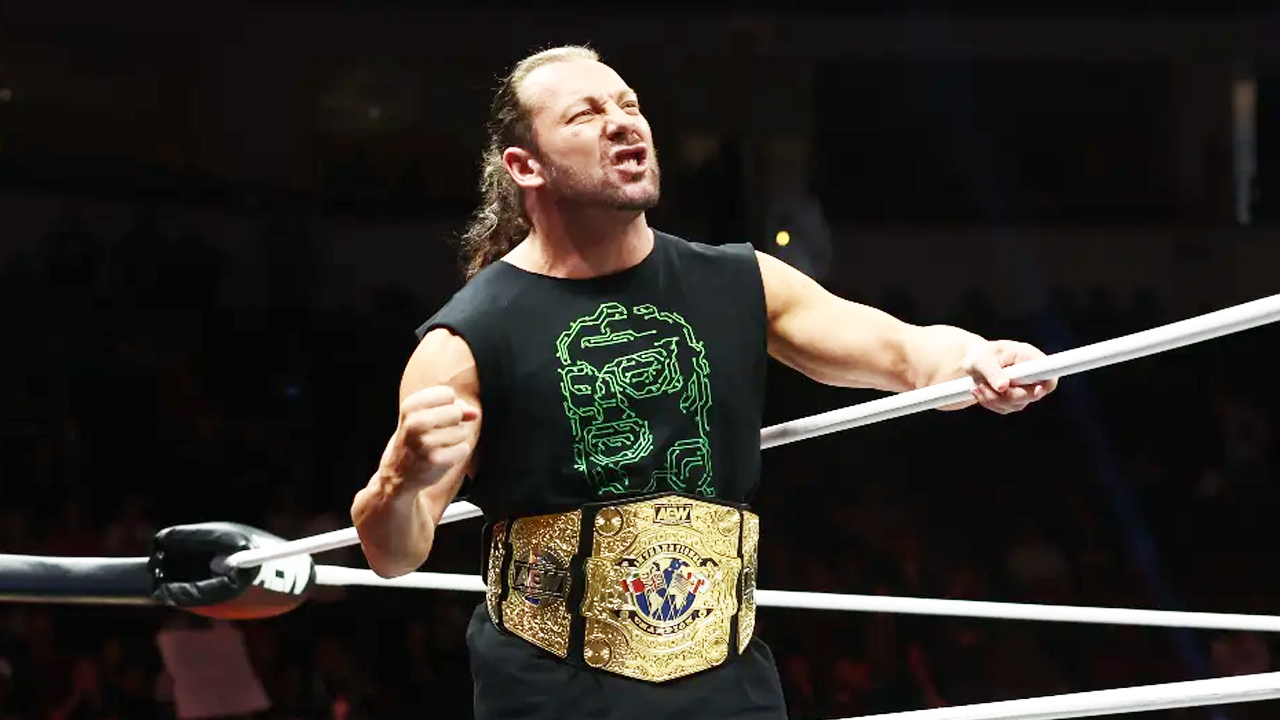
There’s more to it than that, however. Generico does not receive enough credit for his work in Japan. That’s possibly because he never stayed there long enough to become synonymous with the scene, like Kenny Omega - or because he didn’t, like AJ Styles, embark on a memorable top guy run for the biggest promotion in the country, New Japan Pro Wrestling. Generico did some spots for Dragon Gate in the mid-2000s, but it was in DDT where he wrestled some of the most underrated matches ever.
Generico’s DDT output in 2012 was so good that it led Kota Ibushi to describe him as the best worker in the world. His opinion was shared by Golden Lovers teammate Kenny Omega, who once said that Generico’s creativity and mind for pro wrestling was so strong that it made him more passionate about the medium. Generico drove him to think more deeply about his craft; he wanted to compete with him to become better.
The Ibushi Vs. Generico series is worth watching today, or maybe not. It might be too good; you see versions of it most weeks, and while neither man pioneered the hybrid shoot-out that has become the predominant style, they were so much better at it in their athletic prime than most wrestlers working today. Absolutely nothing they did together was telegraphed. Generico was great at catching Ibushi’s insane range of dives because he had the timing and confidence and craft to wait until the very last moment. An aerial move felt like a real attack. How often can you really say that in 2025, when you see scores of moves like it on every episode of AEW Dynamite?
On the subject of which, All Elite Wrestling does not have a specific origin point. It isn’t All In, since Tony Khan was courting the Elite around the same time; in fact, Chris Jericho was only able to make a cameo on the show when Khan arranged a private jet to fly him in from a Fozzy gig. So when did AEW first become something approaching a reality?