The Rise Of Triple H | Wrestling Timelines
How EXACTLY Triple H played - and won - the game.
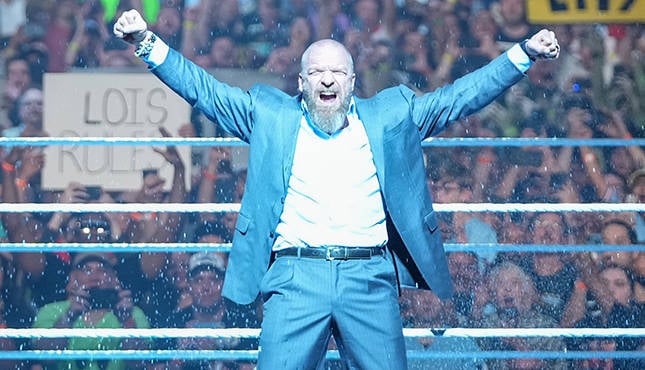
At time of writing, Paul ‘Triple H’ Levesque is the creative boss in WWE.
He is leading what is widely recognised as the third WWE boom. After the Golden Age and the Attitude Era, WWE found itself as the savaged market leader of a frowned-upon niche interest - ironically, much of which had to do with Triple H’s chokehold over the creative process throughout the 2000s.
Now, WWE is flourishing. Tickets are extravagantly expensive, but people are buying them in record numbers nonetheless. Netflix is the company’s dominant broadcast partner. The Premium Live Events are so popular that WWE is promoting more of them than ever in cavernous stadiums. Vince McMahon’s disgraced resignation allowed a more coherent product to better connect with jaded fans, sure, but Levesque deserves credit for attracting a new audience enthused by the soapy melodrama of the new “cinema” storytelling style. Levesque has also mastered the core fundamentals of promotion: his top stars win a lot, they are profiled and thus reinforced every week, and rivalries are developed with looser, more engaging verbal confrontations.
After several under-reported plot twists evoked the prestige drama ‘Succession’, Triple H has finally completed the Game.
He hasn’t 100 percented it, because a new corporate rival has emerged in quite the cliffhanger, but for now, Triple H has done everything he set out to - on, if you can believe it, the very first day he entered WWE.
What follows is a long, insightful, chronological deep-dive into how exactly he did it.