The Rise Of Triple H | Wrestling Timelines
April 7, 2011 - It’s Official
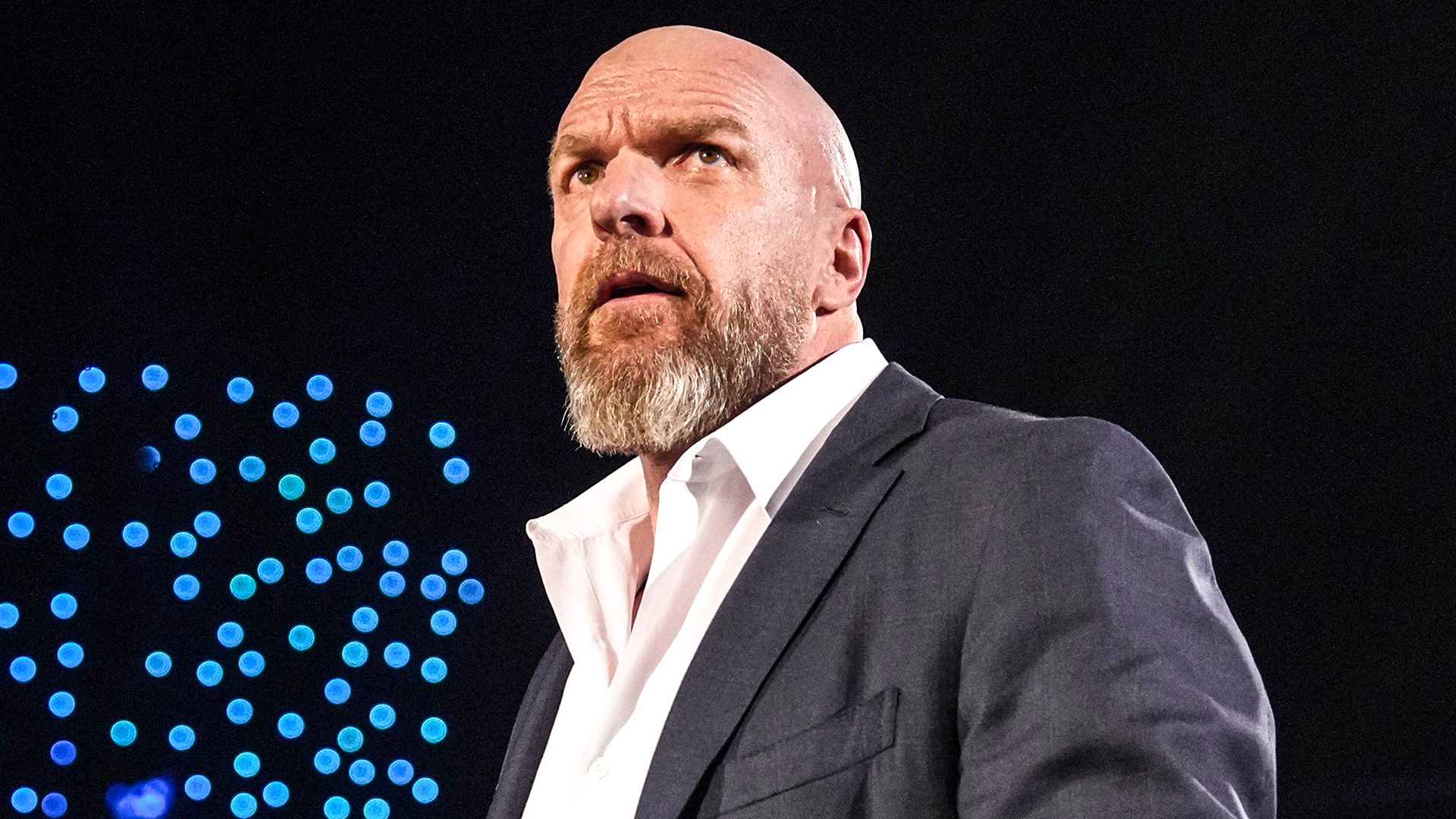
WWE issues a press release on April 7, 2011 declaring, in a branding exercise, that WWE would no longer be known as World Wrestling Entertainment, but simply ‘WWE’.
The press release also confirms that “the company will bolster its core business with the launch of a new talent development department headed by Paul ‘Triple H’ Levesque. The new department will put a greater emphasis on worldwide recruitment, training and character development to identify future WWE Superstars and Divas. The first recruit acquired under Levesque’s new department was the signing last month of future WWE Superstar Sin Cara, formerly known worldwide as Mistico.”
Without taking a look at the official WWE staff org chart, the basic gist here is that Levesque is in, and Laurinaitis, despite holding onto his job title for another year, is out.
April 4, 2011 - Sin Cara
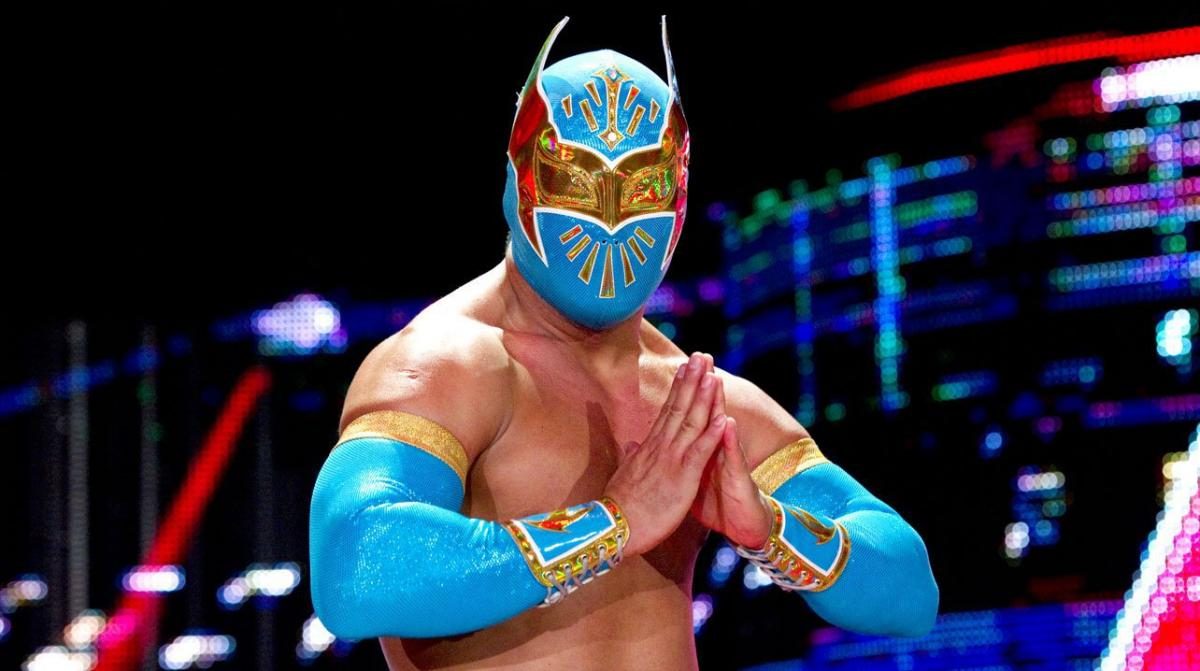
Sin Cara is not a future WWE Superstar. He is a total flop.
He makes his debut on the April 4, 2011 Raw. It’s the night after WrestleMania, and with a lot of scores settled, it’s time for new characters to emerge!
Unfortunately for Cara, he barely emerges in the ring. He gets himself tangled in the ropes when he fails to clear them despite the use of a trampoline prop.
In almost every appearance thereafter, Sin Cara, who doesn't quite replace Rey Mysterio, either gets lost entirely and or botches something to oblivion. He becomes a meme and a laughing stock. Not accustomed to wrestling the U.S. style, much less the WWE style, Cara is nonetheless rushed onto television. The more cynical wrestling fans - and Triple H has attracted a great deal of them, over the course of his career - believe that an impatient Levesque wants to get over by proxy.
He is the guy who was clever enough to sign the guy who excites you!
Triple H - despite being responsible for more than one of the worst wrestling moments ever - doesn’t become the overlord of professional wrestling by being incompetent. After the farce that is the Sin Cara experiment, Levesque takes the opposite approach.
Some fans will later accuse him of hiding TV-ready wrestlers in developmental for far longer than is necessary, but Levesque, a pretty conservative guy generally, applies very strictly the lesson he learns here.
September 18, 2011 - Night Of Champions
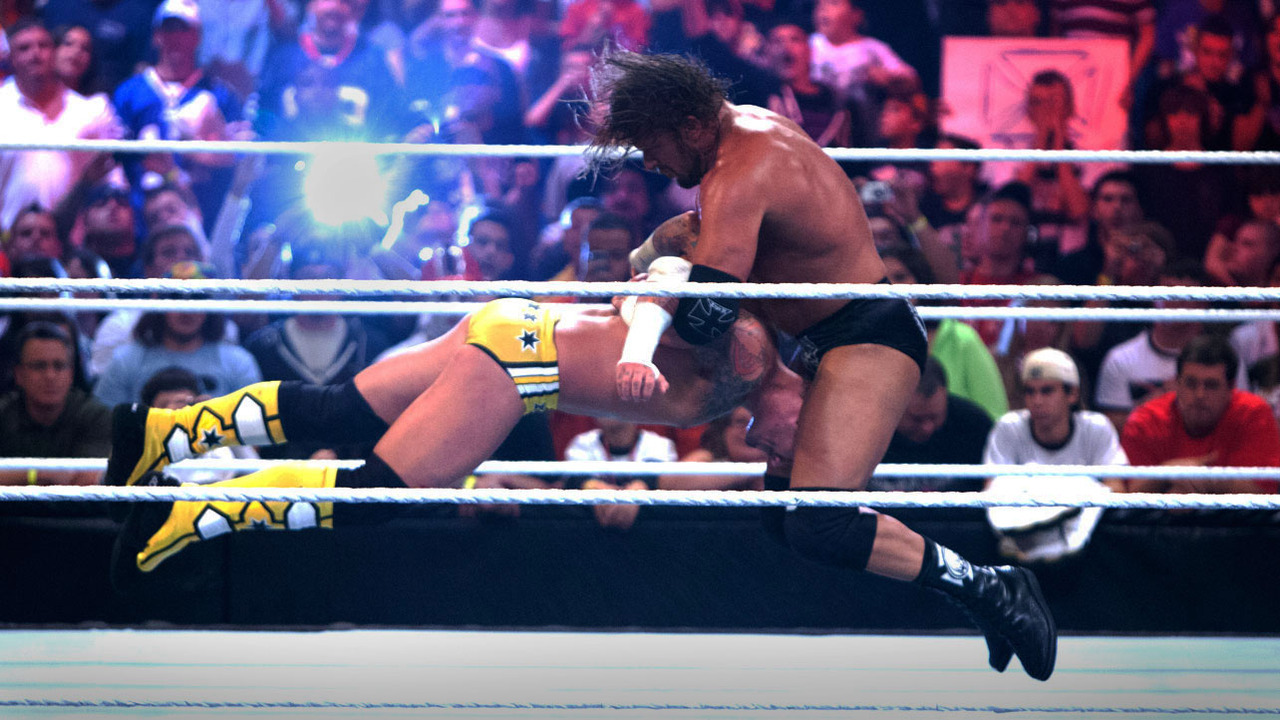
The evidence piles up against Triple H.
CM Punk set WWE alight with his legendary Pipebomb promo in June. This initiates WWE’s dismal version of the Summer of Punk, which ends with the anti-establishment Punk aligning with authority figure Triple H as a scab.
Prior to that, at Night of Champions, Triple H - a man with a toxic reputation of burying talent - plays heel against the man many deem capable of becoming the face of WWE. The guy the millennials want is visually pinned by Triple H before the finishing sequence. This spot is diabolical; as Triple H simply cannot be ignorant of, the visual pin is reserved for a cheated babyface.
Triple H is clever, but not clever enough; he grants himself plausible deniability, with a long and overbooked late interference sequence, but the match-winning Pedigree still feels too definitive, too clean.
Punk is established as the guy below John Cena, but the missed opportunity is incredibly depressing.
March 20, 2012 - A Strange Communication
The Wrestling Observer Newsletter publishes an article revealing the imminent closure of sole developmental group Florida Championship Wrestling. The Observer learns that a manager in WWE’s programming department has reached out to FCW’s local TV provider, Bright House Sports, to disclose that production on FCW TV has ceased indefinitely. Operations will move to Stamford, Connecticut during an evaluation of the system.
A flabbergasting rebuttal is posted to WWE’s official website. It is entitled ‘WWE EVP Triple H Refutes False Reports Of FCW’s Closing’.
In this almost immediate response, a defensive and contradictory Levesque says in the official WWE article - which leads with “an unreliable online news source published an erroneous report” - that “it is absolutely not true. FCW is not closing”.
This quote is from March 20, 2012; the last ‘FCW Arena’ show takes place on August 2, 2012.
Both sides are correct; technically, FCW will cease to exist, and will no longer produce television accordingly. Conversely, Levesque, who is attempting to prevent widespread panic within developmental, is right to say that the system is being “revamped” and not shuttered because that is what happens in a move from Tampa to Orlando. In any event, this is the origin story of Triple H’s NXT.
Fittingly, it’s very Triple H.
April 1, 2012 - WrestleMania XXVIII
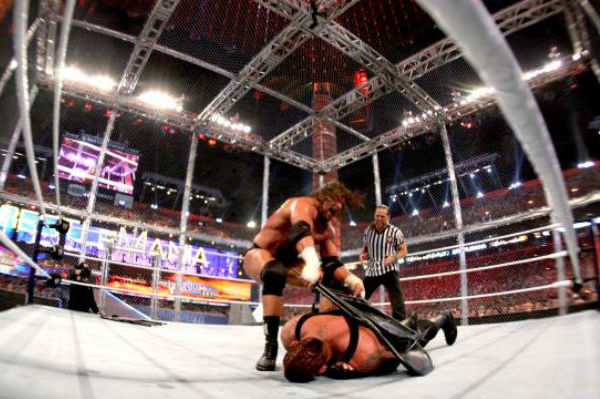
While the back half of the 2000s is relatively kinder to his legacy than the first, Triple H is still accused of holding onto a spot he does little to earn.
A Hell In A Cell classic on the Grandest Stage against the Undertaker reminds the world that, on his day, he is still that damn good.
The rematch is set because at WrestleMania XXVII, ‘Taker beats Triple H, but takes such a battering that he can’t leave the ring under his own power.
Triple H orchestrates the most gutwrenching near-fall in WWE history. The drama is informed by the meta aspect - a lot of fans readily believe that Triple H would engineer his way into ending the Undertaker’s undefeated streak at WrestleMania - but the craft of the sequence is sublime. Special Guest referee Shawn Michaels, who failed in his pursuit in 2009 and 2010, drills ‘Taker with Sweet Chin Music. Triple H immediately follows up with the Pedigree. Two potent finishers, the idea that Shawn still wants to play a part in ending the Streak, Triple H’s political reputation: it all converges to create a feeling of finality. ‘Taker kicks out. It’s a genuine ‘WrestleMania Moment’ that resuscitates Triple H's uneven WrestleMania record.
And then the next year happens.
May 17, 2012 - The Future Is Now
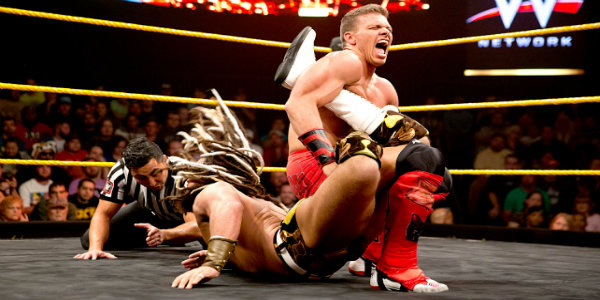
For the very first time, the revamped NXT emanates from Full Sail University in Winter Park, Florida, to which operations have relocated under Paul Levesque’s vision. The taping is headlined by Tyson Kidd Vs. Michael McGillicutty. Even on night one, the aim behind the charm offensive is clear: Tyson, a technically gifted worker, on the small side but appreciated by hardcore fans, goes over.
Levesque was a career-long body guy. The one wrestler he put over with undeniable, devoted conviction was Batista: a body guy. So why, then, will he base his vision for NXT around fashionable hardcore darlings, many of whom work a style in defiance of his favoured methodical approach?
Is it because you like them - and because, by extension, you’ll like him?
…and like him more than Vince?
June 11, 2012 - Change Formalised
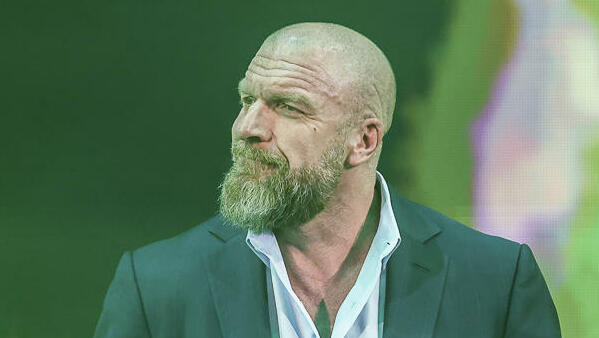
The “change” is formalised within WWE; per the June 18, 2012 Wrestling Observer Newsletter, Levesque’s new official job title is Executive Vice President of Talent Relations. John Laurinaitis is quietly removed from the Corporate section of the official WWE website.
April 7, 2013 - WrestleMania 29
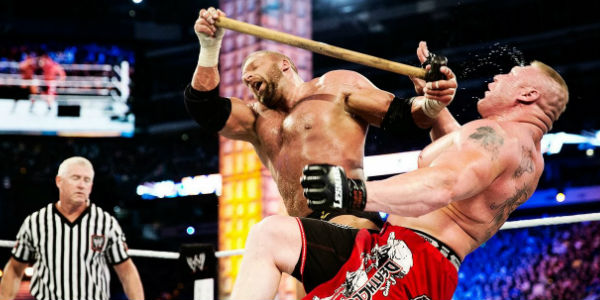
Triple H works a long match bereft of heat against Brock Lesnar.
Four years on from his disaster with Randy Orton, Triple H once again fails to get it. He puts his career on the line, having lost to Lesnar at SummerSlam 2012. There, he had motioned to retire with tears in his eyes. Either nobody bought it, or nobody cared. The loud silence was humiliating.
The silence is sustained across 24 minutes in the cold MetLife Stadium. A slow, attritional match bombs; despite the stipulation, there is zero sense of jeopardy. The action is unexciting, and the total lack of emotional investment does not compensate for it. Triple H, top babyface, does not work - even when he pretends he might be doing it for the last time.
Triple H wins - at WrestleMania, against Brock Lesnar.
Yes, Triple H retcons WrestleMania 29 does a job at Extreme Rules to lose the trilogy 1-2, but the programme is so detrimental to Brock’s killer aura that he breaks the Undertaker’s streak next year in order for WWE to maximise their huge investment.
July 11, 2013 - Performance Center
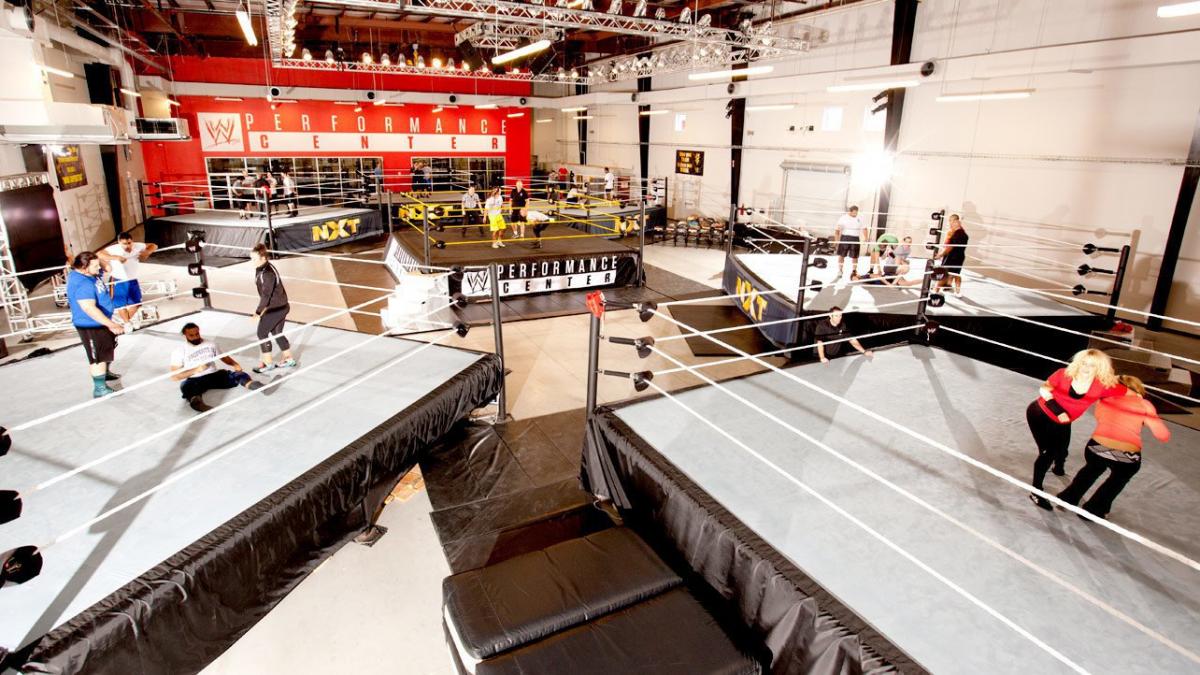
The WWE Performance Center officially opens.
The idea is to create a one-stop shop for talent development. WWE recruits talent with strong collegiate athletic backgrounds, trains them using Levesque’s much talked-about “playbook”, and hopes they will one day “main event” WrestleMania. This approach is consistent with the long-held belief that WWE likes to “make their own guys”.
In reality, the system is unfit for purpose. The irony is thick. Very few of these “from scratch” recruits end up headlining WrestleMania.
Charlotte Flair is debatable - she started training before the PC was opened, but had never worked a match outside of the system. Bianca Belair, who went last against Sasha Banks at WrestleMania 37, absolutely counts. She was the objective of the PC, manifested. Roman Reigns, who headlines more WrestleMania events than anybody else, is a product of the proto-NXT, before Levesque reimagines developmental in his image and hires the controversial Bill DeMott to oversee training.
Beyond the class of ‘Mania headliners, the crop of talent yielded by the PC, while not unimpressive, is hardly a factory of superstar draws. The wrestlers who experience the most success in WWE during the PC era either barely step foot in it, or supplement their in-ring training with a journey on the independents: Roman Reigns, Brock Lesnar, Seth Rollins, Becky Lynch, Cody Rhodes, Kevin Owens, Sami Zayn, Sasha Banks…
It is not, in terms of influence over the biggest show of the year, the New Japan Dojo.
While the PC will eventually reveal itself to be a relative failure, the sentiment surrounding early NXT - highlighted by Cesaro, Sami Zayn and PAC, amongst others - is so euphoric that the unthinkable happens.
December 12, 2014 - Fruit Basket
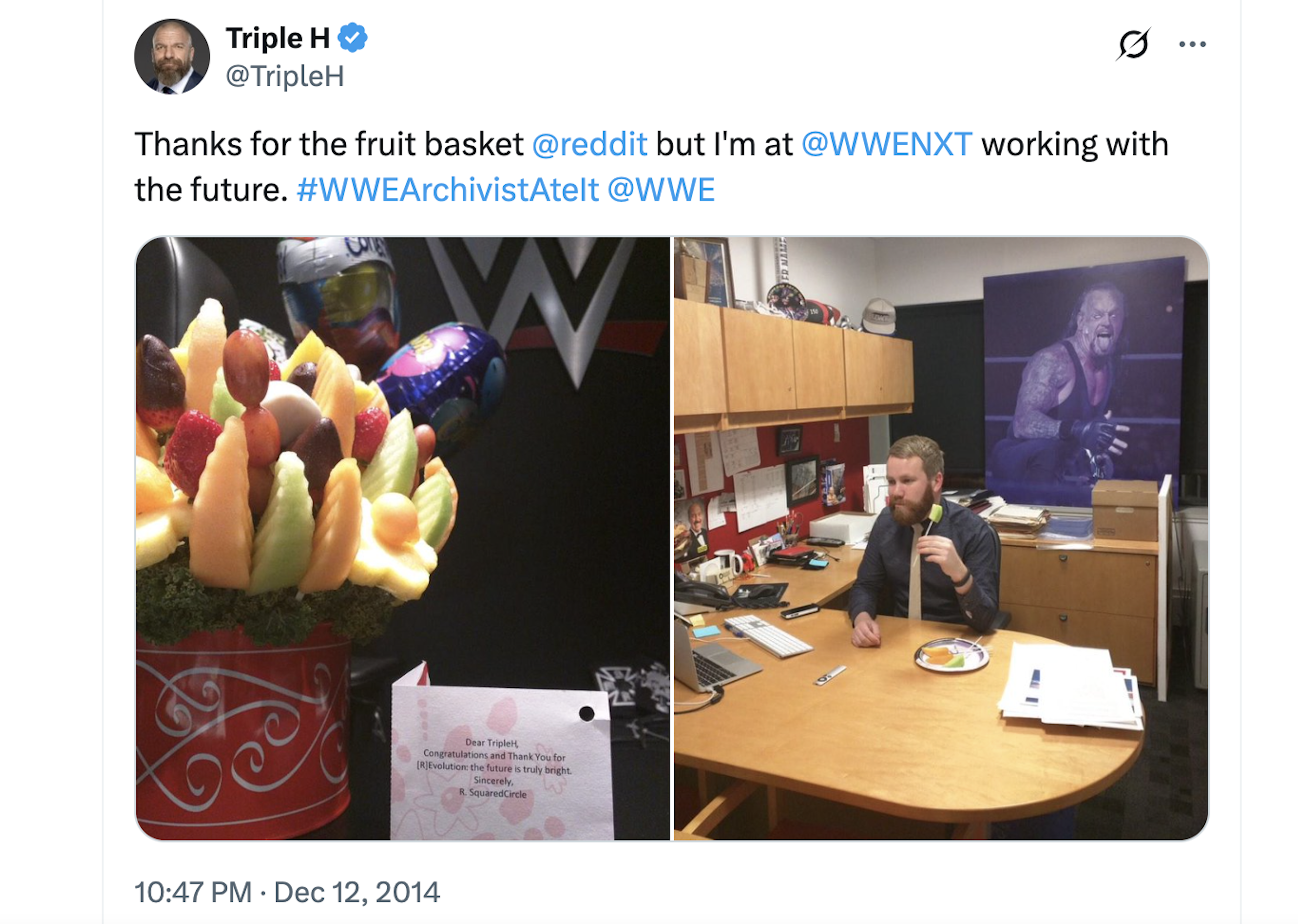
They say “never say never” in wrestling, so it shouldn’t come as too seismic a surprise - but the most inconceivable thing that might ever happen is posted to the social media website formerly known as Twitter on December 12, 2014.
The denizens of subreddit r/SquaredCircle are so enthused with NXT TakeOver: R Evolution, and Paul Levesque’s vision for WWE’s future, that various members band together and gift the multi-millionaire a fruit basket.
Levesque responds to his adoring faithful, tweeting his appreciation for the gesture while palming it off to one of his staff.
It is no exaggeration to state that Triple H was once the most reviled man in wrestling. He was considered as unlikeable and as creatively barren as Vince McMahon, a decade prior, only significantly worse, since he was crushingly boring - an accusation one could never level at his father-in-law.
Now, however, Triple H completes his babyface turn, the most shocking in wrestling history. His NXT show is a consistent, well-booked bit of business that highlights state-of-the-art action - in WWE! - but also delights jaded fans with its babyface triumphs and feel-good factor. It is, in almost every way, a joy.
Levesque is not merely a babyface.
The chasm between NXT and the WWE main roster - which will only widen in the years to come - is so vast that he is received as a messiah figure.
What’s strange, about this love-in, is that Triple H still draws the ire of hardcore fans. There are two Levesques: the saviour of WWE, and the guy who buries Daniel Bryan well beyond the parameters of his onscreen heel persona.
March 6, 2015 - An Ugly Controversy
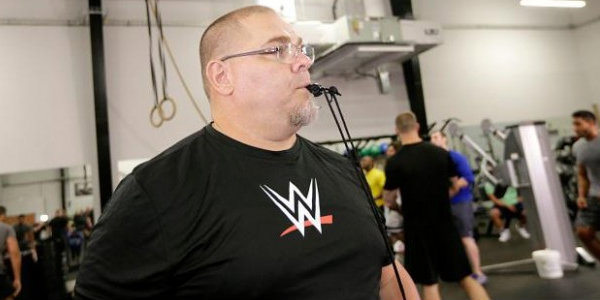
The narrative surrounding Levesque, benevolent saviour of wrestling, is dented. PC head trainer Bill DeMott, who denies wrongdoing, announces his resignation on Twitter.
It was always a curious choice - the horror stories surrounding DeMott in Deep South Wrestling were legion, and FCW trainer Dr. Tom Prichard was very well-liked and well-regarded - and the hire blows up in Triple H’s face.
This follows a wave of bleak and distressing social media allegations. Several aspiring and established wrestlers either speak out or use coded statements - like Trent Baretta’s “about f*cking time” - to express their contempt for DeMott. Ryan Nemeth alleges that DeMott kicked him in the leg when it was broken and had been placed in a cast. Terra Calaway alleges that an unnamed middle eastern trainee was called a “terrorist” and “Aladdin”, and told to “go back to making bombs”. Derek Foore alleges that DeMott would break a yard stick over the back of a trainee, were they caught messing up in the ring.
There is more.
In addition to DeMott, Strength & Conditioning coach Matt Wichlinski is also gone. He is fired after several complaints of sexual harassment.
He leaves a disturbing digital footprint. The openness is shocking. On his Facebook page, amongst other grim posts, Wichlinski captions a picture of Paige bending over the top rope with “Everybody should have a few of these at work”.
Ultimately, Levesque emerges from the furore unscathed, because wrestling fans tend to care more about great wrestling than they do ethical business practices.
And, 169 days later…
August 22, 2015 - TakeOver
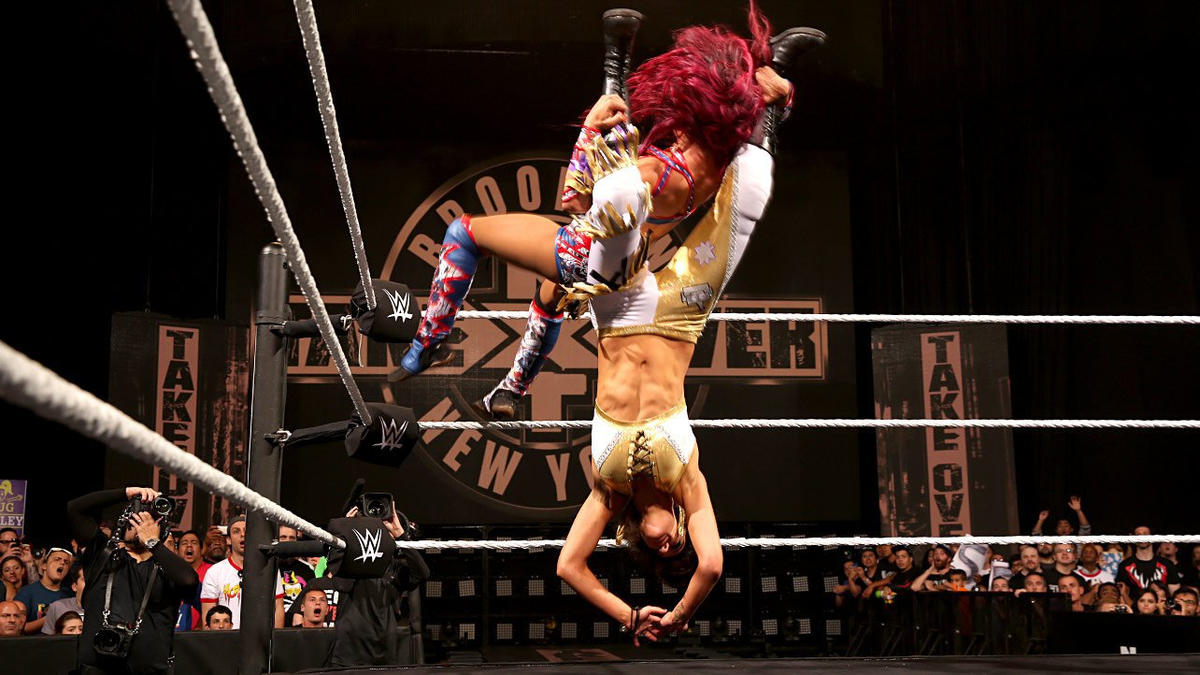
Levesque promotes one of the most iconic, feel-good and best WWE shows of all-time: NXT TakeOver: Brooklyn.
Headlined by a worthy ladder match between Kevin Owens and Finn Bálor, and showcasing New Japan Pro Wrestling legend Jushin ‘Thunder’ Liger in a fun and surreal cameo, the event is best remembered for the show-stealing Women’s title match between Sasha Banks and Bayley. A violent, emotive and deafening bout between two ideally contrasted wrestlers, it is timeless and progressive, all at once. The women in WWE are permitted to go, and they go harder than their more critically acclaimed male counterparts.
The show emanates from the Barclays Center in front of 15,000+ fans. For WWE hardcores and lifers, it is an almost cruel glimpse of the excellent, red-hot company they could and should be watching on major cable every week. Not only is NXT wonderful: it is realistic. The sort of wrestling you want is viable; no longer are you a naive, daydreaming mark.
As the main roster continues to baffle, anger, and alienate the dwindling core audience, Levesque becomes the best booker in the world.
NXT is so good that it almost feels like Levesque is operating it in secret - and for the next four years, the seminal TakeOver brand enshrines itself into pro wrestling legend.