The Scariest Night In WWE History | Tales From Backstage
The excesses and complacencies of WWE's Attitude Era result in wrestling's biggest ever tragedy
WWE is an organisation historically obsessed with moments.
Whether part of a wider corporate strategy in an era of particularly risible creative, or simply because the promotion has always known how to market its history as well as anything in its future, the need to artificially create/inflate scenes so that they are talked about for generations to come has become the blood that pumps through WWE's veins. On a Season Three episode of Netflix vehicle Unreal, Seth Rollins told Bron Breakker to really lay in the spear he was about to deploy during their October 13th 2025 Raw segment, because, in his words, 'This is a moment they're gonna replay for years". Outside of the October 20th 2025 Raw, it's barely featured. This didn't turn out to be Breakker's breakout, Rollins' recovery was swallowed whole by a preposterously lightweight WrestleMania return angle, and the former NXT and Intercontinental Champion's first taste of the top of the card wasn't remotely built to last. Moment completely undermined, if ever a moment at all. Onto the next one, lacking in depth but chasing enough of a vibe that it makes a video package for years to come.
When the company roared back into form in the late 1990s, it didn't initially have time to stop and smell the roses. Stone Cold Steve Austin's stare-down with Mike Tyson was instantly - instantly - iconic, and picked up by every outlet as a scene to rival the height of the Rock N Wrestling Connection a decade earlier, but WWE literally didn't see the replay value when there was money to be made in coming up with something new for 'The Rattlesnake' the following week. This was 1998, the brand new scratch logo, the winning of the first Monday Night ratings war in 83 weeks, the swagger of a market leader that was once again confidently leading the market, and a show that would try and capture lightning in a bottle all over again seven days later. And often succeeded. Nothing had changed by 1999. If anything the pace was getting faster even with a wrestling war now surely won. WWE were heading for commercial heights hitherto unknown and driving and/or reflecting pop culture in the process. Steve Austin soaked The McMahons and The Rock with beer from a hose on the Raw before WrestleMania XV, but it took years before the spot was celebrated ad nauseam. There simply wasn't time. There wasn't time to toast the good. There wasn't time to mourn the bad. There wasn't time to do anything properly. No time to question "why?" when the easier question from everybody top-down was "why not?" before the money ran out or the good times stopped rolling.
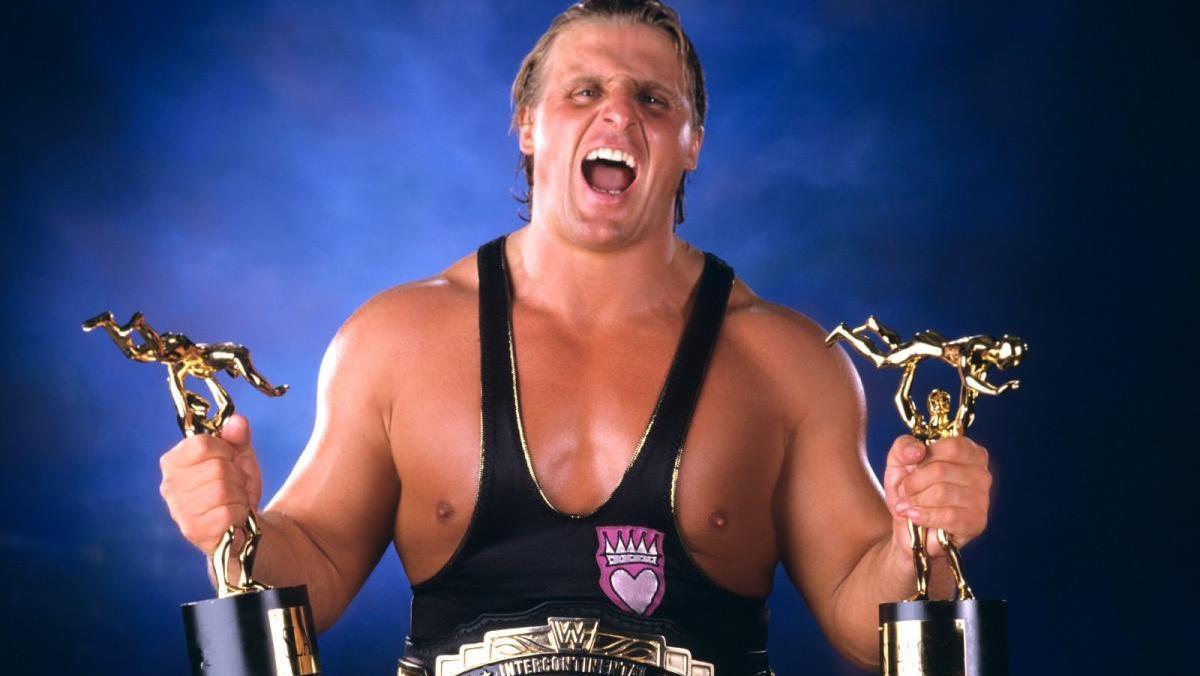
They didn't stop rolling after May 23rd. Nor did the cameras. Nor did anything. There wasn't time. No time to question "why" because too many people were saying "why not". But a moment occurred on that night that - whether WWE liked it or not - came to define the era as much as any white hot segment featuring D-Generation X or Sable. A moment that summed up the excess and the emptiness in equal measure. For wrestling fans of a certain vintage, this was a "where were you?" to rival the ones older generations spoke of when referencing Elvis Presley or JFK. Set to the blood and thunder of the times, World Wrestling Entertainment had never looked more fearless. The scariest night in company history didn't just shatter the lives of all it impacted - it temporarily shattered every blusterous promotional veneer. Owen Hart - a father, a husband and another wrestler on the relentless money-printing hamster wheel - died on pay-per-view. This would categorically not be a moment they would replay for years, but was in its own way the biggest in professional wrestling history. How did it all come to this?
CONT...