Wrestling Psychology 101: Everything You Were Too Afraid To Ask
Fittingly, CM Punk takes a very different, understated approach to the Bucks when asking the fans to care about his matches. The old sentiment of a crowd riot is dead, but Punk faithfully reproduces the lost values of selling and struggle so brilliantly that the people are willing to suspend their disbelief regardless. It’s hard to be a traditionalist when the tradition no longer exists. You have to be as good as Punk to do it.
This is a man who brought back the Hell In A Cell match. He made people believe in it again; thought dead, it was actually dormant. Cody Rhodes, another brilliant throwback of a wrestler, actually achieved that two years earlier, though it was elevated through the ghastly bruising covering his entire torso. A lot of wrestlers in the US still use the shine / heat spot / hope spot / comeback / finish formula.
As hot as WWE is, does this really work all the time? Is it too old-fashioned? Are Punk and Cody the last of a dying breed? Is the rigid playbook formula for developing talent undermining things? Maybe the best way to learn real fire is when a small and hostile crowd forces you to make them care.
The other wrestlers in the U.S., who either traded tapes or watched it all on YouTube, have for years now imported the strong style approach. Not a one of them is as good as Tomohiro Ishii.
Provided that you are willing to get on his wavelength, Ishii is the most timeless, perfect wrestler. You can’t believe that a heel is actually a heel anymore. You can, through expert selling and pacing, make the people believe that you’re done for. Precision physical timing is still the most effective magic trick. It’s little wonder that strong style is so pervasive in the US; with cheating a sign of a booker’s cowardice rather than a wrestler’s, it’s much easier to manipulate fans by simply caving somebody’s face in using the safer places.
Ishii is incredible at making it seem as though somebody has completely messed him up. Every time, after crumpling to a defeated, hobbled position, he’ll take a blow so hard that it feels concussive. It is at this moment that he fires up, roaring back with sheer defiance, fire, and spirit. Almost every other match you see attempts something like it, but Ishii is a wrestler with soul. He can make you believe that, after taking Kenny Omega’s most gruesome V-Trigger ever, fighting back using pure adrenaline is a matter of life and death.
In a post-heat world, there are still ways you can make it all work.
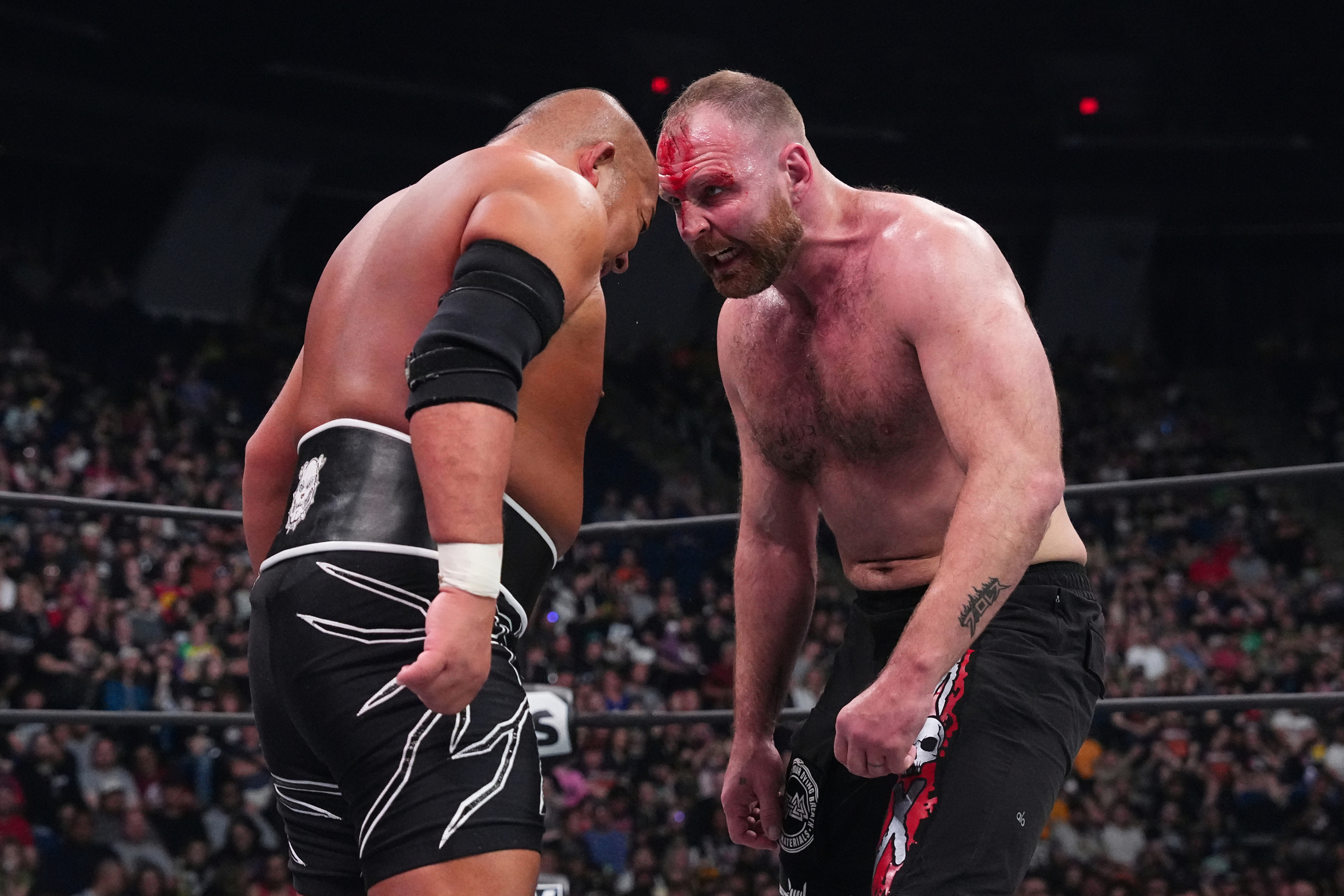
Psychology is also character-based. The crowd doesn’t want to see a brawler bust out a high spot. It would feel desperate, cheap, like they want a star rating more than anything else. It’s always weird and unnecessary when the otherwise great Jon Moxley busts out a dive. (Then again, psychology is murky. Watching a wrestler perform a move out of character, because it’s a last resort, is a subversive thrill.)
This transparent quest for acclaim has infested the art of psychology in recent years. There’s a cheat code to making a crowd care, a rigid and soulless set of instructions to assemble a This Is Awesome chant. For an act that supposedly lacks psychology, a lot of wrestlers (if not the vast majority of them) chase that Young Bucks atmosphere.
To put all of this more succinctly: crowd psychology is the manipulation of emotion in the arena, the success of which is measured by a sustained yet oscillating volume.
The maximum decibel level is the desired outcome, but there’s actually a higher scale to mount. What is crowd psychology, perfected?
Pro wrestling is an interactive performance art. The ideal to which all wrestlers aspire is to work a match so emotionally affecting that the fans feel that they are shaping the outcome. If they make enough noise, they might just inspire the babyface or underdog to win. This is the level beyond “This is awesome!”.
The best wrestling matches, those which perfect crowd psychology, make it seem as if an audible has been called to put the babyface over - or that an audible should have been called.
Bret Vs. Austin is the most famous example.
CM Punk, an advanced storyteller, played with the theme of escape at WWE Money In The Bank 2011. He convinced the audience that he could “split” from WWE with the title by countering, escaping, every John Cena signature move - thus making more sense of the now standard back-and-forth template. Punk belongs in any Hall of Fame, and his ability to sustain that pop in Chicago across 33 minutes is the pinnacle of his career. The Young Bucks Vs. Lucha Bros. at All Out 2021 was another superb example; the swell of belief, desire, and pure justice orchestrated in that arena was unforgettable. The Bucks had to lose; they'd taken everything too far. This heel work was sold wonderfully by Penta. He was too much of a cool badass to appear so vulnerable. He had been wronged, and badly, and the fans needed to right it on his behalf.
Kenny Omega, in his first legendary match against Kazuchika Okada, actually used a similar principle to Hogan Vs. Andre. He went for the One-Winged Angel again and again - informing electrifying counters, in which Okada at times looked like he was made of rubber - but failed. He gave the fans something to attach themselves to, was so creative in doing so that he drew them in for 46 minutes, and broke their hearts when it kept slipping away. It was a broad performance. Omega practically cried as he sold his career-best effort in the dying moments. But that crowd was just as emotional, losing it individually in a soundtrack of volleyed gasps, shrieks and wails.
It was the perfect opposite of the performative “This is awesome” chant.
Before the NXT Face trope became total parody, the Undertaker was immaculate when expressing dismay and shock when he failed to put Shawn Michaels away at WrestleMania 25. After all those years, in that moment, he looked pitiful. Mortal. He made his fans worry that the elusive end was actually in sight. Contrast that key moment with his spectacular entrance, and how he portrayed himself as an invincible supernatural figure during it. That’s what Roberts was getting at. The ups, the downs.
For an example of bad psychology, consider the November 6, 2024 AEW Dynamite match between Malakai Black and Adam Cole. It was mediocre and flat and not particularly long, and yet, at the finish, Malakai sold the effort as if it were the noble last stand of a dying, legendary warrior. He surrendered. He sat down to take Cole’s finish, as if he knew his time was over after such an epic, draining battle. Black misjudged it. This wasn’t some grand moment. He overstated the aura of his character, and what it meant to beat him, so much that everybody assumed he was leaving AEW that night. It was confusing, over-ambitious and unearned.
The term “psychology” has confounded and even taunted wrestling fans in their formative years. Is that because it’s not an apt term to begin with? And what is a better word for the principle?
CONT'D...(4 of 5)