10 Lessons The DCEU Must Learn From Avengers: Infinity War
What Thanos and the gang can teach the folks at Warner Bros.
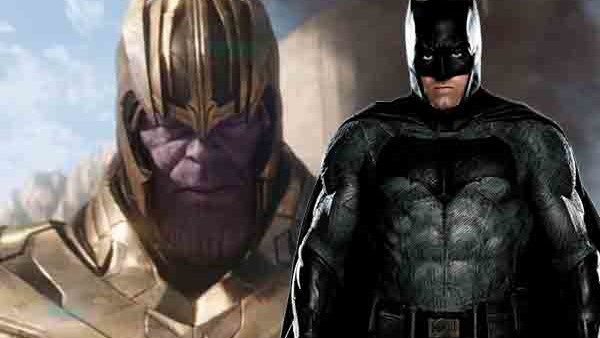
Avengers: Infinity War crashed into cinemas with the impact of a Wakandan meteorite and it isn't just the Marvel Cinematic Universe that will never be the same as before. The Russo Brothers' cosmic showcase is sure to ring changes across the superhero genre, having established itself as the one to beat in this thriving category.
The MCU's latest instalment has attracted glowing reviews across the board and is smashing box office records left and right. No doubt the folks over at DC and Warner Bros are turning greener than Bruce Banner with envy, although they'd be quick to point out that Infinity War's success is good for the comic book film genre as a whole.
That doesn't mean it hurt them any less when Infinity War crushed Justice League's entire box office run in a matter of days but there are lessons the folks behind the DC Extended Universe can learn from Marvel Studios' almighty cosmic crossover.
In fairness to the DCEU, it's in relative infancy compared to Marvel's cinematic juggernaut. Justice League was essentially its answer to the first Avengers movie, yet none can deny the need for course correction between now and a time when the series is ready to wage its own cosmic-scale war, a phase or two from now.
Its architects must learn from Thanos and the gang before then...
10. Lay The Groundwork First
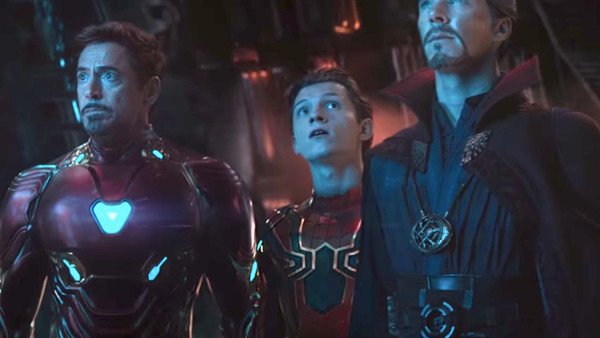
There are a whopping 40 Marvel characters in Infinity War, yet at no point does that feel like overkill. While Thanos hogs the spotlight at times, each hero gets the chance to make a mark on the story and, in most cases, their screen time is appropriate.
Marvel Studios was able to thrust these characters into the thick of an intergalactic conflict without the need to waste time telling a series of complex backstories. The previous MCU films shouldered that responsibility and Infinity War is the result of 10 years of universe building which dates back to the original Iron Man.
One of the main reasons Justice League fell apart on arrival is because the entire thing felt rushed. When the first Avengers movie proved a Hulk smash at the box office, DC and Warner Bros wanted a rival superhero team-up on its slate yesterday; but with only a handful of films feeding into it, the project turned out half-baked.
Ideally, the Flash, Aquaman and Cyborg should have appeared in solo movies before the main event, to prevent them from jostling for introductory screen time, and this is a mistake the DC Extended Universe cannot afford to repeat.
It seems Justice League 2 will focus on Lex Luthor's Legion of Doom, so it's important that the next wave of movies introduces as many of its villainous members as possible before they pool their resources for a showdown with Superman and co.
9. Keep The Main Cast Together

Amid all of the frenetic action, there was poignancy in Avengers: Infinity War as the characters fans have followed on the big screen for a decade experienced love, loss, tragedy and anguish. These are the moments that added method to the madness.
Marvel's iconic characters have been through a lot since they were thrust into a cinematic universe together, and moviegoers have been through it with them. The emotionally-charged scenes they endured during Thanos's invasion were so impactful because it's almost as if these events were happening to our close friends.
The deaths and the hero sacrifices wouldn't have been anywhere near as striking if Marvel had overhauled its main cast and soft rebooted five years into the MCU. Consistency has been the key and the DCEU should take note of that.
Given that Wonder Woman is the rival franchise's only unequivocal success so far, there may be a temptation on Warner Bros' part to overhaul the main cast, but Henry Cavill, Ben Affleck and Jason Momoa are not to blame for the series' woes.
Although reports suggest Affleck is unlikely to remain on board beyond the expiration of his contract, the DCEU's architects should try to keep the rest of the band together.
8. Keep Variety In Mind When Expanding The Hero Roster

Marvel's character roster heading into Infinity War was as broad as it was diverse, and the variety that brings is what made the film so well balanced. Iron Man and Cap flew the flag for vintage comics, the Guardians of the Galaxy brought sci-fi and comedy elements, and Black Panther and the Wakandans added a pinch of African flavour.
Since establishing some of its biggest names in Hollywood during Phase One, Marvel Studios has expanded its cinematic universe the right way, introducing moviegoers to lesser-known heroes, as well as characters from different creeds and cultures.
That isn't to say DC and Warner Bros haven't done the same so far. Wonder Woman championed gender representation and the studios certainly haven't shied away from casting actors of various ethnic origins, but they should follow Marvel's lead when it comes to expanding the boundaries of their universe going forward.
Green Lantern Corps will add cosmic elements to the DCEU in the near future, and the aim should be to integrate them into the mix as seamlessly as Infinity War does.
Moreover, the franchise could really use its answer to Black Panther, a culturally significant film that exposes mainstream audiences to other ways of life. With that in place, further crossovers would at the very least be more relevant.
7. Include More Compelling Villains
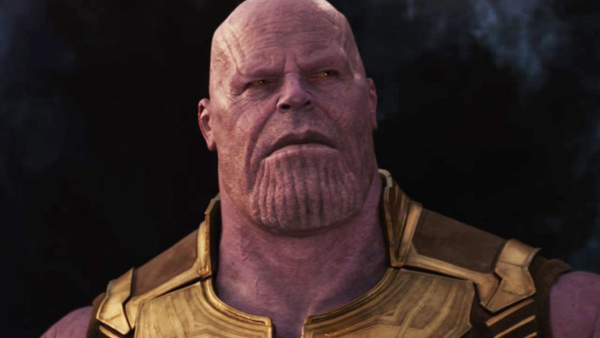
The Marvel Cinematic Universe has been unfairly criticised for its villains on occasion. Sure, there were a few post-Loki duds but the issue was resolved even before Black Panther's Killmonger emerged as one of cinema's most relatable bad guys.
With Thanos, however, Marvel has raised the bar even higher. Josh Brolin's Mad Titan is a formidable antagonist who oozes screen presence and unpredictable dread in every scene. He sends the threat level and the stakes into the stratosphere, and his relationship with Gamora adds a surprise shred of humanity to the alien warlord.
In short, he's everything Justice League villain Steppenwolf is not. The New God's motivations for terraforming Earth in the image of his homeworld were barely explored and the threat he posed diminished when Superman returned from the dead.
Like Phase Two Marvel, Warner Bros and DC have been hit and miss with DCEU villains, so it's time for them to introduce one who is capable of shaking cinema to its foundations. In other words, they have to get Darkseid right when his time comes.
6. Choose The Right Universe Steward

In Anthony and Joe Russo, Marvel Studios have a directorial duo who understand the source material and know exactly how it should be adapted for cinema. Their record since joining the franchise with Captain America: The Winter Soldier has been impeccable and its immediate future is in safe hands.
Meanwhile, DC and Warner Bros put their faith in Zack Snyder and invested in a vision shrouded in darkness and rooted in superhero deconstruction. The end results divided fans and critics, but it wasn't the vision that was the problem.
What hurt the DCEU is the studios' loss of faith in Snyder and his way of doing things. After Batman v Superman's review scores came in, they suddenly wanted movies that were lighter, upbeat and more Marvel-like. This resulted in Suicide Squad being massacred in post-production and Justice League ending up a tonal mess, being pulled in opposite directions by two different filmmakers.
This isn't to say hiring Snyder was the wrong decision, but next time the DCEU appoints a franchise steward, it has to be a director whose ideas they are happy to stick with for the long haul. Abrupt course correction is what has hurt the series, so the filmmaker who inherits the keys to the kingdom must be given the chance to tell the stories they set out to tell, in the way they want to tell them.
5. Improve The CGI Effects

It's a well-known fact that bad CGI kills movies, shattering the sense of immersion and making suspension of disbelief impossible. Although Infinity War relies heavily on visual effects, thankfully they're of high quality for the most part.
There will always be film fans who dislike all-CG characters, but even they have to admit Thanos has been rendered well. The Mad Titan looks tangible, brought to life through a combination of painstaking tech wizardry and Josh Brolin's vocals.
Environments such as the planets Titan and Vormir rely heavily on computer imagery, and while that is obviously noticeable, it's never distracting.
The same cannot be said of Justice League's use of CGI, as the botched job they made of concealing Henry Cavill's moustache was merely the beginning of its problems. Steppenwolf looked like a PlayStation 2 character and many of the action scenes were marred by ropey cape effects and unconvincing digital destruction.
This wasn't a new problem for the DCEU as Batman v Superman's Cave Troll-like Doomsday attracted his fair share of critics the year before.
Perhaps it's time for Warner Bros and DC to switch CG providers because one of its immediate goals should be to match Marvel on the digital effects front.
4. Make The MacGuffins Meaningful

The Marvel Cinematic Universe is a masterclass in the art of the MacGuffin. This is the role the Infinity Stones have played since they were first introduced in Phase One, and these cosmic rocks are more than just an excuse for Thanos to do evil things.
Each gem serves a specific purpose in the story. To obtain the elusive Soul Stone, the Mad Titan has to make a supreme sacrifice, while the Time Stone and the Reality Stone are tied to turning points in the story. In short, they have narrative payoff.
The same cannot be said of Justice League's Mother Boxes to quite the same extent, as the lore behind these items was barely explored in the previous movies, unless you count a Wonder Woman epilogue that was deleted from the final cut.
Sure, they have some narrative weight since one is used to resurrect Superman, but since they're the villain's sole motivation and therefore the reason the heroes came together in the first place, the Mother Boxes should have been given the same billing as the Infinity Stones in the run-up to Justice League.
This is the kind of groundwork future DCEU movies must do if the powers that be are planning to use MacGuffins in the post-Justice League era.
3. Keep The Audience Guessing

Unpredictability is the lifeblood of Infinity War. Nobody knew who was going to live, who was going to die, which long-lost Marvel Cinematic Universe character was going to show up next, and exactly how the whole thing was going to end. There was a twist in virtually every scene and this kept fans on tenterhooks throughout.
By comparison, Justice League held few surprises. The movie's biggest twist was the return of Superman, something everyone knew was inevitable in advance, and many predicted that he would battle his teammates at some point.
There was rarely a moment when the main characters were in any real jeopardy, and it came as no surprise when the film's death toll was limited to Steppenwolf, a few STAR Labs scientists, a handful of Amazons and dozens of Parademons.
In other words, it was a by-numbers superhero movie where good triumphs over evil and everything seems right in the world by the time the end credits start to roll.
Justice League is a movie that sorely needed a few decent twists to break up the action and exposition. Future films should do more to create a niggling sense of uncertainty where the heroes' chances of defeating the villain are concerned.
2. Don't Ignore The Previous Movies

Ignoring or downplaying key events from the previous movies is something Marvel Studios has been guilty of in the past. It was as though Tony Stark never destroyed his high-tech suits in Iron Man 3, and the fall of SHIELD in Captain America: The Winter Soldier should have been a bigger deal than future sequels made it out to be.
Infinity War proves the House of M's movie division has learned from these mistakes, as many of the MCU's milestone occurrences impact on the story. Everything from the Battle of New York to the Sokovia Accords is referenced in a meaningful way to create that sense of comic book-esque continuity the fans can't get enough of.
As previously mentioned, there will be a temptation at Warner Bros and DC to distance themselves from the previous films (with the exception of Wonder Woman) due to the lukewarm reception they received, but Avengers: Infinity War is living proof of what can be achieved when a film studio sticks to its guns.
Not all of Marvel's movies are solid gold. The first two Thor films, The Incredible Hulk and Iron Man 2 can be considered misfires, but a few early duds didn't hurt Infinity War, and there's no reason why future DCEU crossovers set within its current continuity can't be similarly successful with some careful course correction.
1. Give The Films A Strong Visual And Sonic Identity

Marvel has experimented with unique sounds and visuals of late, with great success. Thor: Ragnarok, with its neon look and synth-heavy sonics, has an identity all of its own within the MCU and Black Panther embraces African culture.
Infinity War continues this trend by bringing together various aesthetics from the previous movies in one well-balanced package. Whether exploring the cosmos or depicting an epic battle in Wakanda, it's never less than an eye-popping spectacle.
The movie has a strong sonic identity too, thanks to Alan Silvestri's triumphant riff on the Avengers theme as well as several of the individual characters' scores.
Early entries in the DCEU rocked stylish visuals. You're certain to get them when Zack Snyder is at the helm, but Justice League failed to build on this. The film had a vanilla look, and most fans would be hard press to recall any of the music they heard during its runtime, besides the divisive Beatles cover that accompanies the end credits.
It's debatable whether the darkness and grit of Batman v Superman is a suitable aesthetic for future DCEU movies, but one thing is for sure, they will need a stronger visual and sonic identity than Justice League.