Sunderland: 10 Most Costly Mistakes In Black Cats History

The wayward decisions that lead to relegation, bankruptcy and failure at the final hurdles.
Sunderland€™s 2013/14 season will go down in legend, no doubt: we€™ve all read the statistics, we were all there when some of the most dazzling moments happened and Dreams were Dared to be dreamt. After all, Sunderland rarely do things the easy way and for all the moments of triumph - back-to-back derby victories, wins over Chelsea and Manchester United on the road to Wembley, and of course the Great Escape - there were still times when mistakes threatened to bring the Stadium Of Light crashing down. Consider the Black Cats€™ player of the season, Vito Manonne€™s slip in the last moments at the eventual Champions, Manchester City or the poor line-up fielded by Poyet €“ now forgiven €“ away at Hull in the FA Cup... Memorable for all the wrong reasons. That€™s not just the story of last season though, that is true of Sunderland as a whole. No club can possibly avoid mistakes completely or make every call right €“ just look at Manchester United last season. Many of these featured events are pretty recent, admittedly. Though, the reason is the last two decades have included some of the biggest blunders this club has seen. Therefore, here is a run-though of the Most Costly Mistakes In Black Cats History.

10. The Director Of Football

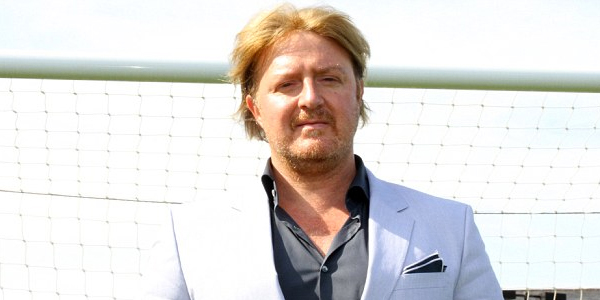
If the appointment of Peter Reid as manager in 1995 was a stroke of luck, then the signing of Niall Quinn €“ for the good of Sunderland AFC €“ was inspired. The Irish striker was sold the idea of Sunderland being €˜a sleeping giant€™ by Reid, agreed terms and the rest as they say is history. Arguably Sunderland€™s biggest failing under Reid would later be the inability to replace the iconic forward adequately; on his day he was unplayable and in the long term he was irreplaceable. Replacing Quinn was actually a problem twice in the club's history, and both times the mistakes made cost the club dearly. It can never be underestimated what he did as chairman did for the club: he wasn€™t only what attracted the Drumaville Consortium to buy the club, but he also convinced American Ellis Short to purchase and subsequently run things. And crucially, Quinn€™s football knowledge was an invaluable asset, so when he stepped down for Short to become chairman, a void was created. Quinn obviously stayed on until he felt his job was done in capturing Martin O€™Neill as manager, and in hindsight, perhaps with Quinn as the buffer between manager and boardroom, O€™Neill€™s tenure might have worked out. It obviously didn€™t, with transfer dealings the biggest concern. That was when the position of Director of Football was created to parachute Roberto De Fanti into that same gap between the volatile manager, Paolo Di Canio and Sunderland€™s directors. The idea in principle was good, but in practice it was a well-publicised disaster. De Fanti €“ responsible for all signings last summer €“ lacked the relevant knowledge of the English game not to mention the club and after just 7 games, it looked like the decision to hire him would cost Sunderland their position in the Premier League. Personalities weren€™t seemingly compatible either, and quite why the Director of Football job couldn€™t have been created for Niall Quinn in the first place is beyond most fans' comprehension.

9. Michael Gray€™s Spot Of Bother

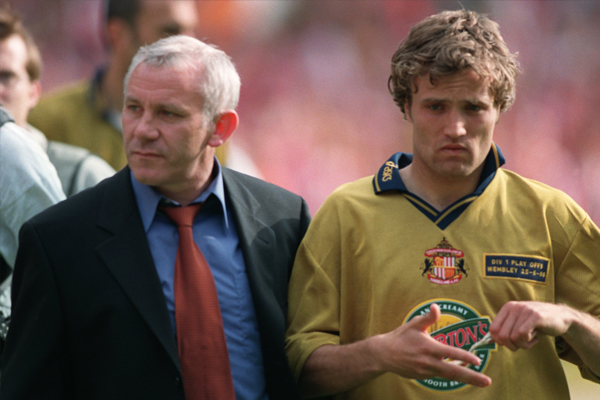
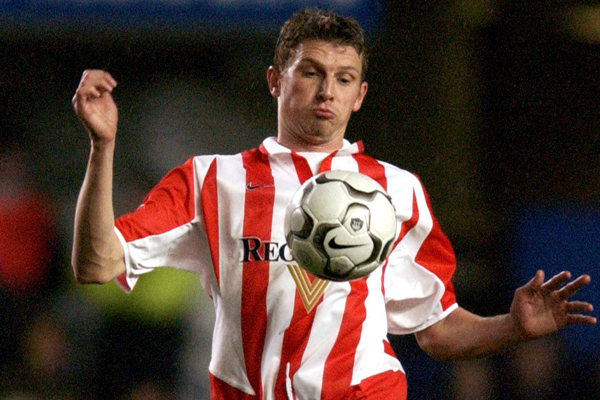
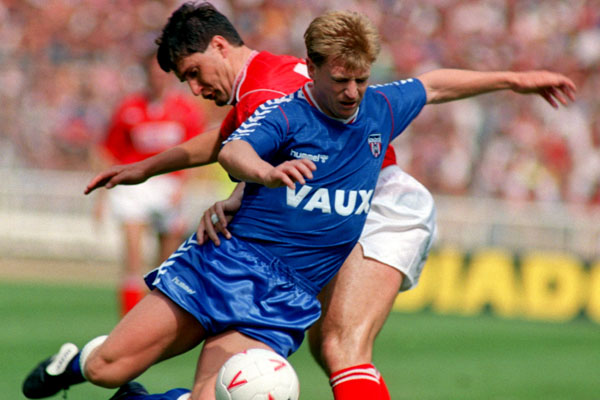
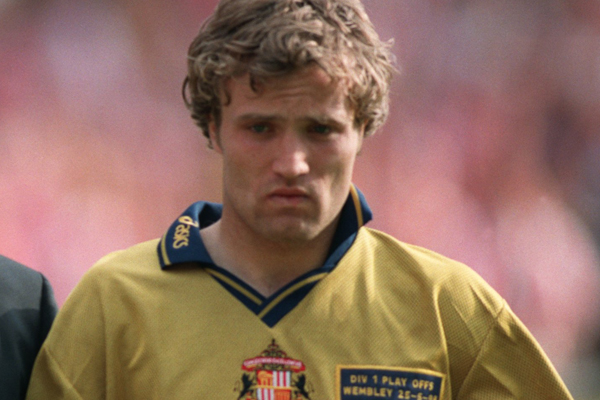
Some call it the most important game in English football, the Division One Play-Off Final at Wembley, 1998. After a reasonably dreary first-half - at least in comparison to the semi-final second-leg - Sunderland went in 1-0 down at half-time, but that proved no problem for the attack that had netted more goals that season than anyone else and strike duo Quinn and then Phillips turned the game on its head, as the former put Sunderland in front. However, the youngest defence in the club's history notoriously couldn€™t hold on and extra-time was required, before utimately penalties followed, which is where the two sides were finally separated for the first time all afternoon, having matched one another until that point. Sunderland had been poor from the spot under Peter Reid during his first full season in charge, until, ironically left-back Martin Scott had taken on the responsibility from 12 yards. Now however, it was local hero, Michael Gray - the winger turned left-back - who was charged with Sunderland€™s first kick in sudden death. As the commentator had just stated as Alex Rae had dispatched his penalty, €˜there could be £10m riding on the outcome of this.€™ Rae had been successful, but Charlton Athletic had scored their previous spot kick, so it was a matter of miss this and Sunderland would spend another year in Division One. The camera caught Black Cats manager Peter Reid looking like the calmest man in the whole of Wembley, but sadly, his number 3 clearly wasn€™t, and with one of the poorest attempts you€™re likely to see on the hallowed turf, Gray fluffed his lines and the Charlton keeper guessed the correct way. He probably could have saved it even if he hadn't. Gray, like all associated with the club was heartbroken. One year on, and Sunderland needing three points for promotion had a penalty to go in front. Sky€™s commentary team that night asked the question, €˜should Gray be given the chance of redemption?€™ He kind of already had been, but never again was he put on the spot.

8. Mick McCarthy€™s Admission

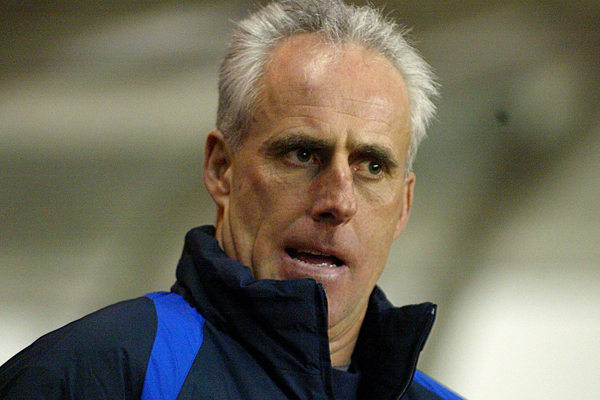
Given the players that he had to ship out and quality he had to work with, McCarthy worked minor miracles in his time at Sunderland, though only at Championship level. His record in the Premier League as Sunderland boss was terrible. He does have a reason though, apparently, as his hands had been tied: there wasn€™t the money to spend what he would have liked, while Sunderland got rid of players whose contracts were expiring only to shell out transfers fees to replace them. Lack of judgement in the transfer market cost the club dearly, as in aiming for €˜the best of the rest€™ outside the Premier League, Sunderland had been saddled with average players with little heart for the fight. By McCarthy€™s own admission, Sunderland after two seasons in the Championship were again planning ahead for another season down in the lower tier even before a ball was kicked in the Premier League. By the standard of signings it could quite easily be believed. Though it was still poor, excusing the club's position at a time when Sunderland had actually spent more up to January than the other two sides they'd been promoted with, but Sunderland were bottom of the league looking up at both Wigan and West Ham who were on course to stay in the league comfortably. Relations between manager and chairman were never the same after McCarthy had opened his mouth, and only months later he was sacked and by that summer, Murray too was gone, as Quinn€™s €˜magic carpet ride€™ began.

7. Tore Andre Flop

The word flop has resonated around Flo ever since he was found-out in a Sunderland shirt, which certainly didn€™t take long. For almost a year Sunderland had been looking at several strike targets to replace Niall Quinn: the club had kept an eye on James Beattie, a big, strong old-fashioned style centre forward just up Reidy€™s street by all accounts, since he liked pairing big and little in attack. Sunderland still had Phillips to build around, but after a narrow escape from relegation the squad was in need of a serious overhaul, with the centre forward roll the most urgent. Both Peter Reid and Chairman Bob Murray knew the merits and strengths of Beattie, however, between them they arrived at the same, misguided conclusion not to sign him. Instead there was a desire for a bigger €˜marquee signing,€™ which forced them to look further afield, with links to Robbie Keane and Flo proving exciting for fans. On the final day of the first transfer window, those fans turned out to greet the tall Norwegian forward when he was duly signed, who everyone believed would be the answer to the club's prayers. He was a big lad- perfect to fill the big void at number 9 as Quinn stepped back into the shadows before injury made him call it a day. But for Reid, Murray, Flo and Sunderland it was a false dawn: Flo would never hit the heights as he did with Chelsea, probably because the blues played to his strengths. Stuck with route one football at Sunderland there was little the forward could do without the aerial ability of Quinn or even Beattie.

6. Sgt Wilko

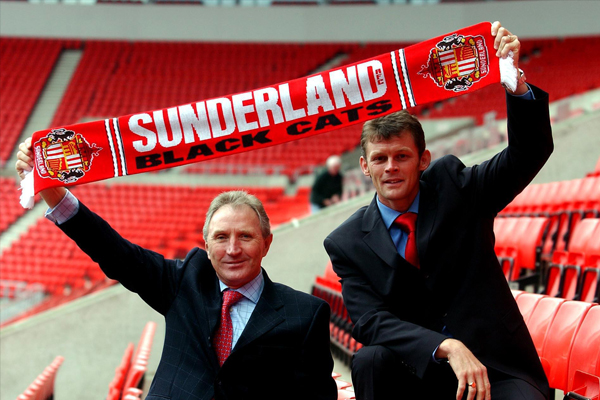
After Peter Reid€™s time at Sunderland finally ran out the North East footballing rumour mill went into overdrive as fans were led to expect a new dawn. Excitement at the next prospective boss had the club abuzz and former Leeds United managers David O€™Leary and George Graham were heavily linked at the time. But Chairman Bob Murray had other ideas, it seemed: he effectively ruled out O€™Leary due to the transfer policy, which had existed during the Irishman€™s time at Leeds, and turned instead to another Leeds manager - somewhat unexpectedly. Given his short, 20 league match tenure and his inability to sign anyone, it€™s difficult to know if he was indeed the worst appointment since the McMenemy years, but looking at the merry-go-round of managers in the early 90s, there wasn€™t a great level of expectation in those appointments. Where here there was, until the actual candidate was officially unveiled as Howard Wilkinson. On the surface, he remains the last English manager to win the league and he possessed experience, installing discipline in the players. But that was about it; the football in all but two games €“ his only two wins €“ was dire. The lack of ambition of his teams just about brought you to tears, as would his team talks, you€™d imagine. If a side could have stayed up on goalless draws alone, Wilkinson would have been laughing, we however weren€™t €“ as the team crashed and burned out of the division on 20 points.

5. A Second Appearance At Wembley - Blown
How many times does a club have an opportunity of following one cup final with another potential Wembley appearance within the space of a week? Unless you are Manchester City, Manchester United or Chelsea, it€™s very rare to say the least€ However, that was the tantalising prospect that faced Gus Poyet and Sunderland a week after disappointment in the League Cup final at the hands of Manchester City. Former Sunderland boss, Steve Bruce€™s Hull were the opposition, and despite their relative mid-table safety, 100% record against the Black Cats in the league and home advantage, Poyet€™s men should still have proved the better side. Maybe the league took priority, or concerns if Sunderland actually made it into Europe only to stretch the wafer-thin squad: either way, something made Gus Poyet change his line-up to the tune of six changes. Despite a first-half penalty save from Sunderland€™s stand-in keeper, the Black Cats pressed the self-destruct button more than once as Hull cruised to a comfortable victory. For Sunderland fans and Poyet €“ particularly, given the nature of the cup draw that Hull enjoyed, playing Sheffield United in the semi-final €“ it was very much a case of what if. But Sunderland€™s late, great escape towards the back end of last season probably restored some faith.

4. The Sale Of Marco

After the wreckage left in 1987, Sunderland€™s rebuild began by appointing Denis Smith as boss, and the best bit of business he did, was to persuade the young striker Marco Gabbiadini to join him at Roker Park from York City. From the doldrums of the humiliating relegation to the third flight of English football, Smith staged a rebirth of Sunderland football club, aided by his faith in Marco, who quickly became the toast of the town. With more young players emerging at the same time the future looked bright on Wearside once again as Gabbiadini formed an intelligent strike partnership with Eric Gates, the younger man providing the running and firing the club back to the top flight. But then when Gates left, something went wrong and Gabbiadini's astonishing rise floundered, and the club was relegated back to Division Two. Sunderland would not get the chance of an instant return either €“ selling prize asset, Gabbiadini onto Crystal Palace for £1.8m. Sunderland€™s lack of investment or ambition left the side in free-fall, and Denis Smith was next to exit, while retaining the two might have created a very different outcome for the 1991/92 season as the Black Cats lost in the FA Cup final to Liverpool. But the chaos created by Gabbiadini€™s exit, which included the bewildering caretaker manager situation with Malcolm Crosby could have been handled far better. The fee agreed for Gabbiadini, given he failed to make it in the top flight was well negotiated but wouldn€™t have been as lucrative as being one of the founder clubs in the Premier League the following season. In the end, most of the club's troubles in the early 1990s can be traced back to this one sale.

3. Axing Peter Reid

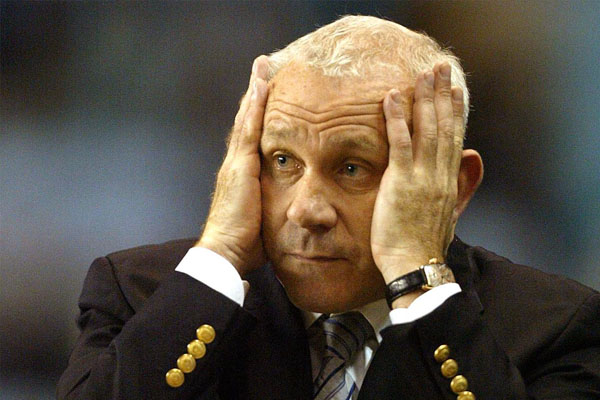
The appointment of Peter Reid at the back end of March 1995 was a brilliant decision. Given seven games to save Sunderland from the dreaded drop down to the third tier for only the second time in the club's history, Reid flourished with only a single defeat. Later, the timing of his axing somewhat beggars belief, as the manager who for six years had existed on a shoestring budget was finally given money to spend but after a bad start to the season was quickly fired. Thanks to the stabilising effect he had on the club, it was expected Reid would have a job for life, but then there is nothing so fickle as football fans or chairmen. When the Sunderland fans began to turn, Chairman Murray began to worry and it would be Reid who would pay the ultimate price. Perhaps, it was Peter Reid€™s fault: there had been times when Sunderland had been crying out for investment but he was too slow to act or afraid to rock the boat by asking for finance. Ultimately, that was his and Sunderland€™s downfall that would take some years before Sunderland would be on a sound footing established in the Premier League again. While, looking at Reidy€™s record in the first eight matches of that season, he actually picked up more points than the two men who succeeded him. That in itself probably shows how unwise his sacking was.

2. The Horrific McMenemy Era

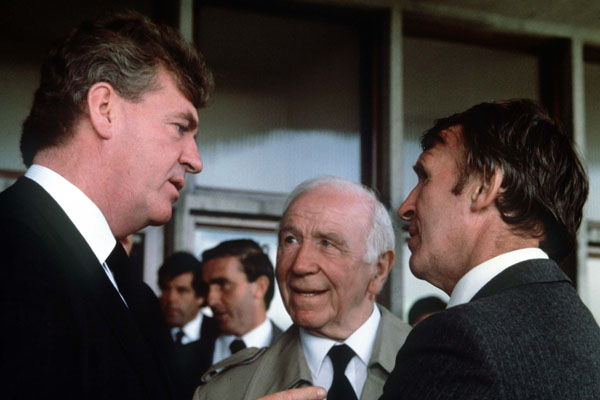
Few individuals have entered Wearside as a hero only to be virtually chased out within eighteen months, in the manner of Lawrie McMenemy. After his heroics at lowly Southampton, Sunderland, fans greeted near enough a homecoming happily, and as reportedly the highest paid manager in England when he accepted the Black Cats job, great things were expected. Promises were made; while Sunderland kept up their end of the bargain and backed their chosen man to the hilt, McMenemy€™s judgment and expensively assembled squad failed to cut the muster. Results under McMenemy were poor, matched by Sunderland€™s performances due to the stale, dated brand of football played. The high hopes had quickly receded, but the spending continued and the strategy of buying experience remained. Though that appears to sum up the disastrous era very well, Sunderland were overpaying for over-the-hill players past their peak. Into his second season as Black Cats manager, it finally dawned that Lawrie McMenemy was also past his best. Instead of promotion at the second time of asking the club were dragged down into a dramatic relegation dogfight. In 1987 McMenemy hurriedly left the club, leaving us to sink to relegation to the English third tier for the first time in the clubs history, thanks to arguably the most disastrous managerial appointment for Sunderland, ever€

1. From Bank Of England To Bust

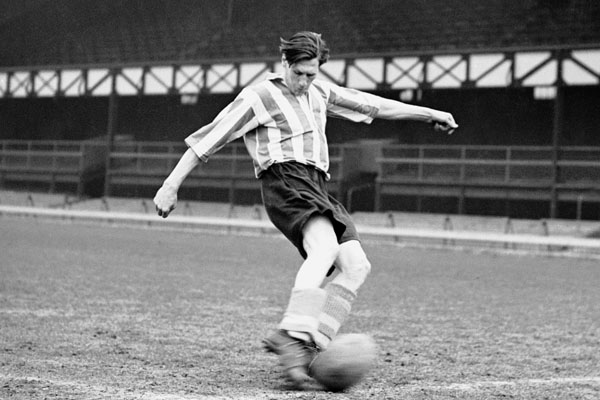
This may be a little too early for some fans to comprehend. But in the early 1950s Sunderland were known as €˜the Bank of England Club€™, with good reason: by 50s standards, Sunderland - financed by the rich ship builders on the Wear - merrily splashed the cash on the finest players in much the same way as Real Madrid do today. In case you aren€™t convinced, Sir Alex Ferguson once warned the Galacticos, Real, not to fall into the same trap that befell Sunderland in the Bank of England era. The disastrous policy then allowed the most entertaining stars in the game to dazzle the Roker crowd, with the show-stopper and crowd pleasing, Len Shackleton busy bamboozling defenders. But outlay and acquisitions of that calibre never equated into genuine success, not even for a club €“ at the time €“ bigger than Liverpool or Manchester United, with more league championships, historically than either of those. As bitter-rivals Newcastle were making cup finals and collecting silverware, Sunderland were falling short in semi-finals. In six years we would only mounted one genuine challenge for the league. But as former Sunderland captain Stan Anderson would admit later, the clubs fixation with glory in the FA Cup scuppered that and a seventh title alluded Wearside. That would be in effect the final nail, the spending couldn€™t continue and as future heroes, such as Charlie Hurley were emerging into a bleak new era for Sunderland Football Club the drop into Division Two for the first time in 1957 beckoned. Sir Alex spoke of bankruptcy in conjunction with Sunderland, which was true financially but probably in another sense, the club would never recover. While those on Wearside were once more trying to find their feet and get back to the big-time, the two most dominant clubs in the English game would emerge, forged by great leadership. Something rather lacking during Sunderland€™s excesses of the deluded 1950s. Which do you think were the most costly mistakes in Sunderland history? Share your thoughts below in the comments thread.

Contributor

Gary Engel hasn't written a bio just yet, but if they had... it would appear here.