10 Worst Ideas In Doctor Who History

What were they thinking?
Doctor Who was a staple of British television throughout the sixties, seventies and eighties before its cancellation, and has dominated ratings since its return ten years ago. That€™s four decades of television, over eight hundred episodes: a current smash hit show that€™s run for so long that ninety-seven of the older episodes have actually been lost for good, vanished in the mists of time. With all of that, it€™s not particularly surprising that this venerable science fiction family show has occasionally not lived up to its own lofty standards. Any Doctor Who fan can reel off a list of the stories that didn€™t cut the mustard, the serials that didn€™t deliver the goods, and filler episodes are an occupational hazard in a show with that much history. But then there€™s the terrible ideas€ the high (and sometimes low) concepts that were doomed from the drawing board, that make fans the world over question what on earth they were thinking. These are some of the worst ideas in the history of Doctor Who.

10. The Lazarus Mutation

Apparently Russell T. Davies requested that Stephen Greenhorn, the writer of season three€™s The Lazarus Experiment, go for a Marvel comics€™ style plot: "a good old mad scientist, with an experiment gone wrong, and an outrageous supervillain on the loose." The finished result is certainly all that, but there€™s one major flaw to it: the mutated vampiric scorpion-creature that Richard Lazarus mutates into is terrible. It€™s not necessarily the fault of the production design: the look of the thing isn€™t particularly iconic, scary or weird, but it€™s certainly serviceable enough to gel with the episode€™s central conceit. No, it€™s the execution, which is something that should have been very predictable from a production standpoint: the computer generated creature is diabolically ropey and looks like a bad video game monster. Given the budget and the time constraints on a production like this in 2006/2007; given the sheer amount of interaction required in the script with human actors; given the scale that the creature was required to work on and the level of detail involved in grafting a version of Mark Gatiss€™ face onto the thing; someone should have informed Davies at the pre-production stage that CG was a bad idea. That same someone should have pointed out that the same issues of scale and interaction would make a practical effect (a costume or a massive prop) equally unworkable. Fundamentally, the script needed to be passed back and the monster retooled to work with the limitations that Doctor Who was dealing with at that time. It wasn€™t€ and The Lazarus Experiment is what we€™re left with.

9. The Skittles Daleks

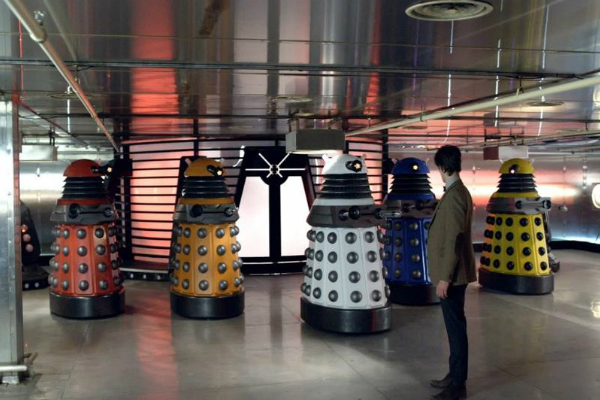
In season five€™s €˜Victory Of The Daleks€™ so much goes wrong that it€™s difficult to know where to begin, but the biggest and most outrageous cock-up belongs squarely to the new breed of Dalek introduced in the episode. Deliberately written to be the new version of the Daleks moving forward, the new paradigm of Dalek even disintegrate their predecessors, who welcome death as their due for being inferior. The issue? These new, larger, multi-coloured Daleks looked like children€™s toys€ which, of course, may have been the point. This is a family show, after all, with a clear merchandising consideration applied to it. Nonetheless, the Daleks were now colour-coded: red for Drones, blue for Strategists, orange for Scientists, white for Supreme and yellow for Eternal, looking like nothing so much as a packet of Skittles €“ hence the derogatory nickname bestowed upon them. And no, no one knows what an Eternal Dalek is. That includes the thing€™s creators, Steven Moffat and Mark Gatiss, who thought that it sounded cool and that they€™d think of something for it another day. The new paradigm of Dalek met with near-universal disdain from the fan community, prompting Moffat to backtrack in a later interview and claim that €˜the plan all along€™ had been for the new Daleks to be an officer class for the warrior species. Mmmm.

8. The Most Important Girl In The World
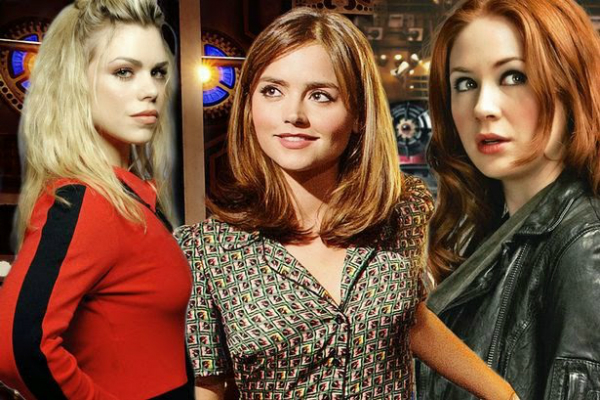
It wouldn€™t be a problem if it hadn€™t happened three times now: but the three most important companions in the resurrected show€™s history have all been young women from the same generation, who instantly grab a foothold in their Doctor€™s life and render themselves indispensable within moments. Rose Tyler, Amy Pond and Clara Oswald are treated as The Most Important Girls In The World within the context of their Doctor Who narratives (and yes, that €˜girl€™ definition is the one the writers specifically draw upon €“ not €˜person€™, but €˜girl€™). Very rarely, if ever, are these MIGITWs shown to make a mistake or do something incorrectly. On the other hand, when there€™s something to be done that is difficult, vital or a combination of both, all three will inexplicably rise to the challenge to €˜prove€™ that the Doctor, that amazing judge of character, was correct in picking them above everyone else he€™s ever met to join him in travelling through space and time, while he looks on with a kind of avuncular pride. Essentially, we€™re told how awesome they are over and over€ and then episodes are gradually written around them to provide evidence of that position. For nearly all of the past ten years, whenever the Doctor has needed a pep talk or a dressing down, there€™s been a young, devastatingly attractive MIGITW to provide it: even if they€™ve known this ancient, contrary, unpredictable, idiosyncratic and perverse alien for barely enough time to wear out a pair of socks, they€™ll still have the inside scoop on what makes him tick, when usually even he doesn€™t know. And of course, it goes without saying that they're secretly in love with him. Even Amy, travelling with her husband, has a thing for her 'raggedy man'. The silly thing is that it€™s been the non-MIGITW companions in the last ten years who have been the better characters. Donna Temple, the Tenth Doctor€™s €˜best mate', crotchety, loud and compassionate; Martha Jones, the smart, capable doctor who realises that her unrequited love for the Doctor is screwing with her life, and chooses to leave him; Rory Williams, Amy€™s other €“ and better €“ half, the bumbling, nervous fool who seemed to have punched above his weight with Amy, and yet proved himself time and time again. We don€™t need another MIGITW when Clara leaves the show. We need another Donna, another Martha, another Rory €“ someone who seems real.

7. The Sixth Doctor€™s Wardrobe

Each incarnation of the Doctor has had his own idiosyncrasies, and that€™s been telegraphed by their choice of clothing. The Second Doctor was a rumpled little man with gaudy checked trousers, a scruffy collar and a threadbare bow tie, and his dishevelled appearance allowed him to Colombo his enemies at every turn. The Third Doctor was a tall, perfectly turned out dandy, who happened to be the most physical of all the Doctor€™s regenerations, and an expert at Venusian karate. The Fifth Doctor had a custom cricket ensemble with question marks, the first time that the Doctor pretty much wore the same clothes all the time. That over-design was carried over to the Sixth Doctor in spades€ Colin Baker€™s irascible, arrogant Time Lord wore a harlequin€™s costume, all multi-coloured patchwork, completely at odds with his curmudgeonly demeanour, and the only change he€™d ever make would be to slightly vary the colour of his cravat. It looked like a parody of the Doctor€™s clothing, something that didn€™t help Baker€™s credibility in the role, already under serious threat. It also looked like a costume, rather than real clothing. The Doctor is eccentric, yes. He€™s not in fancy dress.

6. The Twin Dilemma

Talking about the Sixth Doctor: they made a terrible mistake in immediately following Peter Davison€™s swansong €˜The Caves Of Androzani€™ with €˜The Twin Dilemma€™. Every new Doctor since the Second Doctor regenerated into the Third had arrived in the closing minutes of the final serial of the season: suddenly the highly popular Fifth Doctor had regenerated in the penultimate story, leaving the viewer one serial to get used to a brand new man. And this was a completely brand new Doctor: where Five was patient, kind, gentle, thoughtful and sensitive, Six was impatient, abrasive, thoughtless and insensitive. The first episode after his regeneration saw him attempt to strangle his companion. The Sixth Doctor rubbed everyone up the wrong way, and rather than pave the way for his first full season the following year, €˜The Twin Dilemma€™ €“ a cavalcade of stupidity €“ actually put people off. Following €˜The Caves Of Androzani€™ was an error in judgment too. An instant classic, it€™s since been voted the best Doctor Who serial ever made. If it had to be shown at all, €˜The Twin Dilemma€™ should have been saved for the first episode of the next season, and €˜€Androzani€™ made the season finale.

5. The Stolen Regeneration

When (under careful media screening and secrecy) the BBC broadcast €˜The Stolen Earth€™, the penultimate episode of the new Doctor Who€™s fourth season, the response was far in excess of what showrunner and head writer Russell T. Davies had anticipated. You see, the episode€™s climax featured the insanely popular Tenth Doctor being fatally shot by a Dalek, and upon being carried back inside the TARDIS, beginning to regenerate. There was no warning of the possibility of a new Doctor being introduced. David Tennant had not indicated a desire to leave, much less announced his departure, and no reports from the set had reached the press. With one episode to go for the year, and the biggest cliffhanger in the show€™s history having just been unveiled to the public, the fans were agog. Who was the new Doctor going to be? What was happening to their beloved Tenth Doctor?! Of course, it was a fake-out. Ten managed to use the regeneration to heal the injuries he€™d sustained, and then redirected the remaining regeneration energies into the severed hand that he€™d lost in €˜The Christmas Invasion€™€ which promptly grew another Tenth Doctor. It would be this €˜Doctor€™ that would end up with Rose Tyler, the companion (and original Most Important Girl In The World) that had left two years earlier. Tennant would go on to play the role for another two years. The massive publicity wasn€™t worth it. The actual season finale, €˜Journey€™s End€™, received a decidedly mixed response€ no one was really sure what to make of Rose and €˜a€™ Doctor ending up together for real. It didn€™t sit right, as though she was making do with a lookalike: it also reinforced Davies€™ continual insistence on treating the Rose Tyler character as being of central importance in the show, two years and two companions after she€™d left. Finally, it made Ten seem desperate not to regenerate: wasting one of his few remaining chances at a new, fresh life in order to cling onto his old face and persona. That desperation, that fear, wasn€™t an attractive character trait. This was the point at which the Tenth Doctor, and Davies himself, began to outstay their welcome. Two years later, when he actually did die, Davies (treating Ten as €˜the Most Important Doctor In The World€™) wrote an extended death scene in which he visited almost all of his previous companions, and attempted to put off the inevitable for as long as possible. His last words were, €œI don€™t want to go€: on the contrary, the new showrunner and the new, Eleventh Doctor, couldn€™t come fast enough.

4. The Misfit Doctor

Before Doctor Who was cancelled by the BBC in 1989, there were significant plans afoot for the Seventh Doctor. As time had gone on, Seven had gone from being playful, boyish, over-enthusiastic, almost puppyish... to being darker, more Machiavellian, manipulating people, events. even monstrous things like the Daleks or the Light. He refined the ability to talk an opponent around to acting as he wished them to, playing chess with people€™s lives, including his companion Ace. It€™s a character development referred to by fans as the Cartmel Masterplan, after Doctor Who€™s script editor in the last few years, Andrew Cartmel, who had expressed an eagerness to return an air of mystery to the Doctor, to make him truly alien again€ even scary. The Masterplan was underway, but never completed: the show was cancelled before they had the chance, and elements of Cartmel€™s ideas found their way into the subsequent huge range of €˜New Adventures€™ original novels that were published in the absence of an ongoing Doctor Who TV series. In particular, there were the many clues that the Doctor was the reincarnation of one of Gallifrey€™s greatest and most powerful figures, the near mythical €˜Other€™, who€™d shaped Time Lord society at the very beginning with his compatriots Rassilon and Omega. The other major hint was that the elements of the Seventh Doctor that had been active in the make-up of the Sixth Doctor began to recognise that he was in danger of corruption€ that the arrogant, thoughtless Six could one day become the megalomaniacal Valeyard, the Doctor turned evil. Whether it was those elements of the Seventh Doctor that did it or whether the Seventh Doctor himself arranged it after his regeneration, it€™s generally accepted that Seven ordered the events that led to Six€™s early regeneration: that the Seventh Doctor brought about the end of his previous incarnation in order to bring about his own birth. All of that sounds pretty damned awesome, right? So why on earth was cuddly Scottish plushie Sylvester McCoy cast to play this arch, deceitful master manipulator, the power behind the power? He tried his best with the darker stuff, bless him: it just wasn€™t in his wheelhouse to play sinister. Now, Peter Capaldi€™s Twelfth Doctor€ that€™s a scheming, plotting chess player, and it seemed for a while in the eighth season as though Twelve might inherit some of the Cartmel storylines that never quite came to fruition with Seven. Regardless, Sylvester McCoy isn€™t the man they needed to play the Seventh Doctor they wanted.

3. The Absorbaloff

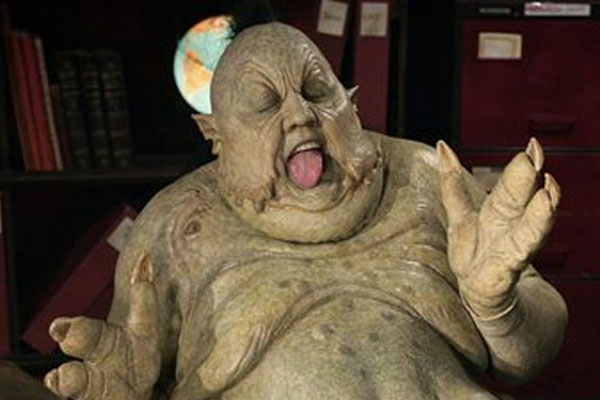
The tenth episode of the new series€™ season two, titled €˜Love & Monsters€™, features a bodysnatching alien entity called an Absorbaloff. Seemingly a throwback to older Doctor Who, the creature could only really be scary to kids€ appropriately enough, since it was a kid who created it. William Grantham, nine years old at the time, won a competition on evergreen BBC children€™s show Blue Peter to create a Doctor Who villain. Now, in fairness to young master Grantham (now sixteen or seventeen and probably smoking, the naughty lad), he originally meant the Absorbaloff to be a huge great thing, the size of a double decker bus. He probably didn€™t plan on the finished product being a man in a rubber suit and a loincloth. He certainly hadn€™t counted on that man being middle-aged northern comedian Peter Kay. Literally the worst bad guy that New Who has ever produced, the Absorbaloff is teeth-grindingly awful, as is the episode that spawned it.

2. Bonnie Goddamn Langford

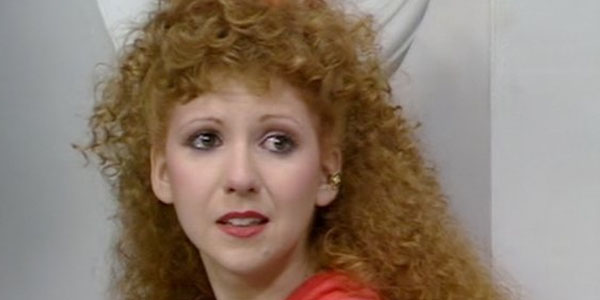
That voice. Those clothes. The incessant chirpiness€ the toothy, slightly anxious grin. There were companions written to be more irritating than Melanie Bush (hey, Adric), companions who would prove to be arrogant, selfish, or even very-nearly-evil (hi, Turlough!) €“ but no one pushed the audience€™s patience quite like Mel. And it was all so avoidable. Simply don€™t cast former child star Bonnie Langford in the role of a chipper, over-enthusiastic health and fitness nut. It€™s like pouring sugar onto cake€ or dragging nails down a blackboard. We first meet Mel in flashforwards: transmissions from the 6th Doctor€™s near future that he broadcasts to the court in the Trial Of A Timelord serial. At the end of the serial, he and this future Mel head off, the implication being that he intends to drop her back where he picked her up from and then go and meet her past self for the first time. That means that the irascible, practically misanthropic 6th Doctor was presented with her presence on the TARDIS as a fait accompli: he went to go get her because he already knew he would, not because he wanted to. One can€™t imagine Colin Baker€™s Doctor ever agreeing to have this human chipmunk as a companion otherwise.

1. The Doctor Is Half Human

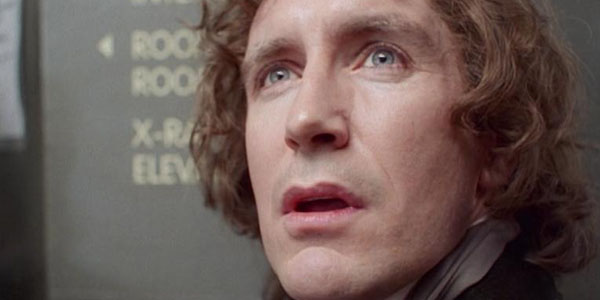
No he isn€™t. Not even slightly. This bit of nonsense was written into the 1996 television movie starring Paul McGann as the 8th Doctor: presumably producers believed that making this weird, dandified alien half-human would render him more relatable and less eccentric for that all-important US audience. The same rationale was brought to bear in Marvel Comics for the daywalking vampire hunter Blade, and Star Trek did it over and over again €“ Deanna Troi is half-Betazoid, half human, Spock€™s mother is human, B€™Elanna Torres is half Klingon. Even Worf was raised by humans from an early age€ you know, to take some of the edge off of all that foreign. Ever since the 1996 movie, the Doctor Who extended universe of books, audio plays, comics etc has been trying to explain this tidbit of information. Eventually, someone simply elected to handwave the snafu out of existence, by having the 8th Doctor airily claim to have faked the whole thing. Yet you€™ll still find the occasional Who fan determinedly insisting that anything in the TV shows€™ continuity must be canon€ and that the Doctor must therefore be half human. However, it seems naïve to take that position given that the TV shows alone contradict each other over and over again, and given that the Doctor himself has admitted to having lied about his past on occasion when it€™s more interesting that way€ Every Doctor Who fan has their own pet peeves: ideas that they think were rubbish from the very beginning. What are yours? Let us know in the comments!

In this post: 
Doctor Who
 
First Posted On: 
Contributor
Contributor

Professional writer, punk werewolf and nesting place for starfish. Obsessed with squid, spirals and story. I publish short weird fiction online at desincarne.com, and tweet nonsense under the name Jack The Bodiless. You can follow me all you like, just don't touch my stuff.