25 Great Wrestlers That EVERYBODY Turned Against
5. Roman Reigns
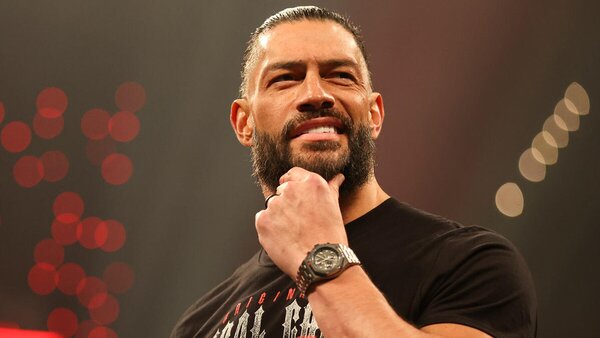
Roman Reigns got a spot in a debuting Shield stable when - per most authoritative reports at this point - it was earmarked for cult and indie favourite Chris "Kassius Ohno" Hero.
From the very beginning, he was at the root of a culture war between different types of wrestling fan, and the problem got much worse when WWE attempted to break him away from the group that got him over.
When the trio split in 2014, audiences seemed genuinely invested in the singles progressions of both Dean Ambrose and Seth Rollins, and with good reason. The two now had a baked-in blood feud, took to sporting different looks, entering with different themes, and for the first time in two years were able to tweak what made them tick.
Roman - based on the in-house belief that what already worked was what was best - kept The Shield theme and aesthetic, including walking through a crowd that week on week were getting less interested in buying what he was selling. A summer going over many of the established upper tier in the company did nothing to reverse the trend, and the events of the 2015 Royal Rumble became infamous as they as they were happening.
The rot set in for Roman, the pattern got worse the harder he was pushed, and everything got stuck in a loop for the better part of five years (!) never truly recovered until - with not a solitary soul in the building - he was able to finally rebuild his career with a pandemic heel turn.
Worst of all, it wasn't even the first time WWE were battling this problem...
4. John Cena
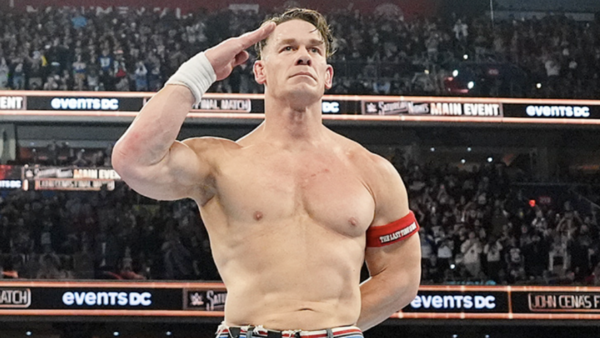
WWE actively dined out on John Cena dividing the audience for the majority of his career, such was the veracity of emotion from every side when he was on top.
It was over-simplified in the moment as the women and children loving him and the male demographic despising him, but it was never as simple as that. Alienated millennials were finding a WWE that hadn't catered directly to them for the first time since before WrestleMania 1, and Cena was the loyal soldier leading that charge.
The proof of the strategy's success wasn't just in how much of a draw 'Big Match John' became when almost no other wrestlers made a difference at the gate, but in how much those fans still passionately cared for 'The Champ' as retirement neared. The haters had gotten older too, softening their stance on him to the point where the entire crowd had decided he was good an egg as the one in the nest on the back of his head.
For all the years for the character to turn heel, 2025 might have been the worst. As shocking as the moment was heading into that year's WrestleMania, WWE's uncommitted booking of the entire run before his abrupt pre-SummerSlam babyface relaunch (and Cena's ropey acting) hammered nails in the coffin from the off. It moved many to re-check their thoughts on his legacy, ironically creating the same bitter divide he'd spent years trying to shake.
3. CM Punk

To be CM Punk is to be under constant attack.
Not really of course, but that meek sentiment paraphrases what Tony Khan thought was going on back in December 2023 when he found critics getting a lot more negative towards his product a year and a half on from the infamous events of "Brawl Out". Punk's raging fury over what he felt was systemic mismanagement of various situations by the likes of The Young Bucks and Hangman Page - and how he articulated that - ripped at something core to All Elite Wrestling's early success, and just about permanently ripped up his relationship with the most ardent of AEW fanbase, or at very least those that preferred AEW's brand of mainstream professional wrestling.
Upon his return to WWE in November, the ones that still enjoyed his sardonic performances during his final few months with the group saw that as the the point of no return.
All very reasonable; Punk is a passionate and enormously convincing orator. It does and always has made him one of the most captivating wrestlers ever. He talks a lot, speaks with conviction, then changes his mind or his motives or even his actual words, and that process bruises and/or breaks relationships along the way. He gains many, he loses many, the cycle repeats.
2. Hangman Page
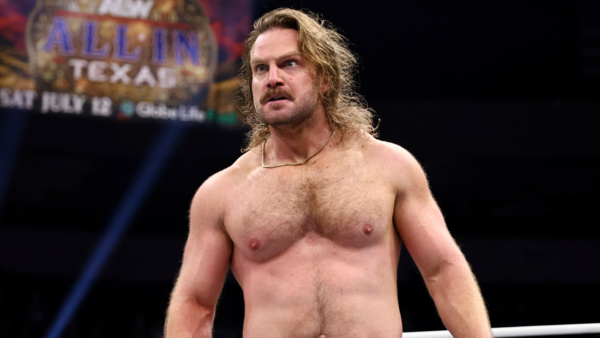
Wrestlers are not your friends. Many might share some of your views if you spoke to them, but they're not your friends. They are each other's friends, but not yours.
There are various points at which a fan learns this, and typically it's associated with a little bit of heartbreak, betrayal or pain. The job is audience manipulation from the moment the performers (another key word) step through the curtain, but often with a view of creating a parasocial bond or at very least not discouraging one.
To its immense credit, All Elite Wrestling did this with its entire brand - the babyface promotion in direct opposition to longstanding heel outfit WWE. As its "main character" and somebody who'd shown lots of admirable character traits on both sides of the camera, Hangman Page was perfectly placed to extol virtues from a relatively stable platform. This served performer and promotion equally until 2026, when Page's former Bullet Club colleague and named-in-Speaking-Out Marty Scurll posted a picture of the two of them outside Cracker Barrel.
The image shattered how many felt about Page the person, damaging whatever it was they thought about him as a wrestling character. He spoke on it weeks later, referring to Scurll's actions as "abhorrent...disgraceful", after explaining why he'd chosen to keep in touch with him after 2020's revelations. It remains to be seen if he will receive a degree of forgiveness from his audience in the same way he's espoused it.
1. Triple H
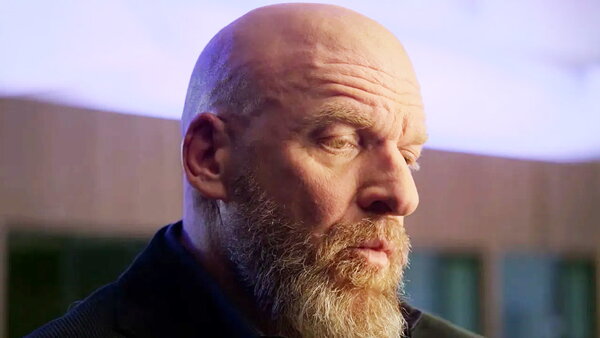
If you stick around long enough in pro wrestling, you go through every possible relationship with the pro wrestling audience, and having put 30 years into carefully navigating his way to the top spot in the entire game, Triple H knows all about it.
Indifference best defined how fans felt about 'The Game' in the period before Chyna arrived and his real-life relationship with Shawn Michaels moved on screen, but the love and adoration he gained towards the end of the 1990s and into the year 2000 specifically was something he'd never get back as soon as injuries - and rumours of relentless politicking - piled up.
Never again the wrestler he was at his peak from 2002 through to his retirement, the highs were typically rule-proving exceptions, and his "reign of terror" in the first half of the 2000s in particular left scars with those that endured it. Perceptions shifted somewhat when he booked a golden era of NXT in the mid-2010s as a direct contrast to the main roster product it was supposed to facilitate, but the fruit basket years frittered away when AEW launched as the true alternative to WWE rather than the in-house one.
When he'd never been closer to the outhouse, he was suddenly in the penthouse after Vince McMahon resigned in disgrace, and has done everything - once again to the chagrin of those that loathe him - to let everybody know just how vital he's been to WWE's remarkable rejuvenation.