Has NJPW's High-Risk Style Become Too Dangerous?

Wrestling is inherently dangerous, and accidents are inevitable. Make no mistake, Lee's botched Phoenix Plex was an accident, but that shouldn't be used to shut down debate on this important topic.
Would Kenny Omega vs. Kazuchika Okada I, considered one of the greatest matches of all time by many, lose anything without 'The Cleaner's' top rope Dragon Suplex spot?
Katsuyori Shibata's shoot-style legitimacy was the basis of his imposing aura, but grizzly, unprotected headbutts ultimately cost him his career. 'The Wrestler' had excellent matches, absolutely, but were they worth it?
Did Dragon Lee need to go for this precise high-risk move in his fourth match in 36 hours?
These things add excitement, danger, and stakes, but they are contributing to a style that becomes increasingly unsustainable with each new injury.
It may be as simple as tightening a few nuts and bolts. NJPW can prevent wrestlers from delivering shoot headbutts and unprotected head-drops. They can choose not to glorify mistakes like Lee's by replaying the clip several times after the fact. They can offer better healthcare options to those under their employ, though Honma and Shibata have both praised the company's response to their respective situations.
But telling grown adults what they can and can't do with their own bodies is tricky business, and NJPW would be patronising their wrestlers by assuming they know what's best for their health.
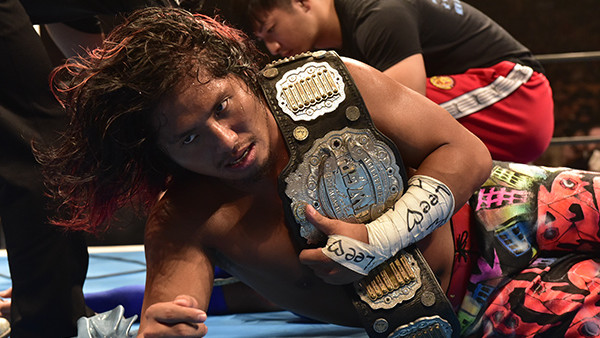
In an April 2017 interview, Takahashi stated that a "safe fight isn't a match," and that he can't work without pushing the envelope of danger. Risk-takers like him thrive and suffer because of this mindset. They know there's a chance something like this could happen whenever they step between the ropes, yet persist regardless, and no number of regulations can kill their mentality.
Takahashi, Honma, and Shibata were hurt within 17 months of each other. That's a lot, but regardless of whether or not they were preventable, nobody should be advocating for wholesale changes. NJPW is not WWE. These matches don't need death-defying bumps, but New Japan would lose more than they'd gain by turning into a cotton wool-wrapped sports entertainment pastiche.
The company should act to prevent future catastrophes, but when the wrestlers themselves are the ones advocating for in-ring freedoms (and making a conscious choice to exercise them), their position is unenviable.
For now, we can only hope that Hiromu's injuries have been overstated, and that he's able to mount a full recovery. Whether a victim of NJPW's style, his own decisions, or an opponent's lack of concentration, he doesn't deserve the prescribed fate.