The Evil History Of Pro Wrestling | WWE’s Treatment Of Howard Finkel
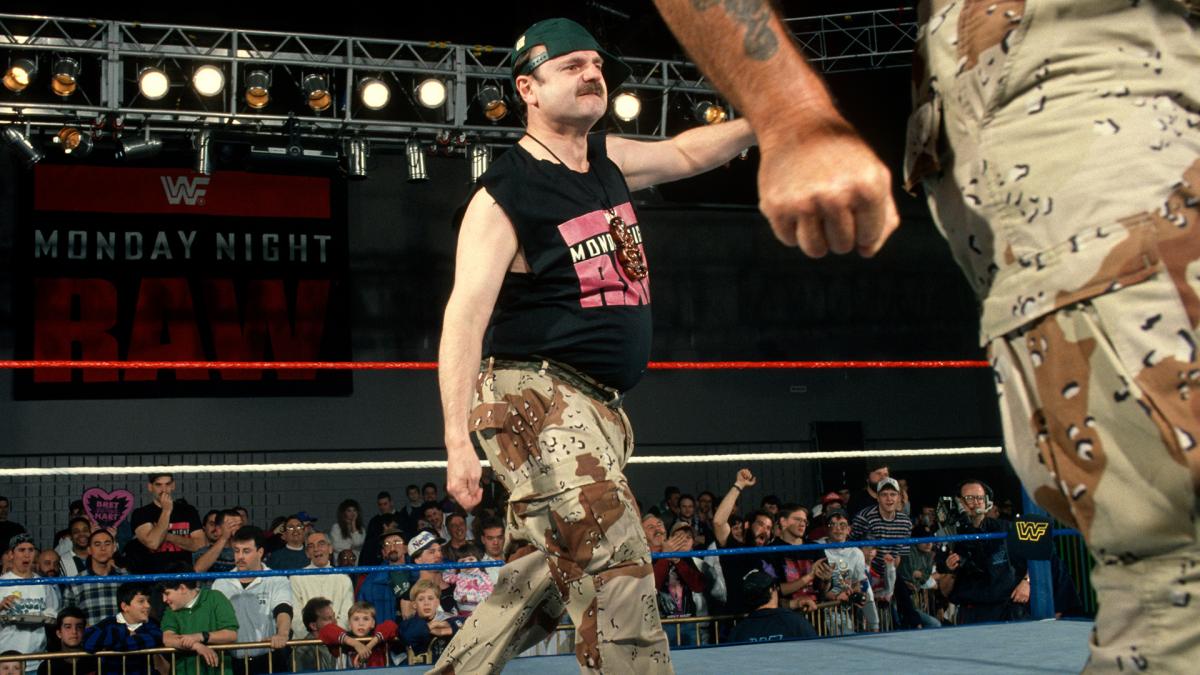
Everybody got “ribbed” during Finkel’s active, full-time era - but Finkel was hardly an alpha male.
He wasn’t built for it, and the higher-ups seemed to take a particularly sick pleasure in tormenting such an easy target. When Moody and Cornette’s conversation turned to Finkel, the tone darkened and Moody lamented “what an abused human being”. He said he had felt so bad for Finkel so many times because the abuse was “24/7”. Finkel loved the business so much that he tried “too hard”. Moody tells a story of Finkel, during an association with the Bushwhackers in 1995, eating sardines in a pre-tape. He was made to perform take after take after take “until he was sick”. Cornette also substantiates the stories of WWE officials smashing his property for a laugh.
Through it all, Finkel’s loyalty and love never wavered. In a little-known fact, Finkel was said to have been almost as good at play-by-play commentary as he was at ring announcing, receiving the opportunity to demonstrate his prowess on a handful of occasions in the mid-1980s as a substitute. He didn’t mind, or didn’t sell it, when he never got the dream gig full-time. He didn’t even mind, at least publicly, when he was replaced in the role he was the best ever at (firstly in 1995, and then all but permanently in 1999 by Lillian Garcia).
WWE retired Finkel years and years before he lost it, but he never lost interest; according to Tommy Dreamer, a visitor to Finkel’s assisted living facility in his final months, the one instruction provided to staff was for them to tune the TV to Raw on Monday nights.
WWE has spent its entire lifespan attempting to rewrite history. If there’s a nice ending here, it’s that they’ll never be able to tell you that Finkel wasn’t the best to ever do it.