The Forbidden Lore Of El Generico
Before WWE and the Bloodline, Ucey was Olé…
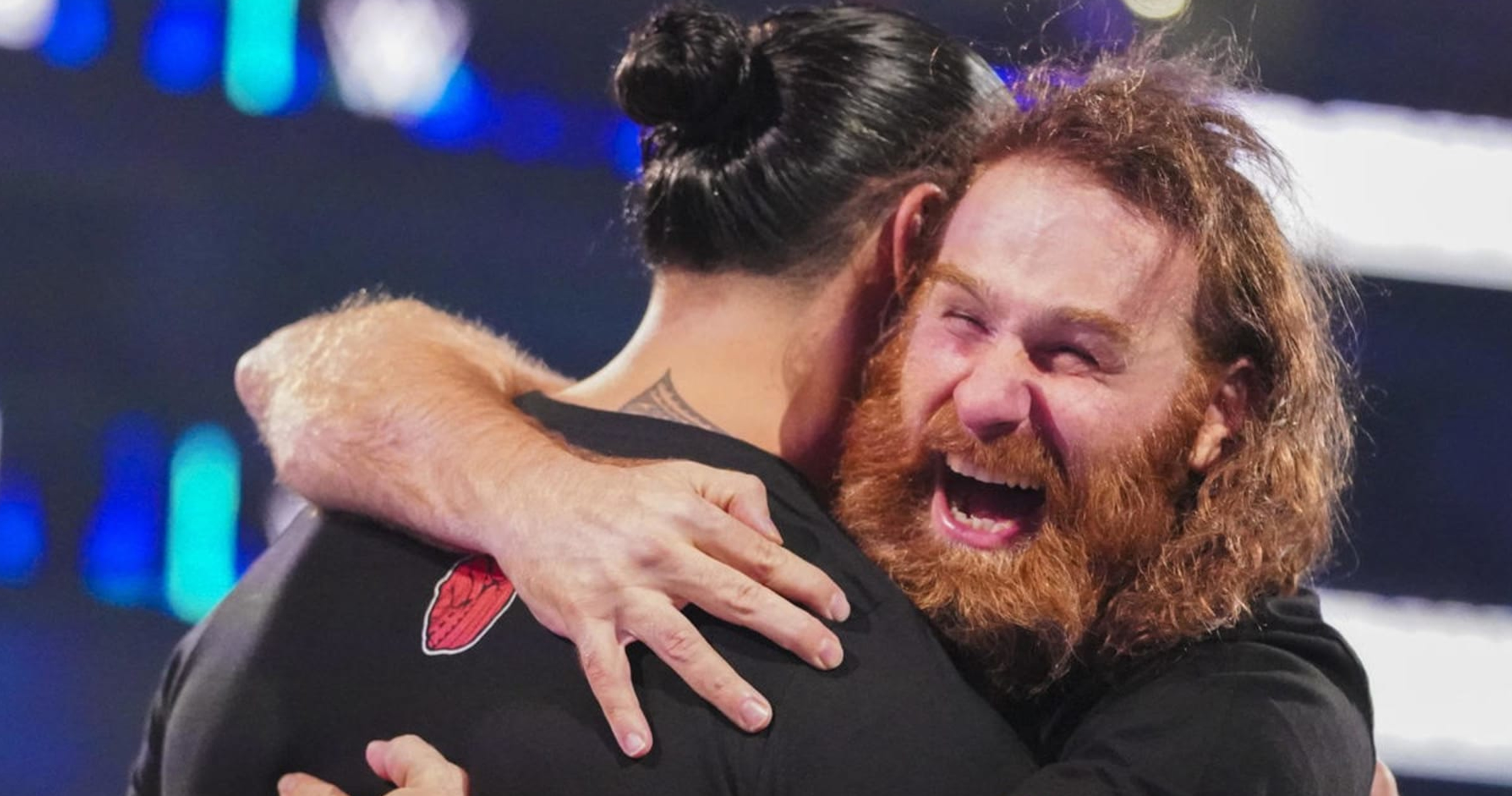
Sami Zayn enhanced a storyline considered by many as one of the greatest in WWE history, and by some as the very best: the Bloodline saga. His incredible facials and ability to project emotion were instrumental in elevating a repetitive, run-in-happy invincible heel act into a euphorically-received, twisting soap opera of levity and heartbreak.
His beaming happiness at being included; the sympathetic terror selling the cruel teases of betrayal; his defiant, vengeful expression when declaring that Roman Reigns was in “his f*cking house” of Montreal: without Sami Zayn’s face, WWE’s post-Vince McMahon era of elusive critical acclaim under Paul Levesque does not reach the same heights.
What’s astonishing is that Sami Zayn, holder of multiple WWE titles, wrestled under a mask for 11 years as El Generico.
Before praise is lavished upon one of the best wrestlers in history, there’s something less celebratory to wade through here: the fact that El Generico traded in cultural appropriation. Generico was played by Rami Sebei - a Canadian born to Syrian migrants. The ring name itself, while not chosen by Sebei, riffs on the idea that some non-Mexican fans often fail to distinguish between luchadors, whom anybody can apparently play. If you believe it, the El Generico backstory is that PCP Crazy F’N Manny, who founded the Internet Wrestling Syndicate indie promotion, needed a last-minute replacement for a show. He used Sebei, who at the time was performing every menial duty asked of him to show his dedication to the wrestling cause. Manny located an Octagon mask backstage, and put it on Sebei before ushering him out to the ring as ‘El Generico’. Manny claims that Sebei out of nowhere said “Olé!” after completing a dive, and it stuck. It’s almost too romantic a story to take seriously, but if anybody had the instincts to make an immediate and lasting connection with a wrestling crowd, it was El Generico: the fake Mexican luchador.
This imposter bit is absolutely nothing new in pro wrestling; in such a carny world, the fake countryman is almost as old as the form itself.
The pre-cable boom was infested with the Fake Russian; the father of those good Texas boys, the Von Erichs, was a worked German; Hawaiians played Japanese wrestlers several decades before Yokozuna was launched by the WWF in 1992; the Japanese scene itself was literally built on the shoulders of a Korean man masquerading as a Japanese hero to exploit post-war sentiment: Rikidozan.
Many of these gimmicks are considered, at best, a product of the time. Others - Chavo Guerrero playing the caucasian Kerwin White, the fake pro-apartheid South African Colonel DeBeers, the Italian-American Marc Copani playing an American terrorist sympathiser of supposed Jordanian-Palestinian descent - are considered wildly offensive. So how did Sebei, for lack of better phrasing, “get away” with it?