The Secret History Of ECW | Wrestling Timelines
January 13, 2001 - The End
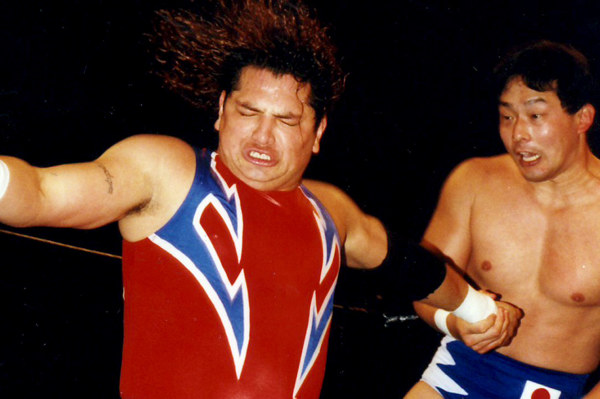
The last true ECW show (before the WWE reunion events, only two of which were any good) unfolds on January 13, 2001.
Unlike WCW’s final bow, which is headlined in classy, sentimental fashion by Ric Flair Vs. Sting, it’s an inglorious, weird ending. It’s not definitive, because Heyman is still trying to scrape together funds to keep it all going. It doesn’t take place in the ECW Arena, which is glum - but then, everything else got ripped out of ECW. Why not the heart, too?
It takes place down in Arkansas. What remains of the skeletal roster is almost as inauthentic as WWE’s later reboot. Oz, Prodigy, Phoenix: Heyman’s midcard is populated by obscure names plucked from an indie circuit that is a year or two away from becoming even vaguely buzzed-about.
The Sandman wins in the main event, so there’s that, but by 2001, even the guy who borrowed from his act has peaked as a star and a draw. Super Crazy Vs. Tajiri is probably good, but it’s a very, very familiar match.
With ECW bankrupt and folded, Heyman debuts on the March 5, 2001 edition of WWF Raw, replacing Jerry Lawler as the new colour commentator alongside Jim Ross. He reunites with many of his old ECW wrestlers during the ill-fated Invasion storyline, which is dead by November, after which he is almost too successful at booking SmackDown across 2002 and 2003. It is whispered that the McMahons resent him for outclassing (and temporarily outdrawing) Monday’s “A-show”. He’ll leave. He’ll return, to lead WWE’s reboot of ECW in 2006, before very quickly leaving again when it becomes clear that Vince McMahon wants to execute it under his own vision. He’ll return for a third time, in 2012, as an onscreen performer managing Brock Lesnar. He worms his way into creative, in classic Heyman fashion, by masterminding the long-overdue heel turn of Roman Reigns. Drawing inspiration from the Elite, his idea to craft a saga over the span of many years is not quite an innovation, but he does change the world again. The “cinema” era of WWE does not happen without Paul Heyman.
Heyman’s ECW doesn’t burn out; it fades away.
ECW’s legacy, though, is staggeringly ironic. The revolution became the establishment, the way forward. Heyman, the ultimate pro wrestling carny, somehow told the truth about it the whole time.