The Forbidden Lore Of WWE’s LA Knight
How LA Knight made a suspicious wrestling fandom say: “Yeah-uh!”
If you were a fan of WWE’s Attitude Era growing up, you likely shared the following experience.
Steve Austin was your favourite wrestler. You spent your school days digging your friends in the stomach, praying they’d lower their heads so that you could hit them with the Stunner. The WWF was cool, and you loved almost everything about it, but Austin was the guy whose t-shirt you bought. Then, at the end of the summer of 1998, you started to fall in love with the Rock. You practised raising your eyebrow longer than you may care to admit. The Rock replaced Austin in the billing and in your heart, in 2000, and by 2001, you didn’t really want to choose. The main event of WrestleMania 17 was an impossible booking challenge.
Not for LA Knight: he chose both, and decided to splice both men together to create his “own” wrestling persona.
That was always the accusation.
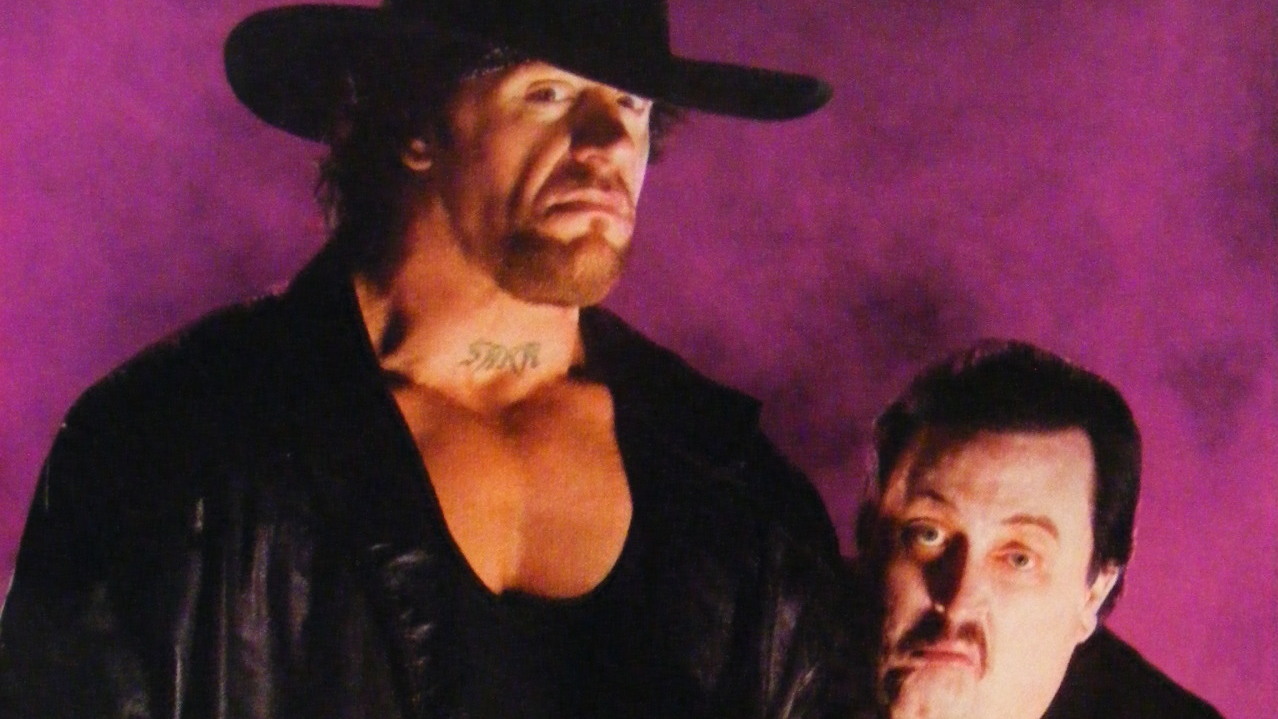
Knight, given his influences, was never likely to fit in Ring of Honor and Pro Wrestling Guerrilla. He fell wildly in love with wrestling, American-style, the way you remember it, at the age of three. He instead bounced around the less glamorous indies stateside before WWE took a look at him. In an interesting trivia note, Knight went by the ring name ‘Deuce’ in the Heartland Wrestling Association. WWE would quickly use the same moniker when presenting a ‘50s greaser tag team a couple of years later. A man who was buried as a Rock and Austin wannabe actually had more in common with another Attitude Era legend: the Undertaker. For three years, under his real name Shaun Ricker, Knight was managed by William ‘Paul Bearer’ Moody in Championship Wrestling from Hollywood.
In May 2013, Knight realised his dream. He got signed to WWE. He went through the developmental name generator, which spat out the moniker ‘Slate Randall’. Early in his career, though, Knight went by the name ‘Dick Rick’. Many locker rooms who first encountered the man would deem that an apt name - by Knight’s own admission. If you have a cocky, line-stepping friend that you thought was an a**hole at first - and most do - that was Knight. Knight’s time in NXT was abrupt and barely remembered. Back in 2021, Knight ruminated on his first WWE stint in an interview with Busted Open radio. He said that he carries himself in real life the same way he does on TV: “über-confident”. Revealing that it usually “takes three months” for people to realise that he’s “actually OK”, he said he was “hated” throughout that time initially. Knight, as most wrestlers did, also ran afoul of then-trainer Bill DeMott. Knight was long gone from WWE before DeMott’s vile conduct caught up to him. When Knight was released in 2014, he was told that he was talented - but that there was a “stigma” attached to him that he needed to shake.
CONT'D...(1 of 5)
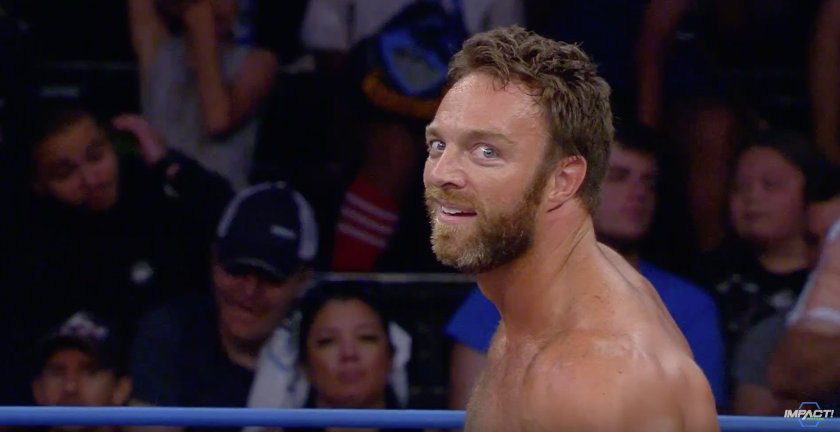
For a long time, LA Knight presented as a delusional case. You know the type: the aspiring performer whose talent was more like some cruel curse. They have just enough about them to convince promoters, and themselves, that they can make it - but nowhere near enough to justify their skyscraper ego, threatening to banish them to the laughing stock realm.
Knight was incredible at doing an impression of somebody with genuine star power, might be the best way of putting it. Clearly, he could talk, and with an especially pleasing cod ‘80s baritone. Clearly, he could charm a crowd. Clearly, he was funny. He was in rippling physical condition, too. So why did he scan as a bit of a punchline?
The wrestlers he patterned himself after didn’t help him. The cries of “Who does this guy think he is?” followed him everywhere. What also did not help Knight was that he very much wasn't one of the absolute best wrestlers in the world. He was only ever perfunctory in the ring. Nothing he did stood out. He wasn’t exciting, he couldn’t brawl like a maniac, and his matches didn’t elicit much in the way of emotion. LA Knight basically wrestled like and was plagued by the unearned ego of Alex Riley. He was the cocky contestant on the reality wrestling TV show: the guy you thought was brought in as a future star, but it turns out is the panto villain brought in to get ridiculed.
By 2019, as the rebranded Eli Drake, Knight had been working for Impact Wrestling for four years. He got over - his ‘namer of dummies’ routine was excellent patter that harnessed his entertaining d*ckhead persona brilliantly - but by 2017, that didn’t mean much, even if he captured the World title. He had a talk show. The worst company you had lost all faith in did talk shows: why did Impact even need to exist?
The company’s reputation and name value had plummeted. By virtue of working there, he felt adrift; Ring of Honor was drawing better houses for the big shows, and a Japanese promotion had become #2 in the States. What’s more, in 2019, the “banger” match was in vogue. AEW was in part launched on the idea and promise of superior match quality to WWE. New Japan Pro Wrestling broke into the U.S. on that same basis. Many hardcore fans preferred NXT to the main roster because the matches were better. Knight was a sports entertainer throwback, of sorts, when that role was at its least fashionable.
It was also a time when, for better or worse, a public figure had to be careful about what they said.
CONT'D...(2 of 5)
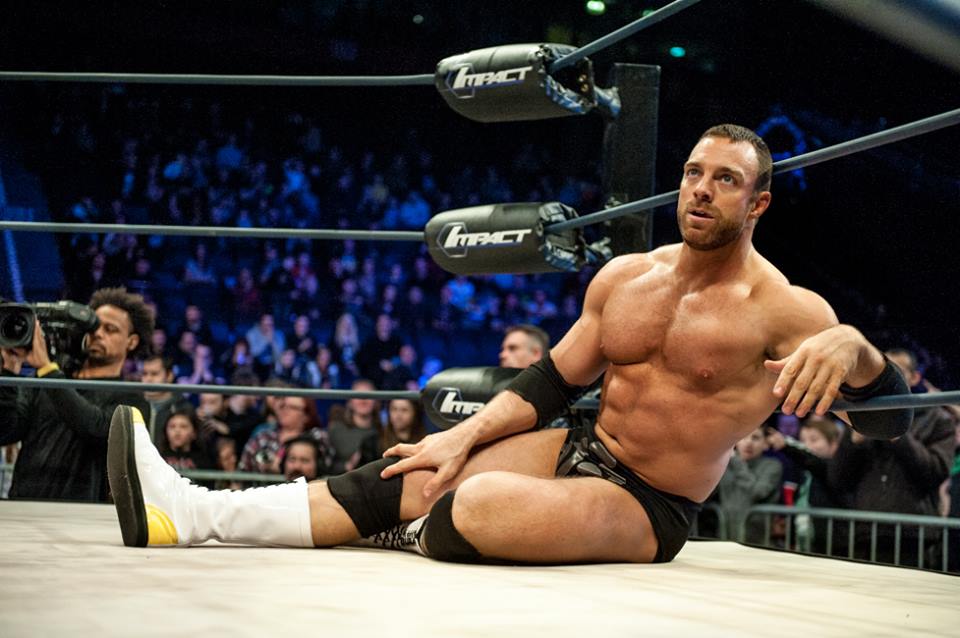
Drake was very critical of inter-gender wrestling that year, a controversial subject about which the most sensible thing to say is to say nothing. No good can come of it.
In an interview with 411Mania, Drake revealed that he wasn’t a fan of the sub-genre after declining to wrestle Tessa Blanchard (who he still endorsed as a talent in her own right). He said that inter-gender wrestling stretches suspension of disbelief, and prefers his wrestling with a sense of realism. He opined that he also didn’t like it when Rey Mysterio - “a legend in the business in a certain sense” - wrestled the Big Show. Beyond wading into the inter-gender debate, anything that could even be construed as a backhanded compliment to company royalty and future Hall of Fame inductee was unlikely to endear him to WWE - or allow him a way back in. Drake was also critical of his booking in an interview with the Wrestling Perspective podcast on April 2. “I’ve kind of been written into oblivion this past year,” he sighed. In the exact sort of comment that invited ridicule, he also said “If you look at the Rock, Steve Austin, and Triple H, those guys weren’t always in the title picture necessarily, but they were within reach. I feel like if you watch this show between last April and this past December, you’d have no idea I was the World champion the year before”.
Drake was fired by Impact over the controversy on April 7, 2019. This was the month of NJPW’s Madison Square Garden debut and the zenith of workrare-era NXT, which promoted the legendary TakeOver: New York event. The wrestling world was awaiting the debut of AEW in May. Dave Meltzer reported that WWE had expressed interest in Drake when his Impact contract was expiring in June 2018, but never made him an offer. No offer was forthcoming in April 2019 either, which was damning: at the time, WWE was on a major recruitment drive and was mostly unwilling to accept release requests in a new era of competition.
A passable wrestler, whose charisma felt ripped-off, who might be considered a public relations liability by the major leagues: Drake felt doomed to hit the MLW loop. He was in his mid-thirties, too. It felt like he had little promise to realise.
Then, NWA Power happened.
CONT'D...(3 of 5)
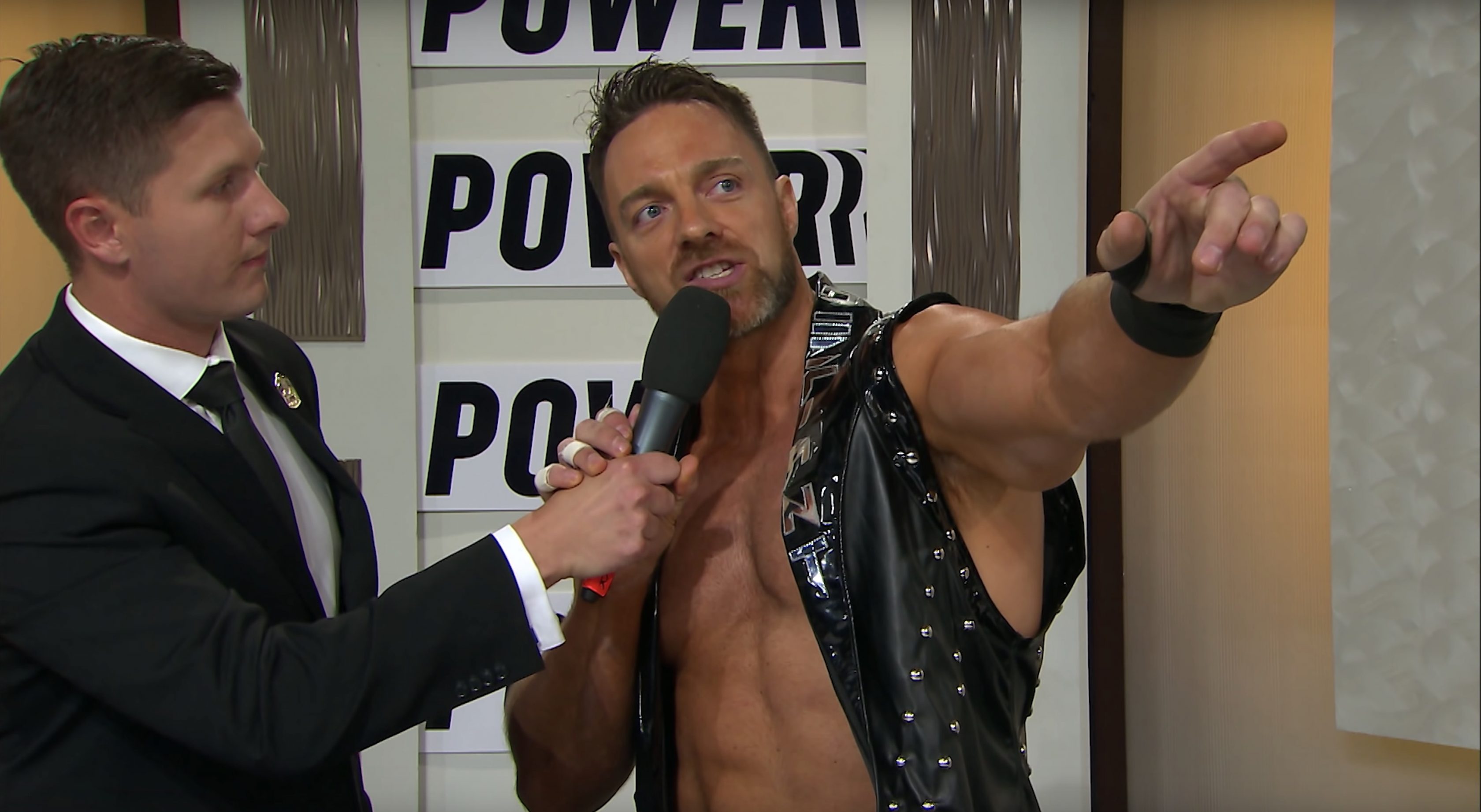
It was remarkable that Billy Corgan’s rebooted outfit was able to develop a following and enter the news and review cycle parallel to the launch of AEW Dynamite - but then, NWA Power actually boasted the one thing AEW omitted far too often over the first few months: promos. Unscripted, characterful, down-the-lens fire was the nu-NWA’s unique selling point, and Drake was magnificent, competing with Eddie Kingston and Ricky Starks as the best guy on the mic.
In his best work, a jubilant and very possibly intoxicated Drake misspoke and said he wore the “shoes of a champion”. He corrected himself with a self-deprecating laugh before proceeding with his tidal wave of “Yeah!”s. The man seemed like he’d be incredible at telling stories with a beer and a captive audience in the palm of his hand. His matches were never going to trouble any …Of The Year charts, but in a few short years, that would not be an issue.
If Drake was a punchline in certain circles, he either didn’t know, or it didn’t bother him: the guy oozed an unbelievable level of swagger on what quickly became an improbable cult hit. Meanwhile, AEW Dynamite battered NXT in the Wednesday Night War. AEW had supplanted NXT as the hardcore wrestling fan’s cool promotion of choice. NXT’s old USP was effectively dead, and while it took a while for Paul Levesque to realise it, he eventually did. Prior to the full-blown 2.0 rebrand, NXT experimented with lighter fare - a much-needed contrast to the ultra-intense, off-putting house melodrama.
Johnny Gargano became an endearing, dorkier heel. Triple H trialled supernatural schlock via the Tian Sha stable. And, on February 14, LA Knight debuted. Initially, this scanned as, yes, a joke. Comments along the lines of “they must be scraping the barrel for free agents” met the angle. From Ricochet to Eli Drake?!
CONT'D...(4 of 5)
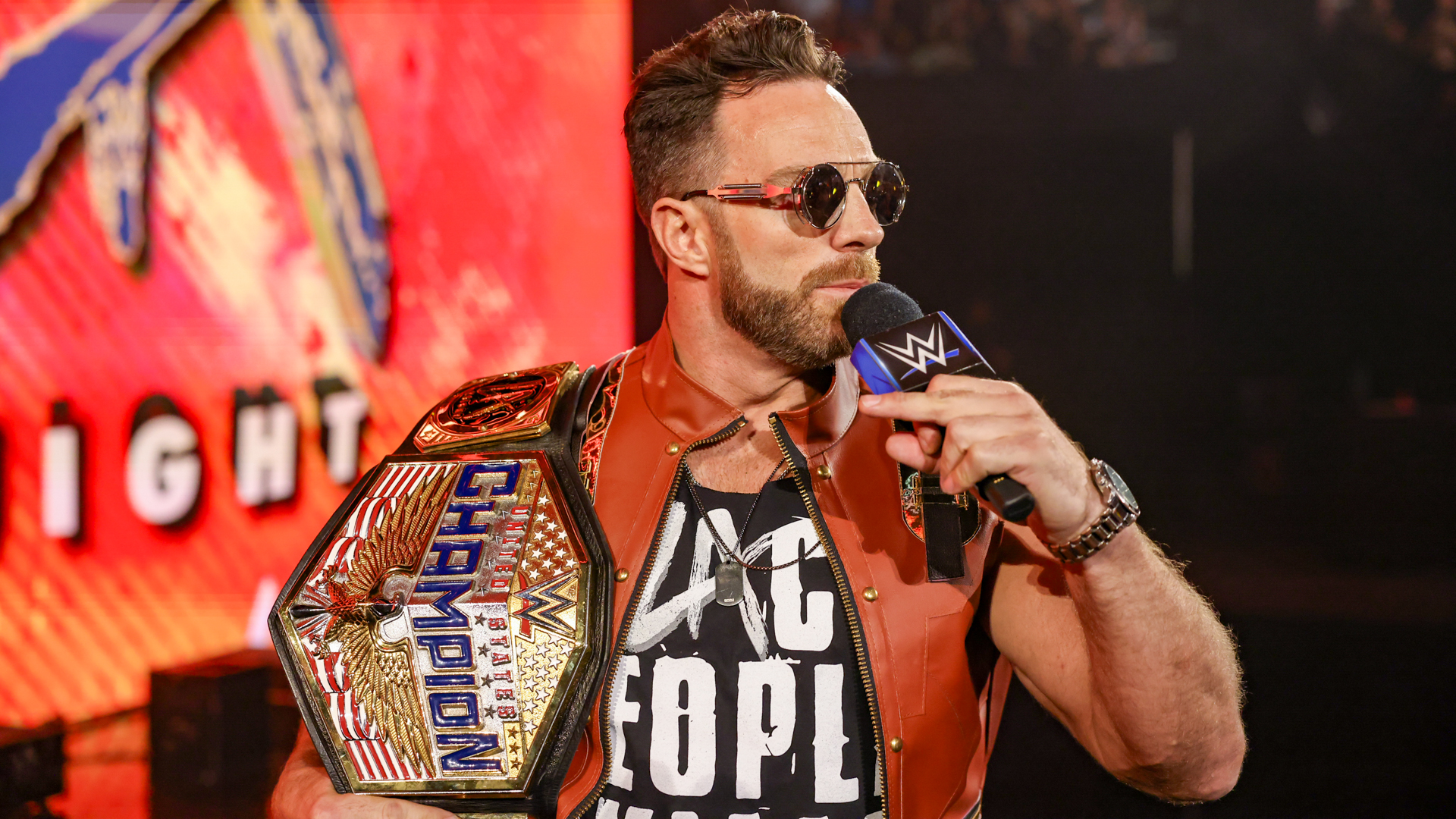
But LA Knight got over, and very quickly, in a fantastic, excessively entertaining programme with Cameron Grimes. Grimes was “new money”: a dumbass hick who had made an improbable fortune through a cryptocurrency investment. Knight was the handsome, ripped superstar who could not sanction Cameron’s lack of class. Knight was incredible at showing his disdain towards Grimes, and generally played the role of arrogant, dismissive prick to near-perfection. “Thanks, toots,” he’d say to the women tasked with handing him his bathrobes.
Knight and Grimes competed over the tutelage of 1980s legend ‘Million Dollar Man’ Ted DiBiase across a series of priceless skits. Knight felt main roster-ready - even born for it. The problem is that nobody was ready for the main roster because Vince McMahon had lost the plot entirely.
After making the move, Knight was repackaged as Max Dupri in May 2022: a talent agent who represented ‘ma.çé’ and ‘mån.sôör’: Maximum Male Models. This was actually a decent bit of prelim heel comedy - all three were comedically gifted, and it was silly in a very specifically weird way - but, as ever, its potential was never realised. Dupri’s bit was that he’d lean in too close and creepy to Adam Pearce, and nobody could ever enunciate his name correctly. Combined with the fashion component, this was essentially everything Fandango did, and you’ll recall how much Vince cared about him.
It wasn’t looking good, again - and then Vince resigned in disgrace. And then the great pro wrestling match became normalised and even boring somehow. And then, under Paul Levesque, WWE got red-hot, capturing an audience that cared far more about stories, characters, and catchphrases. Suddenly, Attitude Era devotee LA Knight was fashionable. You know the rest of the story, since Knight himself has done a fantastic job of writing it. LA Knight never gave up on his dreams, even though a lot of snarky wrestling fans crapped all over them for a long time. Is there actually something to the most trite motivational quote there is?
Yeah.