8 Wrestling Game-Changers Who Became JOBBERS!
The WWE and AEW stars that became hits in wrestling...until wrestling hit back
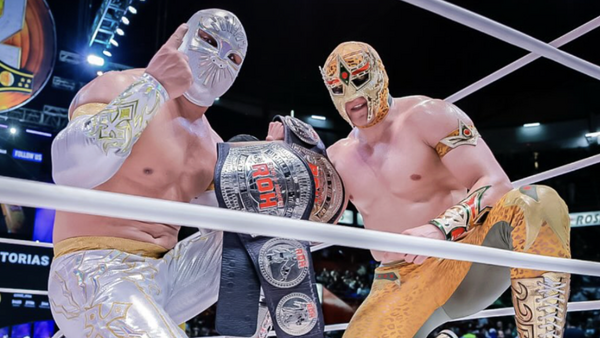
Wrestling's a cruel business.
Every article on this and every wrestling website could start that way. Would that go some way to reminding us mere mortals of the physical, mental and emotional sacrifice it takes to be a professional wrestler? The 52-week-a-year wrestling cycle certainly wants us to forget, even if subsequent documentaries now take the time to show the wear and tear on the minds and bodies of those that step between the ropes.
Yes, to the Roy Keanes amongst you, it's their job. But then we forget that too! Game-changers, jobbers and every wrestler in between; they're all contributing a lot to the thing we love, even though really for them, it could just be another day at the office. This much was clear when shoot interviews experienced something of a boom era in the late 1990s, it underscored a hitherto ignored difference in the way workers looked at their work as opposed to fans. They did their job, which was to be a wrestler. They had work colleagues and workplaces just like everybody else, but right now, pop quiz - what were you doing at work on a specific date 10+ years ago? Who were you working with? What did you think of them? How did what you were working on fold into what you worked on next, or what you'd been doing before? What did you get paid (to the penny) for it?
Cruel business. Top-of-the-world straight through to bottom-of-the-pile cruel. Such as when...
8. Motor City Machine Guns
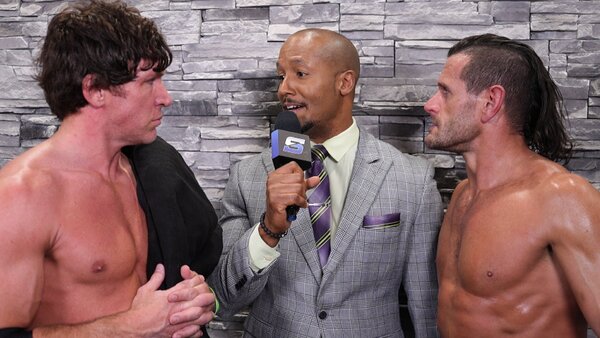
When the Motor City Machine Guns debuted in WWE, Corey Graves used the "your favourite tag team's favourite tag team", and this was completely without hyperbole unless you're one of those weird zealots that still refuses to acknowledge the influence of The Young Bucks.
Chris Sabin and Alex Shelley had something of an impossible job in the mid-2000s, in that they drastically raised the quality bar of USA tag team wrestling while the promotions big enough to pay them fairly lowered audience expectations of doubles action. Breaking through as a team in Pro Wrestling Zero1-Max before building a reputation for the likes of Ring Of Honor and Pro Wrestling Guerrilla, the good press only got them so far. With WWE taking little-to-no interest in acts like theirs at the time though, Total Nonstop Action was the ostensibly the best spot. TNA was in some respects perfect in showcasing and platforming their futuristic style, but was also TNA. Lousy booking was never too far away. Up and down the card they went, with little effort to truly preserve their brilliance in amber before it was almost too late. A 182-day reign in 2011 with the Tag Team titles ended with a miscommunication spot, as was the rematch to get them back, but any split was curtailed by both experiencing injuries before Shelley elected not to renew his contract with the company in 2012.
Various returns over the years (in between singles and different tag runs for both) kept them around to get that aforementioned sweetheart WWE deal in 2024, but the early high of the run was the only one. Given tag gold on SmackDown in their third televised match, they weren't given anything interesting creatively after the fact, and they spent 2025 losing and losing and losing before their April 2026 release.
7. Sin Cara

Mistico's success in pro wrestling wasn't a matter of opinion before he arrived, slightly retooled as Sin Cara in WWE in 2011.
A white hot box office draw for CMLL in the second half of the 2000s, he was credited most for the boom the company experienced at the time, building a Hall-Of-Fame case in terms of being a needle-mover before he'd even turned 30. The work backed up the numbers too - his matches with the likes of Black Warrior, Volador Jr and Negro Casas were important, influential and era-defining. So much so that when Triple H was given the opportunity to prove his scouting chops for the first time, he presented a reasonable case for having found the "next Rey Mysterio" WWE were constantly looking for.
Man behind the mask Luis Ignacio Urive Alvirde signed on and Sin Cara was born, but Mistico in just about every sense was almost instantly dead.
Given a trampoline-based entrance elaborate enough for him to blow it on his debut, Cara's intro botch remains one of the only things fans from the time actually recall about the character. That, and...the other botches. He slightly misjudged the height of the ropes the first night, seemed to misjudge how to balance on them in subsequent appearances. and the more the character suffered credibility hits, the more the bells-and-whistles weren't enough. A tag team with Rey Mysterio was a well-intentioned but ultimately quite demeaning attempt to quick-fix what was obviously broken between the two sides, and the lucha libre icon ended his days with wrestling's global market leader working NXT shots as often as he did WWE ones. A loser who simply just lost, and a lost cause.
After very little went right from his 2011 debut onwards, he remarkably trudged on with the facade of a run until 2013, when he was released. With Hunico taking the Sin Cara label off his hands, Mistico got to work reclaiming so much of the credibility that had been lost. First working as Myzteziz, then Caristico, he finally reclaimed the Mistico name after Mistico II left CMLL in 2021. As of 2026, he's now a celebrated legend of the game once again, in both Mexico and as a semi-regular in All Elite Wrestling.
6. Karrion Kross
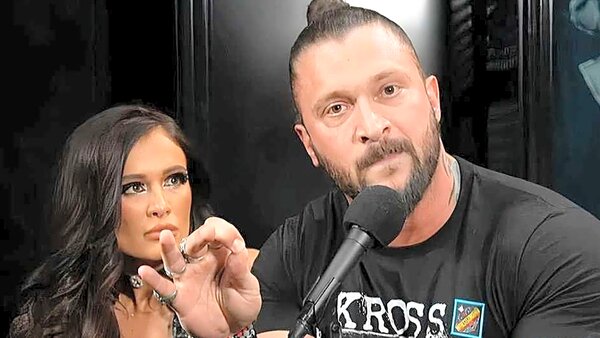
It was tough to assess what game there was to change in 2020 NXT.
The black-and-gold brand had been made redundant by the very existence of All Elite Wrestling in 2019, and not just because WWE positioned it to go head to head with it in a ratings war designed to divide the conversation rather than allowing a new challenger brand a chance to breathe. The magic of the original creative boom for the show half a decade earlier was that it only felt like the beginning for the rising stars. They were building beloved personas and crafting great matches, but the more that went to the main roster to die, the more the project felt futile.
The pandemic only brought this more into focus when, with even less buzz to generate on Raw or SmackDown, the next class of NXT undergrads found themselves working as audience members for the stars happy to hang out in Florida. Karrion Kross' initial roll-out felt like one last enormous swing by Triple H to help his dying brand find its fire. And not in the way Keith Lee did when he opened Scarlett's cursed contract in a comically poor segment to build the big NXT Championship match between the two men at the next TakeOver. Kross won the belt and the match - just his sixth on the show - and even though he got injured, as a statement of intent it couldn't have been clearer. He resumed his dominance returning in early 2021, but the main roster machine was still waiting for new pet projects to eviscerate.
Kross' initial TV appearance on Main Event (!) in June, stripped of Scarlett and the bells and whistles that came with their presentation, was awkward. His Raw debut proper was an unmitigated disaster. Losing to Jeff Hardy in 100 seconds while still NXT Champion, he was earmarked to a brand new audience as a flop, bringing a degree of shame to the smaller-stage crowd that still backed him. He was dethroned by Samoa Joe a few weeks later to permanently confirm his call-up, but the damage had been done. Ironically, he only lost once more after that, but mainly because the run amounted to just 11 matches. Doomed, he was let go in November 2021, and it's little wonder he became a cult favourite during his far superior 2022-2025 return stint.
5. Junkyard Dog
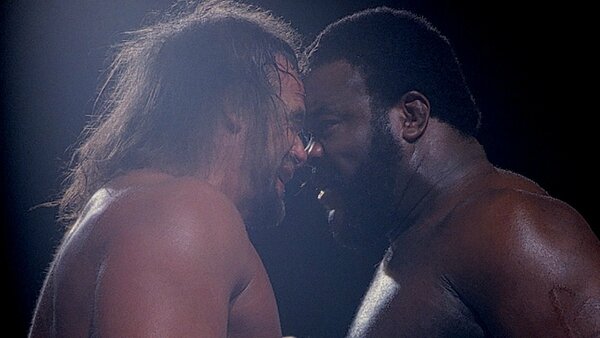
When Vince McMahon set about offering the moon on a stick to every territory star in the mid-1980s, he had Hulk Hogan's global domination as the template for how high those wrestlers could fly. Or, at very least, spots on box office-smashing cards main evented by 'The Hulkster' that guaranteed some extremely healthy paydays. Of course, McMahon only provided small actual downsides while topping it up with endless slabs of "opportunity", but from hearing wrestlers tell stories to this day of the money they made working Hogan towns during the Hulkamania era, the former chairman wasn't quite at his snake oil worst.
In this respect, the late Sylvester Ritter's story is no different to that of many others that signed on the with the market leader. He'd been a monster hit for Mid-South, still had enough about him to pop crowds in the midcard, get heels over enough for Hogan to beat, and even sometimes headline shows himself. But, per just about every credible voice at the time, he was very nearly the man McMahon went with to lead the whole charge. Depending on which account you believe, 'JYD' was on a superstar shortlist with Hogan and Kerry Von Erich, and was at very least first reserve backup if Hulk wasn't interested in the Titan move. History ultimately played out as it did and Hogan was a roaring success in the spot, but Ritter brought the "Thump" to the World Wrestling Federation anyway, landing in 1984 and wrestling a mammoth 730+ matches for the company before his exit in 1988.
The gruelling schedule took its toll, and Junkyard's aura diminished along the way. "Grab Them Cakes" was an iconic in-house sequel to his Another One Bites The Dust theme, and his natural charisma carried the load longer than many others would have managed, but the bright lights were only there for him to examine from his position flat on the mat as his run wound down. The man that would be king in the mid-80s was bowing to Harley Race's take on the regal role by WrestleMania III, and thus began of putting over any and every new body through the doors. Ron Bass, Haku, One Man Gang, Bad News Brown, Rick Rude and even The Red Rooster were given wins over him during his extended decline, and his final appearance for the market leader made for the most makeshift of exits; he teamed with B. Brian Blair to lose to Race and the retooled Akeem in just four minutes.
4. Kavita Devi

Kavita Devi can lay claim to one of the wilder statistics set against any wrestler's name. One of her matches has been viewed on WWE's YouTube channel over 77,000,000 times. That puts it in the top 100 most-viewed videos on the channel ever, and also stands as the second-highest viewed women's match in the archive, only behind Ronda Rousey Vs Nikki Bella's main event from the first Evolution show in 2018.
It's not an amazing piece of work. The 2017 Mae Young Classic tournament first round loss to Dakota Kai is only Devi's 13th match ever and goes just under four minutes, but it's a solid enough exhibition of what she could one day offer, and at very least has shown just shy of 80,000,000 pairs of eyeballs how great Kai's striking and selling was and probably always be. Of course, a major reason why this specific outing has clocked that many views is due to WWE's enormous India fanbase. Devi broke ground as the first Indian female wrestler in WWE history, which naturally earned a lot of home nation support. She lists The Great Khali amongst her trainers, and the former World Heavyweight Champion was no stranger to those sort of box office numbers on the video-sharing platform either. She parlayed this into an appearance in the first ever WrestleMania Women's Battle Royal in 2018, joining a slate of NXT wrestlers getting their first opportunity to appear in front of the stadium crowd.
It reflected the ceiling, as of writing, for Devi. The view-count will likely rise steadily forever, but the same couldn't be said for her star, particularly in WWE. As of 2026, she has just 39 matches to her name, with no sign of any in-ring return post 2019. Or, more accurately, post-her 2021 release. Her final days with the company were marred with an ACL injury layoff as well as travel and personal issues made worse by COVID restrictions at the time, but the win/loss record wasn't exactly trending in the right direction. From the highs of 'The Grandest Stage' to the lows of looking at the lights on the Largo Loop, Devi lost to future breakouts Bianca Belair, Raquel Rodriguez and Deonna Purrazzo as well as fellow black-and-gold also-rans Aliyah and Vanessa Borne. Various chat about her taking up ambassadorial roles never really amounted to much, and she now remains more of mid-2010s curio nearly a decade on from her moment in the digital sun.
3. Emma

The bout pitting Paige Vs Emma for the NXT Women's Title at the black-and-gold brand's "Arrival" special in 2014 was once justifiably and comfortably considered the best women's match the company - any version of the company - had ever promoted.
Ultimately, the bar was raised pretty much bi-monthly after that, with each TakeOver match from the division topping the last, but Paige and Emma as characters and workers were poof of concept for the women getting the time and attention they'd been institutionally robbed of going back decades. Within weeks of the bout, Paige was called up to the main roster, but having gotten so close to it once before, Emma wasn't the one selected to get another shot at the newly-vacated title - she was already doing bits on Raw and SmackDown, and watching her gimmick die in the process.
As NXT's top babyface on the crest of a creative boom writ large for the brand, Emma's growth specifically defined what the rebuild had been all about. She was nice, in the company where the very concept had been eroded by the constant crushing of babyfaces and a prior developmental system that sounded like the worst possible version of a way in. Emma was charmingly uncoordinated in kayfabe, had an irritant of an entrance theme that became an ear-worm, and was never put in a position to patronise or belittle the audience that immediately just wanted to back her. A janky dance accompanied said entrance, hands and arms at full extension albeit not in time with the music, and at some point somebody had the exceptional idea to fire bubbles up into the air for the fingers to dreamily pop. If that all sounds like yet another too-cutesy-for-wrestling gimmick, it's only because this sort of thing used to be the exception rather than the rule because of performers like Emma.
Alas, Vince McMahon kept the "funny isn't money" idiom alive longer than he had any right, and her call up came with an instant pairing alongside Santino Marella for some brutal forced fun that sucked the life out of both of them. He laughed with her idiosyncrasies, told the audience they should to, and predictably none of it clicked. The gimmick rotted to such an extent that when she returned to NXT, she had to do so as a heel, castigating her old self to try and regain credibility. It worked too, but the cycle repeated - she got over once again, WWE devised an "Emmalina" repackaging, both sides cooled on that, and she was once again left to drown in main roster waters before a harsh 2017 release. It got no better when Triple H assumed control of things in 2022 - the return lasted just over a year, and she became the butt of some cruel humour when she got released the same day she toasted WWE's impending return to Australia.
From viewing her social media, Tenille Dashwood looks substantially happier and content out of WWE than part of it, but she'll remain a textbook 2010s missed opportunity when the retrospectives are written on that cursed time.
2. The Rock & Roll Express
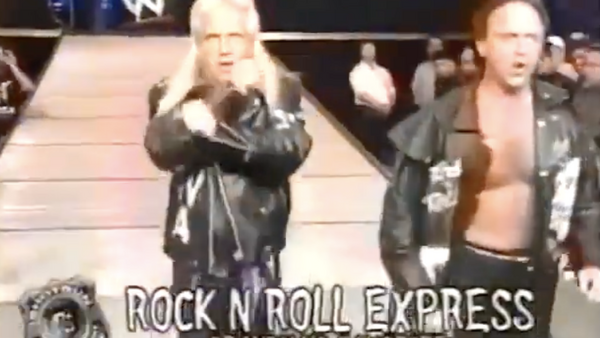
...and not because they found themselves kidnapped by Jon Moxley in All Elite Wrestling, as funny as that scene was.
Ricky Morton and Robert Gibson might have eventually been usurped by Shawn Michaels and Marty Jannetty as the pre-eminent high flying sweetheart tag team of the 1980s, but before time caught up with their hard partying territory years, they were templates for the perfect doubles match. Morton's hot tag was known was the industry standard - nobody took a beating quite like him, with his ability to reach the emotions of the crowd so powerful that it passed through screens too. If you couldn't be there to scream him back to life, you wanted to be, rendering him a draw on television and at the box office. And it didn't go off as well without Gibson's fire upon re-entering.
Heels bumping and feeding looked like it had been invented for him and him alone to benefit from, so pronounced was his ability to put heels in the ground. Even the gimmick was perfectly attuned to the times - before heavy metal was usurped by grunge, Morton and Gibson reflected pop culture as much as anything within the typically behind-the-times pro wrestling. Alas, when the same rate of change occurred in wrestling, the two were hung out to dry.
Brought back as the backbone of the ancient-feeling NWA stable in an otherwise red hot 1998 WWE, the two men - at the time in their late 30s-early 40s - were portrayed as total fossils who were simply interlopers for daring to exist in the Attitude Era regardless of their actions on television. Never was this clearer that when they were demoted to Shotgun Saturday Night, home of the inconsequential matches and wacky subtitles such as the one above keying them as "Grandma's Favourites". Performers then younger than both WrestleMania 42 main eventers were cast as dinosaurs, until the NWA idea itself went extinct.
1. Marty Jannetty

In his prime, Marty Jannetty was a trailblazer.
That might understate it, in fact. As the more experienced half of The Rockers (and The Midnight Rockers before their WWE tenures) Jannetty retooled what it meant to be a babyface in peril in tag action. Aforementioned comparisons to the Rock & Roll Express were quickly swept aside thanks to Marty and Shawn Michaels ultimate outclassing them first as high flyers, then as all-rounders and eventually as heart-throb babyfaces. The pair were sensational at taking (and coming back from) a beating, but earned the adoration with periods of control coloured by totally futuristic, eye-popping offence.
Life came at Jannetty all too fast when The Rockers split, though. In and out of WWE thanks to a personal life too chaotic for even 1990s wrestling to cope with, his fleeting moments of brilliance were typically derailed by something that convinced promoters not to bother booking him. Unfortunately, this was the case in the summer of 1993, and just weeks removed from trading the Intercontinental Championship with Shawn Michaels in matches that ranked amongst the company's best all year, Jannetty was busted all the way down to the bottom rung when the company found a new xenophobic foreign menace to get behind.
Borga won the match with a Torture Rack, and Jannetty couldn't have looked more tragic already before he was besieged by his own gear. Streamers covered his face so he couldn't fully emote, went in his eyes so he couldn't see, and fell into his mouth so he probably couldn't breathe all that well. He won at a tag title at last with The 1-2-3 Kid just months removed from this specific match, but the die had well and truly been cast on the former Intercontinental Champion. Those days - and days even adjacent to whatever those were - were over.