Newcastle 1-0 Liverpool: 7 Biggest Factors In Unexpected Victory

Someone ought to check Dummett's pocket for Raheem Sterling...
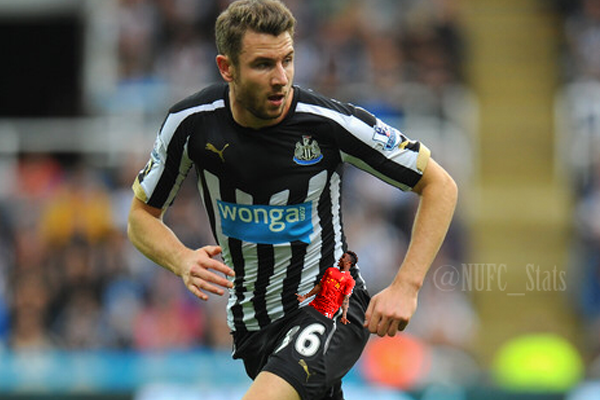
A lot has been said in the past day or so about the power of confidence on Newcastle's form, and how well Alan Pardew has done to ignore the calls on his head to "turn the team around". Similarly, the more Liverpool-liking parts of the media (everyone south of Leeds, in other words) suggested Liverpool had simply lost the game, and that questions should be raised over Brendan Rodgers. In truth, it was a little of both: Newcastle didn't so much win the game as invite Liverpool to lose it by frustrating, containing and breaking, and looking for a mistake that would turn a good point into a great three. Liverpool duly obliged when Moreno dallied on a clearance and allowed West Side Story lookalike Ayoze Perez to finish smartly from close range. But to dismiss the game that simply is to ignore the story of the victory for Newcastle, and the reasons why a team who almost won the league last year were overcome by one who had struggled to pick up any points for most of 2014. So here's a deeper look at how Newcastle won...

7. Coloccini As "Sweeper"

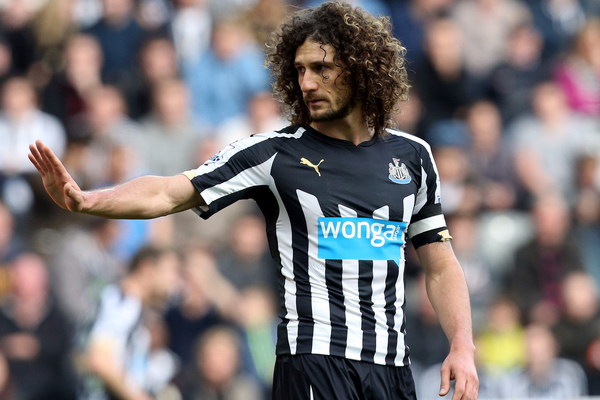
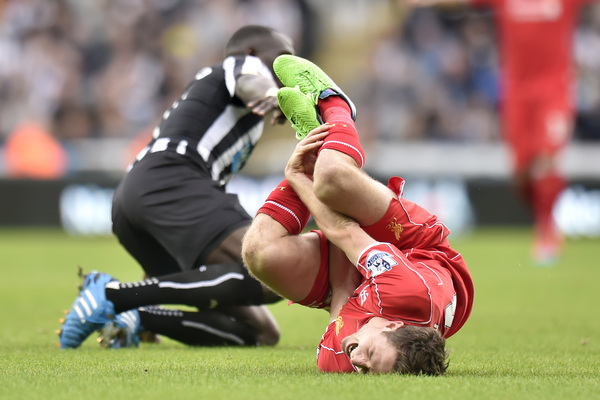
It isn't true to say that Fabricio Coloccini played an old-fashioned sweeper role, but his roaming defensive style - which works a lot better next to Steven Taylor than it does Mike Williamson - was a lot like that role. With Taylor sitting deeper, and protecting the edge of the box or winning headers when the ball came forward in the air (not surprisingly quite rarely given Liverpool's style), Coloccini could move out from his position, putting pressure on Mario Balotelli and stopping him having the kind of impact he would have sought. The result was the Italian having just one touch in the Newcastle area, and cutting a frustrated figure on the edge of the box. He was already cut off of service, and the one time he dropped deep to do a bit of damage, he was turned upside down by Daryl Janmaat for what was clearly perceived to be over aggression on Mehdi Abeid.

6. Rodgers' Perseverence Vs Paul Dummett's Back Pocket
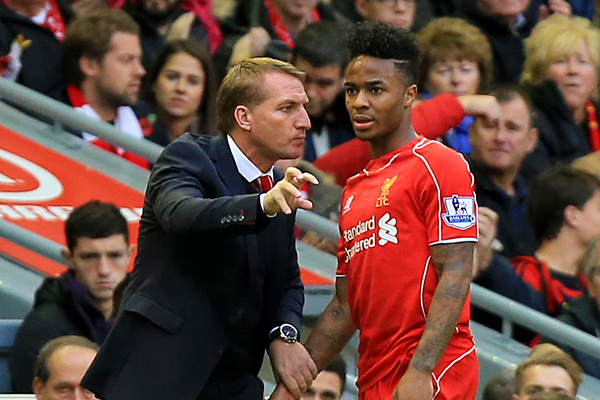
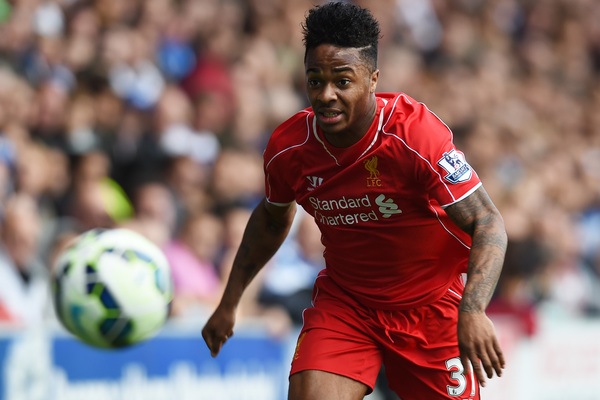
Paul Dummett has deserved some of the criticism he's received in the past - his positional sense has been poor, his passing limited and his attacking threat non-existent, but it's all forgiven as it's been admitted he's a centre-back - but he deserves all the credit in the world for his performance on Saturday. Brendan Rodgers must have been rubbing his hands with glee when he saw Dummett's name at left-back, despite his manager admitting he shouldn't really be playing there, and he intended to exploit the defender by putting Raheem Sterling out wide on the right, rather than in the middle. Unfortunately for Rodgers, because Dummett wasn't asked to go forward, his mind was completely occupied by defending, and because Sterling singularly failed to make any real attempt to get round him, he was able to defend like a centre-back. The England man accidentally played into his hands - thanks in part to the close attention he was getting from Sammy Ameobi, and then Rolando Aarons - attempting just two take ons, both snubbed out, and forcing just three tackles (two won by Dummett, and one resulting in a foul). But Rodgers ignored the fact that Dummett wasn't budging, and continued to try and use Sterling there, instead of shifting his position, and Sterling rewarded him with an awful 64% passing rate. He wasn't even in the game.

5. Ignoring Confidence

Everyone says momentum and confidence can win you games, and while there's certainly something to be said for the positive effect of winning on results going forward, it's foolish to think any team can be buoyed by good feeling alone. Brendan Rodgers' biggest mistake against Newcastle was imagining that the Magpies' winning run would translate into Entertainers style expansive attacking play and high pressing. They would be dogs running deliriously in traffic, and the Liverpool master-mind would profit from their space. The only problem was, Newcastle fundamentally didn't let their victories get to their heads, and with Liverpool set to profit from an attacking threat that never came, Newcastle were free to hold and contain, stopping them from playing through midfield with near-comical efficiency. For once, playing like the away team at home was exactly the right choice.

4. Pardew's Mind Games

A big part of Brendan Rodgers' game plan probably came down to the boasting of Newcastle's "resurgent" manager, and the press conference comments that looked like silly muscle-flexing before the game. With Man City vanquished, Pardew said he was strangely confident, and said he'd know exactly how Liverpool would play. His smile suggested he smelled another scalp - something he had said he was pretty good at - and Rodgers clearly misread the perceived arrogance as a statement of intent to play confidently and attack. To say he misjudged Pardew's mentality is a considerable understatement, and while the Newcastle manager conceded he had been shocked by Liverpool's formation (he shouldn't have been, they've played 3 at the back in possession most of the season), he was even more right that Rodgers wouldn't know his.

3. Not Pressing As High

The single biggest tactical victory Newcastle won against Liverpool was in their reluctance to play the way Liverpool wanted them to. Shifting to their usual 3 at the back formation in possession, Liverpool expected the Magpies to attack and press from the front, dragging Cisse and Sissoko and allowing Joe Allen and Steven Gerrard lots of space. That would then drag Mehdi Abeid and Jack Colback out and open the space in front of defence that Henderson and Coutinho could punish. But Newcastle's high pressing never came - Cisse did some, but he and Sissoko rigidly stuck closer to Allen and Gerrard in the first half. And while Gerrard did have a little success with his long cross-field balls behind the defence, it led to nothing, and the threat through the middle was nullified by Newcastle's patient commitment to their defensive shape.

2. Mehdi Abeid And Jack Colback

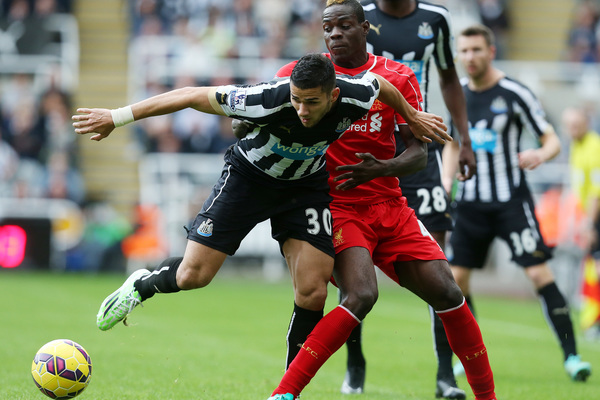
The decision to bring Mehdi Abeid into the starting line-up looked a slightly odd one before the game, but by the end it was roundly declared a master-stroke. Fresh from making Yaya Toure look like Kolo Toure in the League Cup, he was chosen ahead of Vurnon Anita and Ryan Taylor (an outside bet at most probably), and he once more took to the task beautifully. Sitting alongside Colback, the defensive midfielder showed how far he's come recently by putting in an imperious display, nullifying the threat of Coutinho, as Colback dealt similarly with Jordan Henderson, and stopping Liverpool playing through the middle. Newcastle's interceptions all came in front of the defence, showing how hard both players worked to put out the kind of throw-balls that Liverpool usually profit from, and neither shirked in challenges, despite the increasing pressure the Reds put them under. Abeid deservedly won Man Of The Match, and in truth Colback wouldn't have been far behind.

1. Limiting Liverpool's Width

It wasn't just Raheem Sterling who struggled to make any kind of impact against Paul Dummett: Newcastle closed the door on Liverpool running around them to get behind the defence, which became increasingly important as the game went on. Robbed of the space to run through the middle, Liverpool tried hard to come down their right with Sterling, but found that way blocked, and Sammy Ameobi (and before him briefly Gabriel Obertan) stopped anything coming down the left with the ineffectual Moreno. As Rodgers sensed the game was slopping away from him, he brought Borini on, and then when even that didn't work, he also brought Rickie Lambert on to play 4-2-4 to try and overwhelm Newcastle's defence with 4 1v1's that should have allowed them to get around the sides. Again, Newcastle held firm, and though Liverpool had a lot of the ball they made few chances and Tim Krul spent most of the game watching along with the fans. Do you think Alan Pardew deserves credit for overcoming Liverpool? Share your thoughts below.

Contributor
Contributor

WhatCulture's former COO, veteran writer and editor.