Man Utd: 7 Tactical Alterations LVG Should Consider

The United manager still can't seem to get it right but what can he do to repel further criticism?
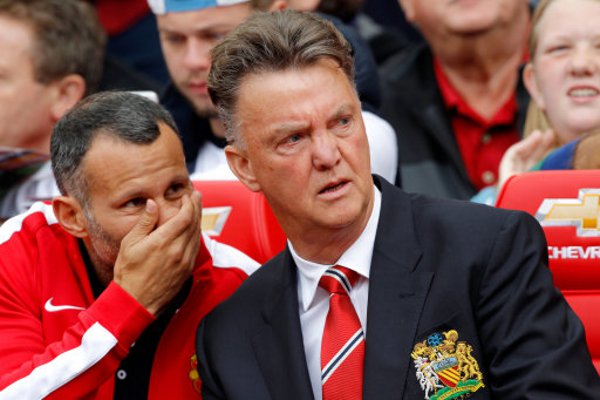
For a man hailed as a tactical genius, Louis Van Gaal has come under severe scrutiny over his strategic decisions this season. Recent pressure forced him to switch to 4-2-3-1 from a 4-1-3-2 diamond system against Sunderland and Newcastle and despite back to back wins, questions are still being asked about United€™s style of play. He began his reign by implementing a 3-5-2 system which was particularly successful for him with the Netherlands during the World Cup and when he was in charge of Ajax. After initial success with it in pre-season, his United side failed to fully adapt to it in the Premier League and they never got to grips with playing three at the back. Then came a switch to the €˜4 diamond 2€™ system which brought about good results but not the style of play that United fans crave. The system proved far too narrow which led to congestion in the midfield and a lack of fluidity. Not only this, but the system was coupled with an imbalanced team selection that left United poorly protected at the back. But how can LVG put these issues to bed? Let€™s take a look at 7 changes he could make in terms of tactics, strategy and team selection.

7. Stick With 4-2-3-1 But Play Mata

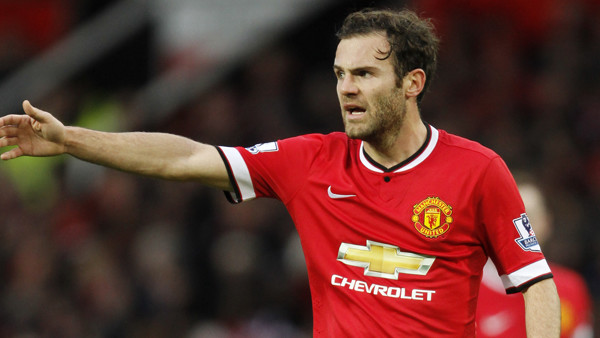
With Louis Van Gaal reintroducing the 4-2-3-1 formation to United in the past couple of games, it would make sense to play one of the best number tens in the Premier League. It is easily forgotten, but Juan Mata was voted Chelsea€™s player of the season back in 2012/13 playing under Rafa Benitez in that number ten position. He achieved an incredible 58 assists in 135 appearances for the club before his transfer to United in January 2014. But at both clubs he has been subjected to being dropped to the bench or being shifted into an unfavoured wide-right position. It is no exaggeration to suggest that he is as good in the position as David Silva but his main issue, at least according to Jose Mourinho, was that he didn€™t contribute enough defensively. With appropriate players selected in other positions however, any defensive qualities that the Spaniard lacks can be addressed. With Louis Van Gaal suggesting he is on the hunt for a creative midfielder, it seems silly that a player of Mata€™s ability is often left to bench warm. When he has played as an advanced playmaker he€™s usually been playing behind two strikers in either a 3-5-2 or 4-1-3-2 system and the issue with this is the space he likes to operate is congested with multiple attacking players and he is required to do more work defensively due to the inclusion of two strikers. Playing him in his favoured position, just behind a single striker is worth a shot.

6. Only Using Fellaini As Last Resort
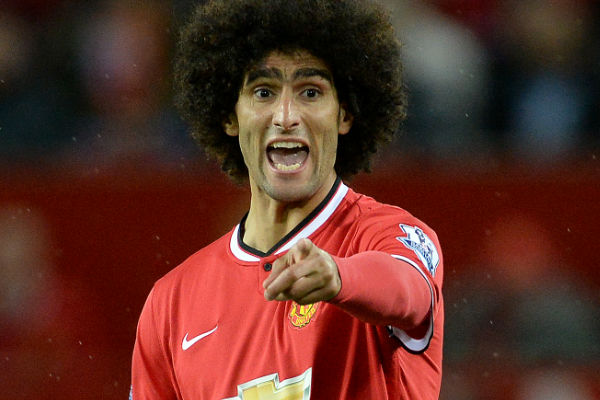
For what it€™s worth, Marouane Fellaini has made drastic improvements this season. The transformation has been incredible and although he may no longer be the subject of many United fan€™s jokes, he still lacks the style of a typical player for the club. To be fair to him he is now actually being used in his most effective position when he features, which is ironic considering that David Moyes should have known all about his game. When he plays now he tends to feature just off the main striker which means consistent arrivals into the opposition penalty area with the aim of causing havoc. Van Gaal has brought the giant Belgian on to great effect in recent games, such as in United€™s away trip to West Ham when Fellaini was introduced with his side 1-0 down and he transformed the game with his physicality, giving the Red Devils a long ball option. His presence in the 18-yard box brought about chaos which created space for Daley Blind to level the match. The manager has made the mistake though of rewarding Fellaini€™s impact with starts and the Belgian€™s slow recycling of the ball almost brings United€™s pedestrian build up to a halt. If Fellaini plays it should only be when chasing a game or if Van Gaal completely moves away from a possession based game €“ which is extremely unlikely.

5. Switching to a 4-3-3

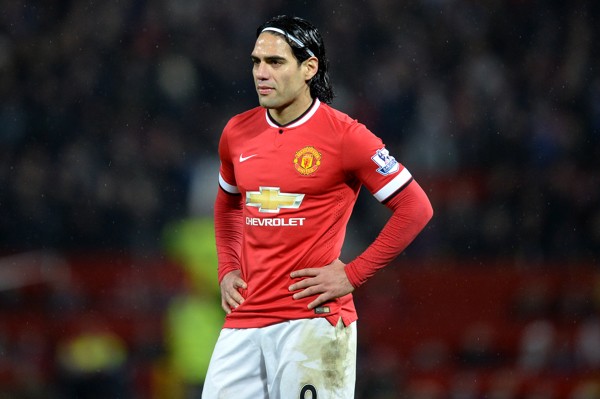
A 4-3-3 system isn€™t a shape typically associated with Manchester United but in the past, particularly in the Champions League under Sir Alex Ferguson they have played it to great effect. It is a formation that favoured their counter attacking, high tempo style of play. Games that spring to mind are United€™s two legs against AC Milan in the Champions League in 2010, and the second leg against Arsenal in their European Cup semi-final clash in 2009. Both encounters can be noted for United€™s exceptional speed of attack, something that the current side is lacking in abundance. The reason for this is the 4-3-3 encourages lots of play from the wings €“ typically where there is plenty of space - and creative runs and movement. Recent formations Van Gaal has used such as the 4-1-3-2 can lead to a lack of invention because all of the attacking players are stuck in the final third of the pitch and don€™t have room to operate. Another advantage the 4-3-3 provides is defensive solidarity. Quite often this season Daley Blind has been tasked with anchoring the midfield by himself, but with three in their United€™s defence would be significantly better protected. The problem is that they may not have enough quality players in midfield to choose from and only one central striker can be selected which will mean players like Radamel Falcao falling even further down the pecking order.

4. Traditional 4-4-2

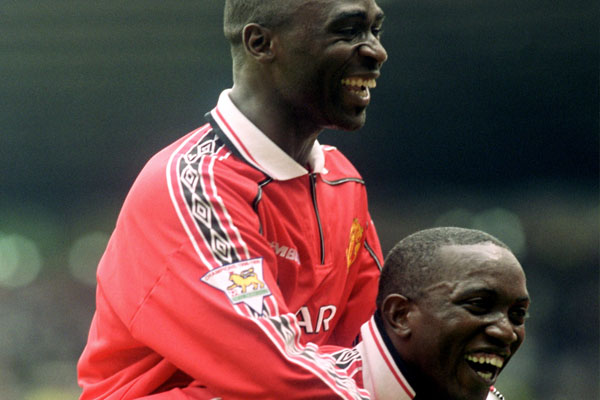
Although it may be outdated, it was with the 4-4-2 that United enjoyed their greatest ever season in 1998/99 winning the treble. It was a side of exceptional quality and balance €“ the partnership of Yorke and Cole, the passing range of Scholes, the leadership of Keane, the crossing ability of Beckham and the electric dribbling of Giggs. Nowadays the system is considered a thing of the past and the lack of numbers in midfield against organised sides is a major problem but what it does encourage is numbers in the box due to the presence of two strikers and a supporting midfielder and excellent play down the wings. Although this is a system that may be considered suicidal away from home, at Old Trafford this way of playing should not be ignored.

3. Rooney Upfront

Thankfully Wayne Rooney has returned to his favoured position as a central striker in recent games and he must be allowed to continue there even when Robin Van Persie returns from injury. He is a proven goal scorer when played in this position, evident from his return of 34 goals in the 2009/10 season following the departure of Cristiano Ronaldo. When Van Persie and Falcao had a spell as a striking partnership, their movement was static, unimaginative and lacking in pace. Rooney is the only one of the three to offer United genuine pace in behind the defence. With Van Gaal calling for the signing of a creative midfielder, maybe the problem isn€™t the supply but the players further up the pitch. It is often forgotten how dynamic Rooney is a centre forward also. He can poach, score goals with his head, smash in long range efforts and drop off to aid the build-up of an attack.

2. Use Jones Or Carrick With Blind

United€™s defence is taking a lot of stick this season with pundits calling for the Red Devils to address this area in the summer transfer window. Another view to consider is that the back four isn€™t being protected well enough with Daley Blind often tasked with the role all alone. Obviously United€™s long injury list hasn€™t helped him but on their returns to the side either Phil Jones or Michael Carrick could be selected alongside Bling to provide extra stability in the middle of the pitch. It is no longer a given that teams can succeed at an elite level by playing the one midfield pivot. Notice what Mourinho does in the big games €“ he drops Oscar and selects another player to position himself alongside Matic to form a double pivot. Guardiola had to abandon the single holding midfield philosophy and also opt for the double pivot to achieve balance. It may be wise for Van Gaal to take note of the decisions of these talented managers.

1. Picking a Balanced XI

Tactics aren€™t everything and it must be considered altering a formation alone can€™t bring about radical change. Whatever system Van Gaal favours, he must select a more balanced line-up, fielding players in their correct positions and not being afraid to leave out star names. To be fair, things seem to be looking up since the abandonment of playing Rooney, Falcao and Van Persie all at the same time and fielding wingers in a narrow diamond system. Things should be taken back to basics. A system should be selected that has the best chance of succeeding, and the best player in each of those positions should be selected, not choosing your best attacking players and trying to fit them all into a top heavy formation.

Contributor

Having recently graduated from university, I have joined WhatCulture as a contributor to cover sport, WWE, TV and film. Formerly published nationally in the Guardian and Independent.