The Secret History Of ECW | Wrestling Timelines
May 25, 1998 - Attitude
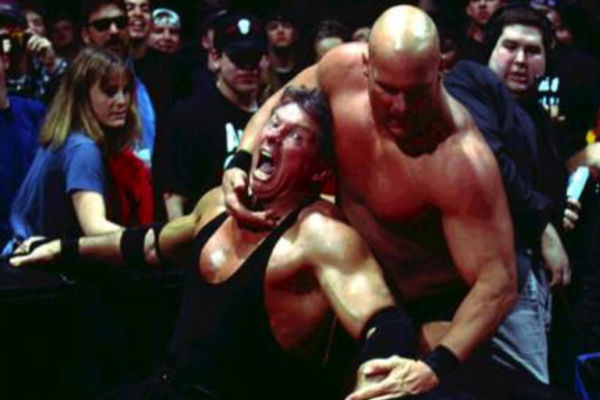
The WWF is white-hot, fuelled by Attitude and propelled by the momentum of working class anti-hero Stone Cold Steve Austin. Outsmarting evil owner Vince McMahon, to the delight of the fans, Austin has McMahon arrested on Monday Night Raw. As Vince is led away in cuffs, Austin douses him in beer.
This must be doubly frustrating for Heyman.
Firstly, Austin’s act, which is drawing more money than ever for the WWF, is patterned after Heyman’s creation of the Sandman. Austin is a less than virtuous babyface who drinks beer at a ridiculous rate and enters the ring to an anthemic rock track. Worse still, a prototype of this version of Austin was debuted in ECW by Heyman himself, in 1995.
Secondly, the prescient Heyman was amongst the first to endorse Austin, all the way back in 1991, and now somebody else gets to monetise him.
Paul Heyman was half-right, when he said that wrestling should be more like Nirvana. Eventually, the form did evolve into something darker and with a more transgressive feel. Heyman’s vision, however, has been fully supplanted by the WWF. ECW was never Nirvana, but rather Green River: the precursor to a new movement that, while acclaimed and credited for their innovation, doesn’t sell the records.
ECW is rapidly losing its appeal, purpose and staying power. Its identity is no longer unique, and if Heyman does build a new star, there’s every chance that star won’t be his for too long.
August 2, 1998 - Heat Wave ‘98
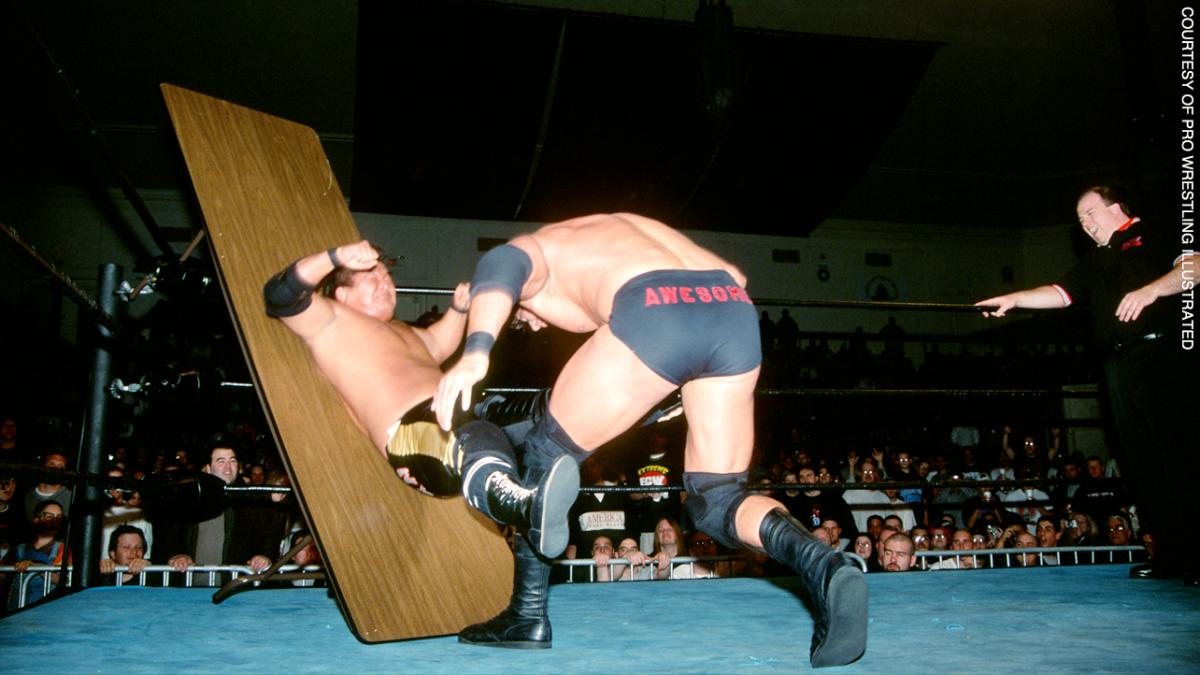
With Heat Wave, arguably the best bell-to-bell show in the U.S. all year, Paul Heyman proves he’s still got it. His promotion has been ruthlessly scavenged - the talent, the philosophy, hell, even the colour of the ring ropes has been taken by the majors - but he’s not burned out just yet.
Justin Credible announces himself as a loathsome, douchebag heel in a strong win over Jerry Lynn, where Chris Candido is a cocky über-stooge in his defeat of Lance Storm.
The sequel isn’t as iconic as their Living Dangerously match, in which Bam Bam Bigelow and Taz crash through the ring - the WWF will take this, and even use it as inspiration to break the entire thing four years later - but their hellish Falls Count Anywhere brawl is awesome. Rob Van Dam and Sabu take much too long to beat Hayabusa and Jinsei Shinzaki, but the ECW/FMW crossover novelty is undeniably cool. The main event - Sandman, Tommy Dreamer and Spike Dudley Vs. Big Dick, Buh Buh Ray and D-Von Dudley - encapsulates the theme of the show. It’s a quintessentially ECW match, a garbage bonanza, but the love is still there for it.
Heyman finally begins to solve one of his worst and most boring flaws as a booker: the disappointing, overlong World title match. The Awesome Vs. Tanaka series, ported to the U.S. for the second time at Heat Wave, becomes the best in-ring fare in ECW history when Heyman builds the World title scene around it in late ‘99.
It’s a white-knuckle death race in which each man takes it in turns to kill one another. The fat-free brevity of escalating terror is phenomenal. They share the magic chemistry reserved for only the best wrestling pairings ever. It’s such a shame that it happens long after the true wider creative peak, and guess where Awesome ends up.
March 21, 1999 - Jerry Lynn Vs. Rob Van Dam
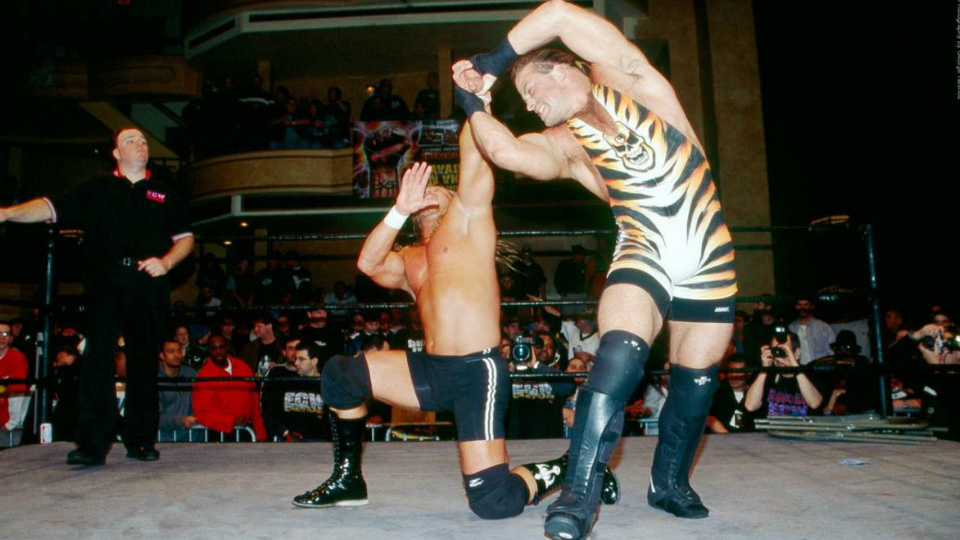
At Living Dangerously, Rob Van Dam successfully defends his World Television title against Jerry Lynn in what will become a profoundly influential match. You’ve seen it already, even if you haven’t.
It is the engine of roughly 80% of indie matches that are wrestled thereafter. An intricate, stylised back-and-forth heavy on feints, counters and deception, its take on kung fu chess is blinding. The idea of the match being great and the wrestlers being great isn’t entirely revolutionary, but there’s such a strong emphasis on appealing to the crowd here, on getting the audience to buy into the quality of the fiction, rather than the fiction itself. The goal isn’t heat; it’s praise. These are two different things.
Aspiring wrestlers will fall so hard in love with the RVD Vs. Jerry Lynn series that, over time, many of them will make their stylistic brilliance a key character trait. RVD Vs. Jerry Lynn is the prototypical “banger” before the word enters the wrestling lexicon.
On the same show, Heyman still hasn’t learned. He’s a visionary of a pro wrestling mind, but in many ways, he’s just like every other booker ever: stubborn and resistant to change. He’s in the weeds of the fandom. He knows what gets said about ECW. He books for the people who say those things. So what’s he doing putting Shane Douglas in a 19 minute crowd-killer of a match?
Taz headlines against Sabu in a successful defence of the ECW World title he had finally captured at Guilty As Charged in January. Heyman waited an age to strap Taz up, but Taz is gone by the end of 1999.
April 11, 1999 - Hak
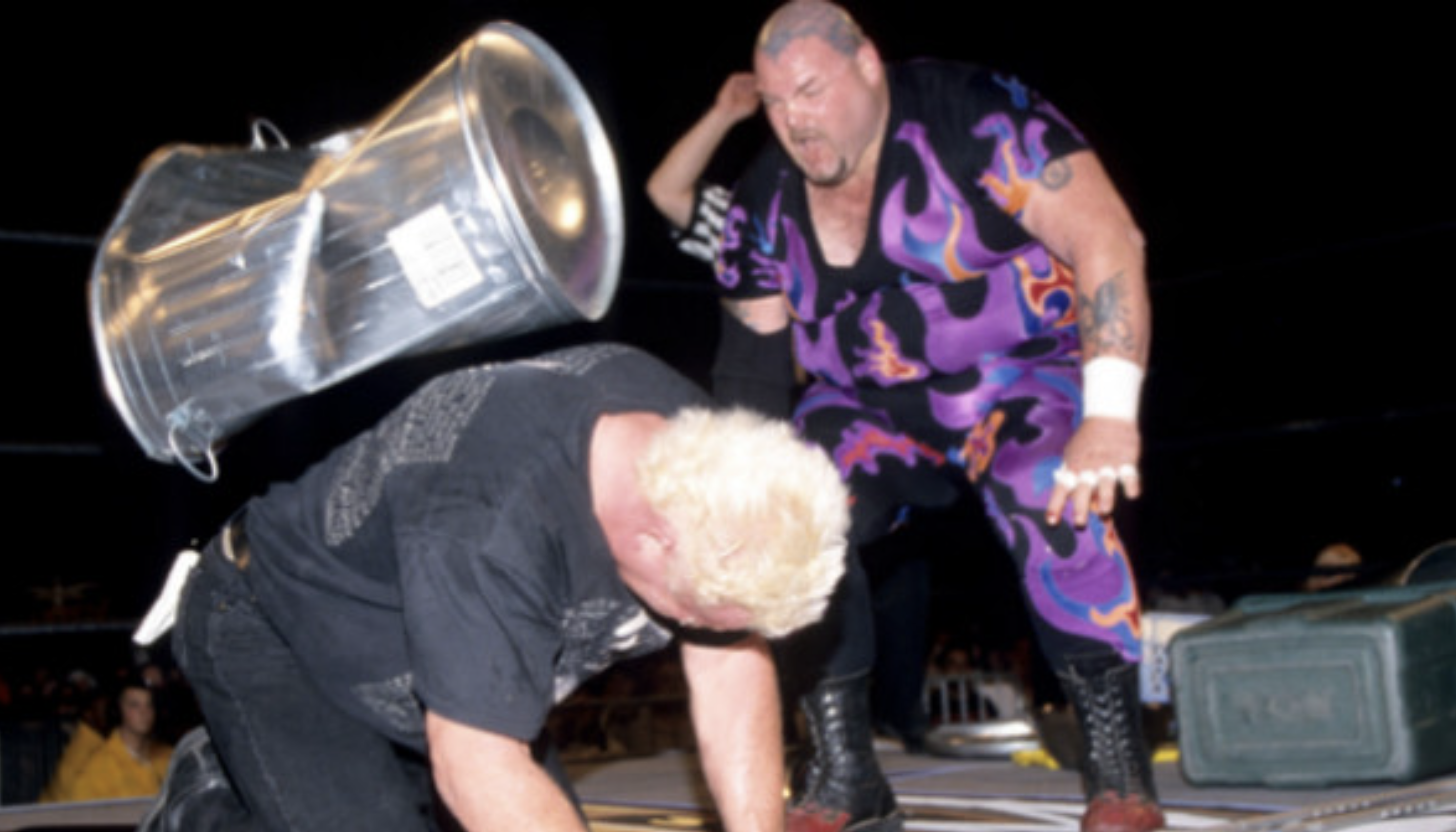
In a wild sentence, the former Sandman highlights what is the last great night in the history of World Championship Wrestling.
Performing under the name ‘Hak’ - after a strange, dropped initial character arc as a preppy - he does a job to Bam Bam Bigelow in a ‘Hardcore’ match at Spring Stampede in a bout that does not happen, in any alternate universe, without Heyman’s influence. This is part of WCW’s Hardcore division initiative, which follows the WWF launching a specialised division of its own in late 1998. Which, of course, follows Paul Heyman’s life’s work.
It’s a fantastic, committed creative war that must infuriate Heyman. The shockingly dynamic Hak is in the best cosmetic and cardiovascular shape of his life, now that he’s in the big leagues. In ECW, and it didn’t matter much because his bond with the audience was so fierce, he was a slow, drastically out-of-shape mess half the time. One cannot sympathise too much with Heyman, however.
Hak is almost joined in WCW by Tommy Dreamer, who later claims that he rejected the offer because he felt a sense of obligation to his cult leader. A manipulative Heyman, per Dreamer’s version of the story, cried and said “You can’t do it”.
Skipping ahead on the timeline briefly:
A lot of wrestlers complained that Heyman’s money was no good. Mike Awesome had even left ECW for WCW in April 2000 because the cheques kept bouncing. The payments he was promised, and that he had earned, were delayed so frequently that he could not offer his young family financial security. Dreamer’s situation was the worst of all. He was, in effect, Heyman’s business partner towards the end of ECW. He used his own money, even his family’s money, in a bid to keep the operation afloat. Infatuated with ECW, he even arranged business meetings with potential investors in March 2001. Nothing ever happened because Heyman, per the July 23 Observer, could not produce “adequate” financial records.
Dreamer, in financial peril, was so depressed by ECW’s closure that he planned to avenge Paul Heyman by assassinating him. Heyman, who was already taking money from them as a consultant, joined the WWF full-time as a colour commentator. This final betrayal was not quite the final straw; it was one last Paul Heyman lie that plagued Dreamer’s psyche.
Heyman had told Dreamer that a spot was available to him at WrestleMania X-Seven. It was dropped, if it was ever planned in the first place. Dreamer, who learned that firearms were more freely available and permitted in Houston than his native northeast, toyed with the idea of entering the Astrodome, hopping over the barricade, and shooting Heyman in the back of the head before turning the gun on himself.
Consider, also, the fate of Chris Candido. Alongside Tammy Lynn Sytch, whose drug addiction was exploited onscreen by Heyman, Candido left ECW in December 1999 because he was owed money. He paid for company travel expenses on his personal credit card, and never received the money he had fronted. Candido ultimately lost his home. Heyman allegedly only allows Candido and Sytch out of their deal when they sign an agreement absolving Heyman of the debt.
Heyman was considered a great mind and pioneer. The sad truth is that he’d be far more reviled by pro wrestling fans, if he happened to have booked a bad or mediocre product.
November 7, 1999 - Taz Is Gone Too
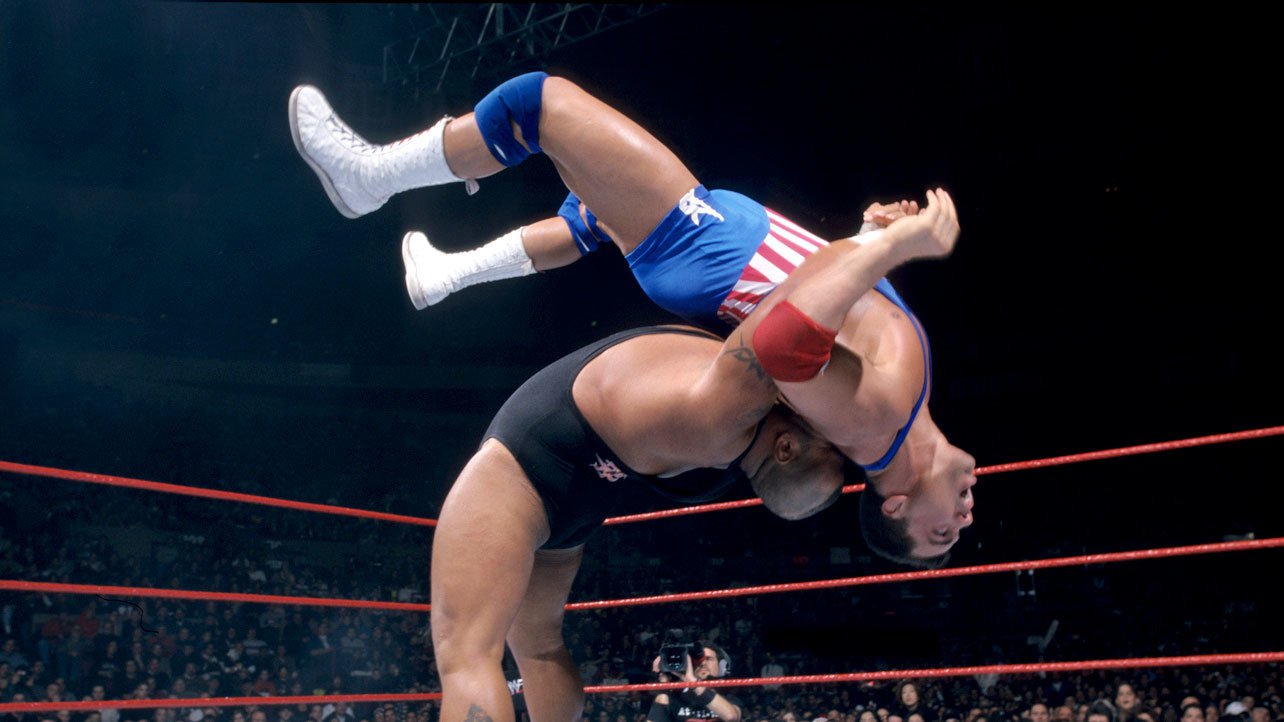
Taz wrestles his last match as an ECW full-timer, doing a job to Rob Van Dam at November To Remember. The departure is acrimonious; once fans become aware that yet another star is going to the big two, he is pelted with chants of “You sold out!”
Years later, soaked in tears, Taz tells the story of the hours that led up to his WWF debut at Royal Rumble 2000. Reinforcing Heyman’s aura as cult leader, Taz can only go through with his dream and contracted date after he receives Paul’s blessing. He gets it.
Taz also mentions that he had three goals when he started out. He wanted to make enough money in wrestling to get by, purely so that he could do what he loved. He wanted the validation of holding any title, anywhere. He also wanted to wrestle, if only just once, at Madison Square Garden.
That last note is crucial. It says a lot about ECW’s mission and its fate. ECW exists to dismantle the establishment - but some institutions will never go away. The WWF was lame when ECW caught fire, but the big-time Garden magic is timeless, too strong a pull for wrestlers and fans alike.
There’s another parallel with Tony Khan’s AEW here. AEW also established itself in defiance of an unfashionable monopoly. Fans were frustrated with it, but in 2022, when Paul Levesque took over the creative, they returned. WWE is the market leader for a reason, and when it’s hot, no other promotion stands a chance of drawing buzz.
July 18, 1999 - Heat Wave
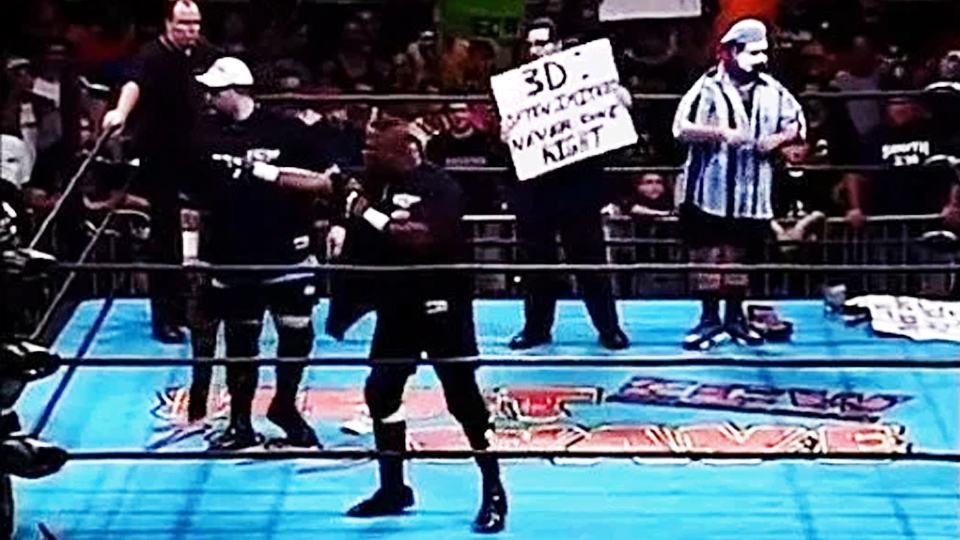
We are settling into a cold period of “good, not great”. Heat Wave ‘99 cannot match last year’s edition.
There are signs, ahead of ECW’s big move to national TV, that the expansion is destined to fail. At the pay-per-view, Taz successfully defends his World title against Yoshihiro Tajiri. Tajiri has enchanted the U.S. audience with his brutal kicks, so much so that you can almost trace the phasing out of the worked punch back to his style. ECW is still introducing new ideas to the mainstream, but the match is a disappointment. Creativity doesn’t count for anything, if you can’t build new stars, and as cult a hit as Tajiri is, a true headliner he is not. The only match that approaches great is Rob Van Dam and Jerry Lynn’s win over Justin Credible and Lance Storm in the main event.
Heat Wave ‘99 is notable for a vile and never-ending promo cut by the Dudley Boys before they lose the World Tag Team titles to Spike Dudley and Balls Mahoney.
“We’ve got a mom in the front row who told her daughter how to suck d*ck” is typical of the content. This woman spits in Buh Buh’s face, but nobody is chasing him out of the building. The promo is also rife with homophobia and a threat of sexual assault.
The promo is still discussed as some last bastion of “real heat”, amongst the edgelord corner of the wrestling fandom, but what’s lost is the resulting match. It’s not very good at all. The fans have calmed down considerably. No riot is imminent; they’re too bored, and they fail to react unless a big violent spot happens. They only want “flaming tables”, which they chant in what is a translation of “get to the point”. If the promo is so good, the fans would care on an emotional level. They don’t.
Moreover, the content of the promo, and a spot in which the Dudleys send Mahoney and Spike through a flaming table, which WWE will take for WrestleMania 22, is the sort of thing that spooks TNN. ECW is beginning to feel distinctly cheap. The irony is that ECW could probably do with a shift in creative direction, on this evidence. The promotion is baiting the crowd, begging for heat, and the WWF is teeming with incest, sexism, and CTE. ECW can’t compete. It might be time for a new innovation.
Heyman doesn’t even consider it, and is in fact so affronted by TNN’s suggestion to scale it back that all he wants to do is double down.
August 27, 1999 - TNN
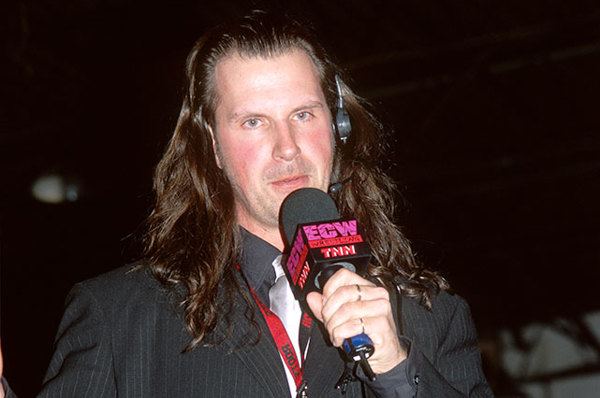
It finally happens.
The wrestling craze is so insatiable by 1999, in no small part as a result of Heyman’s influence, that TNN broadcasts the promotion nationally. The deal struck is so poor that it catalyses ECW’s demise.
ECW receives publicity and minimal revenue generated through advertisements; in exchange for it, ECW pays for the production costs and upgrades. In a different time, there is no rights fee in play. The deal only works if ECW significantly grows its other revenue streams, and even then, TNN parent company Viacom secures itself a portion of future gross revenues that will dwarf everything.
Even the name of the new show underscores the state of things: ‘ECW On TNN’. This is poor. WWF Monday Night Raw promises an unfiltered look at pro wrestling wildmen. At its peak, WCW Monday Nitro promised explosive in-ring action. There’s a lack of imagination and passion in ‘ECW On TNN’. It doesn’t promise controversial live action. ‘ECW On TNN’ is no ‘Barely Legal’, is it?
It reads like a highlights show - and that’s precisely what the Friday premiere episode is. Heyman opts to air highlights from ECW’s history as a ‘Best Of’ primer for new, curious viewers. The network is not happy.
The mutual loathing between two sides is apparent immediately. Heyman wants TNN to run commercials for ECW on its other programming; this isn’t granted. TNN wants a toned-down version of ECW, despite knowing it had agreed to broadcast Extreme Championship Wrestling; Heyman is so incensed that he creates a heel stable, the ‘Network’ led by Cyrus (Don Callis), in a meta-commentary on the disastrous relationship.
Heyman’s conspiracy theory - that TNN was a pilot for the WWF - is not so cynical, when you consider that ECW On TNN actually draws strong ratings by network standards with almost zero promotional support. That said, the average rating is still below the minimum threshold mandated by TNN - an expectation forged by the rampant success of the Attitude Era.
ECW On TNN lasts little over a year; it is cancelled two weeks after TNN begins to air Raw as part of a network rebrand. This is the worst news imaginable - the surging operating costs of the attempted national expansion cannot hope to be offset - and the WWF’s previous home of USA Network is not interested in Heyman’s racy, low-budget, star-bereft product. To them, and it’s a grim irony, ECW is a diluted imitation of Raw. Obviously, given WCW’s struggles with Turner, that conglomerate isn’t interested in wrestling, either.
It will take two full decades for a major station to get past the stigma that wrestling fans are too poor to afford the products and services sold via advertisers.
April 22, 2000 - All But Over
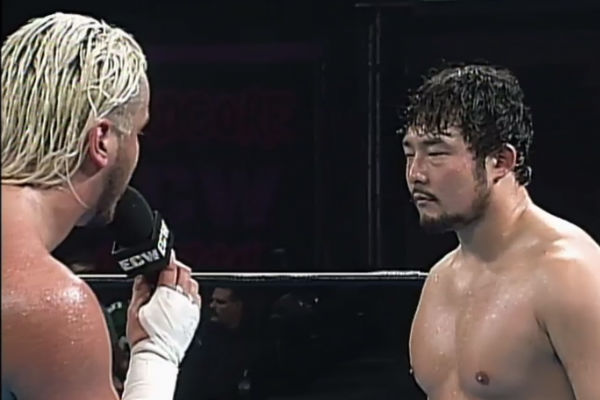
The TNN deal is floundering, there are few stars left, and injuries have thrown ECW into disarray.
CyberSlam is a show both dire and bleak. Heyman uses his informal relationship with the WWF to crown Taz as transitional World champion, who had dethroned Mike Awesome, who was still champ when he signed with WCW. Taz drops it here to Tommy Dreamer, who drops it minutes later to Justin Credible. Francine, Dreamer’s latest valet, turns on him in the process. Yes, it’s confusing.
This scramble of swerves and twists is inelegant and desperate. It’s not unlike the madness that unfolds on a weekly basis in the doomed, laughable WCW - and, since ECW was always defiant about how awful WCW was, this is a less-than-ideal self-own.
Credible, who got over in ‘98, is still a midcard act masquerading as a headliner. His subsequent run is not great. There are no negatives to hide, but there are no real positives, either. Credible is a bland pet project manufactured by Heyman, and he registers as something of a betrayal. In ECW, wrestlers earn the spot. Credible doesn’t. It’s one of many problems.
The same can be written of Steve Corino, who gets the big push ahead of his World title reign, which begins on November 5. Corino, who beats the legendary Dusty Rhodes at CyberSlam, embodies every cynical critique of Paul Heyman’s promotion - underscoring that the self-parody era is upon us.
His face is constantly drenched in blood and his mouth, when he’s programmed with Tajiri, is always spouting slurs. A great blow-off match there aside, Corino is a cheap heat merchant, a walking shortcut, and ECW fans can sense how try-hard and shallow his work is.
It’s not all bad, but something changes in 2000. Super Crazy and Tajiri continue to delight fans with their cracking touring match in the midcard, which elsewhere has lost its creative, resourceful charm. There’s one wrestler who totally rules, during the twilight era of ECW: Rhino.
Rhino is undisputedly awesome: a stocky, explosive meathead with a frightening intensity and fouler mouth. He is an elusive star in the increasingly dim fictional universe. As great as he is, in a very raw way, the character says something grim about where Heyman is at as a creative force.
Rhino is Goldberg with more swearing, hair, and misogyny, to be reductive about it. His signature ‘Gore’ finish is Goldberg’s Spear, done almost as well to his credit, but it’s difficult to imagine the character existing first. It’s here where the legacy of Extreme Championship Wrestling is subverted. After six years of pioneering brilliance, Heyman is now doing the borrowing.
January 13, 2001 - The End
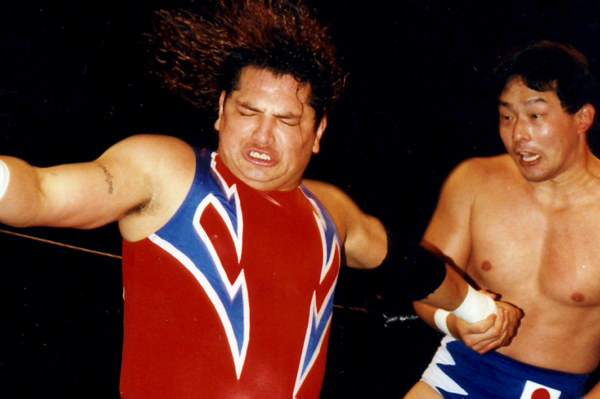
The last true ECW show (before the WWE reunion events, only two of which were any good) unfolds on January 13, 2001.
Unlike WCW’s final bow, which is headlined in classy, sentimental fashion by Ric Flair Vs. Sting, it’s an inglorious, weird ending. It’s not definitive, because Heyman is still trying to scrape together funds to keep it all going. It doesn’t take place in the ECW Arena, which is glum - but then, everything else got ripped out of ECW. Why not the heart, too?
It takes place down in Arkansas. What remains of the skeletal roster is almost as inauthentic as WWE’s later reboot. Oz, Prodigy, Phoenix: Heyman’s midcard is populated by obscure names plucked from an indie circuit that is a year or two away from becoming even vaguely buzzed-about.
The Sandman wins in the main event, so there’s that, but by 2001, even the guy who borrowed from his act has peaked as a star and a draw. Super Crazy Vs. Tajiri is probably good, but it’s a very, very familiar match.
With ECW bankrupt and folded, Heyman debuts on the March 5, 2001 edition of WWF Raw, replacing Jerry Lawler as the new colour commentator alongside Jim Ross. He reunites with many of his old ECW wrestlers during the ill-fated Invasion storyline, which is dead by November, after which he is almost too successful at booking SmackDown across 2002 and 2003. It is whispered that the McMahons resent him for outclassing (and temporarily outdrawing) Monday’s “A-show”. He’ll leave. He’ll return, to lead WWE’s reboot of ECW in 2006, before very quickly leaving again when it becomes clear that Vince McMahon wants to execute it under his own vision. He’ll return for a third time, in 2012, as an onscreen performer managing Brock Lesnar. He worms his way into creative, in classic Heyman fashion, by masterminding the long-overdue heel turn of Roman Reigns. Drawing inspiration from the Elite, his idea to craft a saga over the span of many years is not quite an innovation, but he does change the world again. The “cinema” era of WWE does not happen without Paul Heyman.
Heyman’s ECW doesn’t burn out; it fades away.
ECW’s legacy, though, is staggeringly ironic. The revolution became the establishment, the way forward. Heyman, the ultimate pro wrestling carny, somehow told the truth about it the whole time.