The Complete History Of The New World Order | Wrestling Timelines
August 26, 1996 - The Presentation
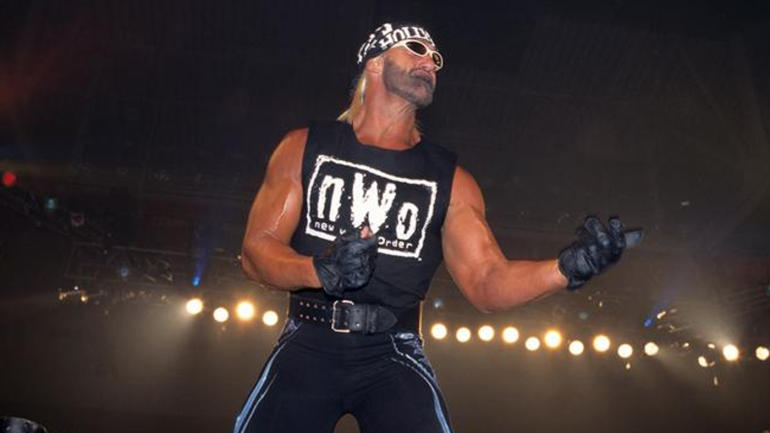
Again, the date is not typed incorrectly: WCW is so on fire that every week is stacked with jaw-dropping developments.
In another heavy heat angle, the nWo, wearing the black and white tees, attacks WCW representatives on Nitro. It’s staggering, just how instantly distinct and iconic the faction is. Hogan begs off Steve McMichael. The endearing wrestler, who is not good technically but still believable, is attacked by Hall and Nash, who spray-paint the nWo initials over his back. Sting is also beaten down before Ric Flair and Arn Anderson make the save and inspire hope. That might not be the correct term, in a new landscape in which the language is evolving as quickly as everything else. Do the fans “hope” to see the nWo receive their comeuppance?
It’s an amazing scene, all the same, as Hogan spray-paints and in effect dyes Ric Flair’s signature bleached hair black - symbolising that a new era is here. The use of dark colours is inspired.
The context is so important to consider here. Before the nWo arrived, mainstream pro wrestling in the United States remained a 1980s hangover. Detached completely from the wider cultural zeitgeist, the WWF (and WCW) is a garish, multi-coloured relic of a more naive time. A lot of hand-slapping babyfaces do not resemble the hip celebrities of the day as grunge and nu-metal battle for genre dominance, wearing instead luminous, hyper-patterned attire. Order member Hall, who credits himself with masterminding Sting's look, refers to this look as “happy guy tights”.
Bischoff will later state that this was a conscious exercise in contrast. The WWF was too colourful; to enhance the mystique of the nWo, he wanted “an underground vibe”. This new idea is plastered everywhere.
Hogan’s new look - he grows in thick black stubble - is a genius choice. He looks unrecognisable and iconic, all at the same time, in this new, scary world of contradictions in which the heels get cheered. It’s a surreal, unsettling effect.
This extends to the paid announcement videos shot and financed by the nWo, to credibly allow them screentime. Produced in black and white with a grain effect, they’re great, even if Hogan’s performances are a bit over-the-top. They are also sold to perfection by Tony Schiavone, who expresses confusion over which promo segment to throw to next.
The sense of disorder is beautifully done. The WCW wrestlers question the allegiance of the production truck, demanding this “garbage” doesn’t make it to air.
The world quite literally becomes a darker, more hostile place.
September 16, 1996 - Sting: Origins
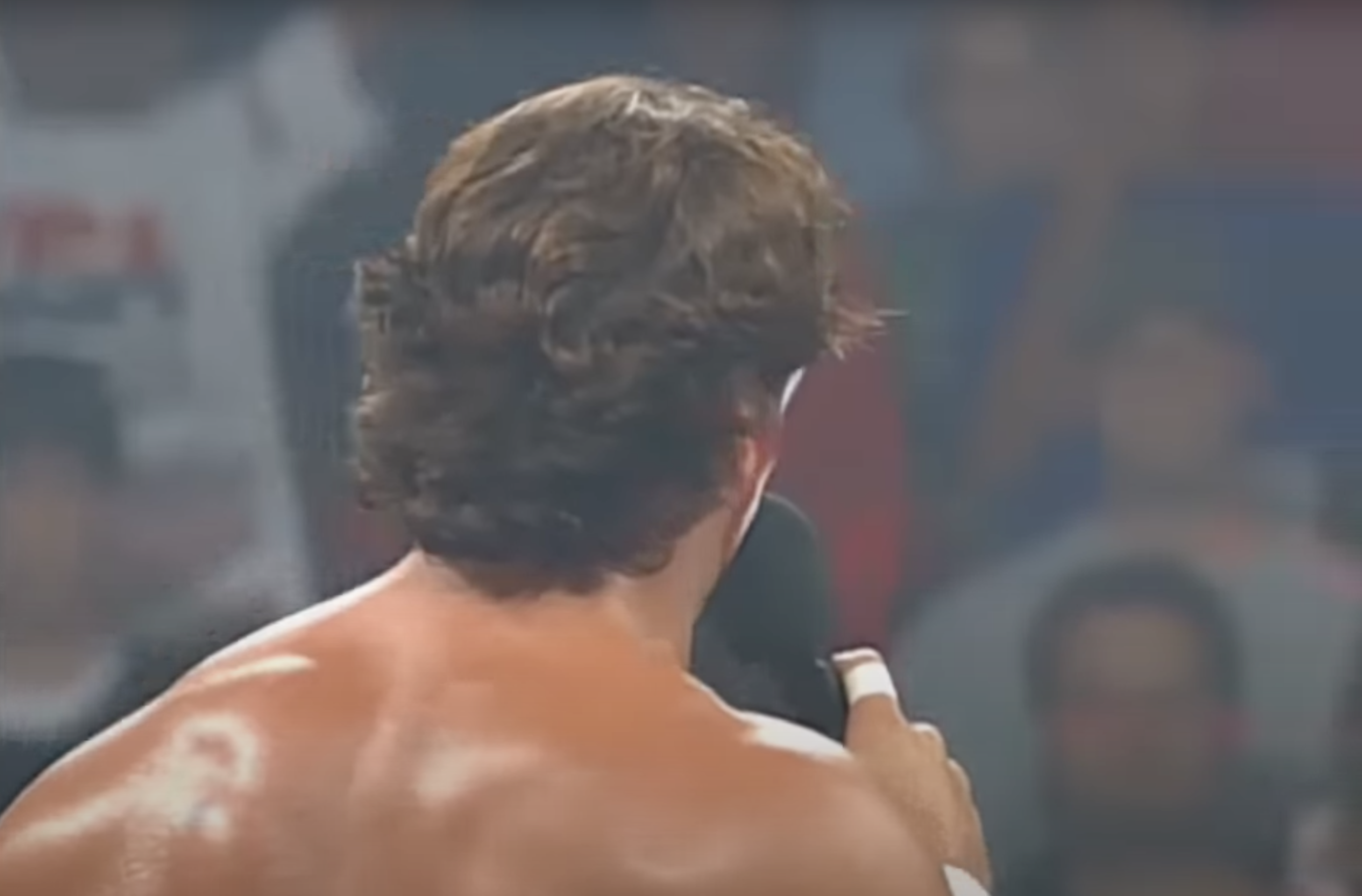
Sting still looks like the Surfer of old as he makes his way to the ring on Nitro. In a great touch, he will later build the tension of his suspect loyalty by daubing himself in black-and-white.
The week prior, the nWo debuted ‘nWo Sting’ (Jeff Farmer) in a bid to convince the WCW roster that the real deal had turned - a contrivance made possible, and just about plausible, through Sting’s face-painted look. At Fall Brawl the night before, Sting came to Team WCW’s rescue, proving that the imposter was helping the nWo, but left Luger to the wolves in a measure of revenge.
Sting grabs the mic and cuts the promo away from the hard camera - a tease, picked up on commentary, that he is turning his back on WCW. While the symbolism doesn’t quite work, since it is made explicit, this is nevertheless highly sophisticated by the standards of U.S. pro wrestling narrative.
Tying up and making sense of a well-received but dropped angle, in which he played face as his mate Lex Luger played heel in secret, Sting says that he’s tired of giving Luger the benefit of the doubt only to be questioned by him.
“If you stand by me, I’ll stand by you,” Sting says, before addressing his doubters. Those who doubted him, he says, in a great red herring, “can stick it”. This, in no coincidence, is what Hogan said during Bash At The Beach.
“From now on,” Sting wraps up, “I consider myself a free agent. But that doesn’t mean you won’t see the Stinger from time to time. I’m gonna pop in when you least expect it.”
In a secret hint that he is a babyface, Sting is true to his word. Until December, he doesn’t wrestle a televised match in 1997 - but he becomes the defining figure of the year…
October 21, 1996 - The First Glimpse
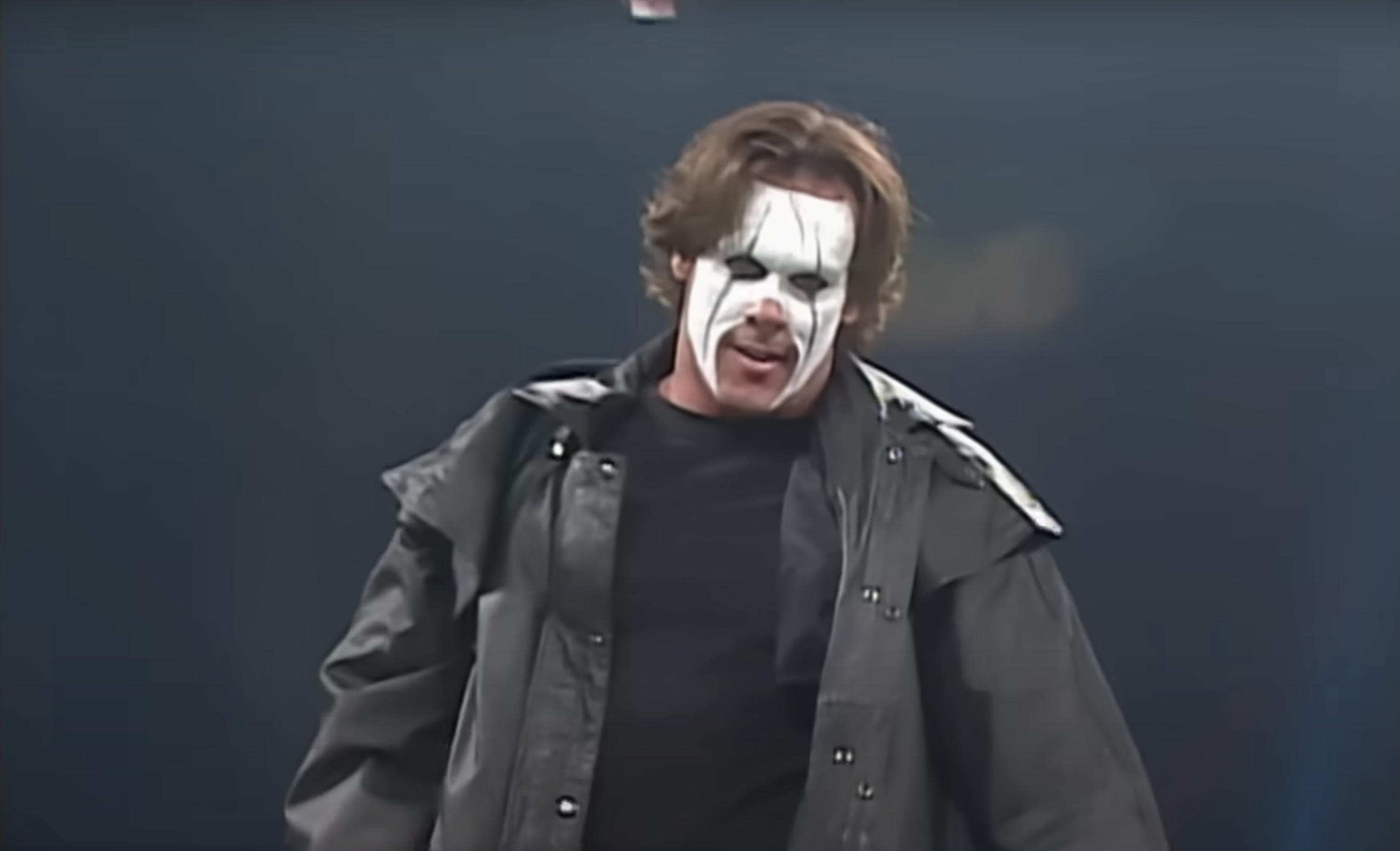
On Nitro, Sting attacks his evil doppelganger. This is the first time we glimpse what is the first true phase of the man that will come to be known as ‘Crow Sting’.
He is in black and white face paint.
Sting wears the colours of the nWo, but beats up one of their own: a note-perfect introduction to his new mystery arc as an enigmatic vigilante.
He also wears - and this is inspired - a black leather trenchcoat. The black trenchcoat is synonymous with the cinematic badass, but worn by the wrong person, it becomes pitiful in its aspiration of danger. You have to be able to pull it off.
Sting pulls it off.
October 28, 1996 - The Rafters
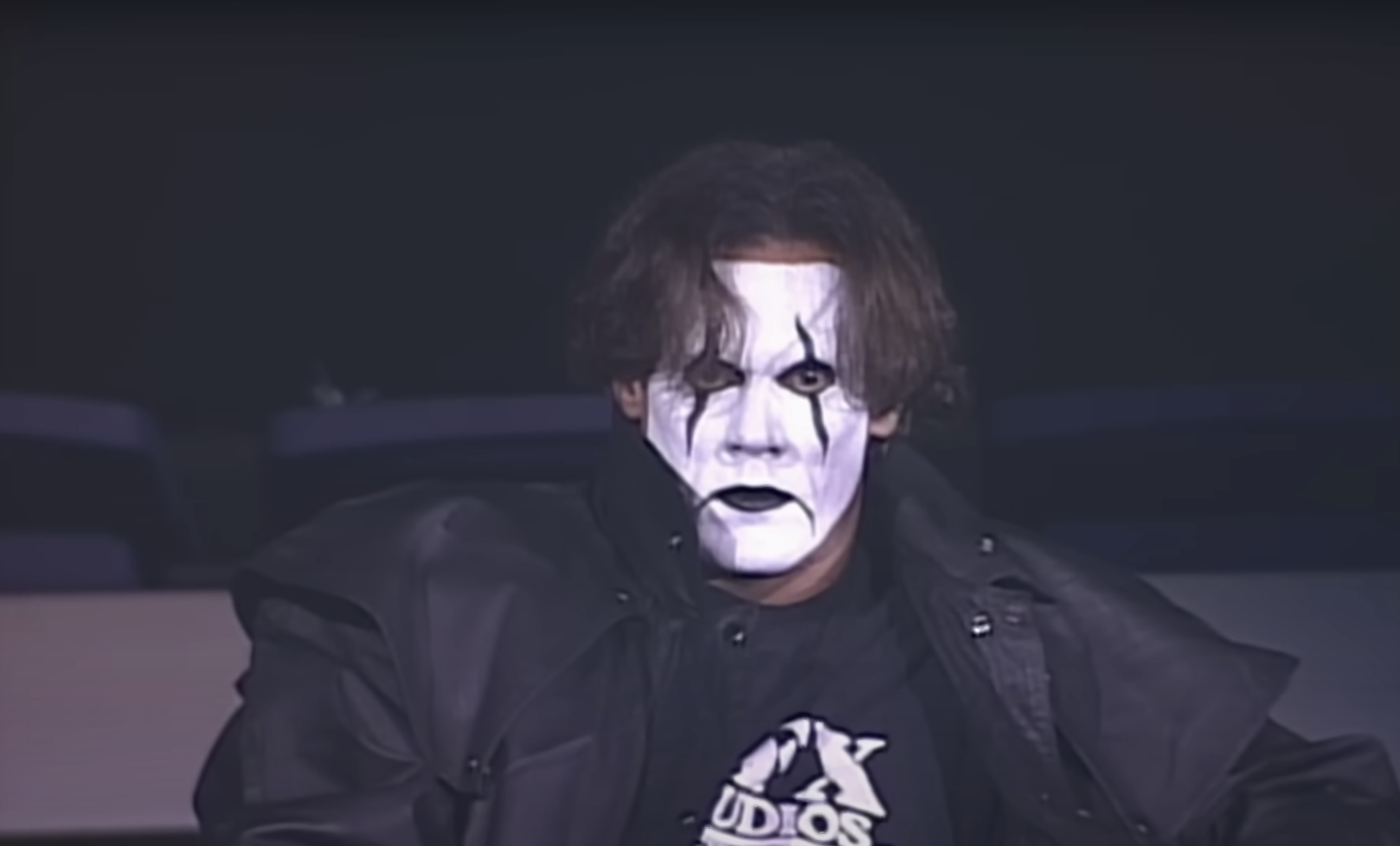
In what will become a familiar, haunting, hypnotic sight, Sting is seen watching on from the rafters as Lord Steven Regal and Juventud Guerrera wrestle a match on Nitro.
What’s he doing?
Is he mulling over his decision?
Or is he waiting for his time to strike?
November 18, 1996 - A Slightly Less Good Idea
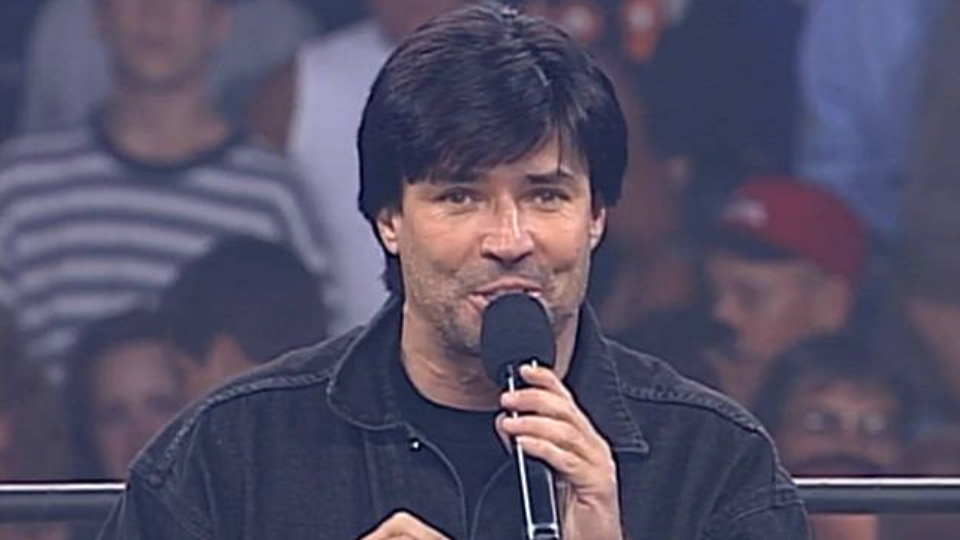
Eric Bischoff, who was brutalised in various early angles, is revealed to be the real mastermind behind the nWo. Trillionaire Ted is phased out.
Roddy Piper questions and prods Bischoff. He is adamant that Bischoff has something to do with it, and the clues are there; while DiBiase finances the organisation, who is actually allowing the anti-WCW propaganda to make air?
The execution of a well-teased reveal is brilliant, as Bischoff beams a smug smile when the nWo encroach.
Bischoff is good in the role, a total smarmy bastard, which adds a much-needed complexion to a unit so cool and so over that only the very best babyfaces stand a chance of staying over when stood in the same ring.
Still, while Bischoff has the power to facilitate the nWo, the alignment barely connects to the events of June, and the Hogan/Bischoff dynamic yields more droning, not-great promos than bombastic angles. The nWo is firmly established at this point, which is just as well: does the movement become as big as it is, if this is how it starts?
The more cynical fans maintain that Bischoff is an egomaniac who wants in on the fame.
In an early battle of what will become a lifelong war between both sides, Dave Meltzer is even more damning of Bischoff, writing in the November 25 Wrestling Observer Newsletter:
“They wanted to put the nWo head-to-head with Raw. And Eric Bischoff wants to be on the air at the same time as Vince McMahon. It’s that simple and there’s nothing more to it than that.”
Meltzer concedes that “[it] was an idea that was rumoured for a long time and may have been considered for a while”.
November 18, 1996 - Dimming The Rose-Tinted View
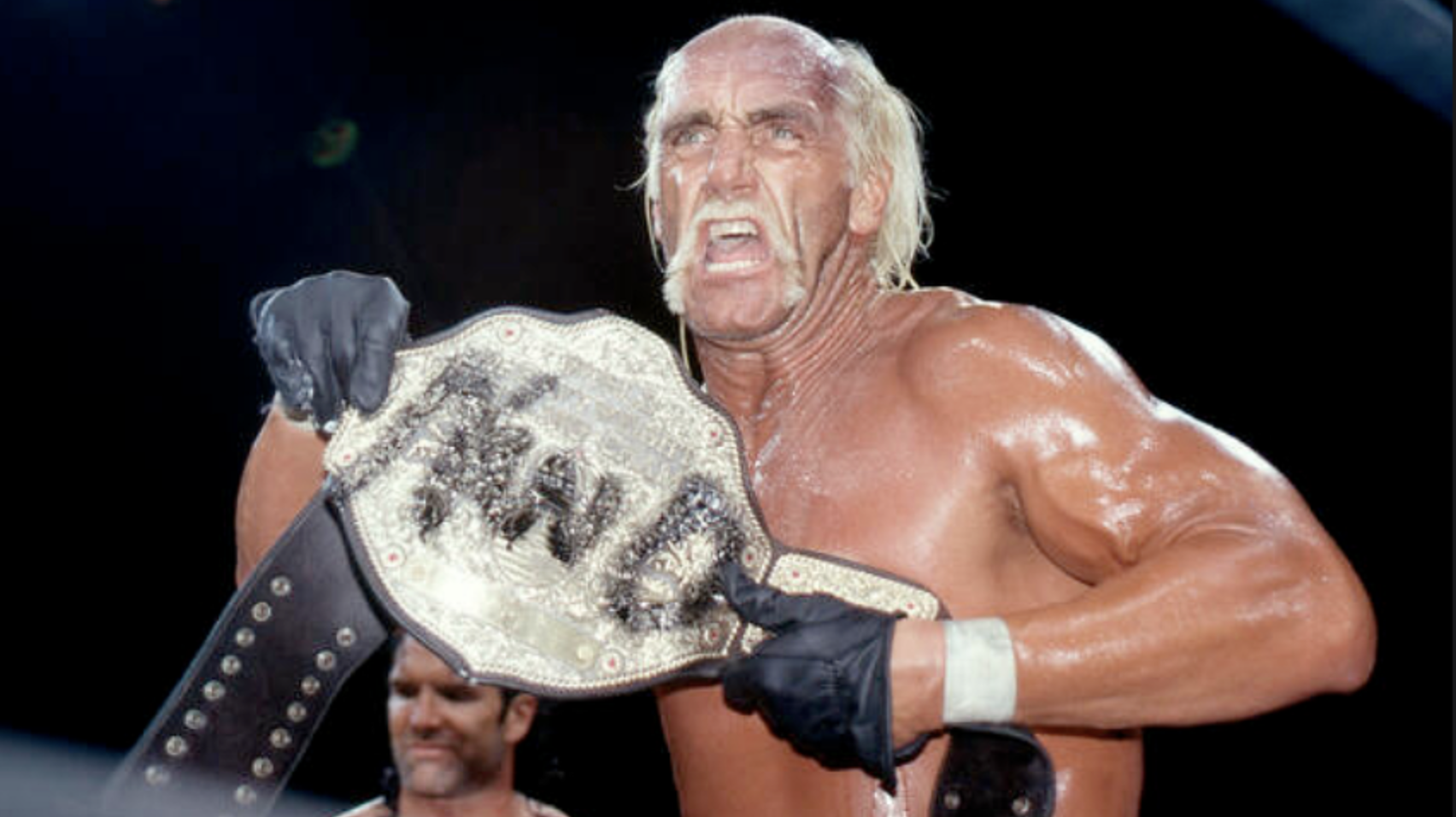
The prevailing narrative, in the years to come, is that the nWo was a great time for two years - but even in 1996, this is questioned.
In a letter to the Wrestling Observer Newsletter, subscriber Lance LeVine writes the following:
“Week after week we see Hogan and his cronies laying to waste the faces as well as the heels for that matter. Nobody could possibly believe that anybody in WCW stands a chance against the nWo at this point. The original concept is a solid one. The interpromotional feud. But in typical WCW fashion, its execution has been completely botched.”
Does the one-sided nature of the WCW Vs. nWo feud explain the imminent disaster of January 1997?
December 29, 1996 - The Roddy Piper Business
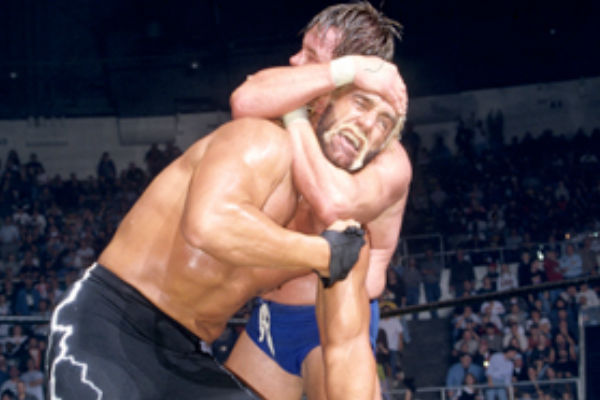
Roddy Piper has a run in WCW that can only be described as drastically uneven, ranging from the very best (realistic) version of itself to some of the worst pro wrestling TV and action ever.
Piper’s delivery is incredible, the contents of the promos inscrutable. He is broken-down to a bleak extent, but it so charismatic that, early on, the fans go banana for him anyway.
He beats Hogan at Starrcade in a great, albeit arthritic, spectacle. The title isn’t on the line, which is beyond nonsensical, but alas. The fans cheer Piper over the nWo - emphatically. The build is great; Piper is effectively promoted as a living legend via brilliant, ardent endorsements from Ric Flair and Arn Anderson.
The Piper run will get downright weird and embarrassing.
Ahead of Uncensored ‘97, at which Piper and Hogan renew hostilities, Piper visits Alcatraz prison to train in an infamously lame vignette. Then, before abandoning them for the Four Horsemen in less than a week, Piper tests and fights a strange cadre of wrestlers to join his very quickly estranged ‘Family’ - which is the least relevant word for that non-stable imaginable.
At Halloween Havoc ‘97, as WCW opts to rehash Hogan Vs. Piper yet again, they participate in what becomes known as ‘Age In The Cage’. The men are just 44 and 43, respectively, but this is ancient for the era, and the characters have hung around forever.
The action is awful, the WrestleMania 1 novelty is dead, and the match highlights the year-on-year decline in the quality of creative.
January 25, 1997 - Souled Out
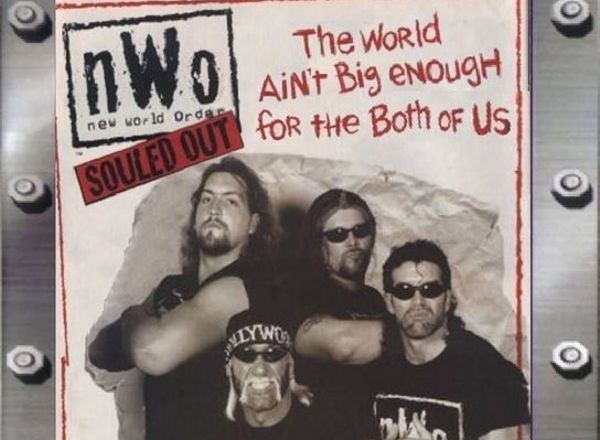
The New World Order presents “its” first-ever pay-per-view: Souled Out.
It was also the only nWo pay-per-view, because Souled Out is a critical and commercial disaster.
It looks the part. Across every detail - the set, the signage, the broadcast personnel - it feels like a distinct spectacle produced by a “different” company.
Strangely, by its very, mega-flawed design, it is a punishment of a show. On commentary, Eric Bischoff and Ted DiBiase bury the babyfaces and don’t pop for anything they do during the WCW Vs. nWo matches. It is a deflating experience. Heel referee Nick Patrick is installed to officiate the matches and essentially let the heels win. This renders the show so pointless that when some babyfaces do win, there’s no drama nor catharsis. The heel winning should be a guarantee.
Each WCW wrestler walks to the ring in silence as the nWo ring announcer pokes fun at them. They walk past three rotund fellows who for some reason or another are sitting on the stage. Are they meant to look like the scuzzy low-lifes that the nWo hang around with, being mean and surly, in their free time?
This glimpse into the nWo extended universe, and really, the show itself, is above all else lame. It is unbelievably lame, a complete betrayal of the nWo’s core appeal.
The nWo works on a specific principle: they are cool badasses. What was once an exclusive club is ballooning by the time Souled Out is promoted. Is the former IRS, Mr. Wallstreet, cool?
Souled Out is a single, obnoxious punchline dragged out over three hours. The show begs a question that is less than ideal: what are we doing here?
If this is the nWo’s ideal world, the end goal, it is awful. Souled Out illustrates that there is no viable ending to the storyline - unless it’s a happy one.
People have now seen what a New World Order takeover actually looks like. The threat is delivered upon, and it feels like a punishment. The nWo only works when they threaten the sanctity of a functional wrestling card that is run properly. The fans must have sensed this going in. The Order formed at Bash At The Beach 1996. Every pay-per-view thereafter drew in excess of 200,000 buys. Even before it is executed abysmally, Souled Out draws 170,000. The concept is a dud.
Just one match is of value: a cracking ladder war between Syxx and Eddy Guerrero, who is so awesome that he wins the rigged game. This might be the catalyst for the later protests; many fans hope that the cruisers are pushed further up the card as the nWo main events become tedious.
It’s a dismal night for what remains the biggest thing in wrestling. There’s one simple solution to the problem: effectively promote star babyfaces. For a story based on groundbreaking inter-promotional warfare, the nWo angle actually functions best when it plays the classics - when a good guy rises up against a gang of baddies.
1997 is off to an awful start - but three men prove that babyfaces can still be cool, too.
January 20, 1997 - The First Rappel
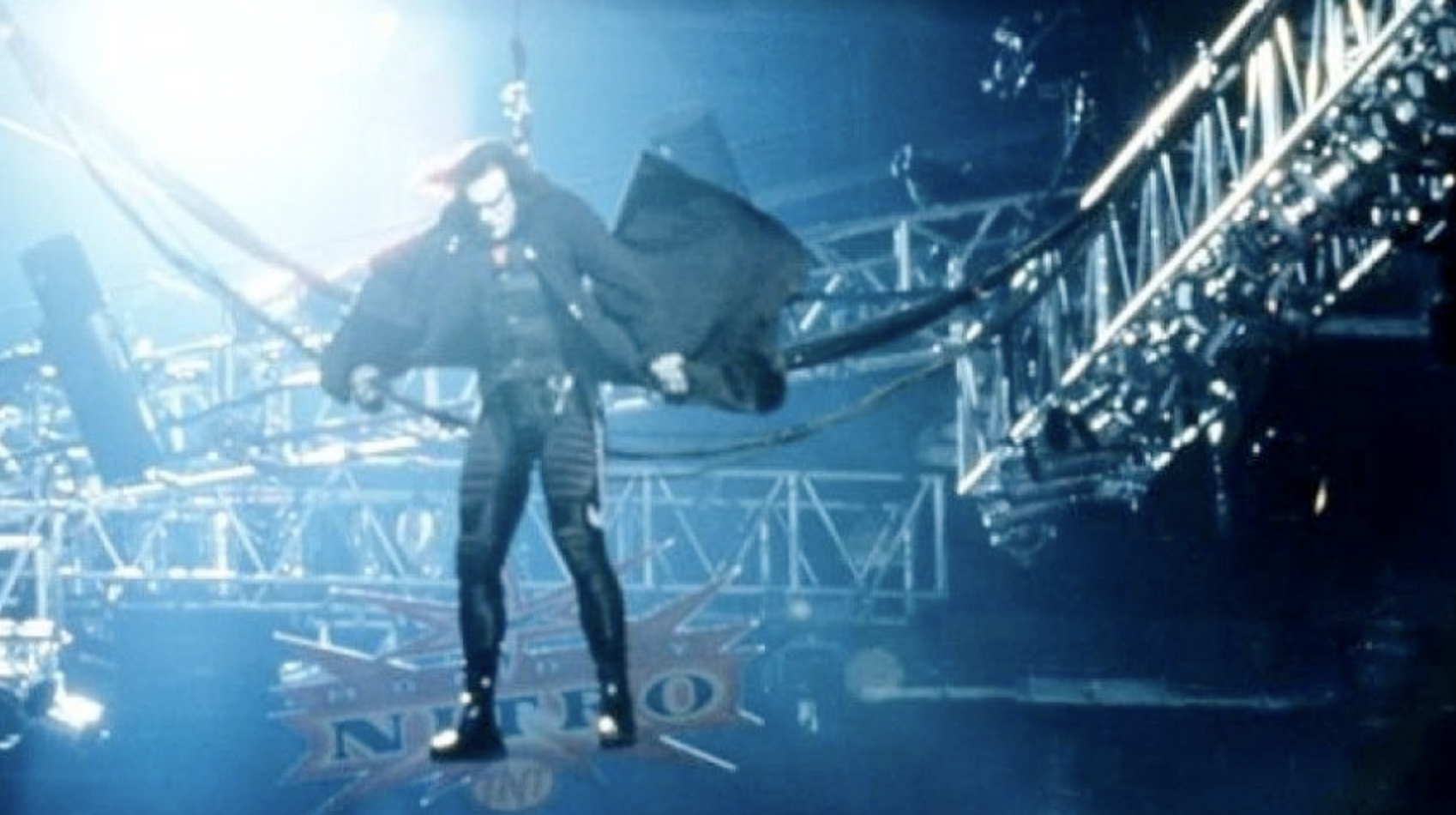
A now mute Sting has been attacking WCW representatives - Jeff Jarrett, Rick Steiner - but why?
Is he yet to forgive WCW for failing to trust him - despite being the first WCW guy to stand up to the nWo? Or is he playing a long game of deception?
The only thing for sure about Sting is that nothing’s for sure.
He has also pointed his bat at the nWo, signalling his intention to dismantle the group, and issued loyalty tests to the WCW guys. He points the bat at them. He waits for their reaction. He turns his back. If no retaliation is incoming, he seems to express approval with a subtle nod. The idea, and fans are latching onto it, is that he wants their trust back before he goes to war.
He issues a test to wrestling pioneer Randy Savage, setting up a short, dropped alliance between the two men, before which - for the first time ever - he rappels from the rafters.
It’s an intriguing sight, and it will become awesome when he drops from the rafters into the ring, destroying the nWo in the melee of a heavy heat angle.
The importance of Sting, specifically, cannot be overstated. At its very core, from day one, the nWo is the most flawed successful concept ever. The nWo exists to put over the babyfaces in WCW, but the unit is more over than the babyfaces. They, in effect, are the babyfaces.
Sting, crucially, is the one entity cooler than the New World Order. His presence is electrifying, his look, heavily inspired by ‘The Crow’, is the business. The rafter drops, holy hell: the live, cinematic action set-pieces are unlike anything wrestling fans have ever seen. Sting is a megastar babyface, but he transcends that; if wrestling is all about building hype and anticipation, the incredible concept of a living superhero - who will only step into the ring when the time is right - is a promotional masterstroke.
It is imperative that he wins in the end.
March 16, 1997 - Decision Made
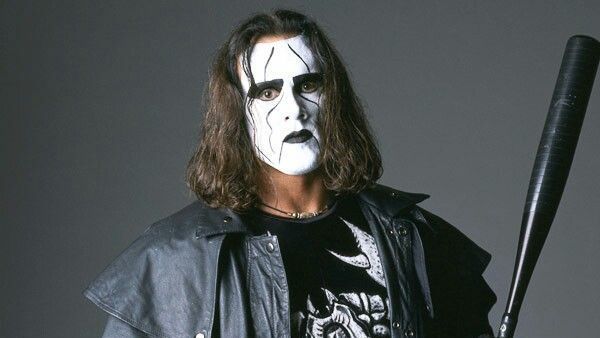
At Uncensored, Sting descends from the rafters to attack Hall, Savage and Nash in the closing scenes of the pay-per-view. He then challenges Hogan to enter the ring. Hogan accepts, and gets his ass kicked too. Sting has aligned with WCW.
July 7, 1997 - A Smart Babyface At Last
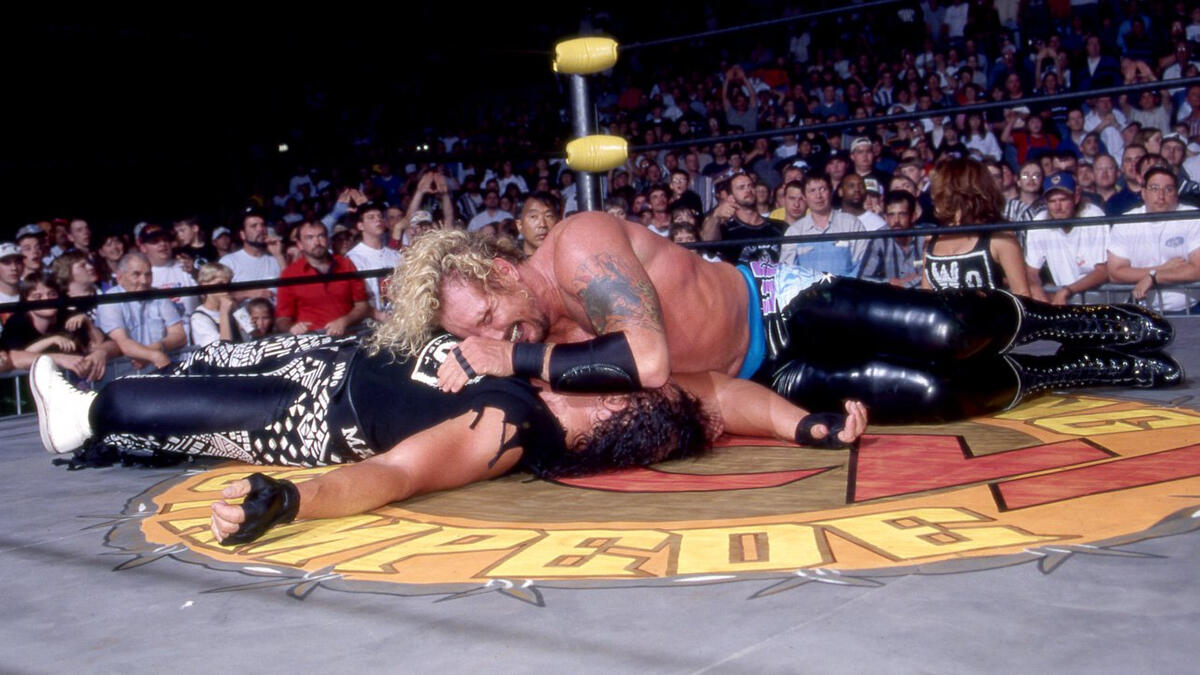
In a superb and memorable angle, Randy Savage, who has since defected to the nWo, readies himself for a match against masked luchador La Parka.
Savage doesn’t take it seriously. He taunts the crowd throughout. Scott Hall is supporting his stablemate at ringside, but is so sure of Savage’s win that he ventures up the ramp to intimidate Tony Schiavone at the commentary table.
Randy’s opponent is not La Parka. It’s Diamond Dallas Page in disguise. This is revealed when Page gets his legs up to counter Savage’s elbow drop, and drills him with the Diamond Cutter. In a great touch, Hall celebrates with his back to the ring, assuming that Savages has just won an easy tune-up match. DDP unmasks and high-fives members of the crowd - who are so thrilled with the development that they momentarily forget they are clad in nWo merch.
1997 is DDP’s breakthrough year. The fans gravitate towards him because he embodies several admirable babyface traits. He’s clever, with an ability to fool the heels into taking his Diamond Cutter finish from exciting, unpredictable set-ups. He’s a grafter, having broken into the business as a wrestler very late. He’s got a great taunt and catchphrase. He can flat-out go, which is a prized attribute to fans that still value great in-ring work.
Even he can’t really get it done against the nWo; while he is cheated, he loses the well-received programme to Randy Savage in the end, and is beaten down by the group in a disqualification “win” over Hulk Hogan on the October 27 Nitro. He’s a rare WCW success story, in that he is cheered throughout his battles with the Order and enjoys a well-received stint with the United States title, which he wins at Starrcade. It’s a net positive, when you consider that he isn’t meant to be the guy who takes down the nWo once and for all. That’s Sting’s role.
Sting will save WCW.
Surely…
August 4, 1997 - Luger Wins!
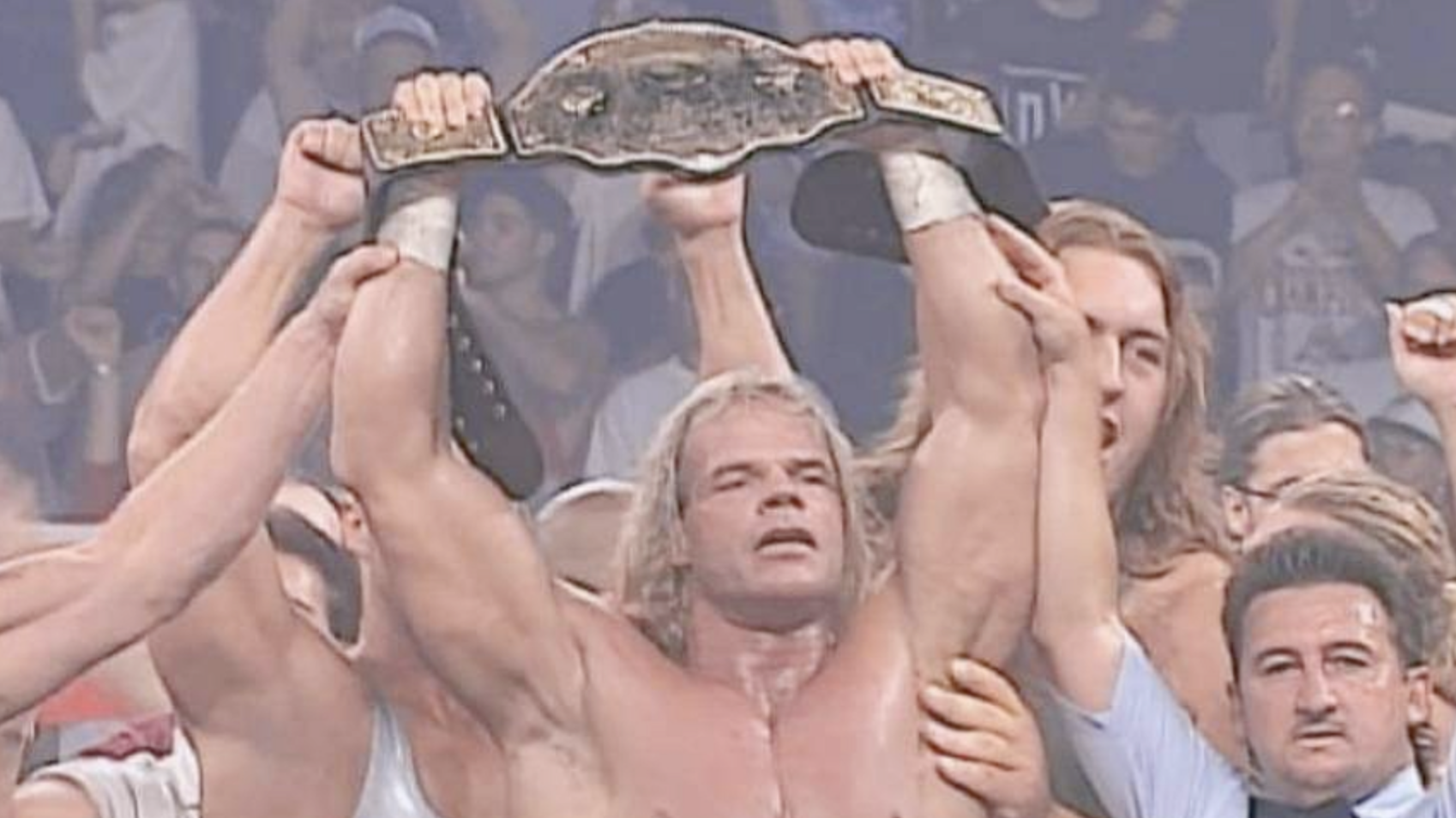
Lex Luger is one of the three key babyfaces in the fight against the nWo.
The nWo remains white-hot; while the WWF is getting its sh*t together creatively, and how, we are deep in the ‘83 weeks’ era of consecutive Nitro wins in the Monday Night Wars ratings battle. The nWo also remain an unstoppable force, having held the WCW World Heavyweight title hostage since August 10 of the prior year, when Hogan dethroned the Giant at Hog Wild.
Spray-painted with the logo, it is referred to by members of the faction as the nWo World Heavyweight title. The nWo’s invincibility heats up the faction, but renders the week-to-week experience of Nitro a constant blitz of heel heat.
Luger shockingly wins the World title on Nitro. It’s thrilling in and of itself, and the sensation is dreamlike, since the main event was made on an impromptu basis earlier in the show.
In one of the most enduring moments in Nitro history, fondly remembered forever for its rare, true joy, Luger cleanly defeats Hogan with his Torture Rack submission to a mass eruption of a pop. Luger is beloved, had apologised for not trusting Sting in a great, heartfelt promo delivered on the November 11, ‘96 Nitro, and his cocky demeanour, once a bit off-putting, soars in the era of the cool heel - but he isn’t Sting.
The purpose behind this glorified ‘Dusty finish’ is questioned when Hogan regains the title days later at Road Wild. What WCW accomplishes here is twofold.
The monotony of the nWo is suspended. It was getting a bit much.
Also, ahead of Starrcade, the fans are conditioned to believe that Hogan is capable of doing a job.
September 1, 1997 - Sign Of The Times
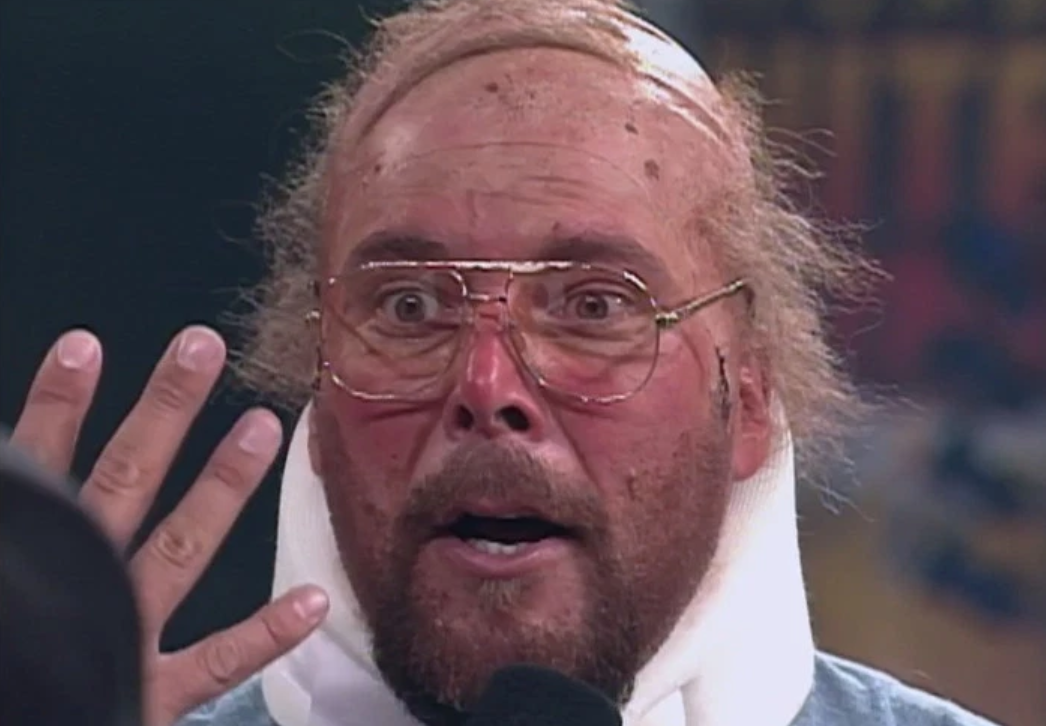
In a parody angle so brutally funny and incisive that it genuinely upsets the target, the nWo mock the Four Horsemen on Nitro.
Kevin Nash dresses up as Arn Anderson, putting more effort into a heavily detailed prosthetics job than he applies in the ring. The attention to detail is astounding. He makes himself look authentically ancient. Among other impersonations, the other highlight is Sean ‘Syxx’ Waltman playing Ric Flair, in or constantly on the verge of tears.
It’s a sign of the times; the front row redneck is gone, and the Horsemen getting buried is funny now.
It’s also another reminder that the heels are probably too over.
December 8, 1997 - Over-Ambitious
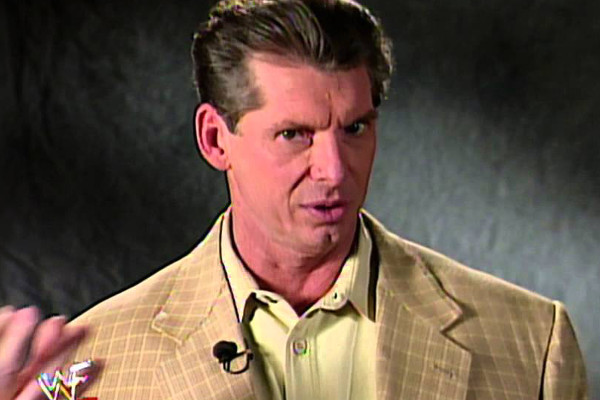
It is reported in the Wrestling Observer Newsletter that “the working idea for 1998 is to split WCW and nWo into somewhat separate entities, each having their own television shows. The grandiose idea behind all of this would be to make the WWF into the third biggest wrestling company in the United States”.
In December 1997, the WWF is the second biggest company.
The ranking of Vince’s promotion will change in 1998 - but it won’t be third…